
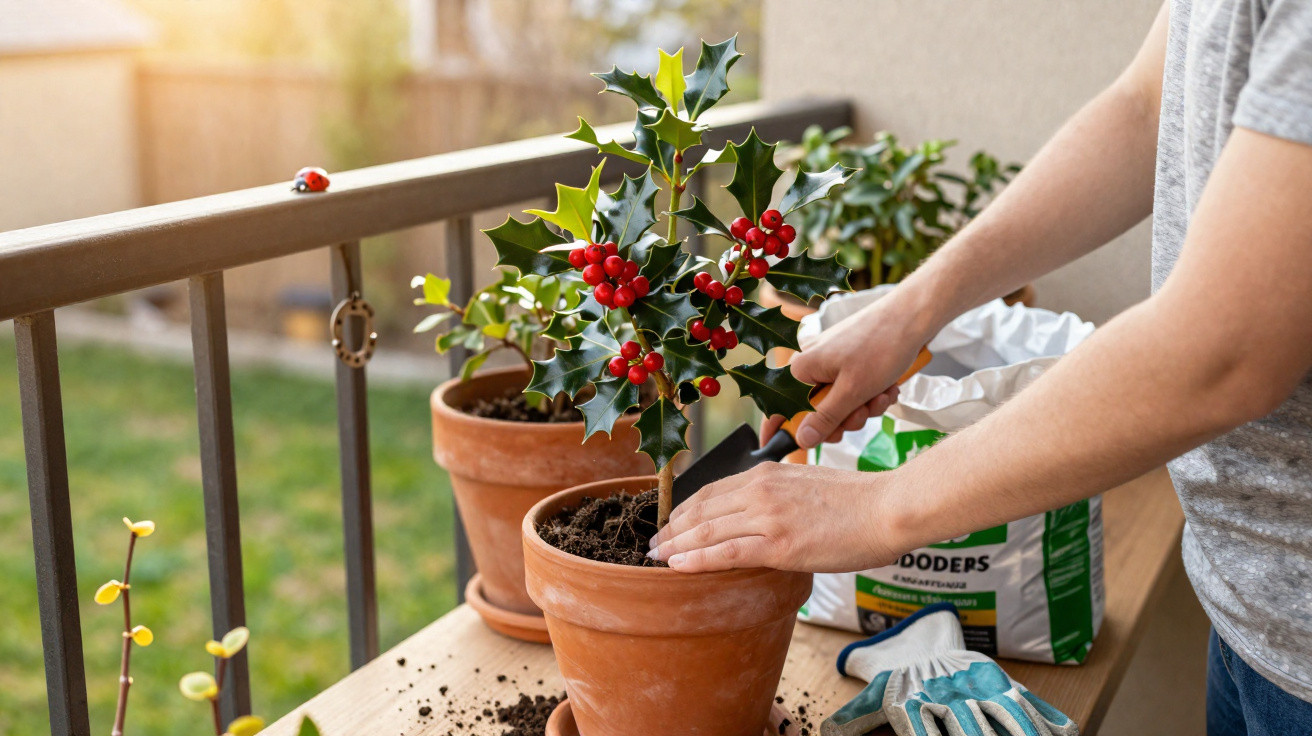
While many borders still look bare and grey, seasoned gardeners are already turning to an evergreen classic: the holly shrub. With its red berries, powerful symbolism and surprisingly modest care needs, it offers more than winter decoration. If you get it into the ground by early March, you’re not only adding a striking feature to the garden-you’re also creating a small personal ritual to mark the start of a new year.
Why this shrub is seen as a lucky charm
Holly is best known from winter displays, and it’s easy to see why. Its dark, glossy green leaves and vivid red berries have carried special meaning for centuries. In many places it’s associated with protection, resilience and positive turning points.
"Evergreen in the depths of winter, bright red berries, tough as almost no other – that’s exactly where its reputation as a symbol of fresh starts and good luck comes from."
When other plants look skeletal through winter, holly stays densely leafed. That bold colour contrast can lift the mood instantly. After long, gloomy months, a splash of green and red feels like a visible promise that brighter days are on the way.
Another reason it earns its reputation is its impressive hardiness. This shrub:
- copes well with frost and cold winds,
- does fine in partial shade,
- suits small gardens as well as balconies,
- is available in hundreds of varieties-from dwarf forms to substantial specimen shrubs.
Many gardeners deliberately turn planting into a small ritual: new year, fresh energy, new shrub. It may sound symbolic, but a clear, living marker by the front door often has more impact than resolutions written on paper.
Timing: why early March is the best window
If you’re planting holly, it pays to use the period before spring properly begins. From late winter through to early March, the soil is usually moist and temperatures are relatively mild-ideal conditions for roots to settle in calmly before summer brings stress.
"Planting before March gives the shrub a head start: the roots take advantage of winter’s remaining moisture and begin the season stronger."
The benefit is straightforward: the shrub establishes more reliably, is less sensitive when the first warm spells arrive, and often produces more flowers and berries in the years that follow. For many, there’s also a symbolic element: planting at the very start of nature’s ‘reset’ feels like a consciously pressed start button for everyday life.
How to plant holly successfully in the garden
The reassuring part is that you don’t need expert-level knowledge to plant this ‘lucky’ shrub. Keep to a few basics and you’ll greatly improve your chances of a healthy plant for years to come.
Position and neighbouring plants
Holly prefers humus-rich soil that’s slightly acidic. A full-sun, bone-dry spot is a poor choice; partial shade and a sheltered corner are far better. If you want the classic red berries, remember a key point: there are male and female plants.
- For plenty of berries: have at least one male shrub nearby,
- Ideal ratio: one male to three to five female plants,
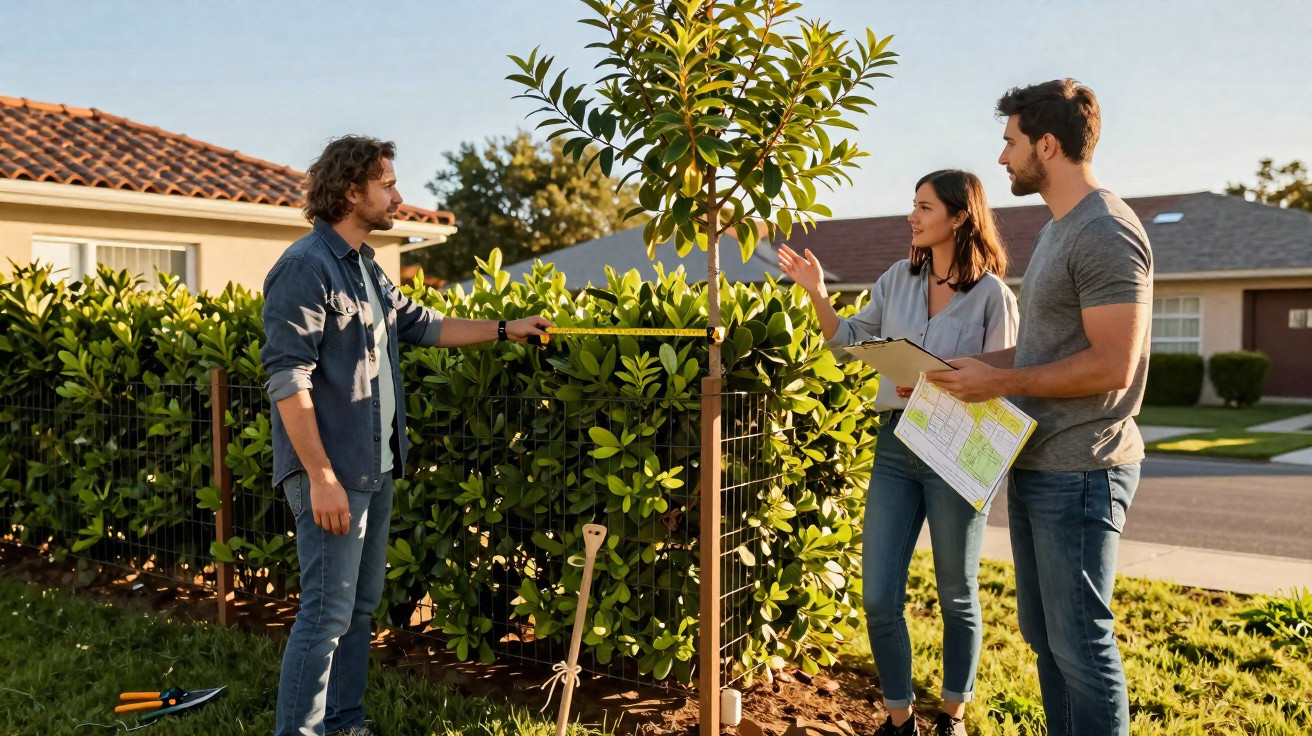
- Spacing in a border: 1.5 to 2 metres between larger specimens.
If you’re not sure what you’re buying, ask at the point of purchase which plant is male and which is female. Labels often include clues, and some variety names make it clear.
Step-by-step planting guide
With basic tools and a sensible planting mix, you can make a big difference. A tried-and-tested ‘base recipe’ looks like this:
- Dig a planting hole around 40 cm deep and 40 cm wide per shrub,
- Mix the excavated soil with about 5 litres of well-rotted compost,
- Add 2 litres of coarse sand or fine gravel to help water drain freely,
- Set the shrub so the top of the root ball sits level with the soil surface,
- Backfill with loosened soil-don’t stamp it down hard, just firm it gently,
- Water straight after planting with 5 to 10 litres,
- Finish with a layer of organic mulch (around 5 cm) around the root ball.
Mulch helps the ground retain moisture, buffers temperature swings and supports soil life-essentially a comfort package for a new arrival in the border.
Lucky charm on the balcony: holly in a pot
Not everyone has a garden, but holly performs very well in a container too. That makes it a strong option for city balconies and small terraces.
| Aspect | Recommendation |
|---|---|
| Pot size | Diameter 30–40 cm, depth 30–40 cm, with drainage |
| Compost | 20–30 litres of high-quality, well-draining container compost |
| Position | Bright but not in harsh sun all day, sheltered from wind |
| Watering | Keep evenly moist, avoid waterlogging, check more often in summer |
On a balcony, the evergreen crown gives structure through winter. In summer, it can provide pleasant screening without feeling overpowering. If space is tight, choose naturally compact varieties that stay smaller.
Care: little effort, big impact
Once established, holly is one of the lower-maintenance shrubs you can grow. In most cases, a single tidy-up each year is enough.
- Pruning: At the end of winter or very early spring, remove dead branches, cut back bent shoots and lightly thin the crown.
- Water: In the ground, water only during prolonged dry spells after the first year. Container plants need more regular checks because the compost dries faster.
- Feeding: Outdoors, a thin layer of compost in spring is usually sufficient. In a pot, a balanced slow-release feed once per season is helpful.
"You’re doing it right if you don’t constantly ‘pamper’ the shrub – it likes things tough, not over-supplied."
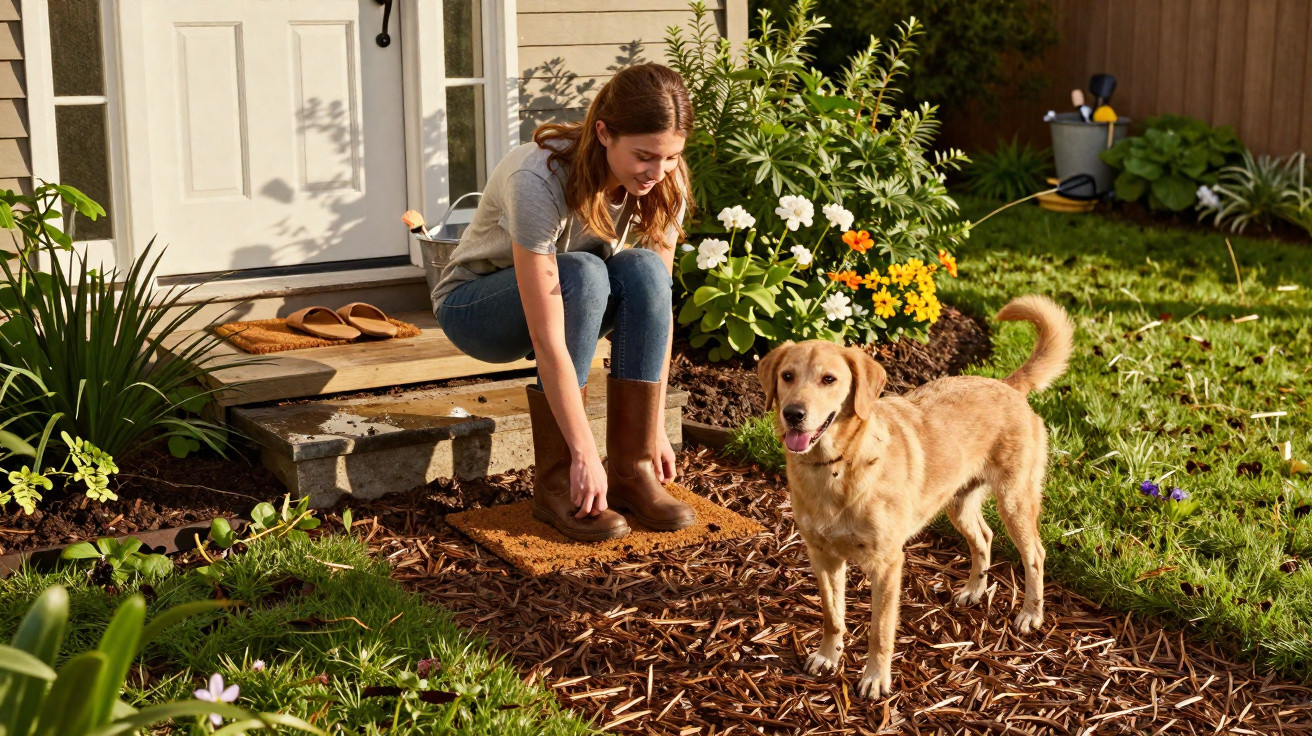
Take care with children and pets
As appealing as the red berries look, they’re not meant for eating. Larger amounts can cause stomach upset, especially in children and more sensitive pets such as dogs or cats.
Sensible precautions include:
- Don’t place shrubs right next to play areas for small children,
- In heavily used areas, regularly pick up fallen berries,
- If you have very curious pets, consider low-berry varieties or choose the location carefully.
At the same time, birds value the berries as a winter food source. Planting holly slightly higher up can support wildlife while reducing the risk for toddlers in the immediate area.
Choosing and buying the right variety
From a dwarf shrub for a container to an impressive garden specimen, the choice is vast. Local nurseries and garden centres often offer a wide selection in late winter, sometimes with pre-order options as early as February.
What’s worth checking:
- Growth height: does the variety stay under 1.5 metres or develop into a large shrub?
- Leaf shape: very spiny leaves are better suited to hedging, while smoother types fit well in family gardens.
- Berrying: for lots of berries, choose reliable female varieties and make sure there are suitable male partners.
- Origin: regional, site-appropriate breeding supports local wildlife and often copes better with local climate conditions.
More than decoration: symbolism and practical everyday benefits
It’s easy to underestimate how much a deliberately chosen plant can influence your mood. An evergreen shrub in view at breakfast or on the walk home can become a steady visual anchor. If you link the planting to a personal milestone-moving house, a new year, a career change-the effect often feels even stronger.
On a practical level, holly brings several clear benefits:
- Year-round structure in the garden or on the balcony,
- Privacy screening without making the space feel cramped,
- Food and shelter for birds and insects,
- A natural ‘lucky charm’ that keeps your own goals in sight.
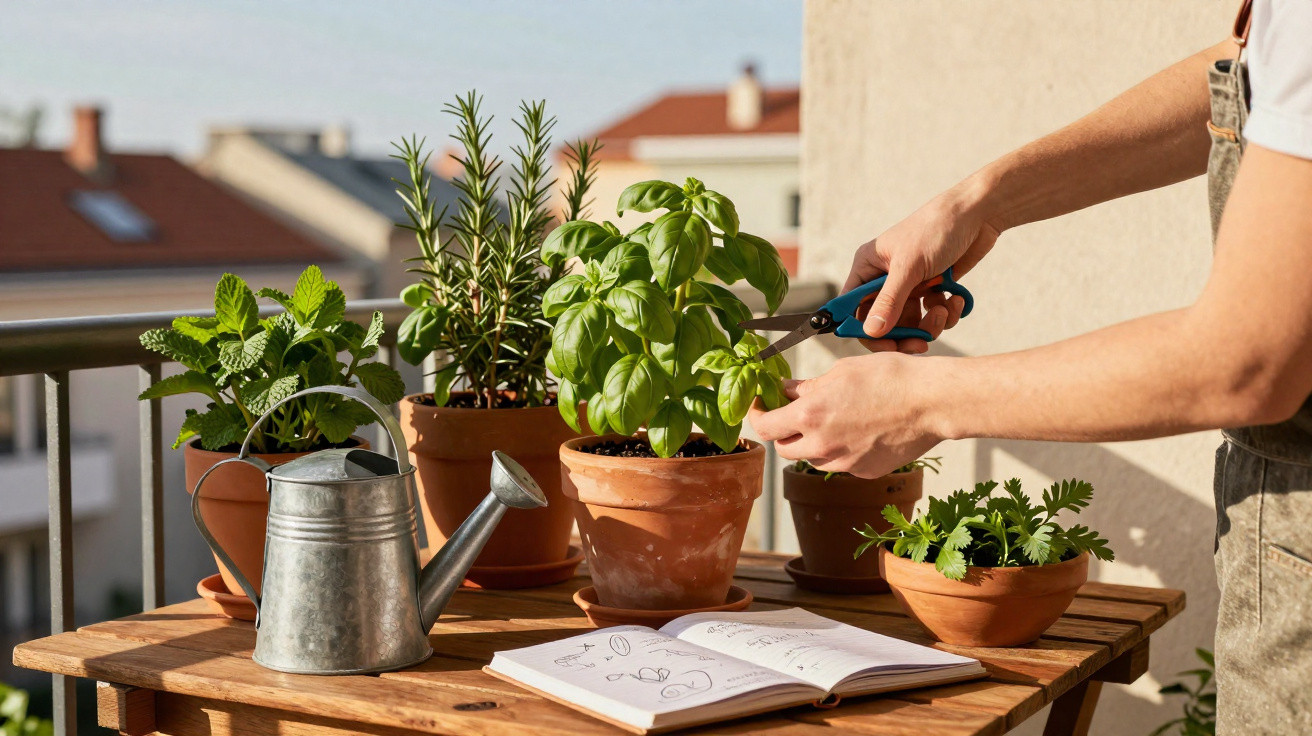
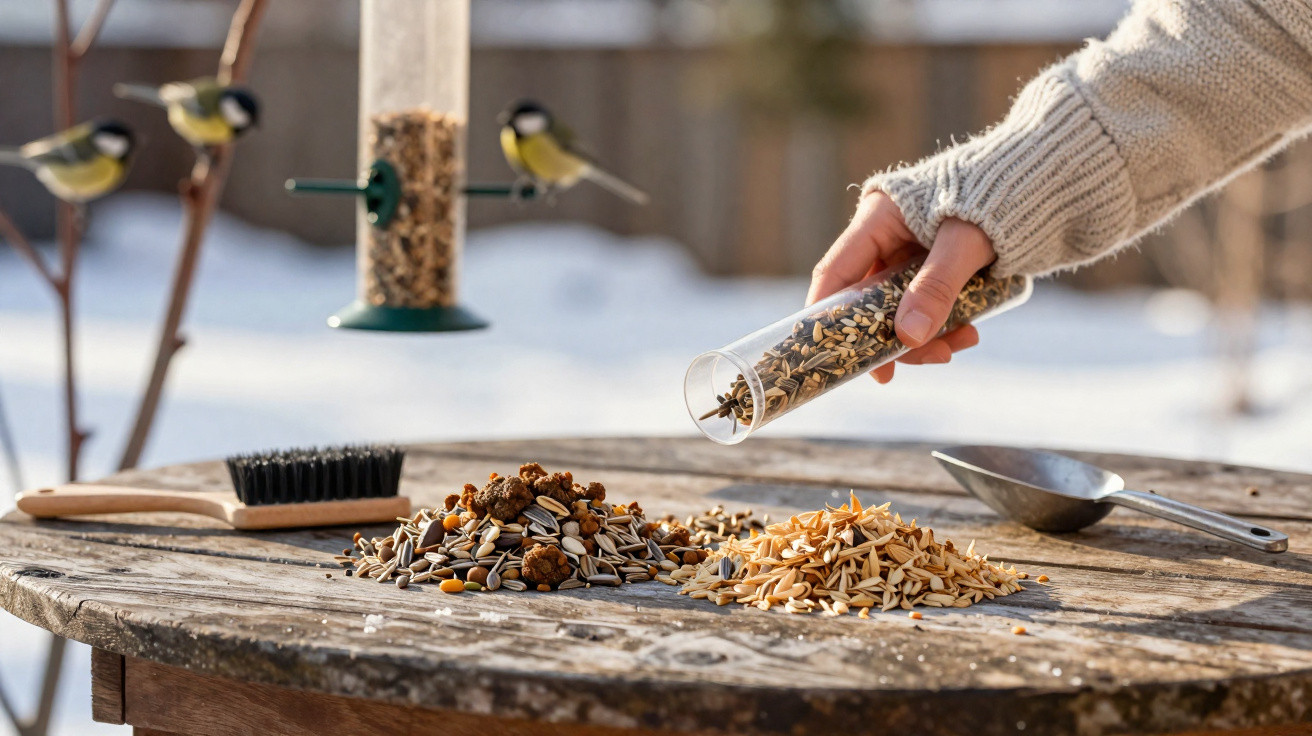
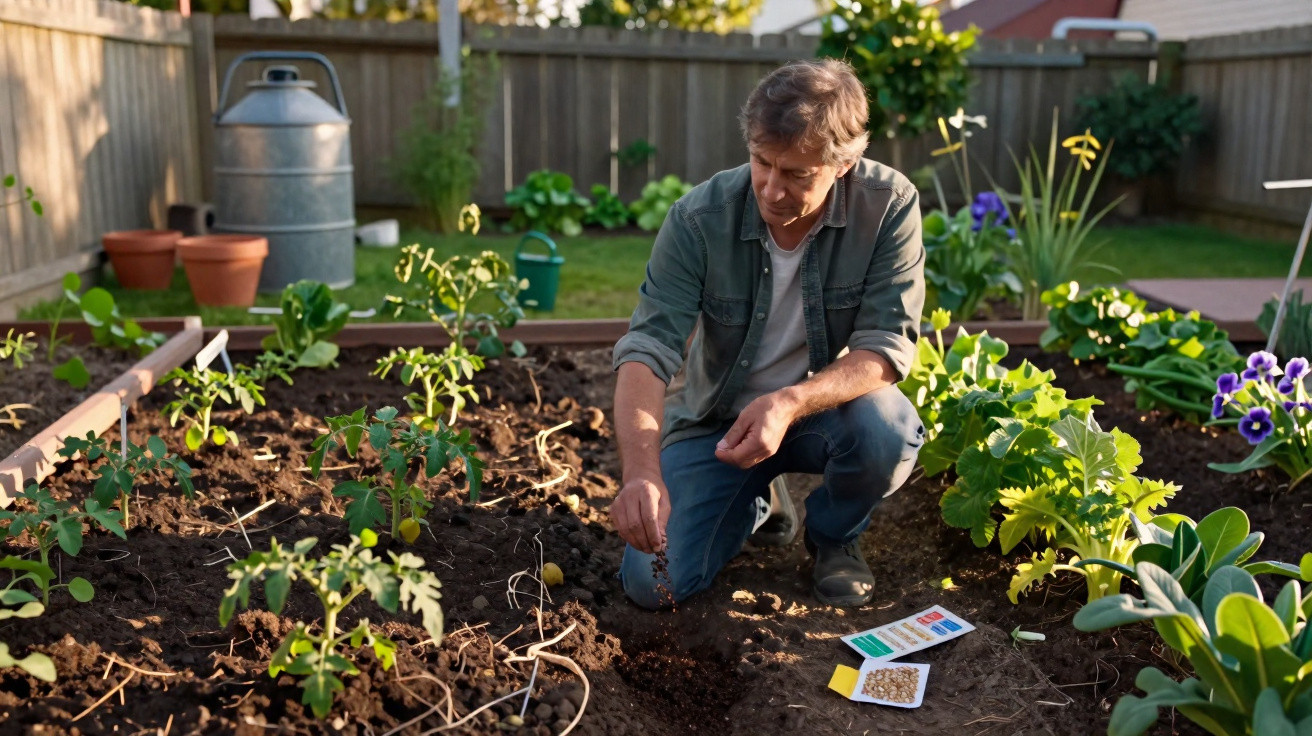
If you want to reinforce the ‘new beginning’ idea further, pair the planting with other spring projects: a small herb bed beside the shrub, a new bird feeder nearby, or a bench positioned to enjoy the view. That way, you create a spot that’s not only attractive, but consciously becomes a ‘future corner’ in your home.
Comments
No comments yet. Be the first to comment!
Leave a Comment