
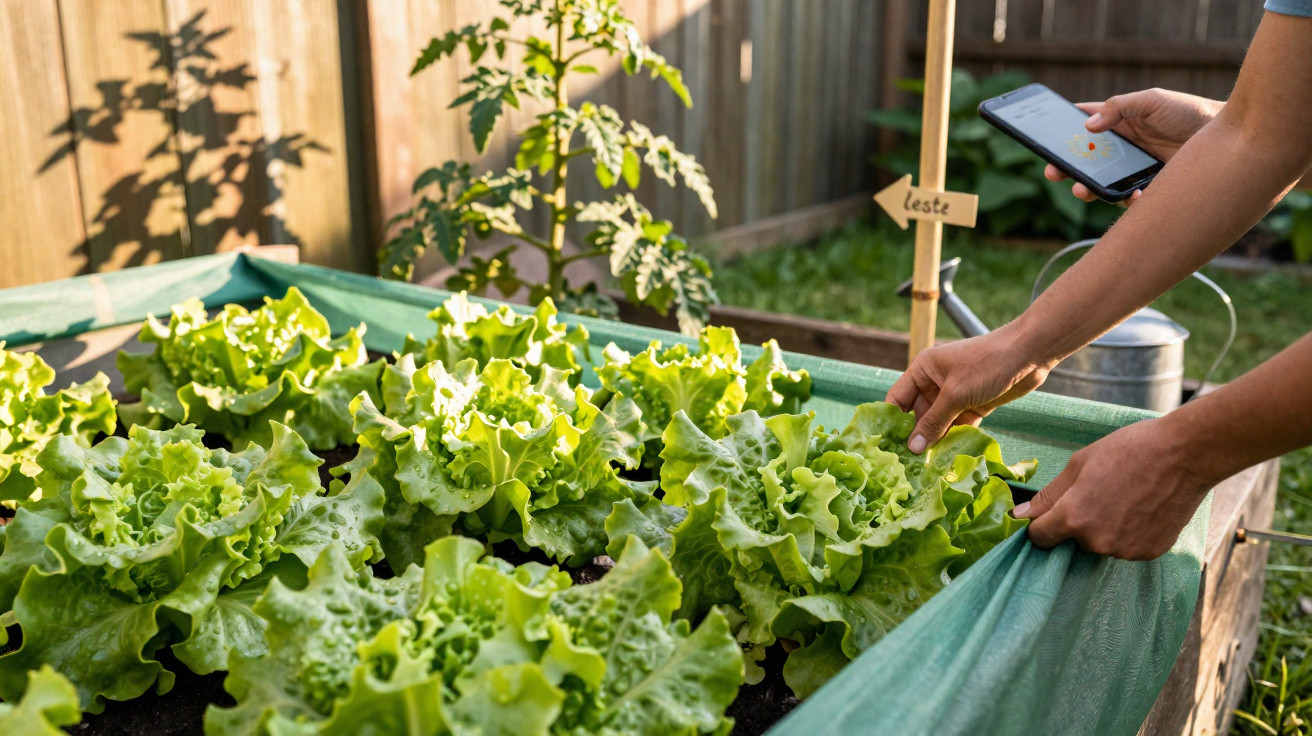
Many home gardeners grow Buttercrunch as they would any other leafy lettuce-then later wonder why the leaves turn bitter or the heads stay disappointingly small. The cause is rarely poor soil; far more often it is simply the wrong amount of light. Get the balance between sun, shade, and temperature right, and you can expect noticeably more flavourful heads.
How much sun Buttercrunch actually needs
Buttercrunch is a variety that enjoys good light levels but does not cope well with heat. A straightforward rule of thumb applies:
Four to six hours of direct sun per day puts Buttercrunch in its sweet spot-extra sun is only tolerable when temperatures stay cool.
That places Buttercrunch somewhere between shade-tolerant salad leaves and sun-hungry crops such as tomatoes. The most reliable position is one that offers:
- direct sun in the morning
- partial shade to full shade from midday onwards
- free-draining soil kept evenly moist
During cooler spells, Buttercrunch can take considerably more sunshine. As long as the thermometer stays in moderate territory, longer exposure is usually fine-and can even lead to stronger growth.
Sun needs by season: when different light levels make sense
The best mix of sun and shade shifts with the seasons. If you adjust for that, you can pull a better harvest from the same amount of bed space.
| Season | Daily sun duration | Best position | Temperature range |
|---|---|---|---|
| Spring (early) | 6–8 hours | Full sun is well tolerated | approx. 7–18 °C |
| Spring (late) | 5–6 hours | Morning sun is ideal | approx. 13–24 °C |
| Summer | 4–5 hours | Morning sun, shade in the afternoon | from about 24 °C |
| Autumn | 6–7 hours | Full sun is well tolerated | approx. 10–21 °C |
In other words, in a cool spring and through autumn, Buttercrunch can sit in the sun for longer without trouble. As temperatures climb towards midsummer, every hour of shade matters-especially through the midday heat.
How to spot the wrong light conditions
Plants “talk” through their leaves. If you pay attention, you can tell very early on whether the light level is working.
Common signs of too little light
- Long, thin stems: instead of forming compact rosettes, the plants stretch towards the light.
- Pale green or yellowing leaves: slowed photosynthesis leaves the lettuce looking weak.
- Sluggish growth: heads remain small and the yield per plant drops sharply.
- Greater risk of fungal disease: overly dense, “stretched” plants dry out more slowly, so moisture lingers.
With under four hours of direct sun a day, Buttercrunch suffers noticeably: less flavour, smaller heads, and a higher disease risk.
How Buttercrunch shows it has had too much sun
Too much light combined with heat also leaves clear clues:
- Scorched leaf edges: classic tip burn-brown, crisped tips, most visible on the outer leaves.
- Bolting too early: the plant pushes up a flower stalk sooner, and the head loosens.
- Bitter taste: heat stress makes leaves tougher and far more sharp-tasting.
- Midday wilting despite wet soil: leaves droop even though watering has been adequate.
If this pattern appears mainly on very sunny days, the root issue is usually not a lack of water but excessive direct sun.
The right spot in the garden: east-facing beats a south-facing balcony
A well-chosen site removes a lot of stress for the plants. When you are planning from scratch or moving containers, using the aspect deliberately makes a big difference.
East-facing sites: the quiet premium zone
Beds or containers facing east often land closest to ideal for Buttercrunch. The plants receive:
- gentle morning sun to kick-start photosynthesis
- increasing shade from midday onwards as heat builds
- steadier conditions, even during hot summers
In areas where summer temperatures regularly exceed 25 °C, an east-facing bed pays off for leafy salads.
North, south, west-what works, and when?
In cooler places with shorter summers, a south-facing position can also work well in spring and autumn. The plants capture as much light as possible while the sun is still mild; once high summer arrives, moving to partial shade becomes worthwhile.
West-facing spots can be awkward: the hottest afternoon sun often hits soil that has already warmed up. Buttercrunch only stays comfortable there long-term in very mild locations without extreme heat.
In summer, Buttercrunch rows on the north side of fences, walls, or tall perennials can do surprisingly well-there is plenty of light, but far less direct midday sun.
More flexibility in pots: controlling light by hand
If you grow in tubs or window boxes, you have a major advantage: you can change position at short notice.
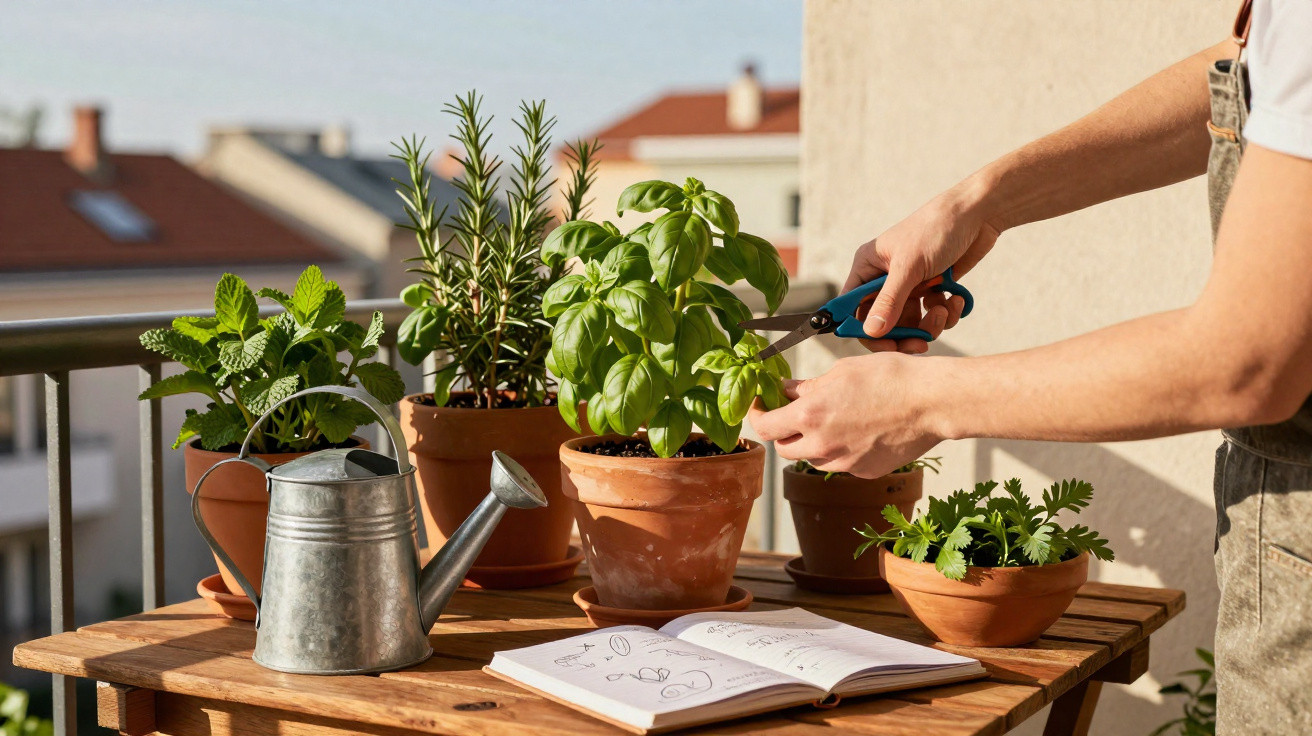
A practical everyday trick is to keep the box on a sunny patio in the morning, then shift it under a table or behind a railing around midday so the plants sit in shade. This helps heads stay tender even during a brief hot spell.
Movable containers are also useful for gardeners whose plots are heavily shaded by trees or buildings. You can place Buttercrunch exactly where a temporary patch of light appears-and roll it back later.
Regulating sun exposure with simple tricks
When the perfect site is not available, you can still correct a lot with a few aids.
Shade cloth: a parasol for lettuce
Purpose-made shading mesh that blocks 30 to 50 per cent of light reduces intensity without plunging beds into gloom. Most gardeners stretch it over a simple frame made from bamboo canes or PVC pipe.
The upside is that the mesh stays in place through the day, the plants receive diffuse light, and the soil warms more slowly. In many gardens, this one step prevents the dreaded bolting in July.
Tall neighbours as a natural screen
A proven companion-planting approach is to place Buttercrunch among taller crops that cast shade as the season progresses. Good options include:
- tomatoes on canes or along the edge of a greenhouse
- runner beans and peas on trellises
- rows of sweetcorn with wider spacing
- cucumbers trained up supports
The lettuce benefits from shifting shade created by taller plants, while in the early weeks-when its neighbours are still small-it still receives enough direct light.
Reflective and living mulches
Light-coloured mulches such as straw, or specialist reflective films, can help during cooler periods by bouncing more light into the lower leaves. At the same time, they keep the soil cooler and reduce how quickly it dries out.
Living ground covers, by contrast, soften temperature spikes. They keep the lettuce roots in a comfortable range even if air temperatures briefly surge. The payoff is consistently tender leaves.
Better quality through targeted light management
When you monitor sun hours, you will notice the difference by the first bite. Buttercrunch grown under the right light typically forms:
- loosely closed yet sturdy heads
- very tender, almost buttery inner leaves
- crisp outer leaves without tough ribs
- a mild, slightly sweet flavour without bitterness
Four to six hours of direct sun, plus moderate temperatures-in that zone, Buttercrunch can produce salad quality that easily competes with restaurant standards.
Harvest timing is another lever. If you cut in the morning, when plants are hydrated from the night and not yet stressed by daytime heat, the leaves are much crisper. They also keep longer in the fridge and stay more aromatic.
Practical examples for typical garden situations
Many home gardeners run into similar setups: a south-facing balcony with no tree cover, a small townhouse garden with a tall garage, or an allotment with a patchwork of light. Here are two brief scenarios showing how to keep Buttercrunch on track:
- Sweltering south-facing balcony: grow Buttercrunch only in spring and autumn, and switch to more heat-tolerant varieties in summer. Position boxes further back on the balcony, ideally behind a railing, and use a parasol for shade on very hot days.
- Small garden with a tall neighbouring building to the west: create beds on the east side and plant Buttercrunch in the front rows. For summer, put up lightweight shade mesh to take the edge off radiation from midday onwards.
Once you internalise adjustments like these, you can grow even more sensitive leafy lettuces without much fuss. Many common problems-from bitter leaves to limp, disease-prone plants-can be eased simply by managing the hours of direct sun.
Ultimately, paying attention to light and shade is not just worthwhile for Buttercrunch. The same basics-favour morning sun, soften midday heat, and read the leaves as an early-warning system-apply to most leafy vegetables. Used well, they keep your salad bowl filled throughout the season with crisp, flavourful leaves rather than disappointments.
Comments
No comments yet. Be the first to comment!
Leave a Comment