
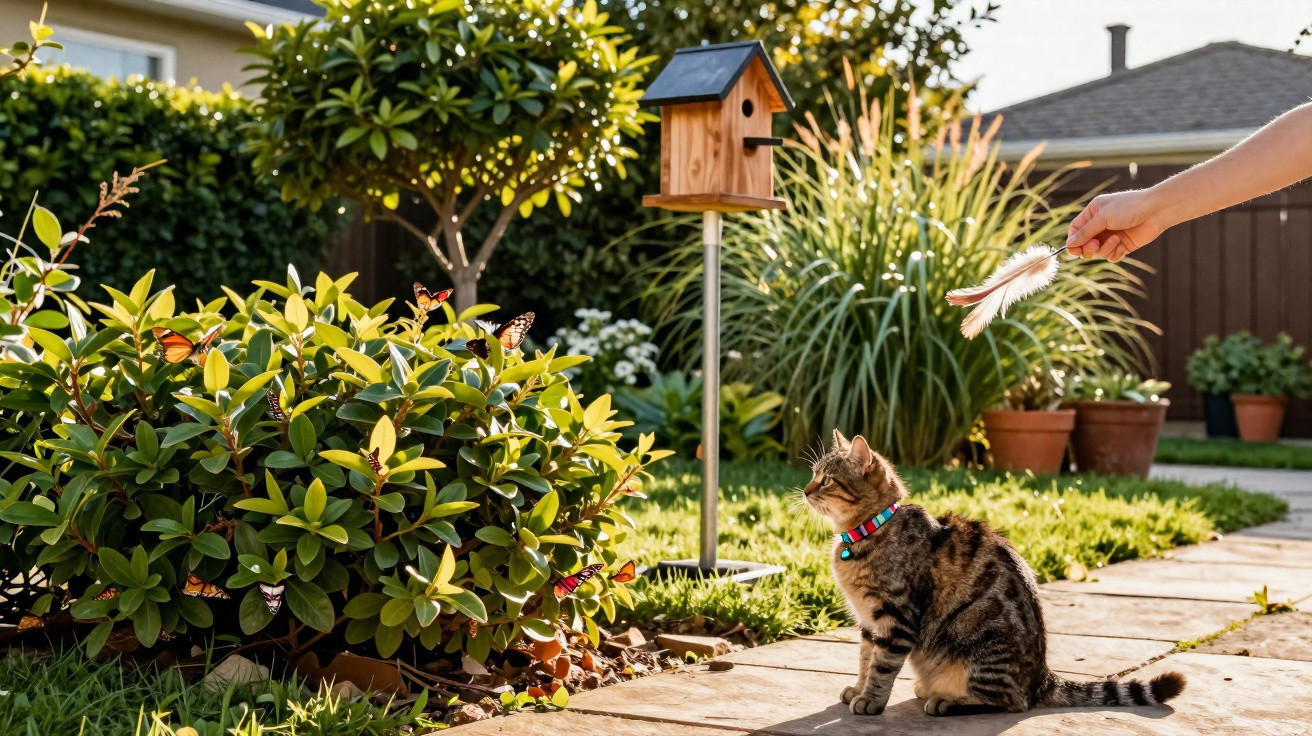
Spring brings the garden to life - and, all too often, it also wakes up the hunting drive of the family cat.
With a few smart tweaks, you can support both: enjoy an outdoor cat and still give tits, blackbirds and robins a fair chance.
Anyone who adores cats yet loves seeing garden birds knows the sinking feeling: a bird proudly carried home can ruin the whole spring mood. Most people don’t want to ban outdoor access entirely. That leaves the real question: how do you protect birds effectively without making your four-legged companion miserable?
Why gardens become a perfect hunting ground for cats
House cats may look well-fed, pampered and sometimes a bit lazy. Even so, their predatory instinct remains switched on. Some cats never bring anything back; others patrol their territory every day. The most sensitive period is March to July: many species are nesting, fledglings are still clumsy in shrubs or on the ground, and a cat can take advantage very easily.
A typical “neat and tidy” garden can make things worse. Closely mown lawns, leaf piles cleared away, perennials cut back hard - all of this removes cover and nesting material. Nests become easier for predators to spot, and young birds have few escape routes. What looks orderly to people can feel to a cat like an open shooting range.
"The tidier the garden, the easier it is for cats to track down nests and fledglings."
On top of that, many bird species nest low down in hedges, shrubs or even on the ground. Those are exactly the routes cats instinctively follow. Without dense planting and plenty of hiding places, the chances rise that a routine patrol ends in a “bird tragedy”.
Refuge 3-2-1: how to turn your garden into a safer zone for birds
The most reliable approach is to shape the garden intentionally as a refuge. A useful rule of thumb is “Refuge 3-2-1” - in simple terms: dense at the bottom, prickly in the middle, shading above. This layered structure blocks access and breaks up a cat’s lines of sight.
What the 3-2-1 principle means in practice
- Ground layer: Dense ground cover such as sedges (Carex) or hardy geraniums forms a continuous “carpet”. Fledglings can vanish into it, while cats struggle to move through it.
- Shrub layer: Thorny shrubs such as hawthorn, blackthorn (sloe), wild roses or barberry, as well as hazel, create a tough, tangled middle layer. Nests sit higher and are better protected.
- Tree layer: Small trees above the shrubs interrupt clear views from below. Cats are less likely to spot potential nest sites and may avoid some areas altogether.
A particularly effective tactic is to let one section of the garden grow undisturbed between 15 March and 31 July. It doesn’t have to become a wilderness; a clearly defined patch is enough - for example, a strip along the boundary or a corner behind the shed.
Five simple measures with a big impact
These steps can quickly create a genuine bird refuge:
- Leave at least 1 square metre of leaf litter under hedges and shrubs.
- Build a stack of logs and branches in a quiet corner and avoid constantly rearranging it.
- Before the first mow, keep a strip of grass long - especially along fences or walls.
- Leave dried, hollow perennial stems standing through winter and cut them back late.
- Cover bare beds with a thick layer of organic mulch, such as bark mulch or shredded prunings.
"Even a single wilder square metre can mean the difference between life and death for an entire bird family."
Many gardeners underestimate how quickly these changes pay off. If you don’t reset everything to “zero” in spring, you’ll usually hear far more birdsong from the bushes in summer - and see far fewer cats returning with prey.
Safe nest sites: how to stop nest boxes becoming a cat target
Nest boxes can be a quick win, but they can also backfire if they’re positioned without thought. Height, distance from climbing aids and the box design itself all matter.
The key rules for safer nest boxes
- Put nest boxes up at roughly 3 metres.
- Keep sufficient distance from horizontal branches, wall ledges or window sills.
- Ideally face the entrance east or south-east, so it doesn’t get too hot or too wet.
- Don’t fit a “decorative perch” or landing stick under the entrance hole - it invites predators.
- Keep the distance between the entrance hole and the floor of the box at around 15–20 centimetres, so a cat’s paw can’t reach the chicks.
A common mistake is placing feeders or nest boxes directly on hedges or garden walls. Cats use these edges as their preferred patrol routes. If you’re improving your set-up, choose clear sections of tree trunk or use freestanding posts instead.
"Never mount nest boxes where a cat can reach them with a single leap - hedge tops and garden walls are no-go zones."
Gentle deterrents: how to keep cats away from bird hotspots
Nobody wants to harm their own pet, yet sensitive areas still need a kind of “buffer zone”. Several gentle options can be combined effectively.
Timing and accessories to reduce hunting success
Cats do much of their hunting at dawn and dusk. If you limit outdoor access during those periods, you remove a large part of the riskiest hunting window. During the breeding season from March to July, a stricter routine is worthwhile: out later in the morning, back in earlier in the evening.
Visible warning signals can also help birds react sooner. Bright, patterned collars such as Birdbesafe make the cat more noticeable and give birds extra time to escape. Many owners report that the number of captured animals drops significantly, without the cat losing freedom of movement.
In addition, barriers and scents can be useful in particularly vulnerable spots:
- Tree trunk guards (mesh collars) to make climbing more difficult.
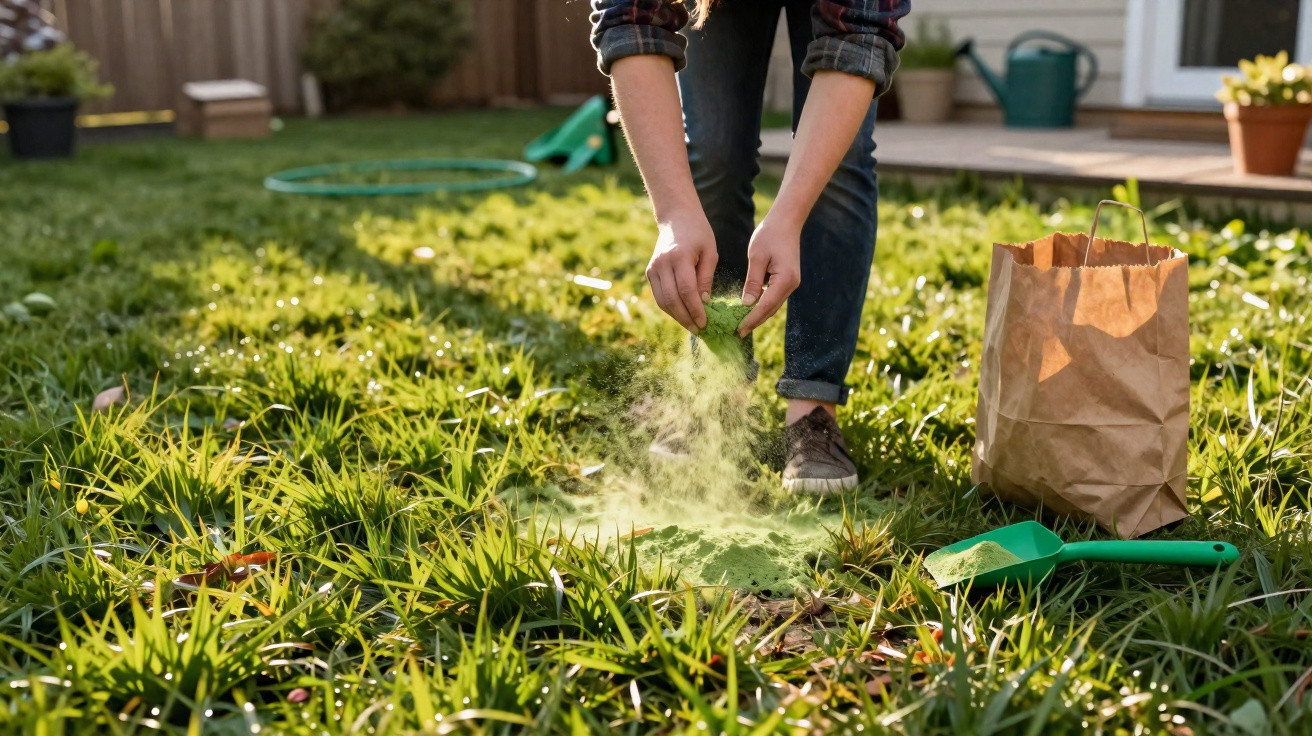
- Used coffee grounds along favourite sneak routes - many cats avoid the smell.
- Citrus peel placed at selected points, as many cats dislike the scent.
- Certain ornamental plants such as Coleus canina, which tend to deter cats.
Long-term responsibility for your pet cat
Having your cat neutered doesn’t just prevent uncontrolled breeding. Many cats roam less widely and less intensely afterwards, which naturally reduces hunting encounters. Keeping a cat mentally and physically busy indoors - scratching posts, games and food puzzles - can also take the edge off hunting drive.
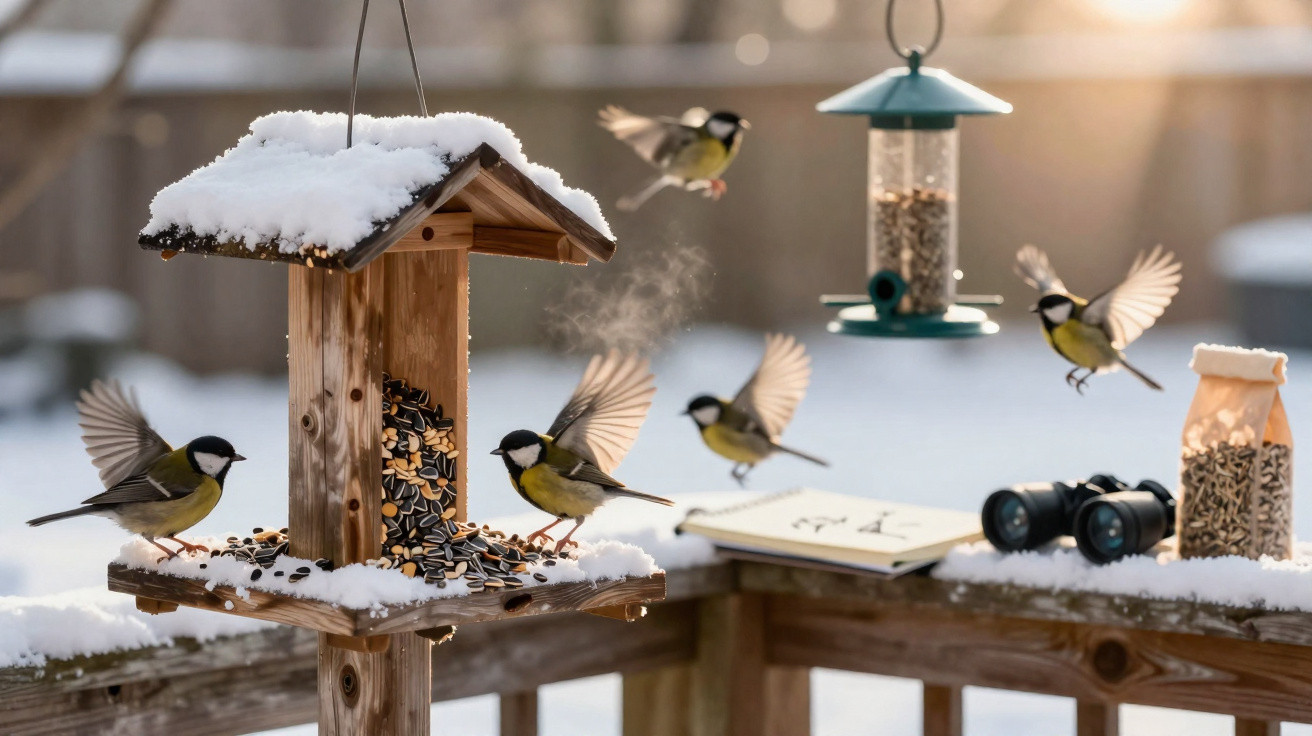
It’s also worth looking at your own routines. Feeding birds in the garden can draw them into exactly the corners where your cat prefers to ambush. Better options are raised feeding stations on smooth poles that cats find hard to climb.
How to get started step by step
With so many levers to pull, it’s easy to feel overwhelmed at first. But you don’t need to change everything at once. A practical way in is to focus on a “key tree” or a central hedge that gets the most traffic.
For instance, if you have an apple tree where birds nest every year, start there: protect the trunk, thin the canopy, position a nest box correctly, and add structure at ground level with ground cover and leaves. The impact is often noticeable after just one season.
"A single well-protected tree can become a safe nursery for several broods of birds."
From there, you can expand the approach gradually: another belt of shrubs here, a wilder corner there, an extra nest box in a safer spot. Protection grows over time - without having to completely overhaul the entire garden in one go.
Why small changes make a big difference
Birds react extremely sensitively to structure. Even a small leaf pile or a patch of long grass can become an escape point. Cats are just as responsive to changes in routine: if they repeatedly meet unpleasant smells, obstacles or dense thorns in critical areas, they gradually shift their routes.
With a bit of patience and a combination of measures, you often get a double benefit: your garden becomes livelier and more nature-friendly, and life with your pet feels more relaxed because distressing hunting scenes happen less often. That way, birdsong and cat cuddles can coexist - without a guilty feeling every time you hear wings flutter.




Comments
No comments yet. Be the first to comment!
Leave a Comment