
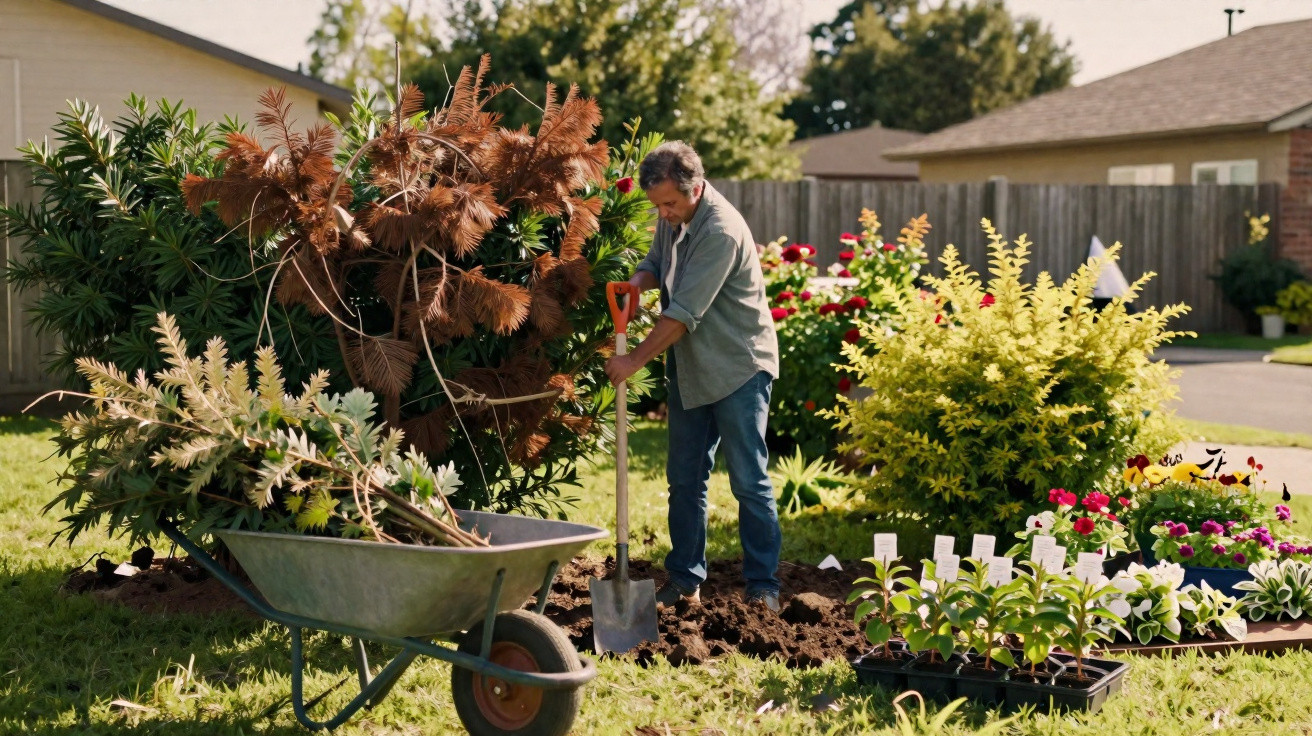
Walking through modern terraces or older housing estates, the signs are hard to miss: gaps in what used to be a dense evergreen screen, large rust-brown patches, and dead twiggy sections. The once go-to Thuja hedge-long regarded as the standard quick fix for fast privacy-is now under real pressure. Specialists in agronomy and landscape planning agree that this is more than a cosmetic issue; for homeowners it has become a genuine ecological and practical risk.
From garden dream to problem plant: how the Thuja became yesterday’s solution
In the 1980s and 1990s, Thuja was widely treated as a near-miracle option. It grows quickly, stays green all year, and takes clipping well-ideal for anyone who simply wanted peace and seclusion. In a short time it formed a thick green curtain and gave the impression of being low-maintenance.
But as summers become hotter and drier, the drawbacks are showing. Thuja has a very shallow root system. Rather than pushing deep into the soil, it spreads through the upper layers that dry out first. During drought periods, that means the hedge reaches its limits far sooner than many native shrubs.
“Measurements show that Thuja hedges can use up to around 60% more water than mixed hedges made up of native species-an extra-thirsty choice at exactly the wrong time.”
To keep a Thuja hedge in good condition through heatwaves, you have to water heavily. That drives consumption upwards-an obvious flashpoint in areas facing water shortages. On top of that, there is very little life in a dense wall of uniform evergreen sprays: hardly any food for insects, limited structure for birds, and almost no flowers or fruit. It may look lush, but ecologically it can be close to a desert.
Legal pressure: why local authorities no longer want classic Thuja rows
Many towns and councils are responding. In several areas, planning conditions and local rules are increasingly explicit: long, monotonous conifer hedges are being excluded from new-build developments or only permitted in a tightly limited form.
- Some local authorities ban new Thuja hedges altogether.
- Others cap the maximum length or area allowed.
- In certain places there is financial support for removing old conifer hedges.
Examples from France indicate the direction this could take in German-speaking regions too: some municipalities encourage the removal of old Thuja lines and contribute up to around half the costs of clearance and replanting, provided an species-rich hedge is planted in their place.
The message is straightforward: away from a sterile, dark-green “garden fence”, and towards mixed, living boundaries with flowers, fruit and shelter for wildlife.
Stress, beetles, total loss: what makes Thuja so vulnerable right now
Climate change hits Thuja hedges in two ways. First, soils dry out more often and more deeply. Then the plant becomes stressed and releases scents that attract pests. One of the most feared is a metallic-looking beetle whose larvae hide beneath the bark and destroy the wood from the inside.
The result is that the transport channels carrying water and nutrients are riddled and damaged. The plant effectively dries out from within, even if you water generously. The hedge turns brown, becomes brittle, and loses the density people planted it for.
“Specialist authorities class heavily infested Thuja plants as a write-off-there is practically no effective treatment against larvae inside the wood.”
Leaving a severely affected hedge in place can also create an unintended breeding reservoir for pests. The beetles can move on to neighbouring hedges and attack other conifers too, including some types of cypress. What happens in one garden therefore doesn’t stay private-it can spread into the surrounding area.
Spotting warning signs: when a Thuja hedge is genuinely beyond saving
Not every brown patch means the end. However, certain indicators strongly suggest that trimming back won’t solve it and that removal is the only sensible option:
| Warning sign | What it usually indicates |
|---|---|
| Brown areas spreading from the inside out | Points to deeper damage, not just scorching |
| Dry branches that stay completely brown | Dead sections with no active buds |
| Clear tunnels or cavities beneath the bark | Wood-boring larvae are active; the plant is badly compromised |
| No new growth on old, woody sections | Thuja rarely reshoots from old wood, so gaps remain permanently |
Another key issue is that Thuja does not cope well with hard renovation pruning. Once you cut back into old wood, it often fails to regenerate. Those areas can remain bare for good, so a radical “rescue cut” can quickly turn into a patchy, unattractive screen.
The right time to remove it - and when bird protection comes first
If you plan to remove a Thuja hedge, it shouldn’t be an impulse decision with a chainsaw. During the bird breeding season, many countries prohibit major cutting and clearance work, or restrict it heavily. Broadly speaking, this sensitive period runs from spring into mid-summer in much of Europe.
Before any major work, it is worth checking the relevant local nature protection rules. In many cases, the practical approach is to schedule large-scale removal for late autumn or winter, when nesting in the hedge is unlikely. If you are unsure, check for nests beforehand-and if in doubt, wait a month or two.
After removal: getting the soil ready again
Thuja leaves behind more than a visible gap; it can also leave tired, depleted ground. Over many years the shallow roots draw heavily on water and nutrients, and there is often a thick layer of needles and woody debris.
To give new planting the best chance to establish, these steps are typically helpful:
- Remove stumps and thick root sections as thoroughly as possible.
- Loosen the soil with a spade or cultivator and break up compacted layers.
- Work in mature compost or well-rotted farmyard manure.
- Allow a few weeks’ rest so soil life can recover.
If you replant straight away in the first year, keep a close eye on young shrubs during the first summers and water a little more frequently at the start, until they have formed stable roots of their own.
What to replace Thuja with? Hedge choices that suit the climate and biodiversity
Landscape planners now rarely recommend a single-species hedge line. Instead, they tend to advise mixed hedges-sometimes described as “country” hedges-made up of shrubs of varying height, often with flowers, berries and seasonal colour.
Popular shrubs for a more wildlife-friendly hedge
- Viburnum tinus (laurustinus) - evergreen, white flowers, tolerates trimming fairly well.
- Photinia - striking red new growth, later glossy green; very ornamental.
- Privet - semi-evergreen, extremely tough; works for both formal and looser hedges.
- Hornbeam - often holds onto dry leaves until spring, so it still screens in winter.
- Hazel - flowers early and provides nuts for squirrels and birds.
- Dogwood - depending on the variety, red or yellow stems add winter colour.
- Hawthorn - thorny, excellent nesting habitat for birds, rich in blossom and fruit.
- Ornamental grasses such as Miscanthus - add movement and structure, especially in autumn and winter.
Compared with Thuja monocultures, these hedges typically need much less water, offer food and cover for many species, and help soil retain moisture. Measurements show that mixed, dense hedges can keep the ground moist for up to around one third longer during heat than a rigid conifer wall.
Practical tips for switching: keep privacy while improving the garden
Many homeowners hesitate because they worry that once the Thuja comes out they will feel exposed. With a sensible plan, that can be avoided:
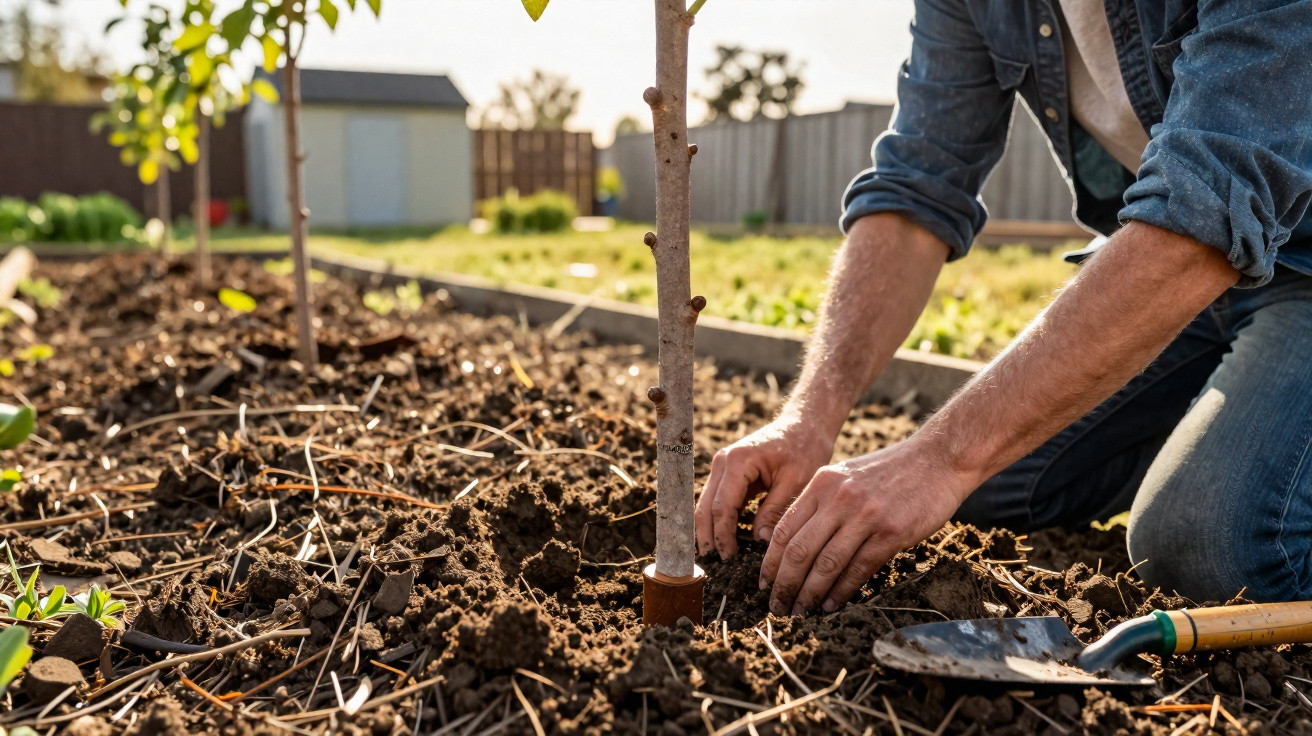
- In the most sensitive spots, plant the new shrubs first, then remove the old Thuja the following autumn.
- Use faster-growing species (for example privet, hornbeam, and some photinia) to build basic height quickly.
- Combine planting with a light fence that can be greened up, providing extra screening during the transition.
- Plant in layers: low shrubs at the front, medium-height shrubs behind, and a few taller plants at the back.
This creates a stepped edge rather than a sterile “green armour”, and it can make the garden feel larger. At the same time, insects, birds and other wildlife benefit from blossom, berries and nesting opportunities.
Why saying goodbye to Thuja is worth the effort
Removing an old hedge obviously takes effort, time or money-especially where there are thick trunks and long runs. Even so, the change tends to pay off over the long term: water demand falls, the risk of sudden total failure reduces, and the garden becomes more lively.
Many people who have already made the switch describe noticeable changes after a year or two: more birds, more butterflies, and less of a “heat trap” feeling along the boundary. If lifting the whole hedge in one go feels daunting, starting with a shorter section can be a practical way to build confidence and replace the rest step by step.
It can also change how children experience the garden. Instead of an anonymous, silent wall, there are shrubs with flowers to watch, berries to gather, and seasonal changes that are easy to see. The old green curtain had its moment-what comes next are hedges that do far more than simply block the view.
Comments
No comments yet. Be the first to comment!
Leave a Comment