
It first jumped out at me on a Tuesday morning - the sort of day when your coffee somehow tastes faintly of regret.
I wandered past my little windowsill jungle and grimaced. The basil was pouting, the pothos looked uninterested, and my once-magnificent monstera had the energy of a Monday Zoom call.
I’d already cycled through the standard fixes. Fresh fertiliser. Prettier pots. Even that pricey “plant food” in the adorable glass bottle that promised wonders and delivered… slightly greener let-down.
Then I began doing one small thing, almost by chance.
I didn’t purchase anything. I didn’t swap the compost. I didn’t install an app.
Yet within three weeks, my plants looked as if they’d quietly joined a gym.
The strangest bit? You probably pour this boost away every single day.
The free fertiliser hiding in your kitchen
In nearly every home, the same tiny routine plays out.
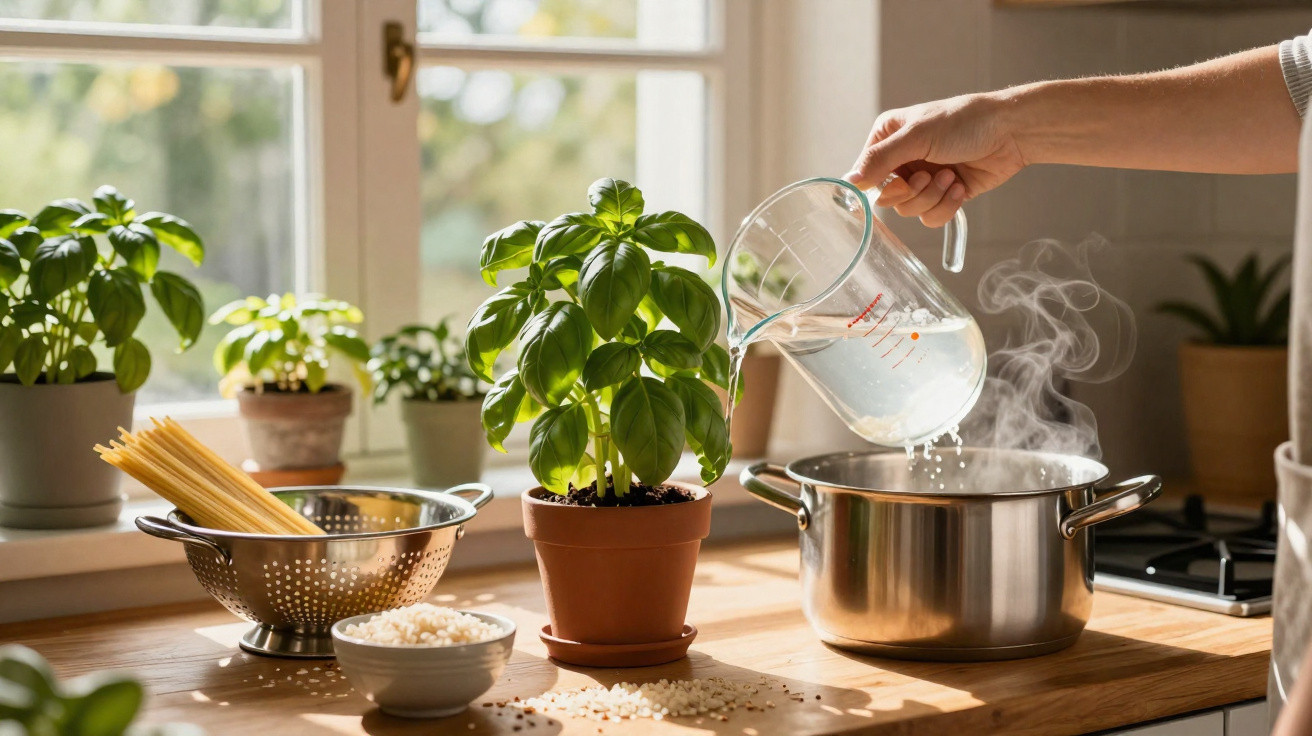
Someone boils pasta, tips the pot into a colander over the sink, and that cloudy, warmish water disappears straight into the plumbing.
That water is liquid gold.
Rice water. Pasta water. Even the water left from rinsing lentils or oats.
All of it carries natural starch, plus faint traces of minerals that houseplants discreetly thrive on.
There’s nothing mystical happening here - it’s simply reusing what you already have.
Day after day, you’re literally tipping free plant food down the drain.
Imagine a small balcony in a city where the air always feels a bit exhausted. A few plants that have been half forgotten: one basil plant barely hanging on, a spider plant plodding along and trying its best.
A friend of mine - a skint student - started saving the water after cooking rice.
She let it cool, watered it down a little, and used it on her plants once a week. She didn’t announce it or make a project of it; she just hated waste.
A month later, people kept asking what fertiliser she’d bought.
They assumed she’d found some high-end gardening brand. She just shrugged and gestured at her rice cooker.
Honestly, that’s about the right level of “effort” most of us can manage at the end of a long day.
So why does it help so much?
When you rinse rice or boil pasta, a small amount of nutrients leaches into the water. You end up with starch, a little phosphorus, a touch of magnesium, and even traces of nitrogen depending on what you cooked.
Plants don’t need much. Their roots take in these tiny amounts over time, and the starch supports beneficial microbes in the soil. Better microbes help roots. Stronger roots support healthier leaves.
Let’s be realistic: almost nobody sticks to strict fertiliser timetables every single day.
This one is steady, mild, and fits in without demanding reminders or yet another habit app.
How to “feed” your plants with cooking water
Here’s the straightforward approach, step by step - no special kit required.
Cook rice, pasta, lentils, or oats as you normally would, but don’t add salt.
When you’re done, save the water and allow it to cool to room temperature - hot water can shock roots.
Strain out any bits of food.
Then dilute it: about one part cooking water to three parts plain water for houseplants.
Use this mixture to water your plants once every 1–2 weeks.
Treat it like a light snack rather than a banquet - they won’t need more than that.
Where people usually go wrong is salt and overdoing it.
If your pasta water has already been salted, don’t use it. Salt dries roots out and, over time, can poison the soil. Write that batch off.
Also steer clear of water containing oil, spices, or sauce residue.
Your plants aren’t looking for garlic-scented sludge. Stick to clean, starchy water from boiling or rinsing.
And take it slowly.
If you’re dealing with a small plant or one that’s a bit delicate, begin with a more diluted mix and watch how the compost responds over a few weeks. The goal isn’t instant rainforest - it’s quiet, consistent growth.
Once you start doing it, you may wonder why it isn’t mentioned more often.
Perhaps it’s too simple - too everyday to feel like “proper advice”.
“People think caring for plants is about buying the right product,” a small urban gardener told me once. “Most of the time, it’s about noticing what you’re already wasting.”
- Use unsalted water only – Salt builds up in soil and stresses the roots.
- Always let the water cool – Warm water can damage delicate root hairs.
- Start with once every two weeks – Then adjust if your plants respond well.
- Skip any water with oil or sauce – That invites mould and bad smells.
- Combine with normal watering – This is a bonus, not a total replacement.
The quiet pleasure of feeding plants with “waste”
There’s a small, almost private satisfaction in this little habit.
You drain a pot, let the cloudy water cool in a bowl, and instead of treating it as rubbish, you carry it over to something living.
It slows you down for about ten seconds.
You notice the peace lily’s compost is looking slightly dry. You spot the philodendron’s new leaf half unfurled, stretching like someone waking up.
You begin to see the calm connection between kitchen and living room - between what you cook and what grows by your window.
It becomes a gentle domestic loop that feels unexpectedly grounding.
| Key point | Detail | Value for the reader |
|---|---|---|
| Use cooking water | Rice, pasta, lentil or oat water, unsalted and cooled | Free, easy nutrient boost without new products |
| Go gentle | Dilute 1:3 and apply every 1–2 weeks | Reduces risk of overfeeding or stressing plants |
| Avoid contaminants | No oil, sauce, strong spices, or salty water | Keeps soil healthy, avoids mould and root issues |
FAQ:
- Question 1 Can I use salted pasta water on my plants? Not recommended. Salt accumulates in the soil and can burn roots over time, especially in pots where nothing drains away except water.
- Question 2 How often should I water with cooking water? About once every 1–2 weeks is enough. Use plain water for your regular watering, and treat the starchy water as an occasional supplement.
- Question 3 Which plants like this the most? Most leafy houseplants respond well: pothos, philodendron, spider plants, peace lilies, herbs like basil or mint. Very sensitive or desert plants (like some cacti) should get it more rarely and very diluted.
- Question 4 Can I store the cooking water for later use? Yes, for a short time. Keep it in a closed jar in the fridge for up to 2–3 days, then dilute before use. After that, it can start to smell or ferment.
- Question 5 Do I still need regular fertiliser? For heavy feeders or big plants, occasional conventional fertiliser can still help. The cooking water is a gentle, ongoing support, not a complete replacement for every plant in every situation.

Comments
No comments yet. Be the first to comment!
Leave a Comment