
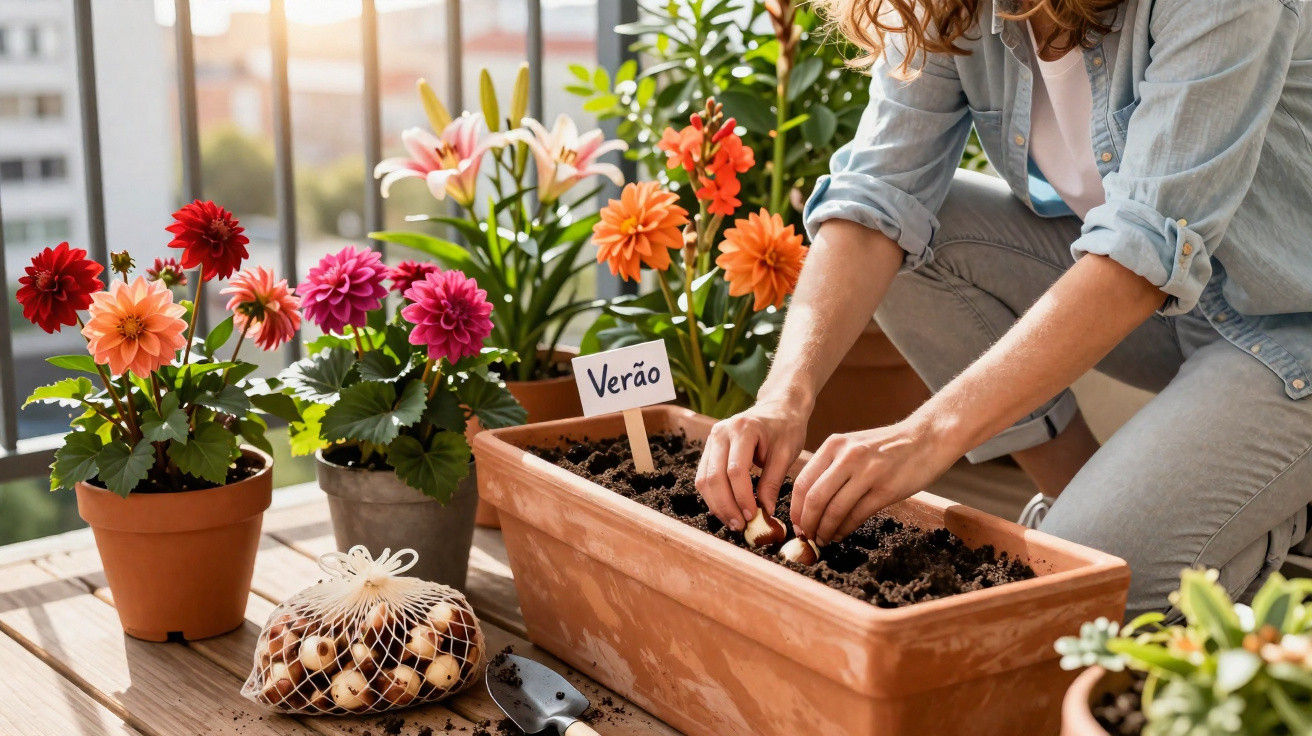
After winter, even the most lovingly tended garden can look bare, and a balcony can feel dull and grey. In spring, choosing flower bulbs and tubers wisely lets you create an explosion of colour, fragrance and shape within weeks - without starting from scratch every year. What matters most is picking the right plants and matching them to the right spot.
Why planting flower bulbs now transforms your summer
When people think of flower bulbs, tulips and daffodils usually come to mind. Those go in during autumn and flower in spring. For a show-stopping summer display, though, you need different contenders: perennial summer-flowering plants grown from bulbs, tubers or rhizomes that you plant from February through to the end of May at the latest.
"If you plant your summer bulbs by the end of May, you’ll enjoy weeks of flowers - often for several years."
The idea is simple: these plants store their energy underground. That storage organ helps them sit out poor conditions and then surge into growth in summer. Many of the bulbs and tubers sold in shops have already had their cold period while in storage. All you have to do is wait for nights to be frost-free, plant them - and they’ll flower in the same year.
Basic rules: how to plant summer bloomers correctly
Whether you’re dealing with a bulb, a tuber or a rhizome, the essentials are much the same and easy to remember:
- Check the position: Most types prefer free-draining soil that doesn’t become waterlogged in winter.
- Get the orientation right: The pointed end or visible buds should face upwards.
- Leave enough space: Plant a little more openly so nothing rots.
- Water in well: Give a thorough initial watering so soil and plant make good contact.
- Always add drainage in pots: A layer of gravel, clay pebbles or broken pot shards at the bottom helps prevent standing water.
In milder areas, many tubers can stay in the ground. Where winters are harsher, lift the more tender varieties in autumn, store them dry and frost-free, then replant the following spring.
The 10 most important summer bulbs for balcony and garden
1. Amaryllis for exotic flowers in borders
Amaryllis - better known as a houseplant (botanically Hippeastrum) - can spend summer outdoors too. It does best in a warm, sunny place with well-draining soil. In a pot, it looks particularly striking if you plant several bulbs close together. After flowering it needs a rest period, but the bulb can remain vigorous for many years.
2. Anemones as delicate carpets of bloom
Anemones add lightness to a planting scheme. Their fine stems and simple flowers suit rock gardens, edging, or spots beneath airy shrubs. Planted in groups, they create real clouds of flowers. They prefer slightly humus-rich soil that doesn’t dry out too much.
3. Tuberous begonias for shady corners
Tuberous begonias are an ideal answer for north-facing balconies and darker parts of the garden. They bloom for months, even where other flowers give up. Trailing forms work well in hanging baskets, while upright varieties suit window boxes and containers. The tubers overwinter frost-free and can get going again next year.
4. Caladiums for spectacular foliage
Anyone who thinks only flowers create drama hasn’t met caladiums yet. Their large, brightly patterned leaves bring a jungle feel to shaded patios. The tubers like warmth and are often started off indoors or in a conservatory before moving to a balcony or sheltered garden corners for summer.
5. Cannas for a true holiday vibe
With their big leaves and vivid flowers, cannas look like they belong beside a hotel pool in southern Europe. They need full sun, plenty of water and nutrient-rich soil. Over the summer they grow into impressive focal points and are ideal as screening plants in large containers.
6. Crocosmias as fiery splashes of colour
Crocosmias - often in orange and red shades - bring movement to borders. Their arching flower spikes sway in the wind and fit beautifully among grasses or at the edge of perennial plantings. In regions with mild winters, the corms can stay in the ground; a layer of foliage as protection helps against frost.
7. Dahlias - the unrivalled stars of late summer
Dahlias are a classic feature of cottage gardens. They come in every size from tiny to huge, and in styles from simple to lavish. If you plant fresh tubers every two weeks, you can noticeably extend the flowering season. In colder areas, lift the tubers in autumn and store them at 1 to 7 °C, for example in a cellar.
8. Gladioli for striking cut flowers
Gladioli grow on tall, straight stems and are excellent for big bouquets. To avoid all the blooms opening at once, plant the corms at intervals of one to two weeks. A sunny spot and a little support in windy weather are enough to produce impressive flower spikes.
9. Lilies as elegant providers of fragrance
Lilies are among the longest-lived bulb plants. Once established, they can remain in the same place for many years. Some varieties are strongly scented, making them perfect near patio edges or close to seating. They like soil that stays fresh but drains well, and they also cope with partial shade.
10. Tuberoses for perfumed summer evenings
Tuberoses are less showy in the border than dahlias or cannas, but their great strength is scent. Planted near seating or paths, they release a rich aroma on warm evenings. The tubers are sensitive to frost and should be brought indoors again in autumn.
Which position suits which plant?
| Plant | Light requirements | Best use |
|---|---|---|
| Cannas, Dahlias, Crocosmias, Gladioli, Lilies, Tuberoses | Full sun to light sun | Borders, large containers, sunny balconies |
| Tuberous begonias, Caladiums, Anemones | Partial shade to shade | North-facing balconies, under shrubs/trees, shady corners |
| Amaryllis (Hippeastrum) | Bright, warm position | Patio, sheltered borders, large pots |
For sun-soaked spots, taller, more dramatic species are a natural fit. Combined together, they quickly create a mini-jungle of colour that draws bees and butterflies. The same approach works on a balcony too - the key is large enough pots and consistent watering.
In shaded areas, begonias, caladiums and anemones add brightness without you having to water constantly. Pale flowers and colourful leaves stand out especially well against a darker backdrop and give the garden a greater sense of depth.
How to overwinter your tubers for many years
In places with mild winters, tougher plants such as some crocosmias and lilies can stay in the ground if they’re covered with a protective layer of leaves or mulch. More tender plants - including dahlias, cannas, tuberous begonias, caladiums and tuberoses - should be lifted in autumn once the foliage yellows.
Let the tubers dry for a few days somewhere airy and shaded. Then brush off loose soil, label them, and store them in boxes with a little dry soil, sand or sawdust. A cool, frost-free room is sufficient. For many hobby gardeners, that means they can skip buying new ones next spring.
Practical tips for more flowers with less effort
- Remove spent blooms: Regular deadheading helps the plant conserve energy.
- Feed moderately: An organic fertiliser in spring is often entirely sufficient.
- Don’t plant too deep: Usually, a planting depth of two to three times the bulb’s height is enough.
- Try mixed planting: Perennials, grasses and summer bulbs complement each other extremely well.
- Adjust your watering: Container plants dry out faster than borders, especially on balconies.
If you’re new to this, it’s easiest to start with a few pots on the balcony. Three dahlia tubers, one pot of tuberous begonias and a fragrant lily are enough to create a completely different feel. Once you’ve caught the bug, you can redesign beds in the garden next year and expand your favourites.
Many terms used for these plants can sound technical at first: tuber, rhizome, corm, bulb. In everyday terms, it simply means the plant has a storage organ. It holds water and nutrients, which makes it tougher than many annual summer flowers from the garden-centre shelf.
Another bonus: these plants make experimenting easy. If you realise gladioli look too formal in a border, move them next year into a cut-flower patch. If lilies don’t suit a container, relocate them into a perennial bed. So the investment pays off more than once, because the plants can be shifted to new places.


Comments
No comments yet. Be the first to comment!
Leave a Comment