
That doesn’t have to be the case.
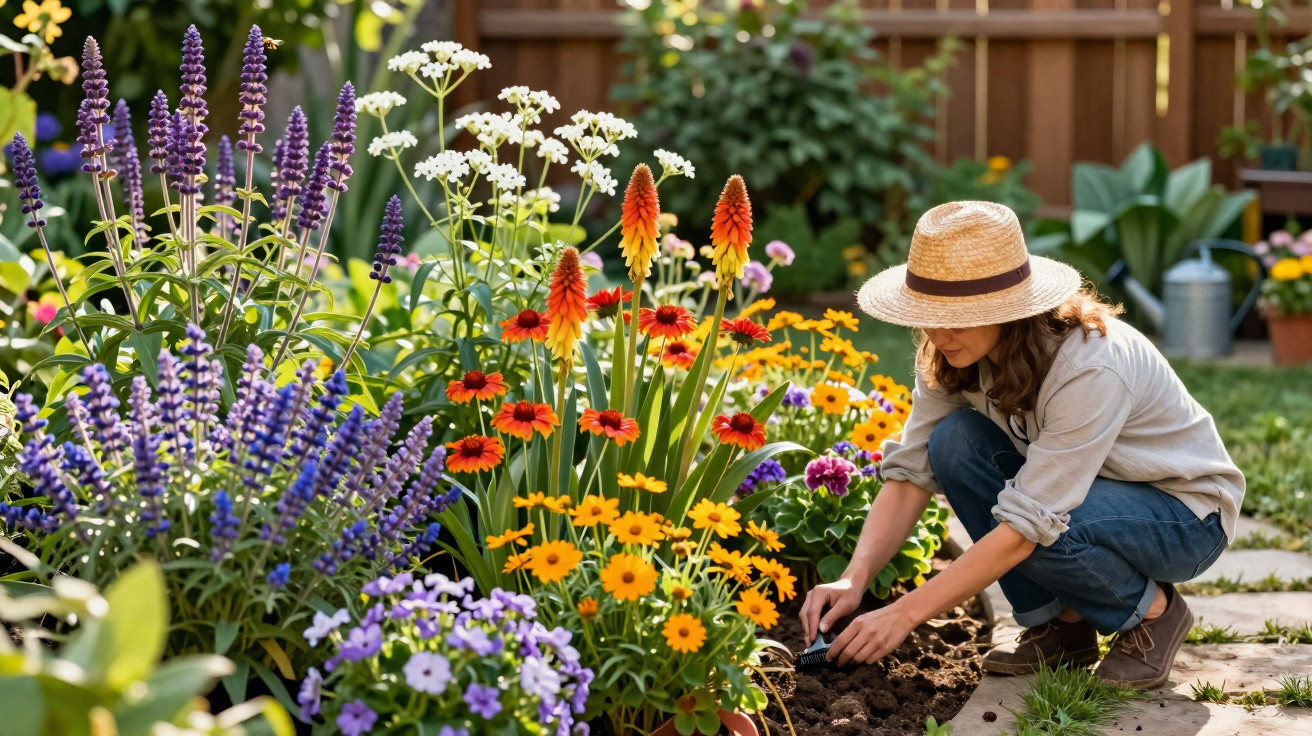
With carefully chosen perennials that grow particularly quickly, even a bare patch of soil can turn into a lush, flower-packed border in no time. Some of these long-flowering plants get going from year one, seem to attract bees and butterflies effortlessly, and still keep the workload surprisingly low.
Why fast-growing perennials are genuine problem-solvers in the garden
Perennials return on their own every year, so you don’t have to keep replanting. That saves money, time and a fair bit of frustration. Many gardeners know the snag, though: in spring there’s often a lot of exposed soil, and traditional perennials can take two to three years to properly settle in. During that gap, weeds move in-and the bed looks more bleak than beautiful.
"If you choose fast-growing perennials, you cut that waiting time dramatically-and deny weeds the space they need."
Many of these turbo growers are also excellent sources of nectar and pollen. They form dense clumps, shade the soil surface and help prevent the sun from drying the ground out too quickly. In other words, you get three benefits at once: fewer weeds, more flowers, and far more life in the garden.
Essential basics: position, soil and water
Most fast-growing perennials do best in free-draining soil. Waterlogging slows them down-especially in winter, when roots can rot easily. Before planting, it pays to loosen the ground thoroughly, remove perennial weeds and work in some well-rotted compost.
Light levels matter just as much. As a rule of thumb, a full-sun spot means at least six hours of direct sunshine per day. Partial shade is roughly half of that. Put sun-loving perennials into shade and you’ll usually end up with weak growth and sparse flowering-then wonder why “fast-growing” isn’t happening.
- Loosen the soil and clear it of weeds
- Work in compost or well-rotted farmyard manure
- Choose the site specifically for sun/partial shade
- Water regularly in the first season, then reduce
- Add a mulch layer to help retain moisture
In the planting year, even tough perennials need dependable watering. Once their roots have driven deeper, many species cope well with heat and dry spells-such as Agastache, catmint, Gaillardia and many tickseeds.
10 perennials that fill beds in record time
1. Agastache – a fragrant perennial working overtime for bees
In summer, Agastache produces colourful flower spikes almost nonstop, typically in violet, pink or orange tones. It grows in a neat upright shape, quickly forms strong clumps, and carries a light scent reminiscent of aniseed or mint. Bees, bumblebees and butterflies queue up for its candle-like blooms.
It suits sunny sites that are dry to fresh, as long as excess water can drain away. Cutting it back after the main flush often encourages a second, smaller wave of flowers.
2. Catmint (Nepeta) – a blue-violet carpet of flowers
Catmint takes off as soon as temperatures rise. In a short time it builds broad, low cushions that turn into a haze of blue-violet flowers. It copes with plenty of sun, drought and even poor soil.
After the first flush, cut the plants back hard. A second round of flowering often follows within the same year. It’s ideal for edging borders, lining paths, or planting in front of roses.
3. Tickseed (Coreopsis) – a yellow cloud of blooms into autumn
Tickseeds grow quickly, usually stay compact, and flower in yellow and orange shades-some varieties are bicoloured. The plants look like little suns and keep borders glowing for months.
If you deadhead regularly, they’ll keep their floral display going right into autumn. They prefer full sun and cope remarkably well with sandy or stony ground.
4. Blanket flower (Gaillardia) – a heat-lover in red and orange
Gaillardias produce red-and-yellow flower heads that resemble small flames. They quickly develop into dense clumps and tolerate heat, wind and drought better than many other species.
They’re perfect for very sunny, fairly dry borders, gravel gardens, or front gardens by the pavement. In harsher areas, a light winter cover of leaves can be worthwhile.
5. Gaura (Gaura lindheimeri) – airy clouds of floating flowers
Gaura forms loose, shrubby clumps with fine stems, each carrying countless small white or pink blooms that seem to hover. From a distance, the plant can look almost like a swarm of butterflies.
It grows fast, loves warmth, handles dry conditions well, and fits beautifully into naturalistic perennial plantings. In colder regions, a slightly thicker mulch helps protect the roots.
6. Red hot poker (Kniphofia) – exotic bursts of colour
Red hot pokers produce strong, upright flower spikes in summer that really do resemble burning torches. Colours range from yellow through orange to red. They look exotic, yet are often more reliable than their appearance suggests.
They prefer sunny, sheltered spots with free-draining soil. When conditions suit them, they quickly build into lush clumps that become a focal point in the border.
7. Hardy geraniums – ground cover and gap-fillers
Many hardy geraniums stay low and spread readily. They knit together bare patches, suppress weeds, and cover themselves in pink, blue or white flowers in late spring and early summer.
"Hardy geraniums are ideal partners under roses, shrubs or along border edges, where they form closed carpets in a short time."
Some varieties also develop attractive autumn leaf colour, which makes them even more useful.
8. Perennial sage (Salvia) – violet flower spikes on repeat
Perennial salvias send up upright spikes packed with flowers in violet, blue or pink shades. They start in May, and with a confident cut-back after the first flush, salvia often flowers again.
It likes sun but also manages in light partial shade. The soil should be on the dry-to-fresh side and well drained. Paired with catmint or tickseed, the flower spikes look especially striking.
9. Daylily – a new bloom every day
Daylilies quickly form sturdy, tufted clumps with long, grass-like leaves. Each flower lasts only one day, but new buds keep opening continuously, so the plant stays attractive for weeks.
Colours range from yellow and orange through red to near-violet tones. Daylilies grow well in sun or partial shade and also tolerate heavier soils, provided they’re not left standing in water.
10. Bee balm (Monarda) – bold colour and a magnet for pollinators
Monardas, often referred to as Indian nettle, have distinctive, “shaggy” flower heads in red, pink or violet. They spread via underground runners and colonise open ground fairly quickly.
They prefer nutrient-rich, slightly moist soil and positions from sunny to partially shaded. Where they’re happy, they draw in bees, bumblebees and butterflies in large numbers.
How to plan whole beds cleverly with turbo perennials
For a border that looks not only fast to fill but also balanced, it helps to build in a simple structure. Larger, taller perennials such as red hot poker, Monarda or taller Agastache belong towards the back. Medium-height choices like tickseed, Gaillardia and perennial salvia work best through the middle. Ground cover plants such as hardy geraniums or low catmint should run along the front edge.
| Height | Suitable perennials | Typical position |
|---|---|---|
| tall | Red hot poker, Monarda, taller Agastache | back of the border |
| medium | Tickseed, Gaillardia, perennial salvia, gaura | middle of the border |
| low | Catmint, hardy geraniums | front of the border, edging |
When starting a new border, you can plant more densely than you’ll need long term. After two to three years, you can lift and divide the extra clumps and replant them elsewhere or give them away. That’s how one starter bed gradually turns into a whole perennial kingdom.
Practical tips to avoid common mistakes
A lot of issues come from unrealistic expectations. Fast-growing perennials do move quickly, but they still need time to establish roots. In year one they put much of their energy into the root system; in year two, they usually put on growth in earnest.
Another frequent sticking point is too much water or soil that’s too heavy. Drought-tolerant plants, in particular, tend to suffer more from wet conditions than from a brief dry spell. In areas with very wet winters, it can help to raise the bed slightly or mix in sand and grit.
If supporting insects matters to you, don’t cut everything down immediately after flowering. Some plants provide seeds and winter shelter for beneficial wildlife. In spring, old stems can be cut back close to the ground without trouble, making room for fresh new shoots.



Comments
No comments yet. Be the first to comment!
Leave a Comment