
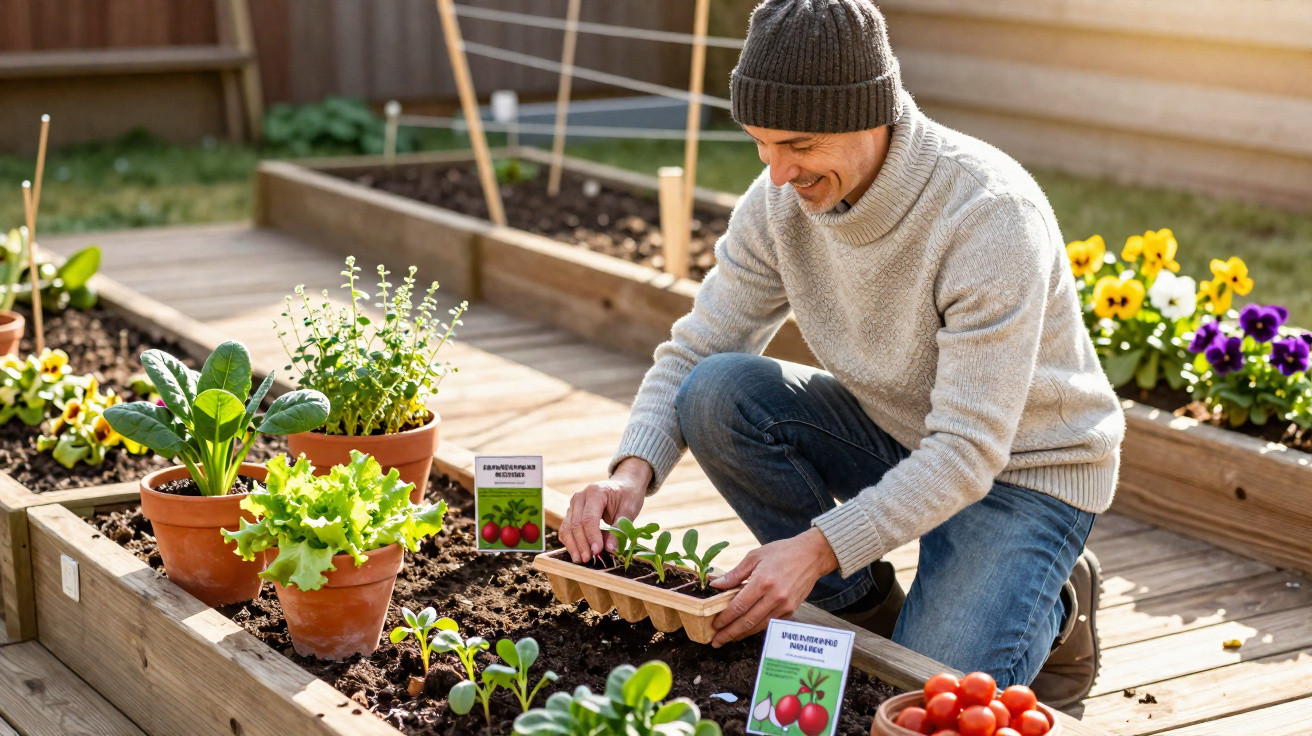
Home growing takes on a particular momentum in winter, setting spaces up for an explosion of life. Sowing and planting the right species now helps ensure a vibrant garden and a steady supply of fresh food when the next warm season finally arrives in the back garden.
How should you plan the beds this month?
The key to any successful urban grow is getting the soil ready during the cold months. Working in rich organic matter helps keep the ground fertile, supporting strong plant growth that later produces tasty food in the vegetable garden.
When you are working with compact areas such as balconies and narrow beds, it pays to choose fast-growing species. Starting with quick-cycle plants makes better use of time and delivers an impressive visual payoff, completely changing the outdoor space with plenty of colour and plant abundance.
How can you attract pollinators and create a drought-tough garden?
Are there native perennial plants that save a lot of water and still turn your garden into a haven for bees and… Read more
Which vegetables grow best in pots?
Planting in smaller containers is ideal for leafy crops with short roots and rapid development. Using the right pots makes it easier to manage moisture and nutrients, giving you attractive, nutritious leaves for your family’s everyday meals.
Greens adapt brilliantly to plastic or ceramic pots placed in bright positions. Rocket and lettuce thrive in these conditions, letting you stagger harvests and keep the kitchen supplied with unbeatable freshness and flavour straight from your cultivation.
Below is a video from the YouTube channel Be Sustainable – Vegetable Garden in the Backyard that explores the points covered in this topic in more depth:
How can you get quick harvests before summer?
Prioritising short-cycle varieties means beds can become productive within just a few weeks of attention. Radishes and slender carrots are particularly well suited right now because they need little maintenance and provide crisp food before the heat arrives.
Keep watering regular without waterlogging the soil to speed up the growth of seeds sown in deeper pots. This straightforward approach also shields young shoots from light frosts, making it easier to harvest healthy, nutrient-rich roots from the home vegetable garden with real ease.
Successful winter growing
Recommended items
To achieve strong results with your home production this month, rely on these essentials:
- 1 High-quality radish seeds;
- 2 Light, well-draining potting mix for containers;
- 3 A water mister for gentle watering.
Which flowers should you choose to beautify the garden?
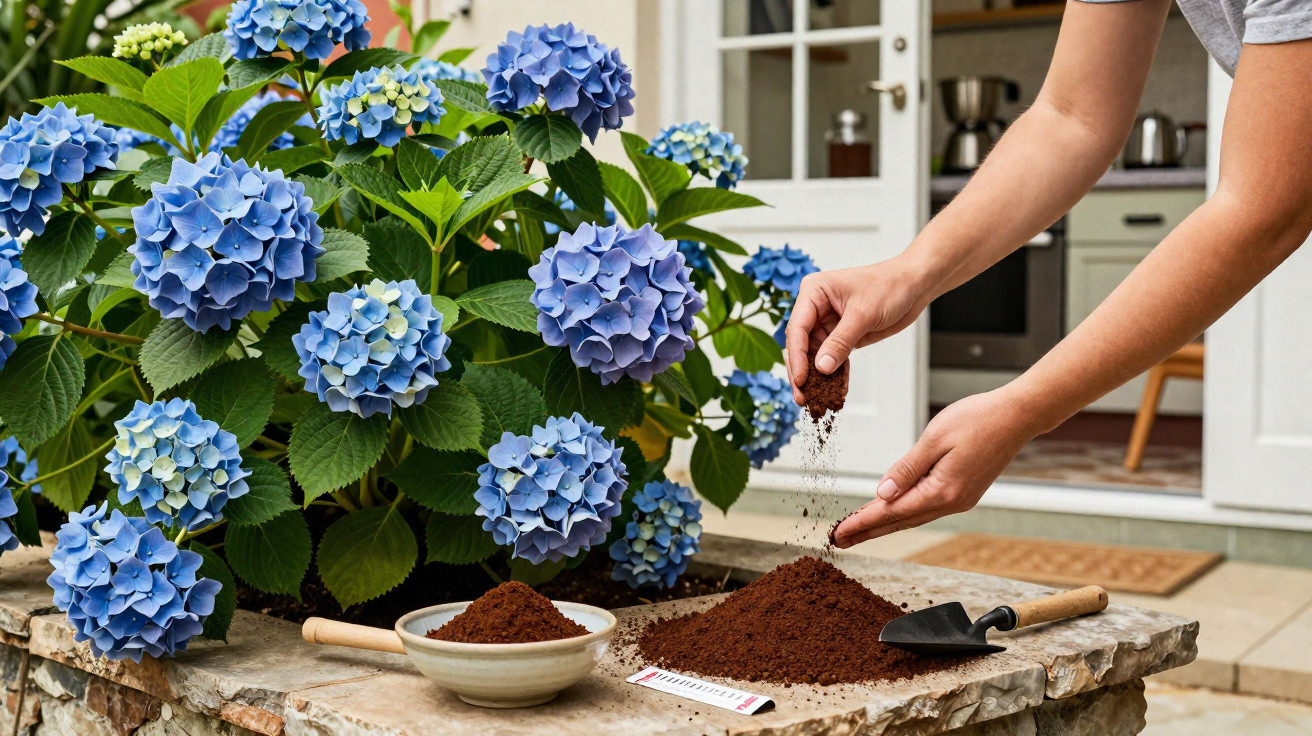
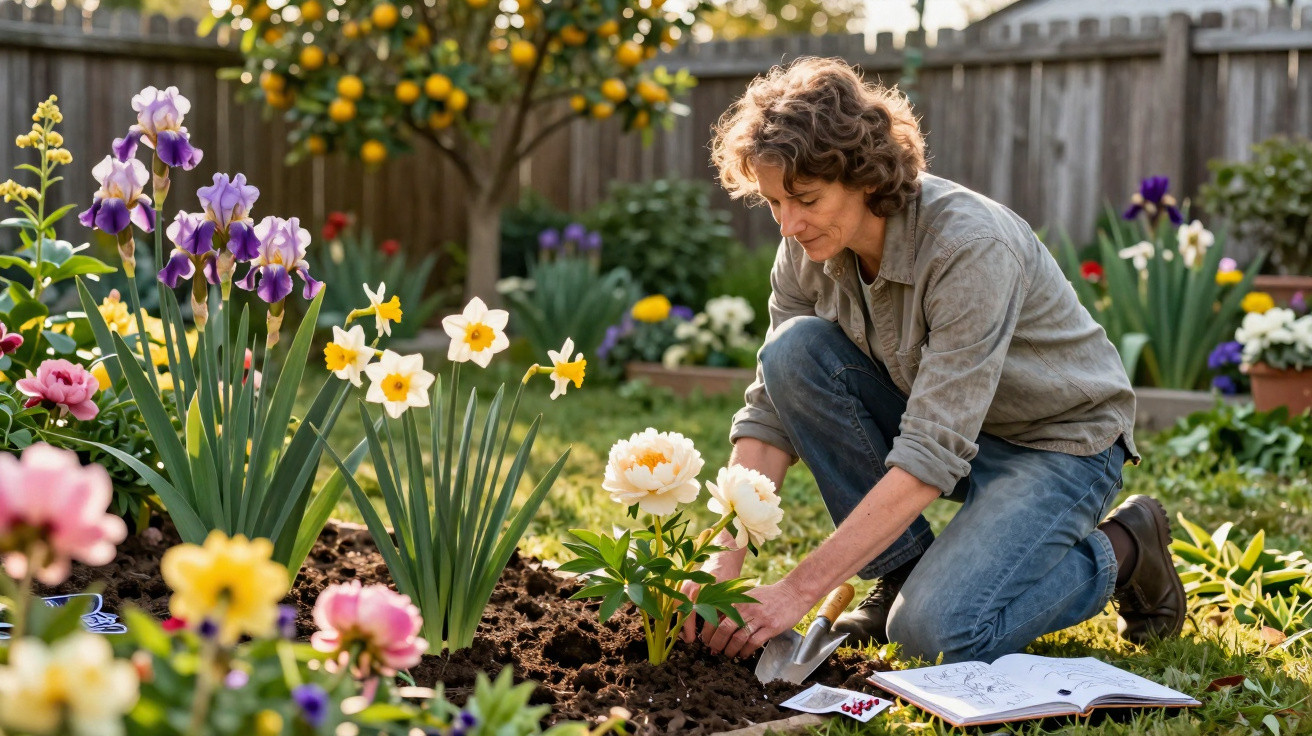
Bringing in colour with annual flowering plants also draws beneficial insects that are vital for pollinating a home vegetable garden. Hardy choices cope well with current low temperatures, ensuring showy buds that will open beautifully and add plenty of life to the outdoor setting.
Mixing foliage with flowers can form natural barriers against common pests, keeping the garden ecosystem balanced in an organic way. Sowing these seeds now sets you up for a full visual display in spring, filling beds with distinctive charm and a noticeable fragrance.
A few ideal flower varieties for this time of year-popular with amateur gardeners-include:
- Bright zinnias for sunny pots;
- Cosmos with delicate, elegant petals;
- Dwarf sunflowers for compact beds.
How do you keep daily care on track?
Watering lightly in the early morning helps prevent excess moisture building up around the sensitive roots of vegetables. This simple routine reduces the risk of unwanted fungal problems, keeping crops protected and ready for vigorous growth.
Paying attention to daily sunlight helps you place movable containers on the balcony in the best spot as winter progresses. Spending just a few minutes a day on this calming task can improve the home routine, bringing meaningful benefits to health and personal wellbeing.



Comments
No comments yet. Be the first to comment!
Leave a Comment