
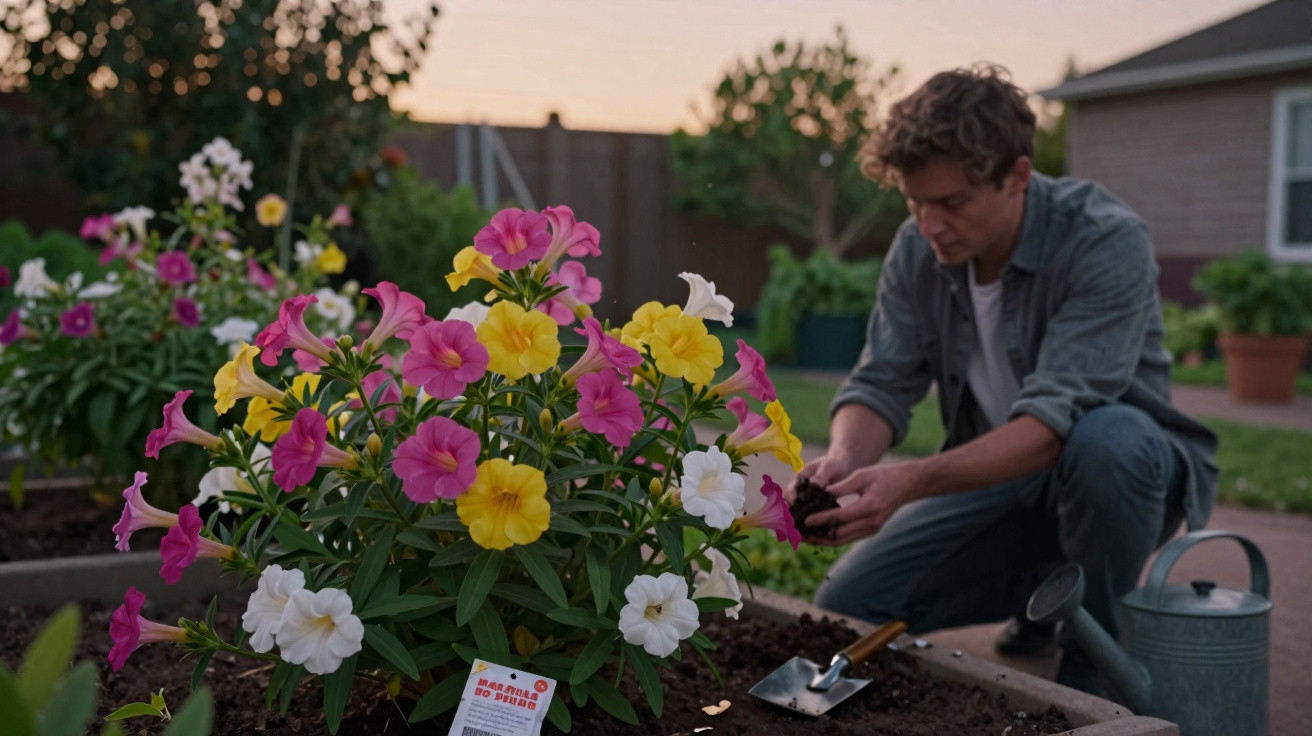
If you want bold colour in the garden quickly in spring, you don’t have to wait for years: an almost forgotten night-flowering plant can deliver a genuine blaze of blooms in record time.
Many home gardeners know the issue: after winter, beds look bare, gaps spoil the view, and perennials can seem to take forever to get going properly. This is exactly where a plant comes into its own that’s well known in Germany but rarely used on purpose-despite being tailor-made for the dream of a quickly filled, scented summer garden.
The quiet star of summer evenings
This plant is the Marvel of Peru (Mirabilis jalapa). Originally from South America, it forms tuberous roots that act like small storage organs. In the garden it grows into bushy clumps around 40–80 centimetres tall, densely covered with green foliage.
Its real trick is the timing: during the day the flowers are usually closed, only opening in the late afternoon or towards evening. Step outside after work and you can watch the bed change almost instantly-suddenly dozens of small, trumpet-shaped blooms glow in yellow, pink, red, violet or white. Some flowers are flamed, speckled, or show mixed colours on the very same plant.
"Only around 60 days from sowing to the first evening bloom-by perennial standards, that’s incredibly fast."
At dusk, the Marvel of Peru releases a sweet fragrance that brings to mind summer evenings in southern countries. That’s why it’s ideal planted near a terrace, balcony or seating area.
Why this plant creates fullness so quickly
While many classic perennials need one to two years before they really spread out, Mirabilis jalapa gets moving in its first season. If you start in spring, you can often see a noticeably fuller bed in just under two months.
The main advantages of the Marvel of Peru at a glance:
- Fast development: germination usually after 7–10 days, first flowers after roughly 60 days.
- Long flowering season: from late spring or early summer right through to the first frosts.
- Undemanding: copes well with heat and short dry spells.
- Evening scent: perfect for anyone who only gets into the garden in the evening.
- Multi-coloured varieties: from single colours to mottled mixes on one plant.
That combination makes it an excellent choice when a border needs to look “like something” quickly-after a new build, a redesign, or the removal of tired old plants.
How to sow indoors or directly into the bed
When you begin determines how much of a head start you get for summer. Raising plants indoors brings earlier flowers; sowing outside keeps the workload down.
Starting indoors: more control, earlier results
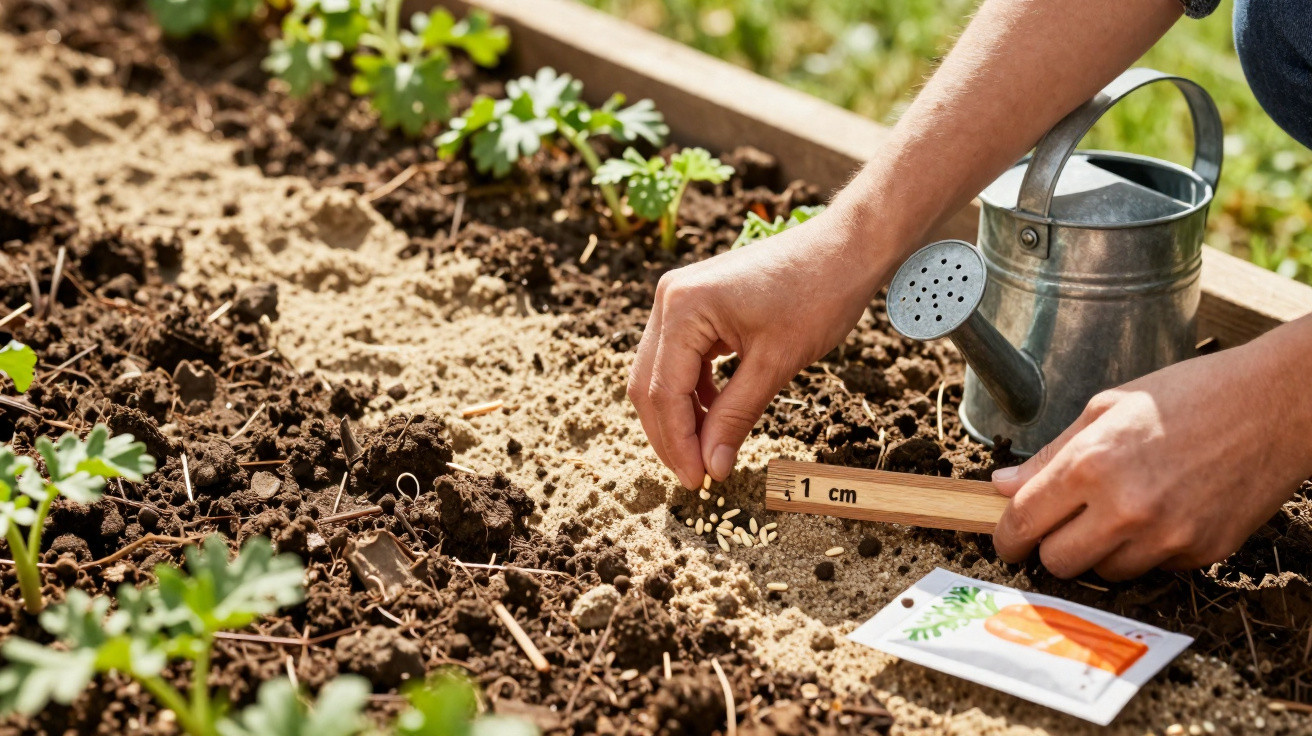
About six to eight weeks before your last expected frost, you can start the seeds in pots or seed trays. A bonus: the seeds are fairly large, so they’re easy to handle.
- Soak the seeds overnight in water to soften the hard seed coat.
- Fill small pots with a loose, free-draining growing medium.
- Plant one seed per pot about 1.5 centimetres deep and gently firm.
- Water carefully, avoiding waterlogging.
- Keep warm (around 18–20 °C) and maintain even moisture.
Once they’ve germinated, the young plants put on growth quickly. Move them outside only when frost is no longer a risk and the soil has warmed noticeably.
Direct sowing outdoors: less effort, slightly later flowers
If you’d rather avoid potting on, wait until late spring when the soil feels pleasantly warm. Then you can sow straight where the plants will stay.
Key points for direct sowing:
- A sunny spot with at least six hours of light per day.
- Loose, humus-rich soil with no waterlogging.
- Sow with space between seeds, then thin out if needed.
With about 25 mm of rainfall or watering per week, the plants usually do well. In very hot spells, increase the amount slightly.
The best spot: sun, warmth and a little feeding
The Marvel of Peru thrives on heat. A position by a south- or west-facing wall, against a warm house frontage, or along the edge of a terrace is ideal-and it’s where the evening display is at its most effective.
Soil should be fertile but well drained. Heavy, clay soils can be improved with sand and compost. In containers, a simple blend of garden soil and a standard multi-purpose compost works well.
| Site factor | What the Marvel of Peru needs |
|---|---|
| Light | Full sun to partial shade; more sun means more flowers |
| Soil | Humus-rich, loose, no waterlogging |
| Water | Regularly; moderately moist; short dry spells are fine |
| Nutrients | Light to moderate feeding, e.g. compost in spring |
Care: almost a “lazy gardener’s” plant
If you don’t want to be out in the border every day, Mirabilis jalapa is a good match. It tolerates heat, manages with occasional dry spells, and is rarely seriously troubled by pests.
A few simple tasks are still worthwhile:
- Regularly cut back spent stems to encourage fresh buds.
- For plants in pots, add a little liquid feed every two to three weeks.
- In windy positions, give taller plants a discreet support cane.
"With minimal care, the evening flowers continue well into autumn-perfect for gardens that are meant to look after themselves."
Many gardeners report that slugs barely touch the plants. Deer and rabbits also tend to leave them alone, which can make them appealing for rural gardens.
Perennial performer or one-season visitor? Getting it through winter
In milder areas, the Marvel of Peru can remain in the ground long term. The tuberous roots survive in the soil and reshoot the following spring. In places with harsher winters, it’s a different story.
You have two options:
- Treat it like a summer bedding plant: sow again each year or buy young plants.
- Lift and store the tubers: dig them up in autumn before the first hard frosts, store cool and dry, then replant in spring.
If time is tight, many people simply grow it as a one-season plant. Because it grows so quickly, the bed still fills out fast.
Important note: beautiful, but not for eating
As attractive as the Marvel of Peru is, there’s a downside: all parts of the plant are considered poisonous if eaten, especially the tubers. In gardens with small children or dogs, don’t place it right next to a sandpit or a favourite lounging spot.
A few straightforward precautions help:
- Plant at the edge of borders or in raised containers.
- Make it clear to children that the pretty flowers are off limits.
- Wear gloves when lifting the tubers.
Where the Marvel of Peru shines in the border
Used well, Mirabilis jalapa creates striking evening atmosphere. It works particularly well:
- along the edge of terraces and seating areas, for scent and evening opening
- in front of loosely growing ornamental grasses that provide daytime structure
- between late-emerging perennials to cover spring gaps
- in large pots on balconies and roof terraces
If you enjoy strong colour, choose deliberately multi-coloured varieties and pair them with calmer partners in white or blue. That way the mix looks lively without becoming chaotic.
Practical know-how for beginners and the impatient
Two things often cause confusion: the unusual flowering schedule and the speed of growth. At first, some people think the plants are “sulking” because there are hardly any open blooms at midday. In reality, you simply miss the main show if you only look during the day.
If you’re new to sowing, the Marvel of Peru is also a forgiving plant to practise with. The large seeds are easy to pick up and place, germination is usually reliable, and it tends to overlook small mistakes with watering or temperature better than fussier specialist plants.
That’s what makes Mirabilis jalapa an appealing option for anyone who decides on the spur of the moment in spring: "This year, the garden should finally look like summer"-without spending every evening carrying a watering can and pruning snips.

Comments
No comments yet. Be the first to comment!
Leave a Comment