
Aphids are already sticking to tomatoes and cabbages, and the pressure to spray is rising.
Yet one unassuming flower can completely change the situation in a vegetable garden.
As soon as the first sticky specks appear, many home gardeners instinctively reach for chemical sprays. That reaction is understandable: aphids multiply at speed and can severely weaken young plants. If you want to protect your beds without resorting to toxins, there is a surprisingly simple alternative-an old, familiar garden flower that lures pests away, feeds beneficial insects, and can even end up on your plate.
Why aphids love young vegetable plants
Aphids go for anything soft, juicy and young. They pierce the plant and draw sap from fresh shoots.
- Young leaves and shoot tips contain plenty of nutrients.
- Cell walls are still thin, so aphids can reach the sap easily.
- Plants respond with curled, misshapen leaves.
Within a few days, a small colony can turn into a dense coating. The result: vegetables grow more slowly, flowers drop, and entire plants become stressed.
Many people then spray soapy water, oils, or even synthetic products. These can work, but they do not only hit aphids-they also affect ladybirds, hoverflies and other helpful insects. If you find yourself spraying again every year, it quickly becomes obvious: it is a never-ending cycle.
"Instead of destroying aphids, it pays to use a strategy that steers them-away from the vegetables and towards a sacrificial plant."
Nasturtium: the classic trap plant in the vegetable garden
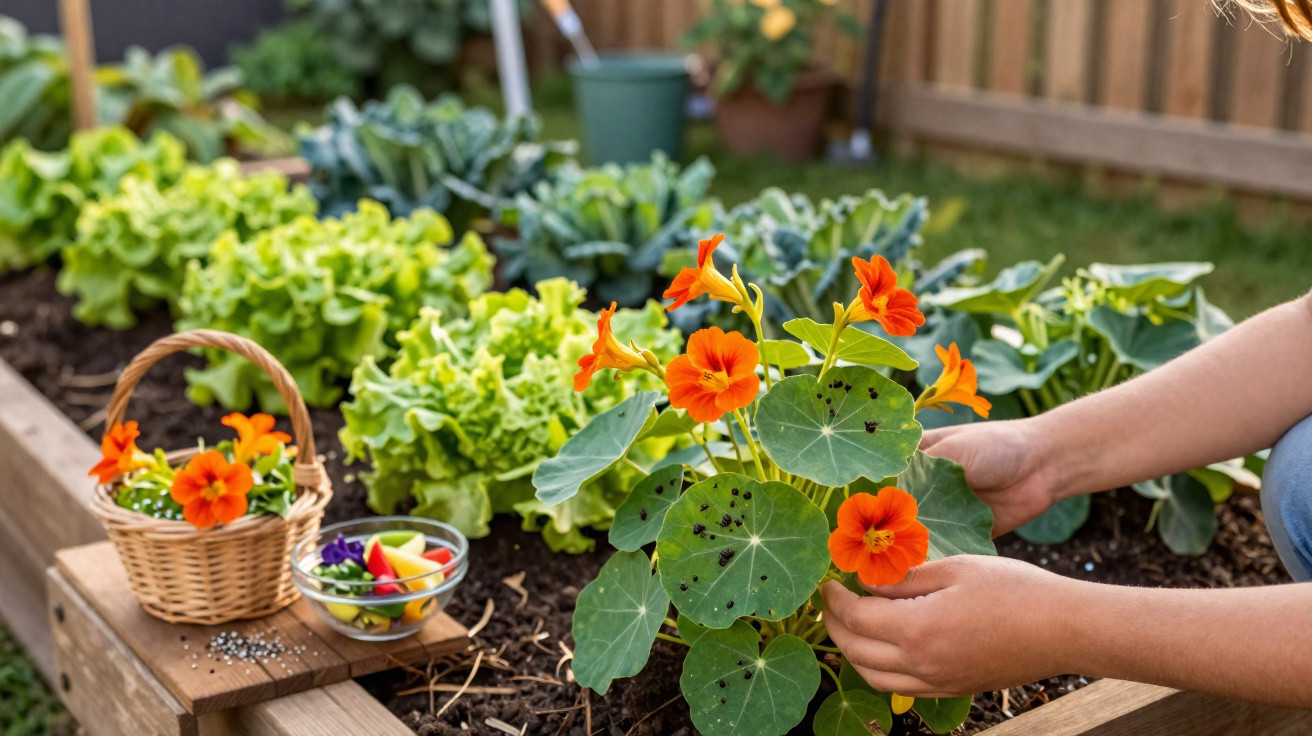
Nasturtium (Tropaeolum majus) looks harmless enough: round leaves and vivid flowers in yellow, orange and red. But this plant is like a magnet for aphids. Its soft foliage and sap-filled stems make it an ideal “buffet” for these pests.
In a wildlife-friendly veg bed, you can use this behaviour to your advantage. Nasturtium acts as a trap plant. Aphids settle on it first, taking pressure off tomatoes, beans, cabbage or courgettes.
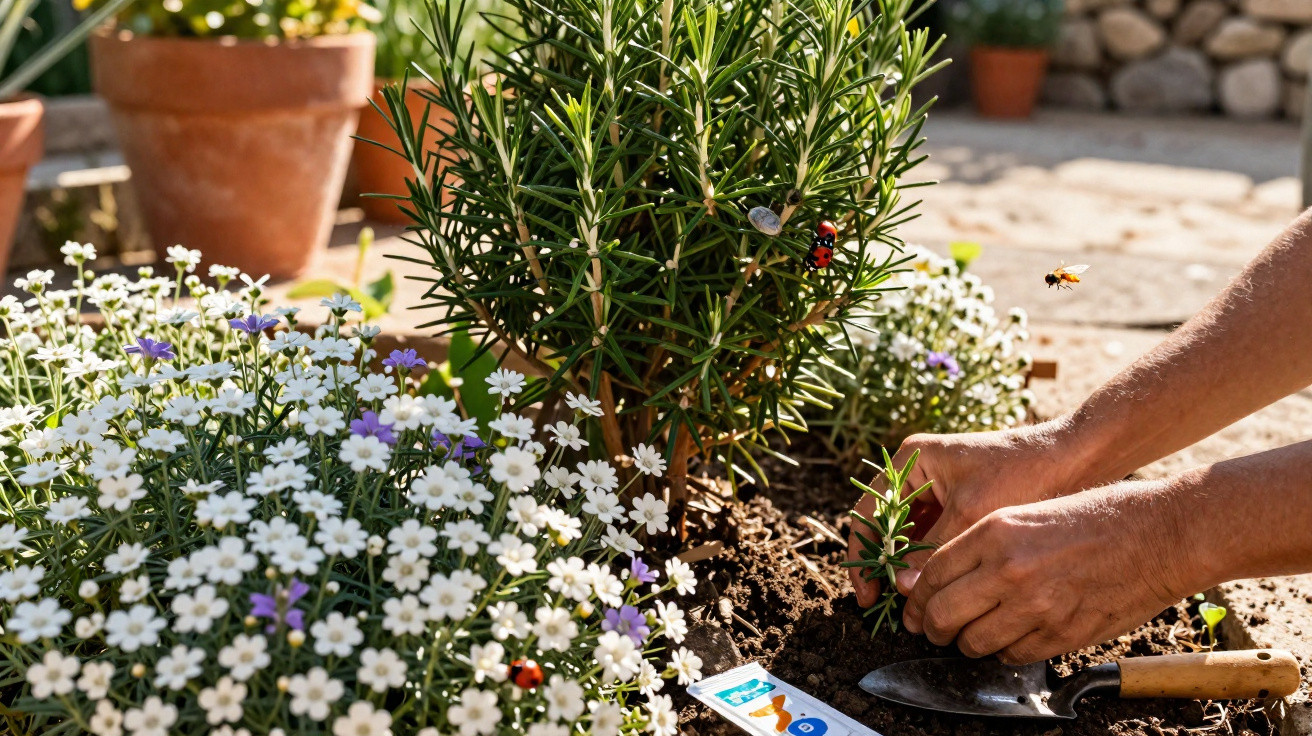
The real advantage shows up next: where there are lots of aphids, their predators inevitably follow. Nasturtium attracts entire squads of beneficial insects:
- Ladybirds and their larvae, which can eat dozens of aphids a day
- Hoverflies, whose larvae can clear aphid clusters rapidly
- Lacewings (also known as “goldeneyes”), whose young are famed as “aphid lions”
Once these helpers arrive, they do not stay politely on one plant. They roam across the whole bed and help keep the balance stable for the long term. Practical horticultural experience shows clearly that mixed planting with flowering plants brings far more beneficial insects than monotonous rows of a single crop.
How to sow and plant nasturtium as an aphid brake
The best timing and how to sow
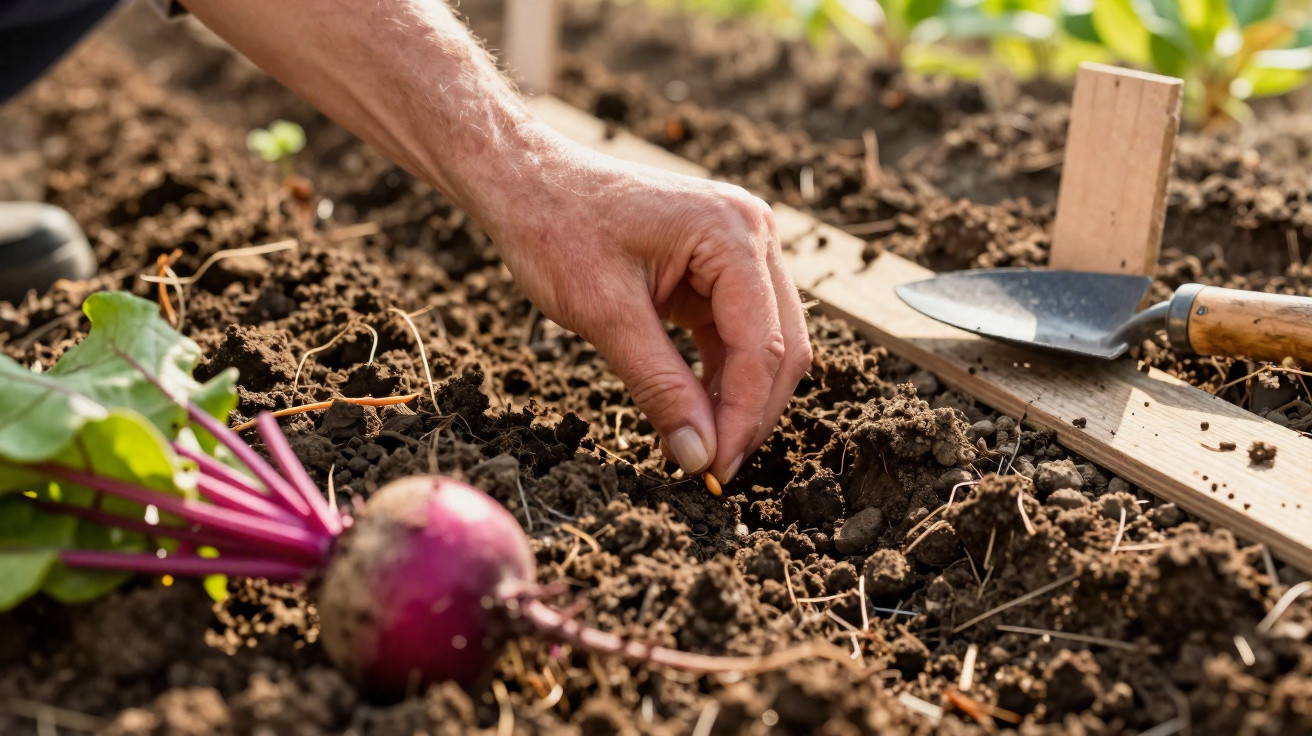
Nasturtium seeds are large and wrinkled-almost like little nuts. They germinate reliably as long as conditions are reasonably warm.
- From March: start seeds in pots on a windowsill or in a greenhouse
- From mid/late April: direct-sow outdoors once night frosts are no longer likely
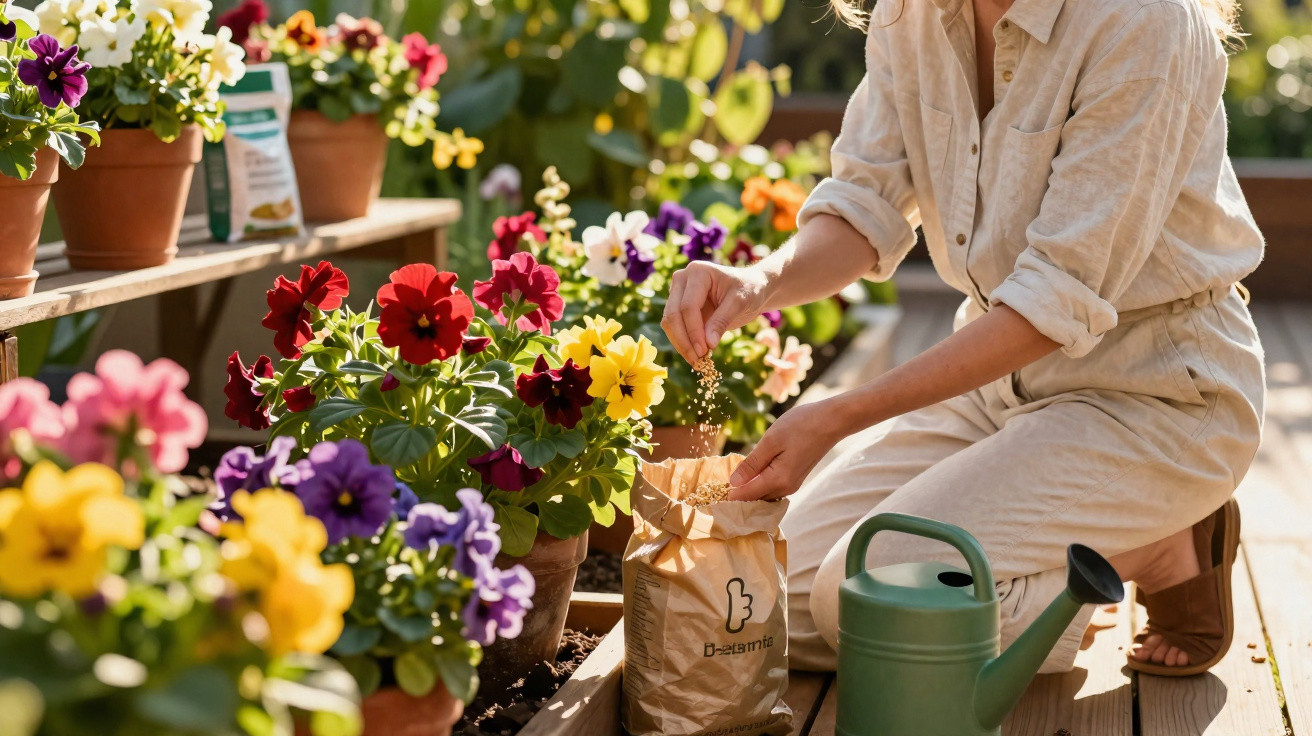
Push the seeds about 2 cm deep into the soil. Three to four seeds per spot is enough, with spacing of 30 to 40 cm. Keep the soil lightly moist during germination, but not permanently wet.
Use dwarf varieties and climbers intelligently
There are two main types, and each suits a different job:
- Low-growing varieties are ideal between rows of beans, cabbage, peas or courgettes.
- Climbing varieties can be trained up a support next to tomatoes or cucumbers.
This creates a colourful border around sensitive crops. Aphids are drawn to the nasturtium, while the vegetables nearby are noticeably less affected.
The protective-belt trick
One particularly effective approach is to form a ring of flowers around your beds:
- Sow or plant a continuous row of nasturtiums along the edges.
- If aphid pressure is high, add a few plants slightly away from the bed as an extra “lure point”.
If you notice certain plants becoming extremely heavily infested, remove them decisively and dispose of them in your general waste bin, or leave them to dry out. This prevents a permanent aphid stronghold.
"Nasturtium works like a living safety belt: it draws the attack onto itself, while the vegetables behind it can breathe again."
More insects, better harvest: a bonus for pollinators
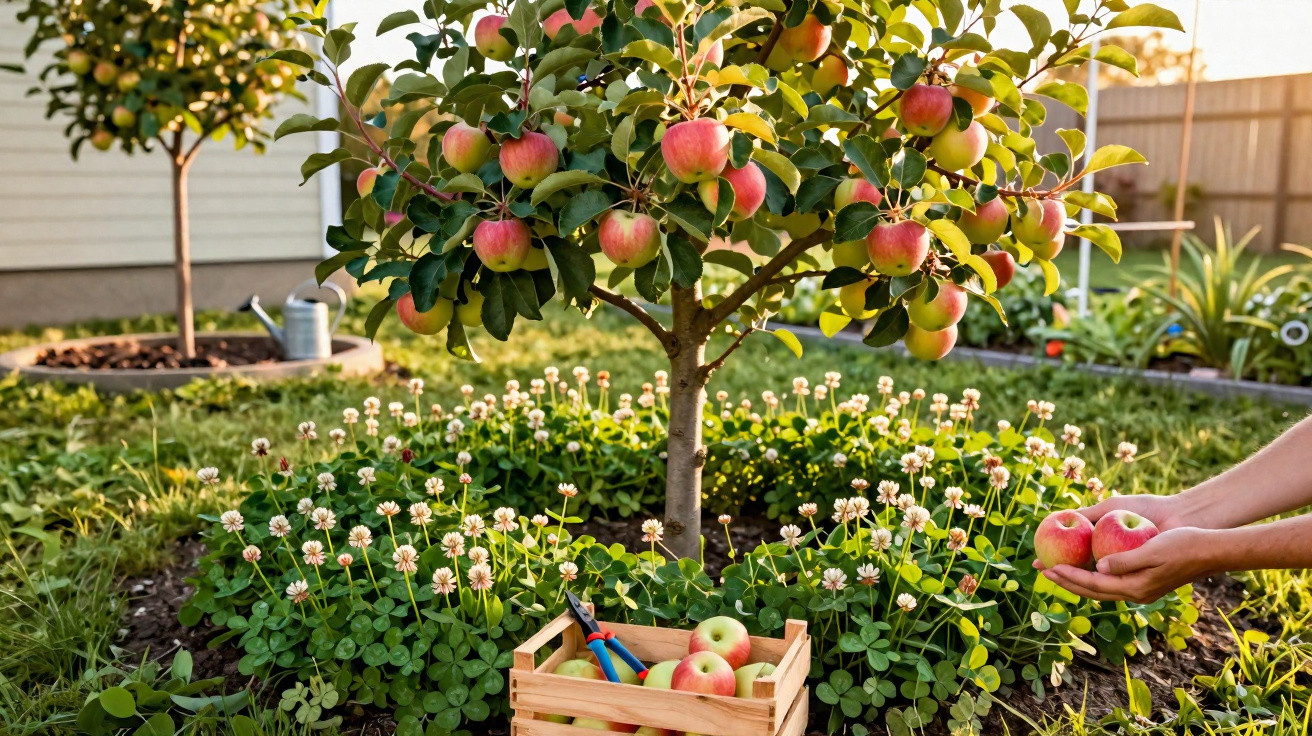
Nasturtium’s trumpet-shaped flowers offer plenty of nectar. Wild bees, bumblebees and butterflies all benefit. If you have fruit trees or berry bushes nearby, you will often see more activity in the air-and usually more fruit as well.
This can work on a small scale on a balcony, too. A large planter with nasturtium, plus a few cherry tomatoes and culinary herbs, is enough to create a compact, stable ecosystem that keeps pests under control while looking attractive.
Nasturtium in the kitchen: peppery, aromatic, and surprisingly versatile
This plant is not only useful-it is edible. Leaves, flowers and young seeds have a gentle peppery heat, similar to cress or radish.
Recipe idea 1: Summer salad mix with an edible-flower lift
For four people:
- 100 g mixed salad leaves
- 10 fresh nasturtium leaves (about 20 g)
- 30 g nasturtium petals
- 2 medium tomatoes, diced
- 1 small red onion, finely chopped
- 30 ml olive oil
- 15 ml lemon juice
- Salt and pepper to taste
Combine the salad leaves, tomatoes and onion. Fold in the leaves and petals right at the end so they do not wilt. Dress with olive oil, lemon juice, salt and pepper. Serve immediately-the peppery note keeps everything tasting bright.
Recipe idea 2: “False capers” made from nasturtium seeds
If you pick young, still-soft seeds, you can turn them into a punchy addition for sauces and salads.
- 120 g fresh, tender seeds
- 200 ml white wine vinegar
- 100 ml water
- 30 g sugar
- 20 g salt
- 1 teaspoon peppercorns
- 1 bay leaf
Rinse the seeds briefly, then blanch them for one minute in boiling water. Pack into a clean jar. Bring the vinegar, water, sugar, salt, peppercorns and bay leaf to the boil, then pour the hot liquid over the seeds. Seal the jar, allow to cool, and leave to infuse for at least two weeks. These “capers” add a piquant, salty bite to dressings or pasta dishes.
Common mistakes when using it as a trap plant
If nasturtium is positioned poorly, it can unintentionally increase aphid pressure on delicate crops. When the flowers sit right next to already vulnerable young plants, aphids can move back and forth more quickly.
- Do not plant in the middle of beds full of young vegetables; place it more towards the edges.
- Remove heavily infested plants in good time.
- Avoid chemical sprays if you want beneficial insects to establish.
Another key point: nasturtium on its own rarely creates a stable balance. A lively garden with a mix of flowers, herbs and vegetables delivers far better results. In this case, diversity is a genuine protective factor.
How a living bed keeps pests under control over the long term
If, over several years, you repeatedly plant flowering companions such as nasturtium, calendula or borage among your vegetables, you build a genuine network of beneficial insects. Some of these insects overwinter in the garden, lay eggs nearby, and are present earlier in spring when the first aphids appear.
Useful companions to nasturtium include:
- Dill and fennel – attract hoverflies and parasitic wasps
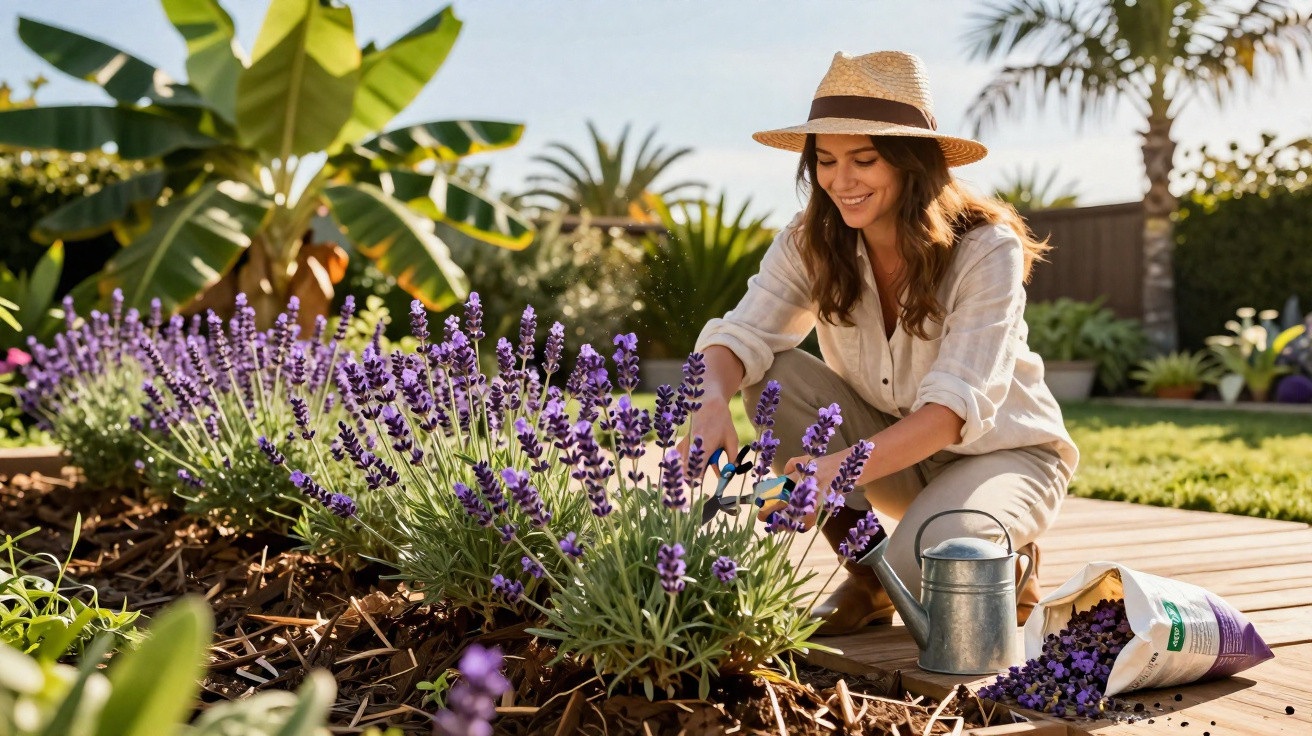
- Lavender – can confuse certain pests and brings in many pollinators
- Thyme and oregano – hardy herbs that also draw insects in
What gardening beginners should know about aphids and beneficial insects
A certain level of aphids is part of any wildlife-friendly garden. Without aphids, ladybirds and other allies would have little to eat, and the system would soon become unstable. What matters is preventing a weeks-long explosion in numbers.
If you always spray everything “clean” immediately, you remove the very foundation beneficial insects need. This is exactly where nasturtium shows its strength: it provides food for helpers and shifts most of the pressure away from your vegetables. At the same time, you can still use hands-on measures-such as rubbing off heavy colonies by hand or blasting individual plants with a strong jet of water.
If you put a few packets of nasturtium seeds into the soil this year, you will be trying a gentle form of pest management that has worked for generations: colourful flowers, fewer aphids, and-ideally-a better harvest, without a haze of toxins over your beds.
Comments
No comments yet. Be the first to comment!
Leave a Comment