
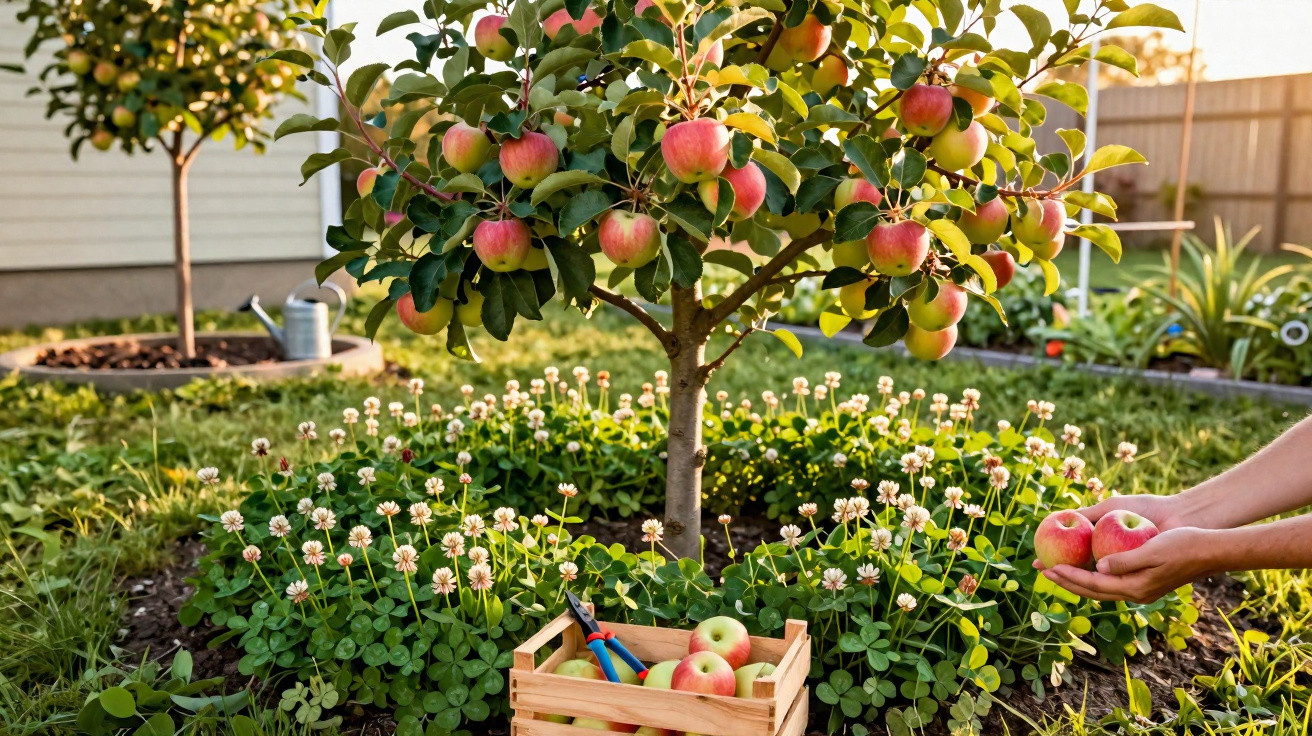
The notion of an ideal fruit tree is usually tied to three things: minimal effort, a good fit for the space available, and dependable harvests. In many urban back gardens and smallholdings, people want to pick fruit without disturbing the soil, avoid constant pruning, and keep the area tidy-choosing species that need little intervention and still crop reliably every summer.
What defines an ideal fruit tree in the garden?
When people talk about an ideal fruit tree, they are typically looking for a balance of high yields, toughness, and a low impact on the soil. In practice, that tends to mean a tree that suits the local climate, has roots that are unlikely to damage the house or garden structures, and shows strong resistance to common pests and diseases.
Equally important is how predictable the fruiting is: relatively stable annual cycles, often with the main crop concentrated in summer. Trees that often come close to this profile include the Surinam cherry tree, a medium-sized jaboticaba tree, and certain dwarf varieties of lemon and orange-options that can be trained in large containers or accommodated in tighter spaces.
Watch the video on the Mundo Agro YouTube channel about this topic, which lists small-growing species with controlled root systems that are perfect for urban planting, small back gardens, or raised beds-without damaging structures and pavements.
How do you choose the ideal fruit tree for each space?
To identify the most suitable tree, start by considering your local climate and how much direct sun the planting spot receives. In warmer areas, tropical and subtropical fruits such as mango, acerola (Barbados cherry), and guava often perform best; where winters are more pronounced, plum, peach, and some apple varieties can be more appealing.
Space is another key factor, so in smaller gardens it usually makes sense to favour low- to medium-sized trees, or to grow them in large pots. To keep the planning straightforward, it helps to work through a few practical checks:
- Check the climate and the number of hours of direct sunlight at the planting site.
- Decide the size you want and the clearance needed from walls, pavements, and roofs.
- Assess the soil type, natural drainage, and whether container growing is a realistic option.
- Choose young trees from a reliable source, suited to your area and, if possible, already grafted.
What care keeps the tree productive every summer?
Looking after an ideal fruit tree is often simpler than managing annual vegetable crops. Because it is perennial, the tree settles into its position, makes better use of rainfall and available nutrients, and reduces the need to turn over the soil or apply heavy feeding.
Key tasks usually include moderate watering in the first few years, a light top-dressing of organic matter on the surface, formative and cleaning pruning, mulching with leaves or grass, and basic pest monitoring using simple methods. With that routine, summer harvests can become almost automatic.
What are the benefits of preserving the soil around the tree?
Leaving the soil around a fruit tree undisturbed brings both environmental and practical advantages, including less erosion, better water retention, and improved stability in strong winds and heavy rain. A cover of vegetation or organic material creates a protective layer that helps regulate temperature and reduces compaction.
That protection supports earthworms and microorganisms, increases the natural availability of nutrients, and lowers reliance on chemical fertilisers. With a bit of planning and a few simple practices, an ideal fruit tree can become the centrepiece of a small home orchard, providing fresh fruit every summer with straightforward management and reduced environmental impact.
Comments
No comments yet. Be the first to comment!
Leave a Comment