
Which plant should never be kept near rosemary?
Even though rosemary is very hardy, it can die if it is grown beside a specific plant that competes for space… Read more
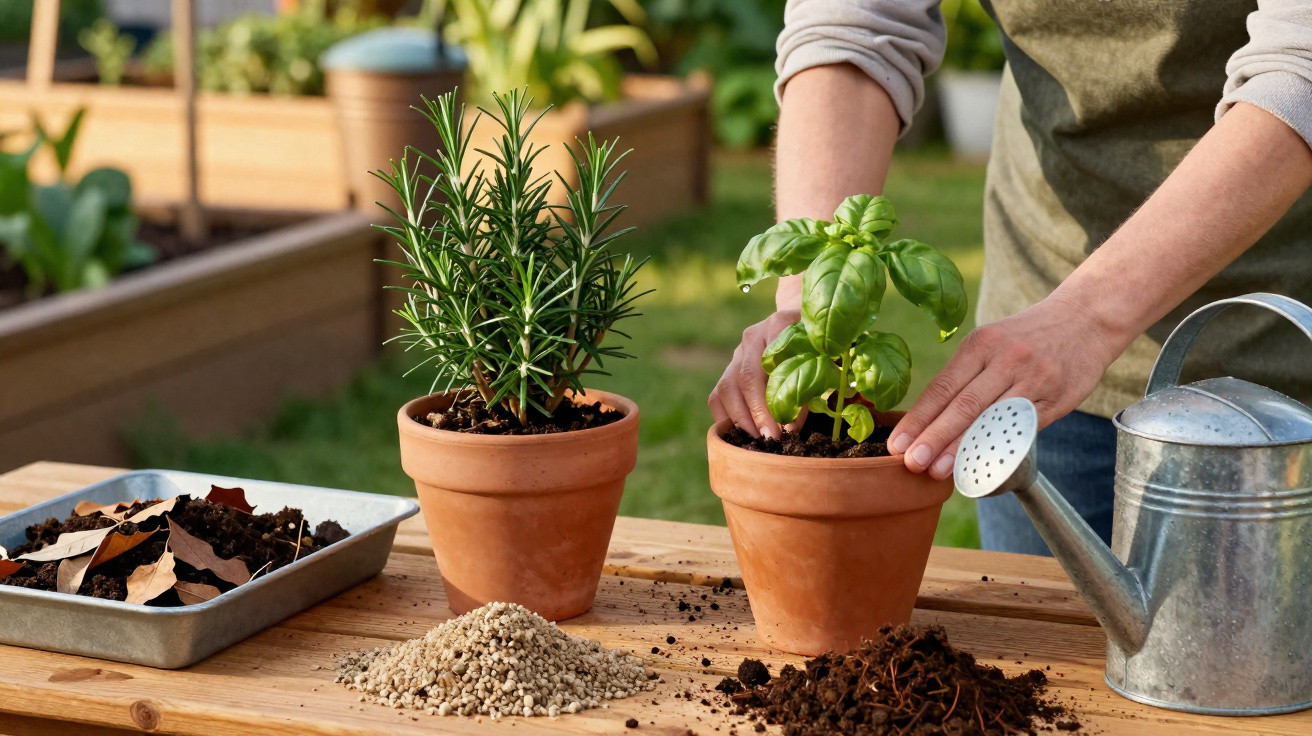
After sweeping the garden, it is common to wonder what to do with the dry leaves that build up on the ground. Rather than throwing everything away, you can turn this material into excellent organic matter to help protect your pots at home.
How can you reuse dry leaves in a simple way?
Home composting is a practical option for anyone who wants to avoid wasting natural materials from the garden. It converts scraps that would otherwise go into the bin into a rich organic fertiliser that supports healthier plant growth.
When you gather fallen leaf litter, you can also form a protective layer (similar to woodland leaf mould) that helps keep the soil in good condition. This straightforward habit improves overall results in home growing without relying on any complicated technique.
This kind of recycling brings clear, immediate advantages that can transform day-to-day plant care:
- A significant reduction in the amount of waste sent to general rubbish;
- Full use of dry leaves collected directly from your own garden;
- A strong, natural barrier that helps protect beds from harsh weather conditions.
What is the secret to preparing the perfect substrate?
The key step is to shred the leaves and keep them moist in layers inside a sealed plastic bag. It is essential to make holes in the bag so air can get in, allowing proper aerobic decomposition of the collected material.
Every 30 days, open the container to check moisture levels and gently turn the contents. With this regular monitoring, the organic material breaks down as it should, producing a valuable, nutrient-rich substrate after a few months.
Below is a video from the Spagnhol Plantas YouTube channel that explores the points covered in this topic in more detail:
How do you keep soil moisture balanced?
Using dry leaves as mulch greatly reduces the evaporation of water held in pots. This natural cover shields the surface from direct sunlight, helping to stabilise temperature and maintain consistent moisture in the soil.
Without this layer, the compost or soil tends to dry out quickly, forcing you to water far more often. Choosing this sustainable method saves time and helps roots take up the water they need in a more balanced and efficient way in the garden.
Home-made Substrate Kit
Essential elements - required items to mix and achieve the ideal compost for drainage:
- 1 Shredded dry leaves in an advanced stage of decomposition;
- 2 Building sand to prevent the mix from becoming overly compacted;
- 3 A moderate amount of water to keep the compost damp.
Why add building sand to the mix?
Leaf material that is well into decomposition often holds a lot of liquid and, over time, can become very clay-like and sticky. Adding sand helps break up this heavy bind, giving the finished mix a much better sandy texture.
This mechanical balance allows oxygen to circulate properly and reduces the risk of unwanted root rot. As a result, the substrate drains more freely and supports healthy drainage of water from regular watering at home.
Including this mineral ingredient helps avoid common frustrations and delivers immediate, practical benefits:
- Prevents excessive puddling on the surface of the pot;
- Makes it easier for roots to spread through the porous medium created;
- Keeps the mix lighter and looser for much longer periods.
How can you speed up the composting process?
A sensible way to shorten the overall waiting time is to add a handful of already-mature compost to the new batch. This older material introduces living organisms that begin working straight away, encouraging faster biological decomposition of the dry leaves.
If you do not have this natural inoculant available, the process will still happen on its own, simply taking a few extra weeks. What matters most is continuing to check moisture inside the bag so you end up with an excellent home-made fertiliser for your garden plants.

Comments
No comments yet. Be the first to comment!
Leave a Comment