
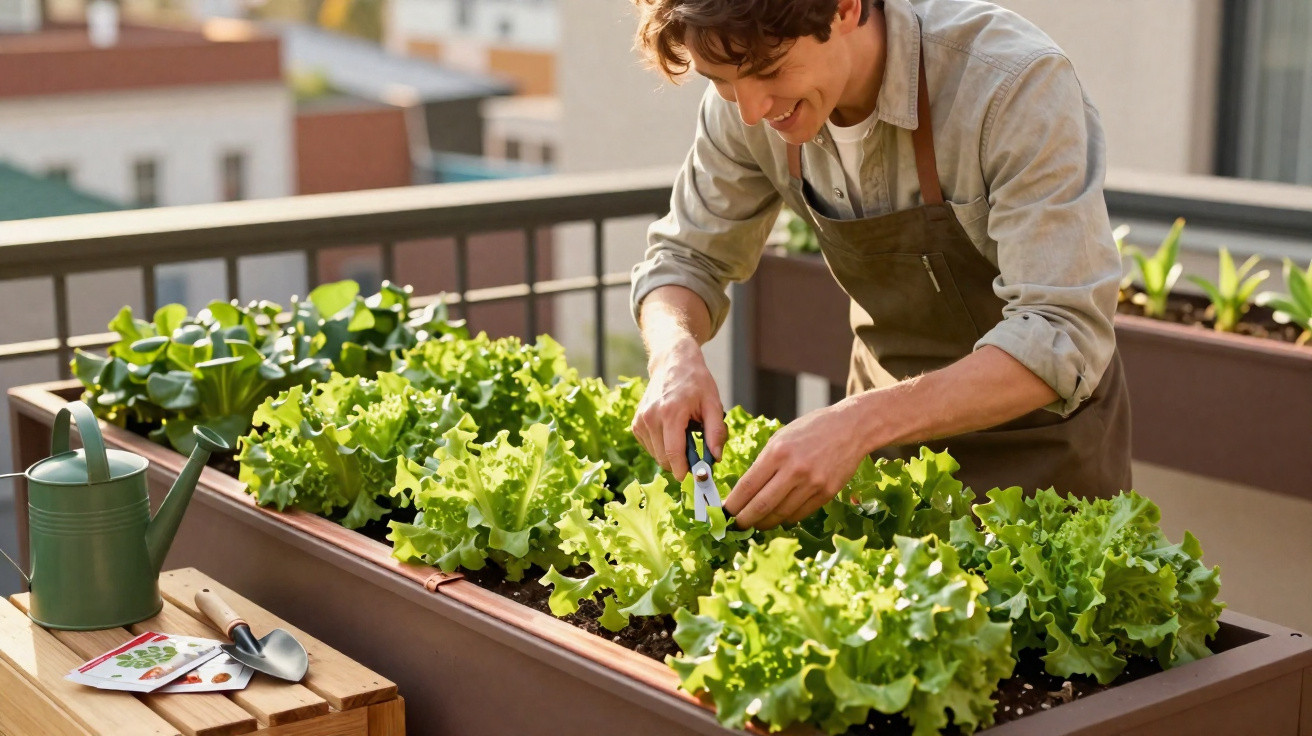
Prices for bagged salad keep rising, the leaves often go slimy in the fridge - and yet there’s a simpler way that’s fresher and cheaper.
Put in a few minutes in early April in a bed, raised bed or even on a balcony, and you can cut supermarket salad down to almost nothing. Some quick-starting leafy salads are ready within a few weeks and will keep giving you fresh pickings right through to summer - without specialist kit and without a huge garden.
Why early April is the perfect time for lettuce
Lettuce prefers conditions that are mild and damp, without strong heat. Early April commonly delivers exactly that mix: the soil begins to warm, daylight increases, and nights stay cool but are no longer freezing.
"In early spring, lettuces germinate faster, grow more evenly - and bolt into flower less quickly."
Leave it too late and the drawbacks show up fast. Once temperatures climb sharply, lettuce can quickly bolt and start producing flowers rather than leaves. The result is bitter, and often not worth eating. Start too early, though, and cold soil plus persistent rain can slow germination; plants sit weak for a long time.
Early to mid-April tends to hit the sweet spot between those extremes. Seedlings emerge promptly, the ground doesn’t dry out too aggressively, and plants can build strong roots. Later on, that translates into sturdier, crisp heads and a steadier harvest.
Seven lettuce varieties that produce especially fast right now
If you want results with minimal fuss, choose types that germinate reliably and are ready to harvest early. These are widely seen as true “express lettuces”:
- Batavia: very crunchy and fairly tough; copes well with the odd downpour or windy spell.
- Sucrine / mini romaine: compact heads, tender and slightly sweet; ideal for one-person households or small kitchens.
- Early romaine lettuces: firmer, more substantial heads; great for salads that properly fill you up.
- Oakleaf lettuce: loose rosettes with lots of delicate individual leaves; extremely productive in a small space.
- Lollo rosso: heavily frilled and reddish; adds colour to the plate and looks decorative.
- Butterhead / head lettuce: soft, “buttery” leaves; a classic spring choice with a mild flavour.
- Merveille des quatre saisons (sold under this name in German shops too): tried and tested; tolerates temperature swings and keeps producing for a long harvest window.
The best approach is usually to grow a mix. Different leaf shapes and colours don’t only look better - they also make a bed more resilient against changeable weather and pests.
"A bed planted with mixed lettuces usually harvests for longer and with more variety than a single, uniform block of one variety."
For instance, Batavia adds bite, butterhead brings mild, soft leaves, and oakleaf contributes lots of fine cut-and-come-again leaves. Without trying, you end up with something that looks more like a restaurant salad than a standard bag from the chilled aisle.
Preparing the soil without digging up the whole garden
For lettuce, it’s enough to loosen the top layer of soil thoroughly. You rarely need a spade; a cultivator or hand fork is typically all you need.
- Loosen the top 5–10 cm of soil
- Remove stones and thick root pieces
- Aim for a fine, crumbly texture
- Work in about a handful of mature compost per square metre on the surface
If you’re growing in a raised bed or containers, use a light, humus-rich compost mix. Avoid heavy, purely peat-based media that hold water. Lettuce is sensitive to waterlogging and “wet feet”.
If nights are still turning markedly colder, you can give seedlings a boost with horticultural fleece, a simple cloche, or a plastic cover. On a balcony, an upturned, cut-open PET drinks bottle can be enough to shield young plants from cold winds.
The trick for harvesting for weeks: sow in stages
A common beginner mistake is tipping the whole seed packet into the bed in one go - then suddenly you’re faced with a glut of lettuce all at once. Some of it ends up being wasted.
"Sow a short row every 10 to 15 days and you’ll harvest for much longer - with hardly anything thrown away."
For heading lettuces such as Batavia or butterhead, sow in rows spaced 20 to 30 cm apart. That leaves room for hoeing, watering and, later, harvesting. Cut-and-come-again types like oakleaf lettuce or Lollo rosso can be grown closer together.
Specific amounts for beds and balconies
A very small quantity of seed is usually enough for 1 m²:
| Area / container | Amount of seed | Recommended number of plants |
|---|---|---|
| Vegetable bed, 1 m² | approx. 1–2 g per variety | 20–25 heading lettuces or dense cut-and-come-again lettuce |
| Balcony planter, 40 cm long | a few pinches when direct sowing | 6–8 plants with proper spacing |
Cover seed only lightly with compost, no more than 0.5 cm. Then water gently with a fine rose so the seed isn’t washed away. At the start, keep the soil evenly moist, but never soggy.
Later, once plants are established, around 1–2 litres of water per square metre is often enough per light watering, depending on the weather. If the top layer feels dry, it’s time to water.
How to protect young lettuces from slugs and cold
As soon as the first tender leaves appear, slugs often follow. In a damp spring they’re at their worst. A few straightforward barriers can help without resorting to poison:
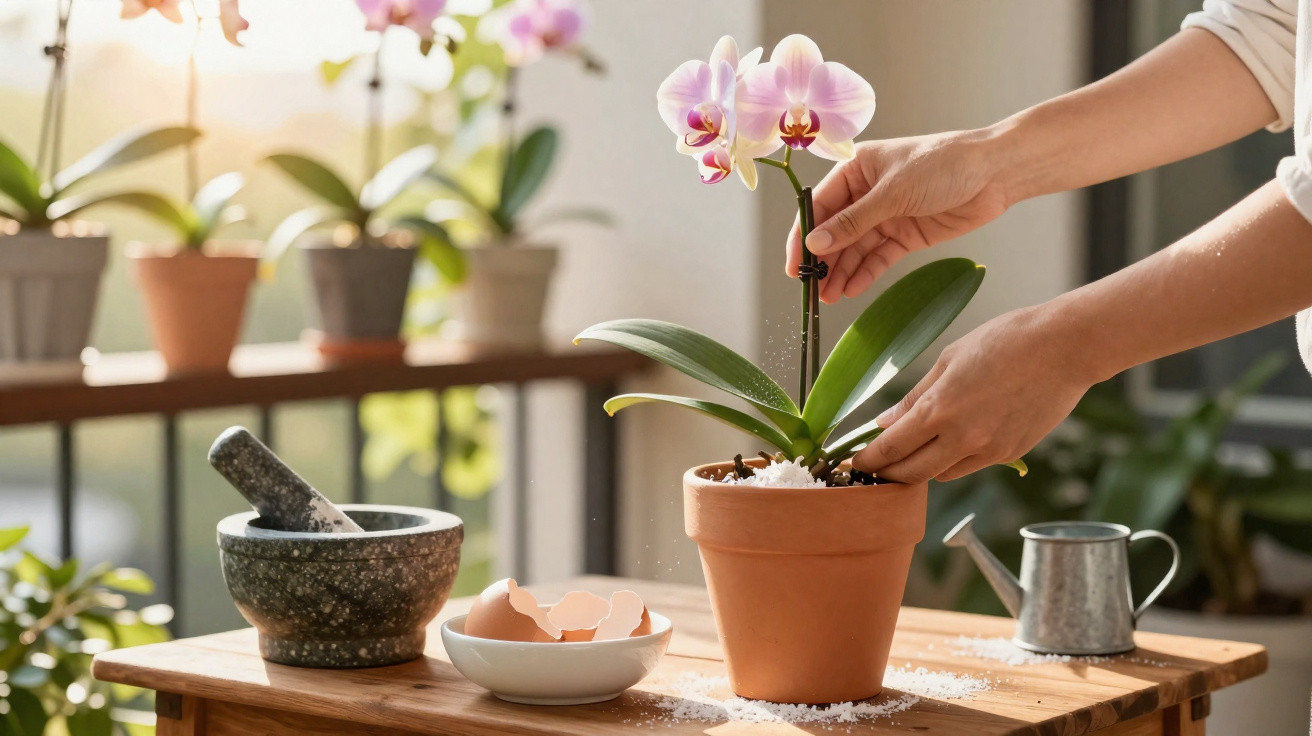
- sprinkle crushed eggshells around the plants
- lay a thin ring of dry coffee grounds
- apply a narrow line of wood ash (renew after rain)
These won’t stop every slug, but they create an unpleasant surface for them and can cut down damage. If you have a particularly slug-prone garden, a slug fence or evening hand-picking is worth adding.
If an unexpected cold snap hits in April, act quickly. A piece of fleece, a cloche, or (for container plants) moving pots into a sheltered box under a patio table can provide the extra warmth that makes the difference.
Harvest the right way: cut, don’t pull
If you yank each plant out of the ground, you lose a lot of potential. Many lettuces will regrow if you harvest carefully.
"Harvest leaves, not roots: this extends the picking season without fresh sowing."
With heading lettuces, you can pick outer leaves one by one while the centre continues to grow. For cut-and-come-again lettuces, slice the whole rosette a few centimetres above the soil. Over the next days, a second - and sometimes even a third - flush of leaves can grow from the middle.
Regular harvesting matters. Leave plants too long and you increase the risk of bitterness and early flowering. Smaller, younger leaves are usually milder and more tender.
Why switching from supermarket salad is worth it
The difference between a chilled bag and a freshly cut head from the garden is obvious from the first bite. Home-harvested leaves are crisper, smell more aromatic, and hold up far better on the plate.
There’s also a clear cost benefit: a packet of seeds often costs less than a single large bag of salad. If you sow in stages, one packet can keep you harvesting for weeks - even from just a few square metres.
Another advantage is flexibility. If you prefer hearty bowls, grow more robust romaine types. For lighter spring cooking, lean towards butterhead and oakleaf lettuce. Children often go for mild, tender varieties such as Sucrine.
Practical tips for small spaces and beginners
A garden isn’t essential. A sunny balcony or bright terrace is enough to get going. Shallow crates, wide planters, or even repurposed wooden boxes with drainage holes can work as a mini bed.
- Choose a container at least 15 cm deep
- Add a thin drainage layer of expanded clay or gravel at the bottom
- Fill with a loose, humus-rich growing medium
- Site lettuces in partial shade, and provide light shade in strong midday sun
If you’re completely new to growing vegetables, start with young plants from a nursery and add your own sowings later. You’ll see results sooner while learning how to handle seed at the same time.
One more benefit: lettuce grows happily alongside many other crops. Interplant with radishes, early carrots or spring onions to make the most of the soil. While the slower crops build up in the background, your lettuces can deliver the first harvest from your own “mini plot”.


Comments
No comments yet. Be the first to comment!
Leave a Comment