

Winter may still feel as though it is lingering, and the borders can look tired and washed out - yet you are itching to get going. This is exactly when savvy home gardeners step things up. With a handful of fast-growing choices, a drab corner can turn into a colourful focal point by late spring - not next year, but within this very season.
Why March is the perfect starting signal for quick flowers
In March, the soil begins to warm gradually, daylight stretches out, and plants receive noticeably more light. Many so-called annual summer flowers respond with a real burst of growth. While traditional bedding plants often need three months or more before they bloom, certain rapid starters can get going in as little as 6–10 weeks.
What matters most is choosing the right plants: some types cope with chilly nights and can be sown straight into the border. Others do better with a warm start on a windowsill - and then repay you with impressive speed.
"If you choose quick starters deliberately in March, you can go from bare soil to a fully flowering ribbon of colour in about 60 days."
Fast-growing flowers: these types hit top speed now
Among experienced gardeners, a few annuals are known as genuine “rapid bloomers”. They grow quickly, forgive small mistakes, and are well suited to beginners.
Sturdy choices for direct sowing in the border
These flowers handle cooler soils well and can go straight into the ground:
- Pot marigold (Calendula) - very tough, germinates quickly, often flowers by late spring; perfect for filling gaps.
- Cornflower - a classic cottage-garden favourite and a pollinator-friendly option; also copes with exposed sites.
- Love-in-a-mist (Nigella) - fine, feathery foliage with delicate blooms; readily self-seeds.
- Californian poppy - vivid, cup-shaped flowers in orange and yellow; thrives in sun and prefers leaner soil.
You can sow these either broadcast-style or in rows. In favourable conditions, the first buds can appear by late spring.
Heat-loving “sprinters” for the windowsill
A second group includes the so-called half-hardy summer flowers. They race away once established, but they need warmth at the beginning:
- Tagetes (marigolds) - often flowering after 45 to 60 days, and extremely easy-going.
- Zinnias - large, bold blooms; around 65 days from sowing to flowering.
- Nasturtium - a clearly visible growth spurt, with edible flowers and leaves; roughly two months to bloom.
- Cosmos - tall, airy plants that take off rapidly after planting out.
- Petunias - especially long-flowering and, in containers, often keep going well into autumn.
If you start these varieties on a bright windowsill in March and move them outside after the last frosts, you can expect generous flowering by late spring.
How to plan your “record-time” flowering garden
To make the idea of “sow in March - be amazed in spring” actually work, it helps to sketch out a simple timeline. The outline below shows how to use the coming months:
| Month | Action | Expected result |
|---|---|---|
| Early March | Direct sow hardy types; begin raising heat-loving flowers indoors | Seedlings visible after 1–3 weeks |
| Late March / early April | Thin seedlings carefully; sow another small wave | Strong young plants with good spacing |
| Late April / May | Plant out raised flowers after the last frosts | A strong growth surge in borders and containers |
| Late spring | Water regularly; remove spent blooms | Continuous flowering, often well into summer |
Three simple March rules for maximum speed
Gardeners often make things sound complicated - but you do not need that here. For most home gardens, three straightforward principles are enough.
1. Pick a bright, sunny position
Ideally, aim for at least six hours of sun each day. Many plants will grow in shade, but flowering is usually later or less abundant.2. Prepare the soil rather than overfeeding it
A thin layer of compost worked into the top section loosens the ground and provides sufficient nutrients. Too much fertiliser tends to produce leaves, not flowers.3. Don’t overcrowd - spacing speeds everything up
It is better to sow a little more generously and then fill gaps later than to cram everything in. Plants with air around them develop faster.
"If you sow too densely, you slow down your own rapid bloomers: they then compete for light, water and nutrients."
How to direct sow in the border without frustration
For hardy outdoor sowing, the soil should be workable: crumbly rather than waterlogged, and not baked hard. A simple approach is to pull shallow drills with a rake, let the seed fall in lightly, cover with a thin layer of soil, and water in gently.
One common mistake is watering too forcefully. Pouring a strong stream along the row can shift the seed and wash it away. Use a rose on the watering can, or even a spray bottle for the first few days. During germination, light but consistent moisture is what counts.
Raising seedlings on the windowsill: small tricks with a big impact
Warmth-loving plants such as zinnias, tagetes and petunias typically get off to a much faster start indoors:
- Fill shallow trays or small pots with seed compost
- Sow thinly, then only lightly press in or cover
- Cover the container (for example with a transparent lid) until seedlings appear
- Keep in a bright spot, but avoid harsh midday sun through glass
As soon as the first leaves show, remove the cover. Otherwise mould can develop, and the seedlings may turn soft and weak. When the young plants have 2–3 pairs of leaves, pot them on individually - they gain space and build stronger roots.
Tips for extra-long, generous flowering
Getting quick flowers is one thing; keeping the display going is another. With a few simple actions, you can achieve both:
- Remove faded blooms consistently - with petunias, zinnias, pot marigolds and tagetes, deadheading encourages fresh buds.
- Plan a second sowing wave - if you sow again after 3–4 weeks, you can extend flowering into high summer.
- Let a few plants set seed - nasturtiums, Californian poppies, borage and nigella, in particular, often reappear by themselves the following year.
Which combinations work particularly well in the border
In March, it pays to think in blocks of colour rather than isolated plants. Proven pairings include, for example:
- A yellow–orange “fire stripe” using pot marigolds, tagetes and nasturtiums - ideal along the edge of vegetable beds.
- A romantic blend of cornflowers, love-in-a-mist and cosmos - soft, airy, and highly attractive to insects.
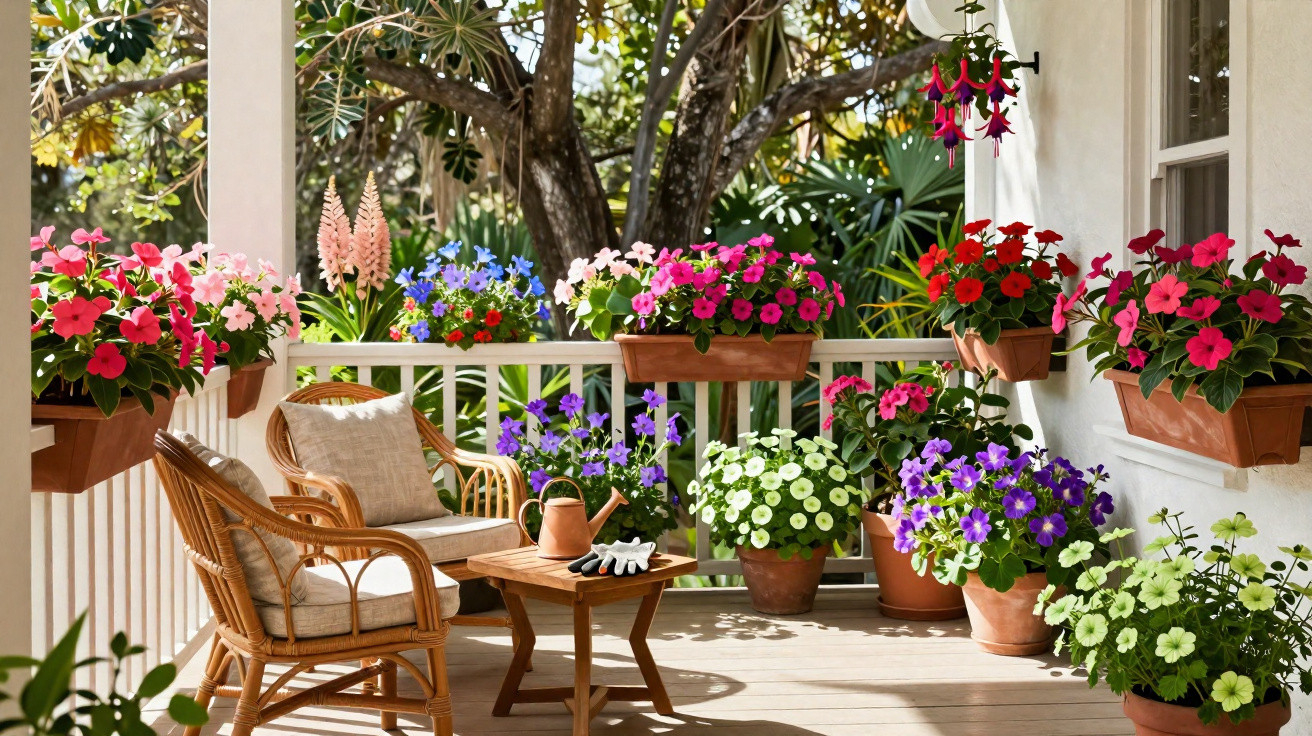
- Bold container combinations of petunias and zinnias - bringing rapid colour to balconies and patios.
If you are unsure, start with a small trial patch. It often becomes a favourite mix in the very first year - and an easy one to repeat.
Risks, limits - and why it is still worth trying
Even with fast starters, gardening always involves an element of chance: late frosts, prolonged wet spells, or unusual heat can all throw off your timing. Some seed may fail to germinate, and a few plants may not meet expectations.
That is exactly why many experienced home gardeners prefer variety over relying on just one type. By mixing hardy and heat-loving plants, combining direct sowing with raising seedlings, and scheduling two sowing dates, you spread the risk. Even if part of it does not work, other options usually deliver dependable colour.
For beginners, March sowing offers a big learning payoff with modest effort: a few seed packets, a little time outside - and the chance to stroll through your own sea of colour by late spring. Once you have seen how quickly zinnias, tagetes or nasturtiums take off, you will be far less likely to let March slip by unused.
Comments
No comments yet. Be the first to comment!
Leave a Comment