
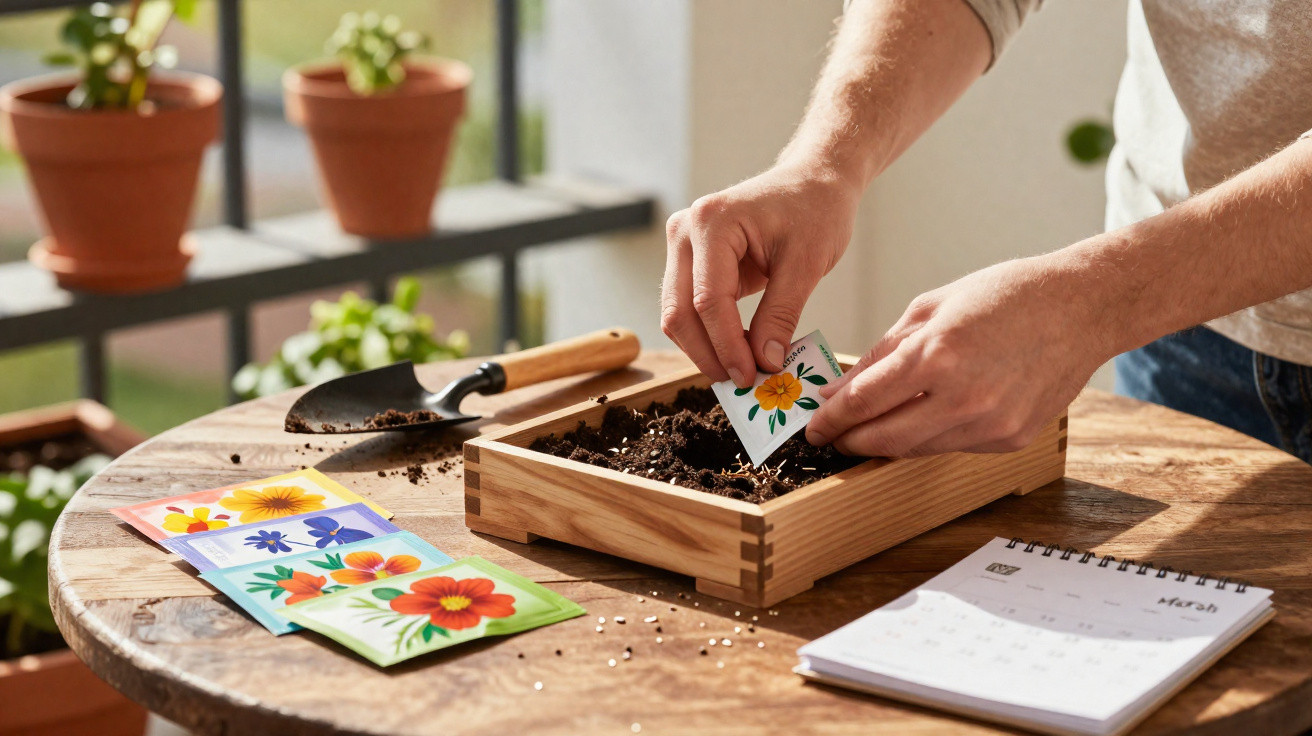
Bare borders, gloomy balcony planters, winter still lingering in your bones - yet the craving for colour is already back. With the right fast-growing flowers, you can hit the start button in March and be looking at bright blooms within just a few weeks. The key is to choose genuine sprinters and follow a handful of straightforward steps.
Why March is the secret turbo month for flowers
As spring gets going, the soil gradually begins to warm, daylight hours extend, and the sun finally has some bite again. Many annual flowers thrive on exactly this combination, because they’re naturally quick to put on growth.
Broadly speaking, there are two categories:
- Hardy annuals (tough enough to cope with chilly nights and can be sown straight into the border)
- Warmth-loving annuals (best started indoors or in a sheltered greenhouse first)
A lot of traditional bedding plants take around three months from sowing to the first flowers. If you want results sooner, go for varieties that can do it in six to ten weeks. Those “turbo flowers” are the focus here.
“If you sow the right quick starters in March, you can expect the first blooms in about 60 days - often even before the official start of summer.”
The fastest flowering stars for borders and balcony planters
Some species are simply quicker than the rest. They’re ideal when the beds are still bare or your balcony boxes are crying out for colour.
Calendula & co.: hardy early starters for outdoors
You can sow hardy annuals outdoors in March as soon as the ground is no longer frozen:
- Calendula (Calendula): Handles cooler conditions well and produces its first orange-yellow flowers by late spring. Brilliant for edging and filling gaps.
- Cornflower: A classic cottage-garden favourite in intense blues, and also available in pink and white. When sown in March, it often flowers by the end of spring.
- Love-in-a-mist (Nigella): A delicate, slightly whimsical plant with blue, white or pink blooms, plus decorative seed pods.
- California poppy: Loves sun and copes with poor soils. It brings vivid yellows and oranges to the border and can bloom only a few weeks after sowing.
These types cope with cooler nights, provided the soil isn’t completely waterlogged. Another benefit is that many self-seed, so they often reappear the following year.
Warmth-loving sprinters: better started indoors first
Other popular flowering plants can get going in March too, but they prefer to begin life under cover:
- French marigold (French Marigold): With good conditions, it can flower around 45 to 60 days from sowing. It’s widely seen as very easy-going and is ideal for beginners.
- Zinnia: Enjoys warmth and full sun, and repays you with strong colours and large flower heads - usually in about 65 days.
- Cosmos: Tall and airy, with lots of daisy-like blooms. If you sow it on a bright windowsill in March, it will flower from late spring and keep going for a long time.
- Petunia: A balcony-box staple. It flowers for months if you remove spent blooms regularly. It’s best started indoors in seed trays.
“Regular deadheading - removing faded flowers - keeps many of these types going for much longer and encourages fresh buds again and again.”
Nasturtium, borage & co.: colour, flavour and usefulness in one
Some of the quickest growers offer more than just a pretty display.
- Nasturtium (Nasturtium): Grows at speed and, depending on the variety, will trail or climb, bringing bright yellow, orange and red tones. The flowers are edible and work well in salads.
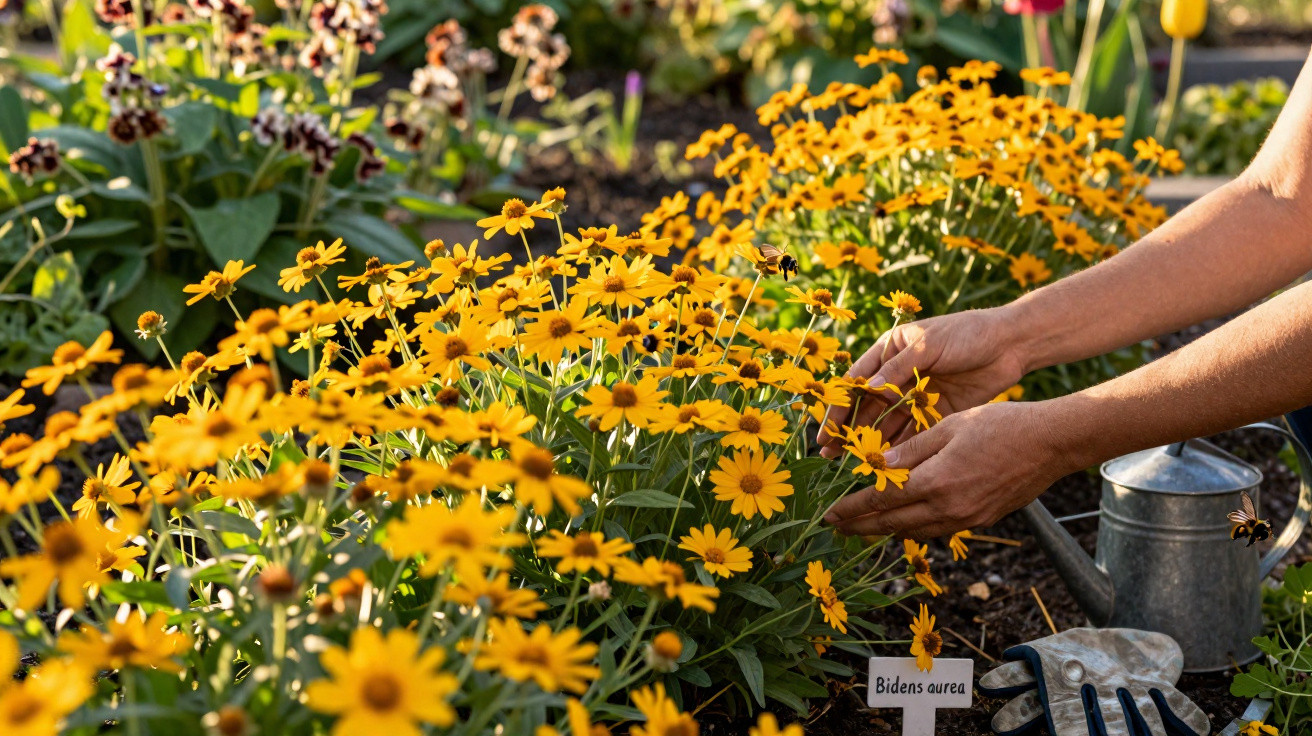
- Borage: Often grown as a bee magnet. Its blue-violet star-shaped flowers appear early and in abundance, and the plant usually self-seeds.
With plants like these you’re not only adding colour, you’re also drawing pollinators into the garden - a real advantage if you grow vegetables or fruit.
The ideal March routine: how to get flowers on schedule
Picking the right variety is only half the story. The rest comes down to method. Follow a few basic rules and you’ll get the fastest possible start.
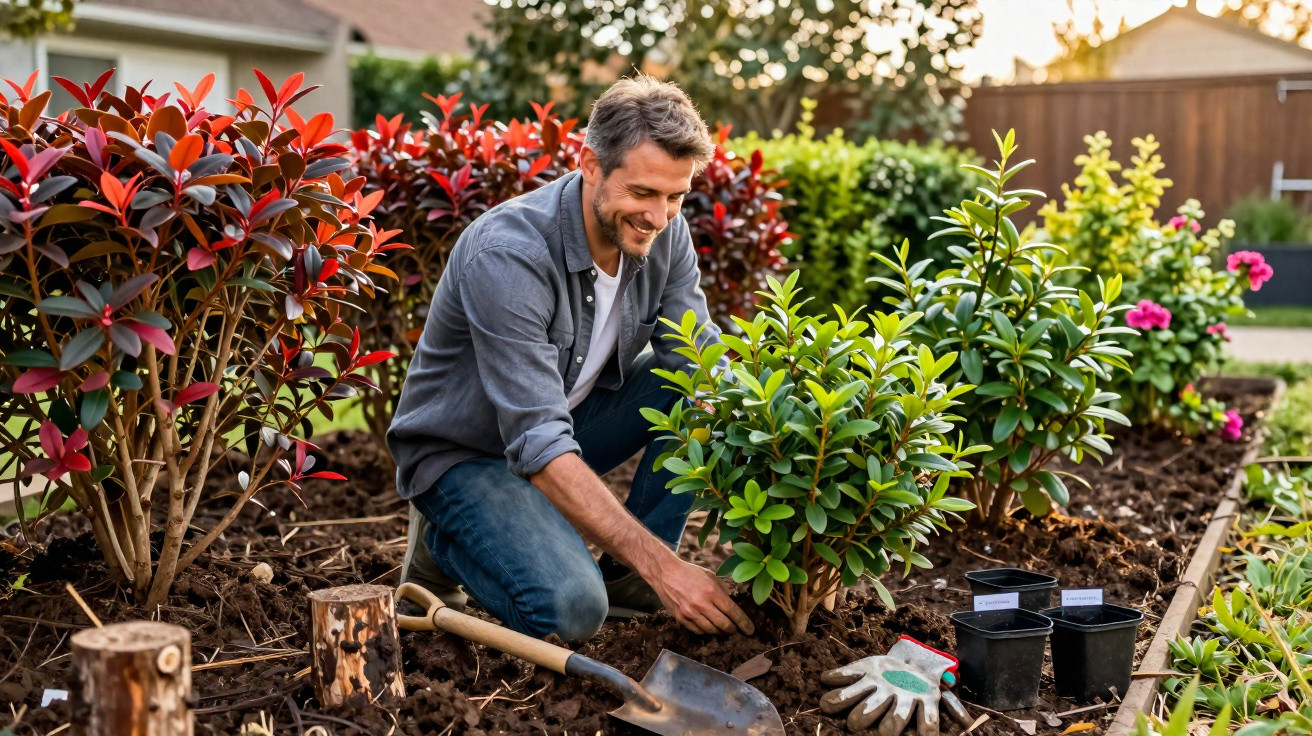
Prepare the soil and choose the right spot
A little groundwork pays off before you sow:
- Loosen the top layer of soil and remove perennial weeds.
- Work in mature compost or multi-purpose compost near the surface so young plants can find nutrients.
- Choose a position with around six hours of sun a day - light is the main driver of growth.
Heavy, wet soils slow germination. In that situation, mix in a little sand or fine grit to improve drainage and keep the soil more open.
How to sow hardy and warmth-loving types correctly
For March sowing, a simple three-step approach works well in many gardens:
- Sow hardy annuals directly outdoors: Calendula, cornflower, love-in-a-mist and California poppy can go straight into the border. Make only shallow drills, sow sparingly, lightly firm the soil, and keep it moist rather than soaked.
- Start warmth-loving types indoors: Zinnias, French marigolds, cosmos and petunias do best when raised in seed trays or small pots on a windowsill. Move them outside only once there’s no risk of night frosts.
- Leave enough space: Plants need room to build speed. If you’ve sown too thickly, thin seedlings later so each plant gets light and nutrients.
“Less is often more: crowded seedlings grow slowly, become more prone to disease and flower later.”
How to extend the flowering period with simple tricks
If you don’t want everything to peak at once, stagger it. A second sowing two to three weeks after the first helps new plants take over as the earliest ones begin to fade.
Many annuals can be combined to create a long ribbon of colour. A typical March plan might look like this:
| Flower | Sowing in March | First flowering (approx.) |
|---|---|---|
| French marigold | start indoors | from May |
| Calendula | direct sow in the border | from late spring |
| Cornflower | direct sow in the border | late spring to early summer |
| Nasturtium | pot or border, sheltered spot | after about two months |
| Zinnia | start indoors | from early summer, and very long-lasting |
Common mistakes with quick-start sowing - and how to avoid them
When you’re chasing fast colour, it’s easy to overdo things. These pitfalls come up repeatedly:
- Too much water: Waterlogging makes seeds rot and pushes oxygen out of the soil. Water gently with a rose and let the surface dry slightly between waterings.
- Too much fertiliser: Young plants do need nutrients, but not in excess. Overfed seedlings grow soft, topple easily and become more vulnerable.
- Too little light: On a dim windowsill, seedlings become leggy and fall over. Move them somewhere brighter or rely more on hardy outdoor-sown types.
- Underestimating frost: A sudden cold snap can wipe out warmth-loving young plants overnight. Before planting out, keep a close eye on local frost dates.
More impact with colour planning and companion planting
If you put a little thought into colour combinations, you can get far more visual punch from the same plants. Blue cornflowers beside orange calendula, plus a strip of yellow nasturtium, creates a bold contrast that can make even a small garden feel larger.
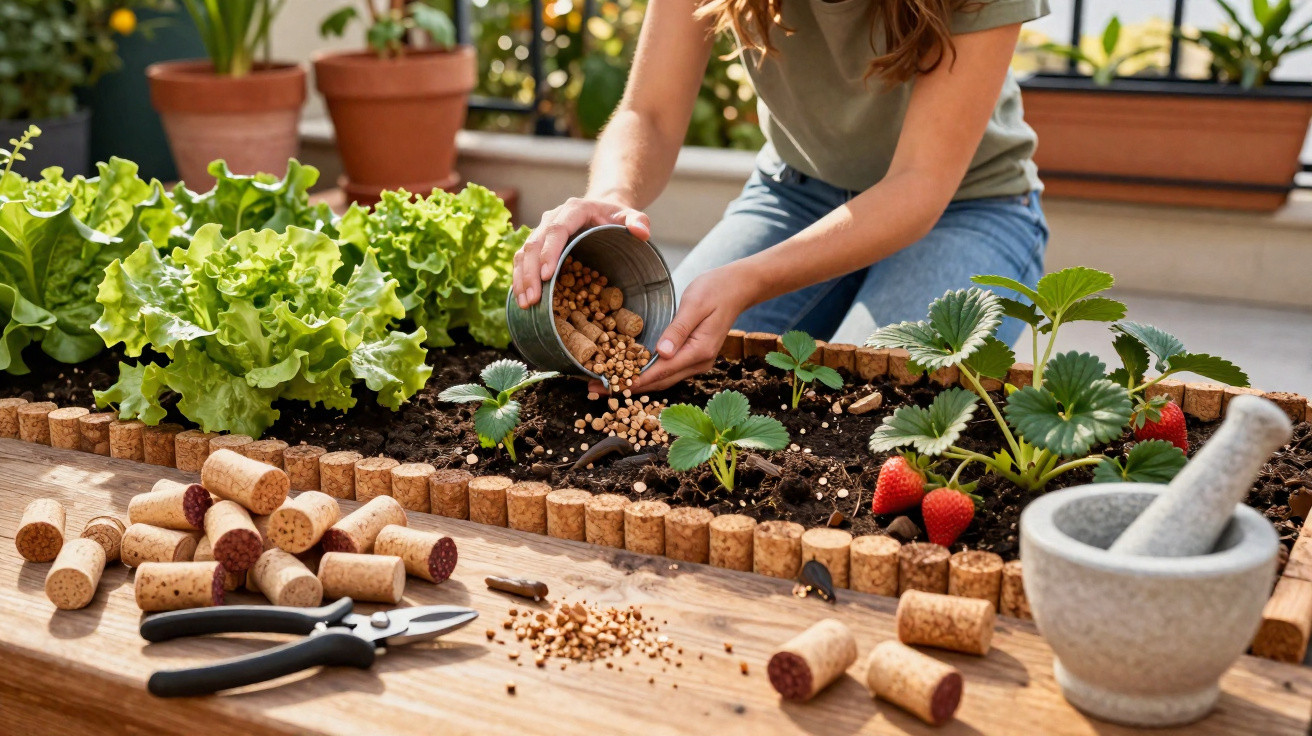
In pots and balcony planters, it’s worth mixing trailing and upright growers: petunias and nasturtiums can spill over the edge, while zinnias and cosmos add height. That way you get a dense-looking display quickly without needing dozens of different varieties.
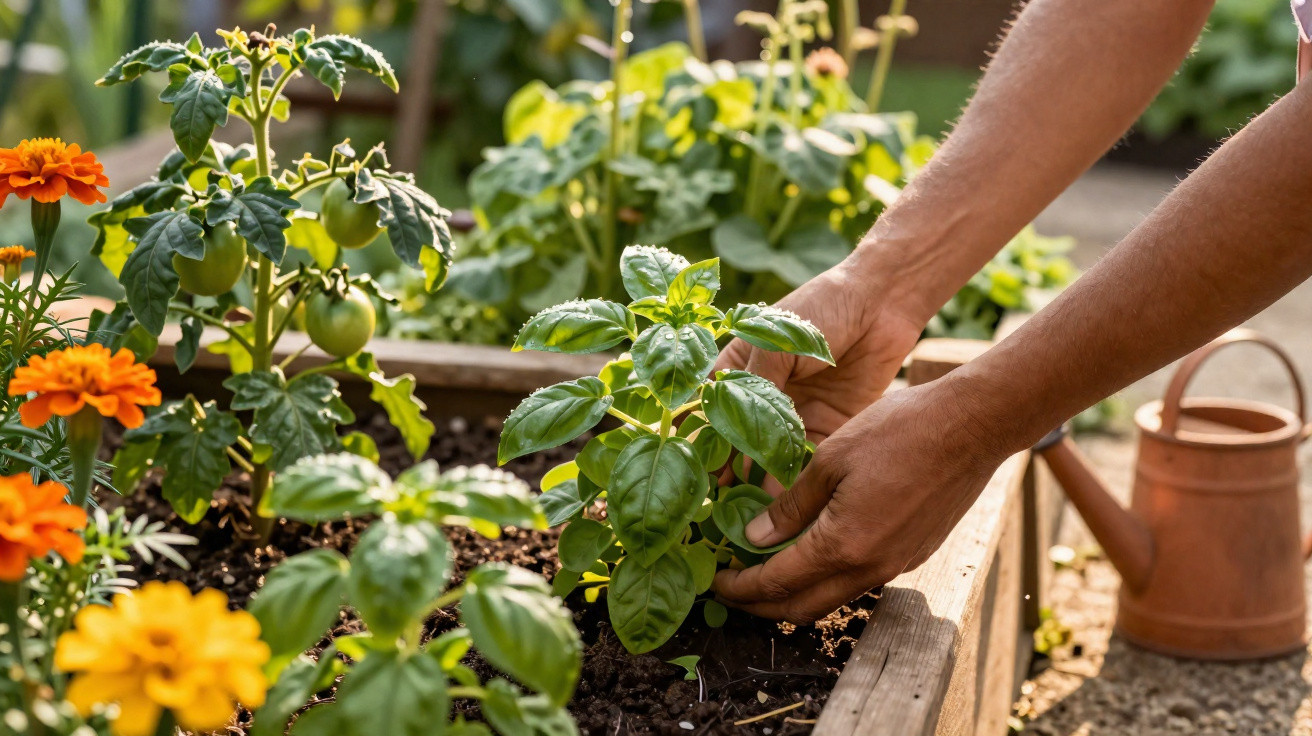
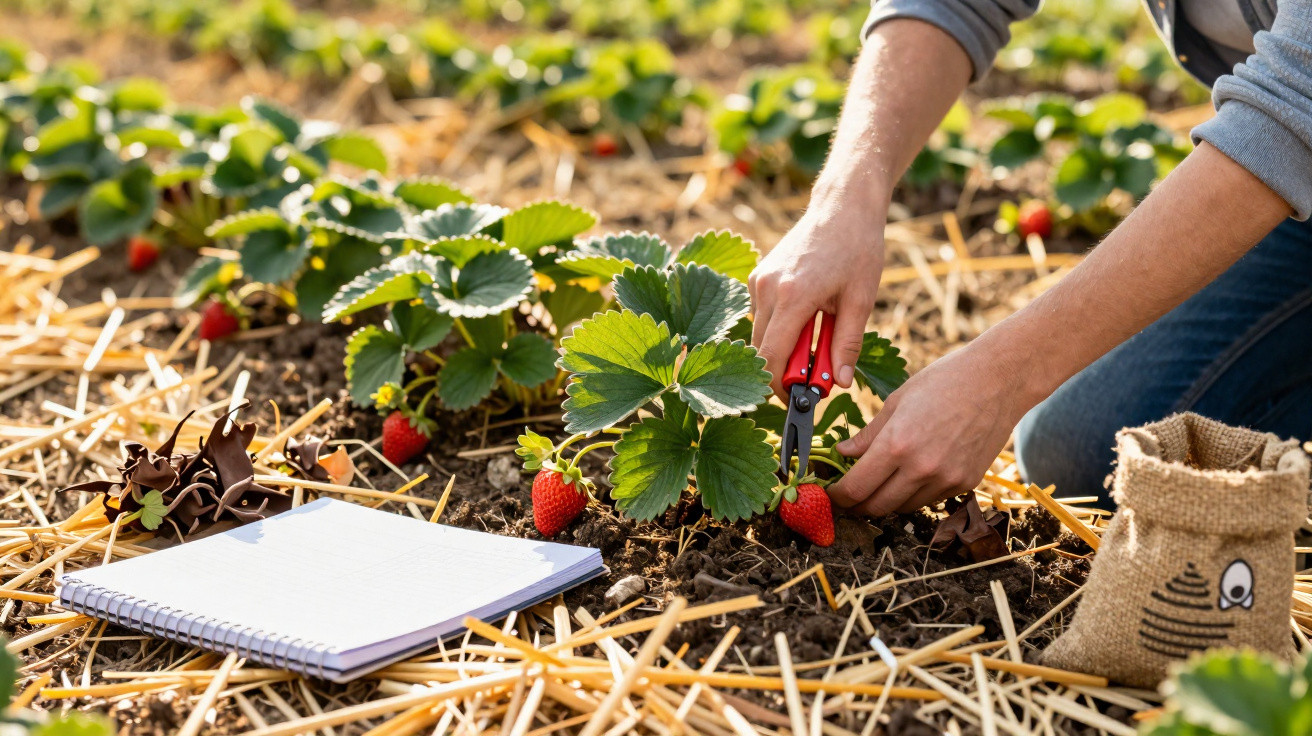
It’s also practical to pair flowers with veg. Nasturtiums can attract aphids and draw them away from lettuces, borage brings bees to strawberries and tomatoes, and calendula is often used in companion planting to help reduce soil fatigue.
If you set aside half an hour in March, pick up a packet of seed and stick to the basic rules above, you can shift your garden from winter grey to a lively sea of flowers in record time - with no specialist kit and no years of experience.
Comments
No comments yet. Be the first to comment!
Leave a Comment