
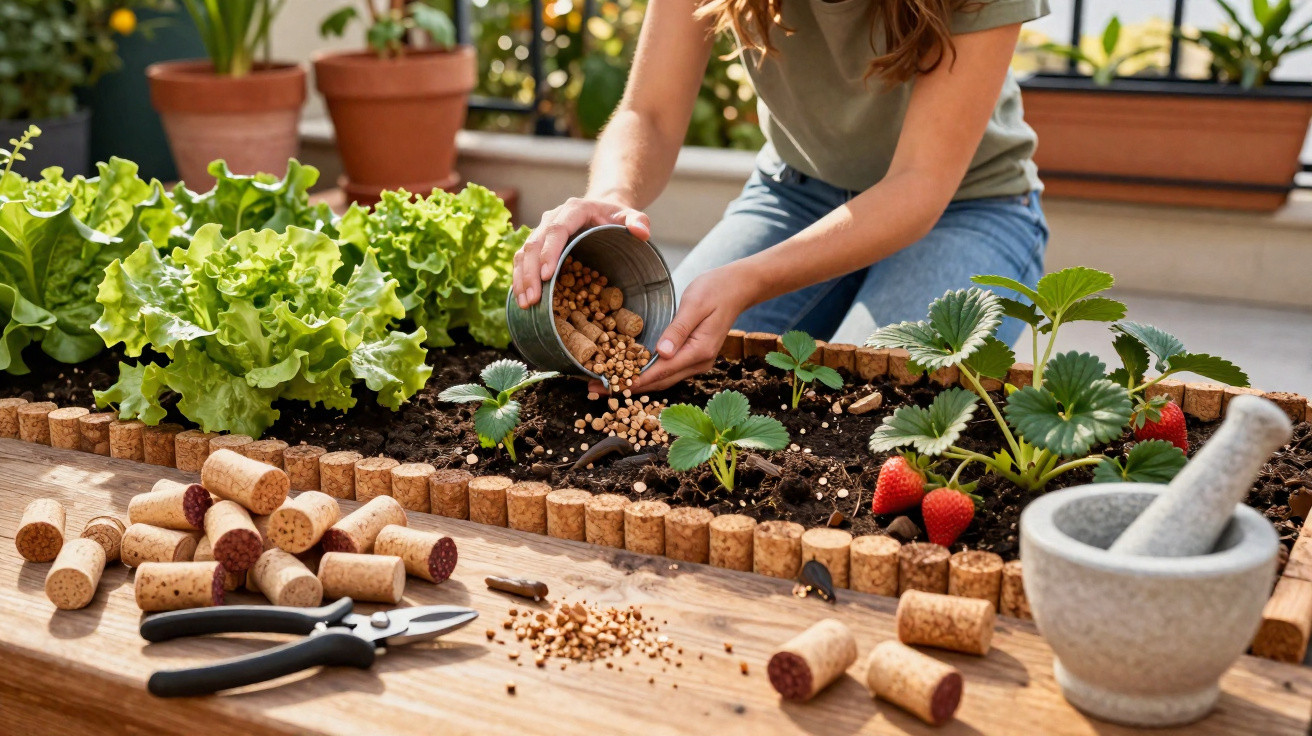
Too many corks end up in the bin after the wine – and they really shouldn’t.
In the vegetable garden, they can cut down watering, protect plants and slow down pests.
What usually gets tossed away without a second thought can be surprisingly useful in beds, on balconies and in raised planters. The modest wine-bottle cork turns out to be a handy everyday aid for a tougher, more water-efficient garden – and all without pricey specialist products from the garden centre.
Why corks are so useful in the vegetable garden
A traditional wine cork is made from the bark of the cork oak. That natural material has several qualities gardeners appreciate: it absorbs very little water, still lets air through, and provides insulation against both heat and cold.
"Cork acts like a natural protective layer: it keeps moisture in the soil for longer without making it waterlogged, and shields roots from extreme temperatures."
Because cork breaks down slowly, these benefits can last for several seasons. As it gradually rots down, it also helps keep the soil open and adds organic matter bit by bit, without upsetting the nitrogen balance.
Many amateur gardeners also value the fact that cork is fairly resistant to fungal attack. That can make damp areas around plants a little more stable, so unwanted fungi find it harder to spread.
Which corks can go in the garden - and which cannot
Not every bottle stopper belongs in your beds. The key point is what it’s made from.
- Suitable: natural corks without a heavy varnish layer or plastic wrap
- Less suitable: heavily glued or coated agglomerated/pressed corks
- Not for garden beds: plastic “corks” and aluminium closures
Before you use them, a quick rinse under running water is usually enough if there are wine stains. Then let the corks dry out completely, ideally somewhere airy. That helps prevent mould before the material goes into beds, pots or the compost.
Breaking corks down properly: coarse, fine or powder
To get the most from cork in the garden, it needs to be chopped into the right size pieces. The smaller the bits, the more precisely you can use them.
Coarse pieces for drainage and winter protection
With a sharp knife, cut corks into slices or quarters. Larger pieces work well:
- as a drainage layer in a pot or window box
- as a loose layer in the lower section of raised beds
- as an insulating cover around perennial plants in winter
Fine crumbs for mulch and slug deterrence
If you want mulch or protective rings around young plants, it’s worth crushing the cork more thoroughly. You can do that with:
- a sturdy kitchen knife or cleaver
- a small wooden mallet on a solid board
- an old blender you keep only for garden materials
The finer the crumb, the more evenly you can spread it as mulch. Very finely crushed cork becomes an abrasive, granular layer - ideal for gently surrounding delicate seedlings or creating a surface that slugs dislike.
Cork mulch: a water-saver for beds and raised planters
In beds with tomatoes, courgettes, peppers or strawberries, a layer of shredded cork can take a lot of work off your hands. The mulch covers the soil, blocks direct sun and slows evaporation.
"A cork layer just a few centimetres thick helps extend the time between watering and keeps the soil slightly moist even after hot days."
At the same time, the mulch suppresses some unwanted weeds. You’ll need to hoe less often, and the fine roots of your vegetables are left undisturbed. If you like, you can combine cork with other materials, such as:
- straw or hay
- dried leaves
- woodchip or bark chippings
A mix makes the mulch a bit heavier, so it’s less likely to blow around in the wind. Visually, that blend often looks more balanced than a layer of cork on its own.
Drainage instead of clay pellets: corks in pots and balcony planters
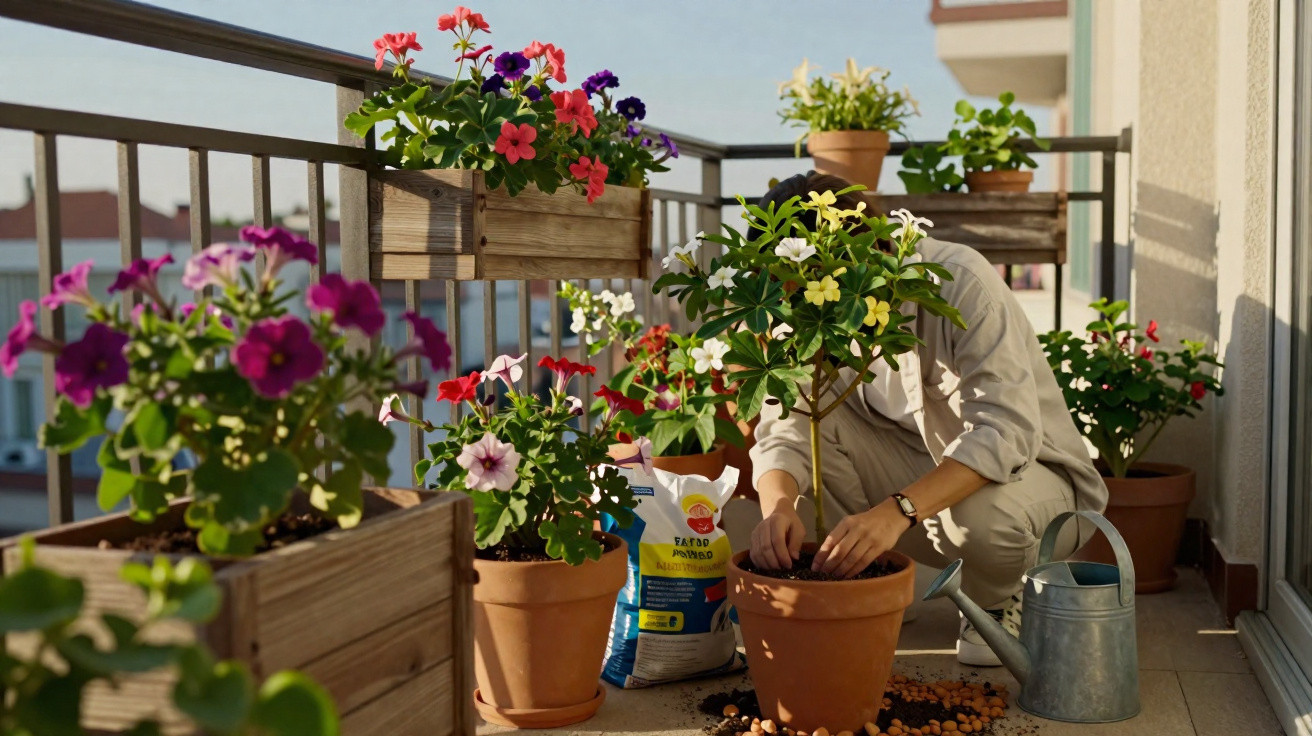
Traditional clay pellets are a common choice in pots and balcony planters. If you get through a fair amount of wine, you can save yourself buying them. Whole or halved corks placed at the bottom of a container help excess water drain away, reducing the risk of waterlogging.
One bonus is that cork weighs very little. On balconies, that can lower the overall weight of planters, which may matter with older railings or large troughs. After a year or two, the corks can go into the compost and be replaced with fresh ones.
Rough ground for slugs: cork as a natural barrier
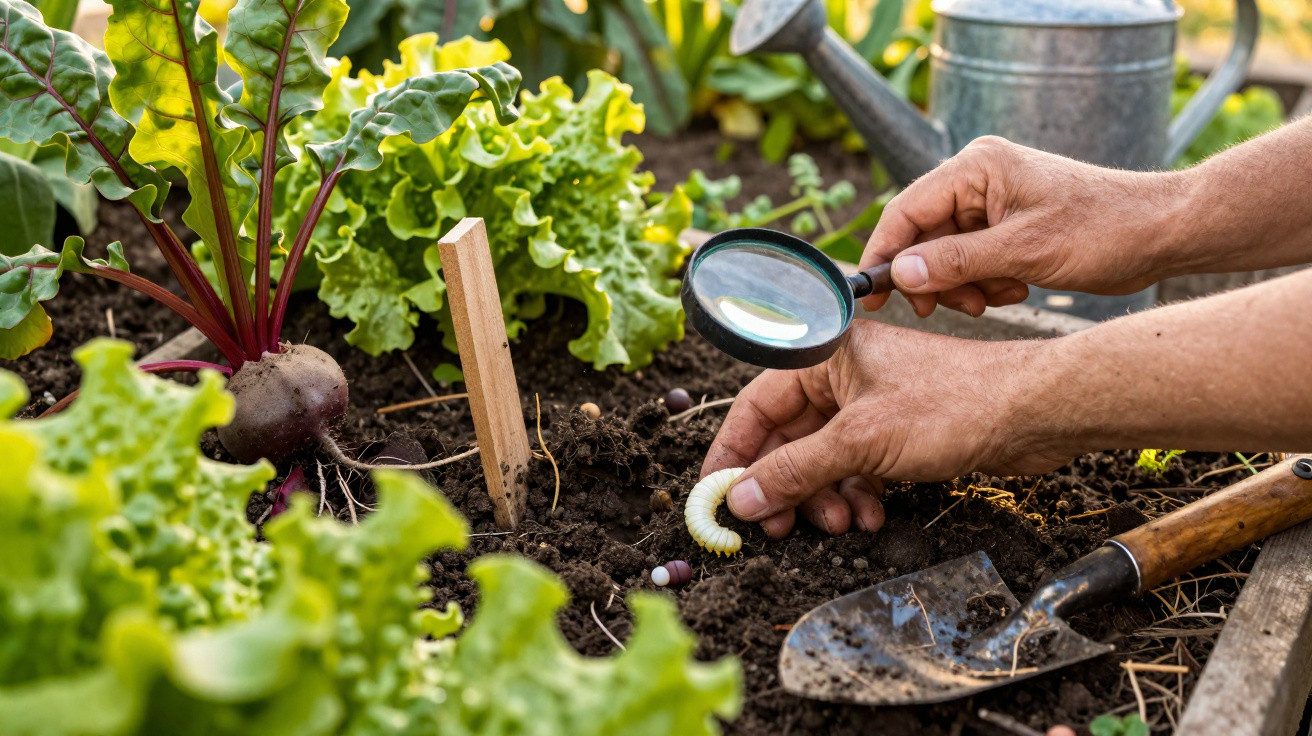
Hardly a gardening season goes by without the irritation of chewed lettuce or pumpkin leaves full of holes. Fine, sharp-edged cork granules can make it more difficult for slugs to travel.
Sprinkle an unbroken band of cork crumbs, several centimetres wide, around vulnerable young plants. The uneven, dry texture is unpleasant for the animals. It’s not something to rely on entirely, but alongside other measures it increases the odds that at least some plants will be left alone.
Cork in the compost: air for micro-organisms
This material can also be put to work in the compost bin. Finely chopped cork adds extra carbon and improves aeration in the heap. Very wet kitchen waste is then less likely to turn foul and rot.
Good shredding matters. Large, whole corks decompose extremely slowly and can still be sitting in finished compost years later. Small crumbs, by contrast, gradually disappear into the compost without a trace.
Practical extra uses in everyday gardening
Beyond mixing it into soil, there are a few simple tricks that can make day-to-day gardening easier:
- Plant labels: write on a cork with a marker and push it onto a wooden skewer for a durable variety label.
- Protective caps: fitted onto the top of a cane, a cork stops you catching yourself on sharp ends.
- Float aid: a few corks in a water butt or pond can act as a “rescue island” for insects or small animals.
What to watch for: limits and small risks
As handy as cork is outdoors, a couple of details are worth noting. Very thick layers right up against the stem can trap damp if rainwater does not dry quickly. Leave a small gap around the base of the plant.
If you have lots of corks with heavy printing or varnish, it’s better to leave those out. The amount of ink is small, but in a consistently nature-friendly garden, untreated material simply fits better.
How to combine cork with other garden ideas
It becomes especially effective when you pair these cork uses with other approaches. In drier areas, cork mulch, drip irrigation and close planting can work together to noticeably reduce water use. In raised beds, mixing prunings, leaves and cork in the lower layers can cut weight and improve airflow.
Collecting corks can also make sense in towns and cities. If you don’t drink wine yourself, ask friends or your favourite restaurant. That way, an everyday waste item becomes a small but effective building block for a resource-efficient garden - from balcony planters to larger self-sufficiency beds.
Comments
No comments yet. Be the first to comment!
Leave a Comment