
How risky is it really?
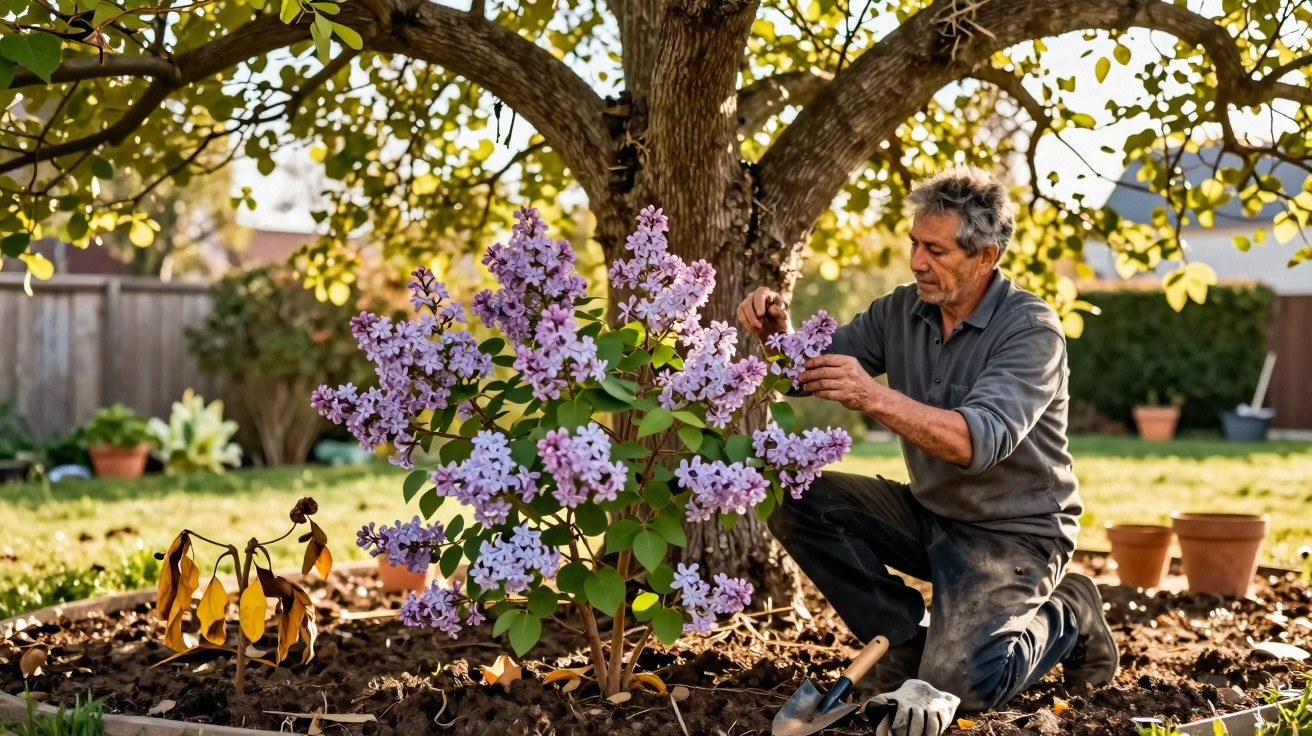
If you have a black walnut in the garden, you may have seen it happen: certain plants struggle, wilt, and then simply disappear. The culprit is not poor gardening but a toxin building up in the soil. The interesting part is what happens with Asian lilies. They are among the most popular summer-flowering plants - and they often respond surprisingly well to juglone, the notorious compound produced by the walnut family.
What juglone does to your garden
Walnut trees have a reputation for being awkward neighbours. The reason is juglone - a natural toxin produced mainly by black walnut, butternut, and English walnut. It is found in the roots, bark, leaves, and the green husks around the nuts.
When fallen leaves and husks start to rot, or when rainfall washes compounds out of plant material, juglone ends up in the soil and surrounds the roots of nearby plants. The so-called toxic zone typically extends about 15 to 25 metres out from the trunk and, depending on how far the roots spread, can reach even further.
"Juglone blocks the respiration of plant cells - sensitive species often wilt within one to two days."
On a biochemical level, juglone disrupts cellular respiration. As the plant’s energy production drops, foliage goes limp, turns yellow, and can die back. How severe the impact is depends on several factors:
- Soil type: Heavy clay soils retain juglone far longer than sandy, free-draining soils.
- Drainage: Waterlogging keeps roots in contact with contaminated soil water for longer.
- Concentration: The closer you are to the trunk and main roots, the more juglone is released.
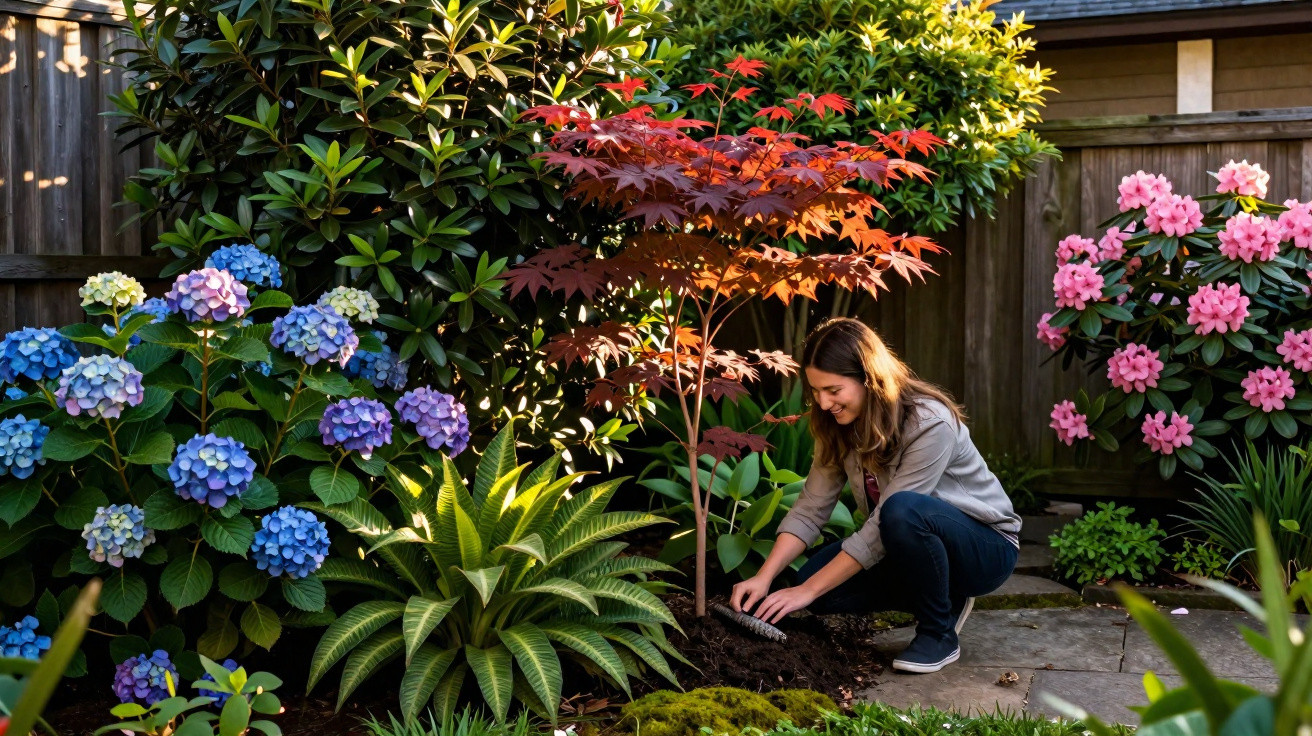
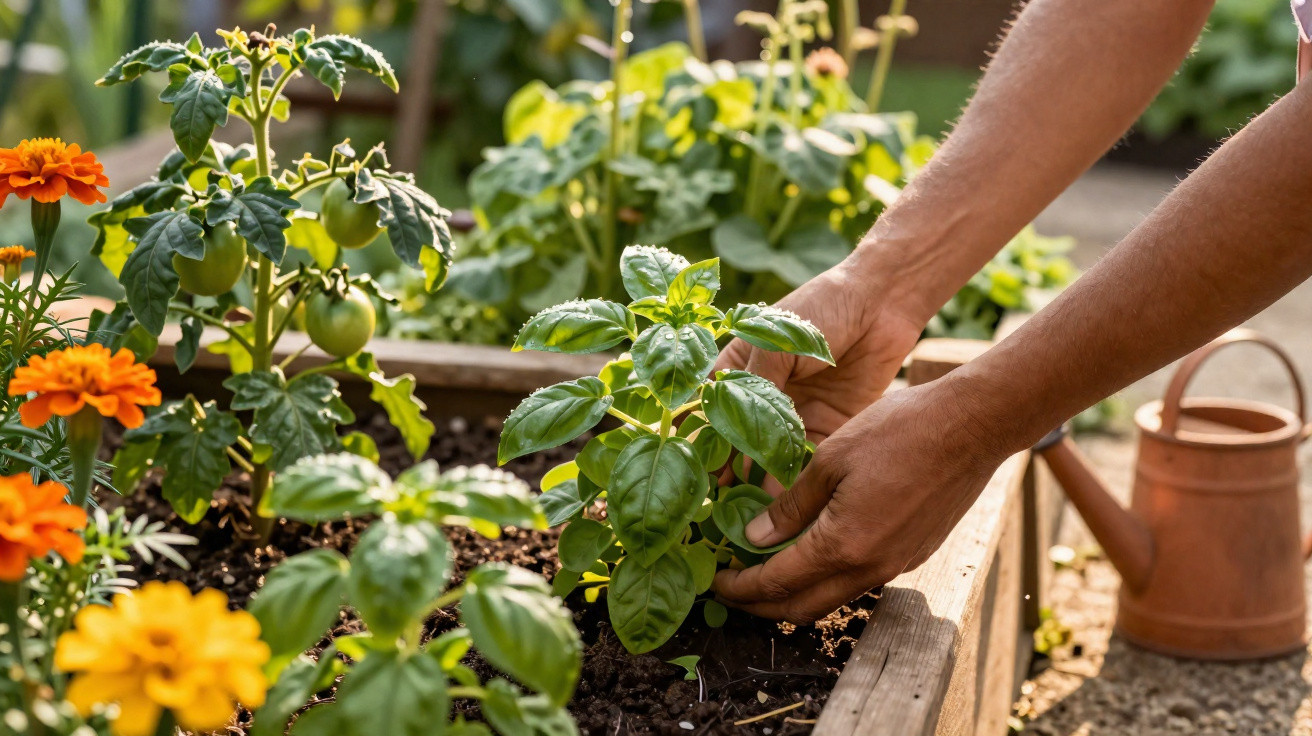
Vegetables in the nightshade family - such as tomatoes, peppers, and potatoes - are particularly sensitive. Rhododendrons, azaleas, and many heather-family plants can also react strongly. On the other hand, plenty of spring bulbs, tough perennials, and woodland species cope with juglone remarkably well.
How Asian lilies respond to juglone
There is good news for lily lovers: Asian lilies show moderate to good tolerance of juglone-affected soils. They are not completely immune, but they are noticeably more resilient than many other bedding and border plants.
University trials and practical observations in gardens with large walnut trees paint a similar picture: Asian lilies can still flower reliably within the tree’s influence, provided the site suits them in general. Their cells and metabolic pathways appear to be less vulnerable to juglone’s disruptive effect.
"Asian lilies usually tolerate juglone well enough that they can still grow attractively even beneath the canopy of large walnut trees."
Even so, differences can show up. Where juglone levels are lower, plants often grow more vigorously, produce more flowers, and look healthier overall. In other words, tolerance means they survive and bloom - but sometimes a little less strongly than in a completely unaffected bed.
Comparison: how different lily groups cope with juglone
| Lily group | Estimated juglone tolerance | Recommended planting distance from a walnut tree |
|---|---|---|
| Asian hybrids | moderate to good | within 15–25 metres is usually fine with good drainage |
| Oriental lilies | moderate | better towards the outer edge in free-draining soil |
| Trumpet lilies | moderate | preferably at the edge of the influence zone |
| Species lilies | often good, depending on species | frequently possible even within the juglone zone |
Site, soil, care: helping Asian lilies show their strengths
Whether Asian lilies will do well beneath a walnut depends heavily on the basics. Three things matter most: drainage, soil structure, and ongoing care.
Test drainage - before you plant
Before setting bulbs, a simple check is worthwhile. Dig a hole about 30 centimetres deep, fill it with water, and watch what happens. If, after 24 hours, the hole is still half full, the soil is holding water. In that case, lilies will need support through soil improvement or a raised bed.
Asian lilies generally perform best where excess water can drain quickly. Under a walnut, this becomes even more important because well-drained soils tend to hold juglone for a shorter time.
Improve the soil deliberately
Upgrading the soil reduces stress on the lilies significantly. Useful steps include:
- working in generous amounts of compost or well-rotted farmyard manure
- lightening heavy soils with sand and coarse material such as grit
- digging planting holes a little wider and deeper than usual
- planting bulbs 15–20 centimetres above the surrounding ground level, for example on a small mound
Organic matter also supports soil microorganisms. Some soil life can break down juglone more quickly, which can lower the long-term load.
Practical tips: getting lilies to thrive in a walnut’s shade
If you have to share your garden with a walnut tree, you can adjust how you plant rather than giving up on lilies. These measures tend to help in real gardens:
- Clear fallen leaves, green nut husks, and small twigs regularly so they do not rot directly in the lily bed.
- Renew a 5–7 centimetre mulch layer of bark chips or leaf-mould compost each year.
- During extended dry spells, water deeply to dilute juglone in the soil and help flush it through.
- Plant bulbs about 15–20 centimetres deep so they sit slightly protected from fresh leaf fall.
- Watch plants closely in the first year: weak growth, sudden wilting, or yellowing leaves are warning signs.
"The best spots are usually around the outer edge of the tree ring - there lilies benefit from partial shade without sitting right in the toxic centre."
For extra security, grow Asian lilies in a slightly raised bed or in a large, deep container positioned within the walnut’s root area. This limits contact with contaminated soil while still keeping the overall garden design looking cohesive.
Suitable companion plants for juglone-affected beds
Choosing the right companions is another important piece of the puzzle. Around walnut trees, it makes sense to use plants that can also cope with juglone and that visually support the lilies. Good options include:
- hosta varieties for foliage interest and shade effect
- astilbes, which add structure with their plume-like flowers
- many ferns to bring a woodland feel
- spring bulbs such as daffodils and snowdrops
This approach helps create a robust bed where plants do not collapse at the first rise in juglone levels. If you are trialling new species, start with a small number and monitor their response over one to two years.
Resistant lily species for especially difficult sites
Beyond Asian hybrids, certain species lilies can be worth considering in problem areas. Some North American species that occur naturally alongside walnut relatives have adapted to juglone. These include lilies that grow in damp woodland settings and along woodland edges.
They suit gardeners who want to plant very close to an old, large walnut tree and want maximum reassurance. Used alongside Asian varieties, they can also extend the flowering period and broaden the range of colours.
How to recognise genuine juglone damage
Many garden issues look similar at first glance. To identify juglone as the likely cause, it helps to examine the pattern closely. Typical signs include:
- sudden wilting of apparently healthy plants within 24–48 hours
- yellow, limp leaves that do not improve after watering
- plant death following the lines of roots in the soil
- repeated problems directly under or beside walnut trees
Nutrient deficiencies or drought stress usually cause a slower decline. With Asian lilies beneath walnuts, you often see a mixed picture: slightly slowed growth and somewhat smaller blooms - a sign they are affected, but not completely overwhelmed.
What gardeners can learn from the juglone problem
Once you understand how juglone behaves, you can plan planting schemes more strategically. Asian lilies are among the ornamental plants that can still perform well despite the chemical pressure. With free-draining soil, regular removal of leaf litter, and attention to how water moves through the bed, it is possible to create striking lily displays even in the shade of a powerful walnut.
From a biological perspective, the effect is just as interesting: plants such as Asian lilies show that different species can defend themselves to very different degrees against their neighbours’ “chemical warfare”. For home gardeners, that means difficult areas can often be used intelligently rather than written off as “dead zones” in the garden.


Comments
No comments yet. Be the first to comment!
Leave a Comment