
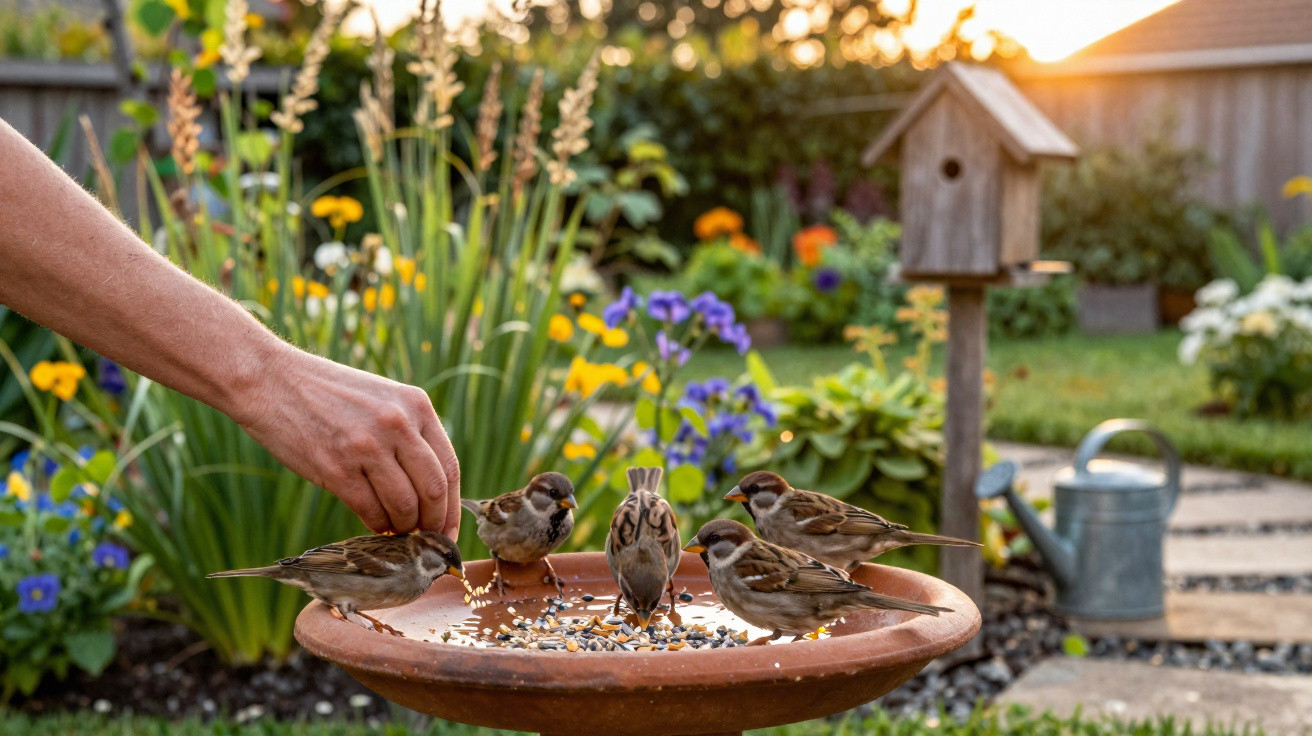
When spring sunshine grows stronger, buds begin to swell and the first pollen drifts through the air, many people start watching robins and tits. They’re often seen as the “favourites” among garden birds. Yet one low-key neighbour is regularly overlooked: the house sparrow - the everyday sparrow most of us take for granted. Conservationists are now raising the alarm - not because it’s a nuisance, but because we rely on it far more than many realise.
From “pest” to an essential garden neighbour
For decades, farmers viewed the sparrow as a problem bird. It pecks at cereal grains and seeds in fields and can eat freshly sown seed - which quickly earned it the label of a “pest”. That reputation still lingers for many people today, including in towns, gardens and allotments.
Modern biologists say this view is outdated. Experts at the Ligue pour la protection des oiseaux (LPO) - the French counterpart to Germany’s NABU - point out that the judgement was shaped mainly by economics. It was easy to quantify the grains a sparrow ate. Its benefits within the wider ecosystem were largely ignored.
Every bird species contributes something to balance in the garden - it usually only becomes “harmful” as a result of human interference.
Only since biodiversity has stopped being measured purely in money and yield has a different understanding taken hold: the sparrow isn’t a troublemaker, but a key piece of stable habitats - including right on our doorstep.
A faithful companion to people
Sparrows are what ecologists call “culture followers”: species that have adapted closely to human life. Where there are houses, barns, yards and gardens, you will usually find sparrow colonies too. Specialists therefore describe it as a “regular companion to humans”.
In built-up areas in particular, it carries out roles that often go unnoticed. And while it has a reputation as a seed-eater, sparrows become surprisingly selective when raising a family: grain alone is not enough for their chicks.
How the sparrow helps in the garden
During the breeding season, sparrows feed their nestlings mainly on protein-rich food. That means their menu shifts away from seeds and towards insects - especially larvae.
Sparrow parents cram their chicks with insect larvae for days on end - which significantly reduces the number of potential “pests” in the beds.
A helper, not a plague
A pair of sparrows has to make countless trips to the nest each day to keep the young well fed. Along the way, the birds collect, among other things:
- caterpillars of butterflies and moths
- aphids and their larvae
- small beetles and beetle larvae
- spiders and other small creatures that could otherwise attack plants
Without natural predators, many of these insects could multiply quickly and nibble at vegetables, roses or young fruit trees. In that sense, the sparrow acts like free biological pest control, catching what is often tackled with chemicals.
Conservationists refer to this as “regulating insect populations”. In other words, the bird maintains balance. It doesn’t wipe out a species, but it can prevent the kind of mass outbreaks that cause problems in gardens.
Why the house sparrow needs support right now
Despite these benefits, the house sparrow is doing worse in many regions than it used to. Studies from several European countries show a clear decline in cities. Sealed surfaces, sterile front gardens filled with gravel instead of shrubs, and smooth building façades with no crevices - all of this deprives sparrows of nesting sites and food.
The LPO stresses that every species has its place in nature’s structure. Whether something is seen as “useful” or “harmful” often depends only on our perspective. When ecosystems start to wobble, the cause is usually human actions: pesticides, land sealing, monocultures - not the sparrow.
Where gardens remain diverse, hedges are kept and insects are present, sparrows can find enough space - and they repay it with more stable ecosystems.
What garden owners can do for sparrows
Anyone who doesn’t chase sparrows away and instead supports them actively will, in the long run, benefit from a healthier, more lively garden. Many measures are straightforward and inexpensive.
Structure instead of stone chippings
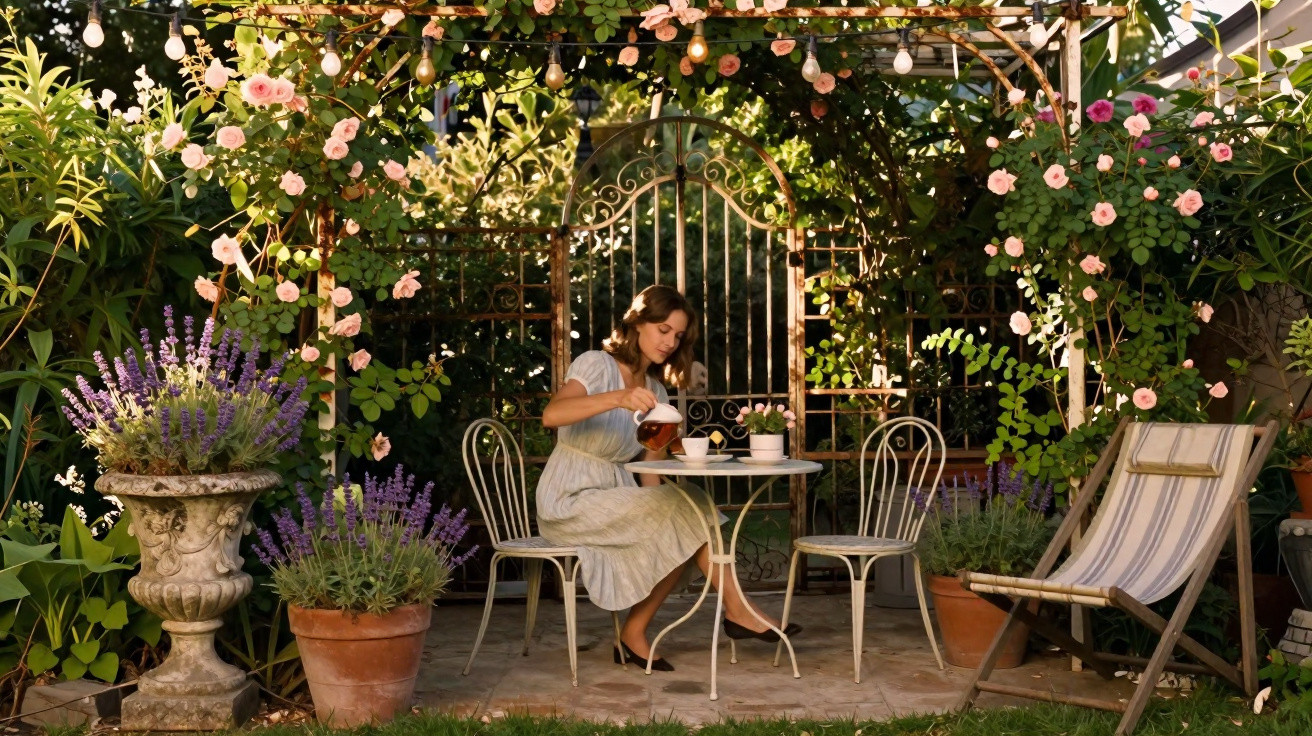
Sparrows need shrubs, hedges and dense bushes as cover. Pure gravel areas with a few ornamental grasses may look “tidy”, but they offer birds hardly any shelter and very little food.
Useful features for a sparrow-friendly garden include, for example:
- dense hedges made from native species such as hornbeam, privet or hawthorn
- climbing plants on fences or walls, providing hiding places and insects
- an area of lawn allowed to grow wild, attracting seeds and insects
- old wall cracks or dedicated nest boxes fixed to the house wall
Water, food and nesting sites
Sparrows benefit from simple water sources, such as a shallow dish filled with fresh water. They use it not only for drinking but also for bathing. Bathing keeps feathers in good condition and helps against parasites.
In winter, feeding stations with mixed seeds are helpful. During the breeding season, however, an insect-friendly garden is the best “feeder”: anyone who avoids insecticides automatically ensures there are enough protein sources for chicks in the nest.
Misconceptions about the sparrow
Many objections are based on outdated ideas that don’t match modern research. Three common misconceptions come up again and again:
| Prejudice | Reality |
|---|---|
| “Sparrows only steal my seed.” | They do eat seeds, but at the same time they regulate insects that can severely damage young plants. |
| “They just make a mess and a racket.” | A typical sparrow flock can be noisy, but it mainly signals a living ecosystem - including natural plant protection. |
| “Sparrows are everywhere; they’re not at risk.” | In many towns and villages, numbers are falling noticeably because nesting sites and food sources are disappearing. |
Why garden diversity benefits you directly
A garden with sparrows, tits, robins and insects may look less sterile, but it is more resilient. The more species that play a role, the less likely it is that one pest will gain the upper hand. Sparrows are just one piece of a bigger puzzle.
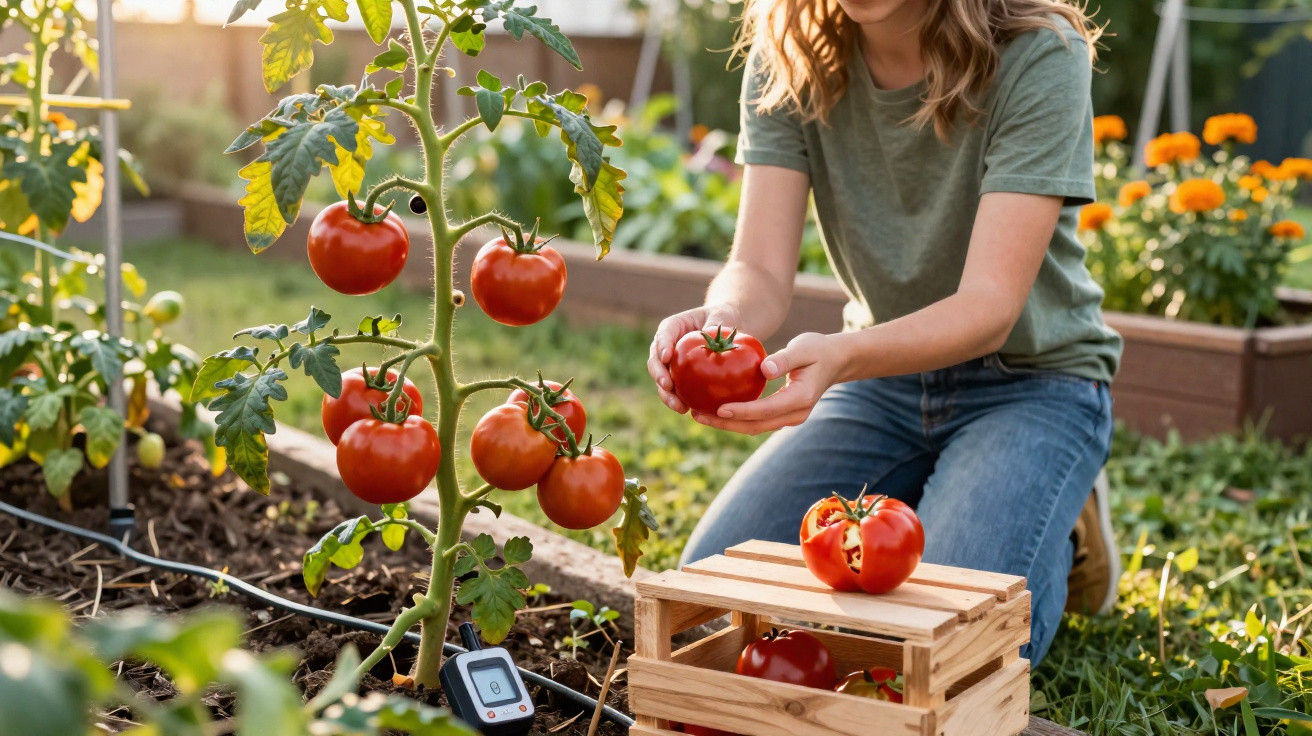
People who plant a variety of species, avoid heavy chemical use and welcome birds often save themselves the cost of expensive plant protection products. For example, a vegetable bed with cabbage and lettuce in an area with plenty of birds is usually far less ravaged by caterpillars and aphids than the same bed in a bare environment with no shrubs or nesting opportunities.
What’s striking is that the benefit isn’t limited to summer. If sparrows and other birds remain in the same place for years, many insect populations settle into levels that plants can cope with. That reduces stress on trees and shrubs and can make them more resistant to heatwaves or disease.
What “biodiversity” really means
In this context, the term “biodiversity” comes up constantly. It refers to the variety of species, habitats and genetic variation within a species. The sparrow contributes because it is part of a network of predators and prey, plants and microorganisms.
Remove one species from that network and the relationships shift. Fewer sparrows often means more insect damage, more chemical use and less plant diversity - a domino effect that can drive out other birds as well. Preventing this kind of tipping point is exactly what organisations like the LPO are trying to do.
For gardeners, the practical message is clear: accepting the sparrow indirectly supports many other animal and plant species. Preserving just one nest can help keep an entire system steadier. In doing so, these birds provide a service that’s hard to put a price on - even if they occasionally pinch a few grains from the patio.

Comments
No comments yet. Be the first to comment!
Leave a Comment