

In many gardens, mosquito season is starting noticeably earlier than usual.
After an unusually mild, wet winter, biting mosquitoes - especially aggressive "tiger mosquitoes" - are already returning in early spring. Specialists warn that if you do not act now, you could be facing a real nuisance around the house by summer. What matters most is a short period in late winter and early spring - and that is exactly the window many people miss.
Early spring for pests: why mosquitoes have arrived sooner this year
Last winter brought little frost, plenty of rainy days and rapidly lengthening daylight. For mosquitoes, that is the perfect head start. Their development depends heavily on warmth and water. As soon as daytime highs reach around 15 °C, eggs laid in autumn begin to "activate".
For some species - particularly the tiger mosquito - one heavy downpour can be enough. Water reaches the resilient eggs stuck to dry surfaces. Within just a few days the larvae hatch, and after roughly a week the first ready-to-bite mosquitoes are flying around the garden.
The earlier the season starts, the more mosquito generations can develop by autumn - and the worse the nuisance becomes in the end.
Researchers describe the current pattern as exceptionally early. In some places, larvae were found as early as the end of February in tiny puddles and water containers. Anyone still thinking "It’s far too cold for mosquitoes" is often mistaken - the eggs are already primed.
Why so many mosquitoes - especially tiger mosquitoes - come straight from your garden
Many people picture mosquito breeding sites as typical ponds or large pools of standing water. That is true for some species, but not for the tiger mosquito, which has spread significantly across Europe in recent years.
This species is markedly "home-loving". It tends to stay close to where it emerged, usually within a radius of 100 to 150 metres. Most often, that place is:
- a saucer under a plant pot,
- a bucket or watering can with leftover water,
- a toy in the garden that collects rainwater,
- the water-filled base of a parasol,
- a fold in a tarpaulin or cover where water gathers.
In plain terms: the mosquito that bites on the patio in the evening very often comes from your own property - or the neighbour’s.
Removing breeding sites right outside your front door is the most effective way to cut mosquito numbers in your immediate living area.
The key difference from the "normal" house mosquito is that tiger mosquitoes do not need a pond. A few millilitres of water are enough. That is exactly what makes them so successful in residential areas.
The right moment: when you should take action
The best guide for when to begin mosquito control is not the calendar, but the thermometer. When daily maximum temperatures sit at about 15 °C or higher for several days in a row, the critical phase begins - even if hardly anyone has been bitten yet.
As soon as the first heavier rain sweeps through, the season gets going. Experts talk about a "window" in which prevention delivers the biggest payoff: late winter into early spring.
Once the process is underway, development is rapid. In only around seven days, an egg can become a fully developed mosquito. After that, explosive increases are hard to slow without significant effort.
Health authorities therefore advise building firm routines:
- Check outdoor areas weekly - roughly from April to November.
- After every spell of heavier rain, look for standing water - regardless of the time of year.
- Before and after holidays or any longer absence, inspect the balcony and garden.
Many eggs survive even severe frost. If you only start tackling mosquitoes in midsummer, you are consistently too late.
Immediate actions: simple steps that slow the mosquito surge
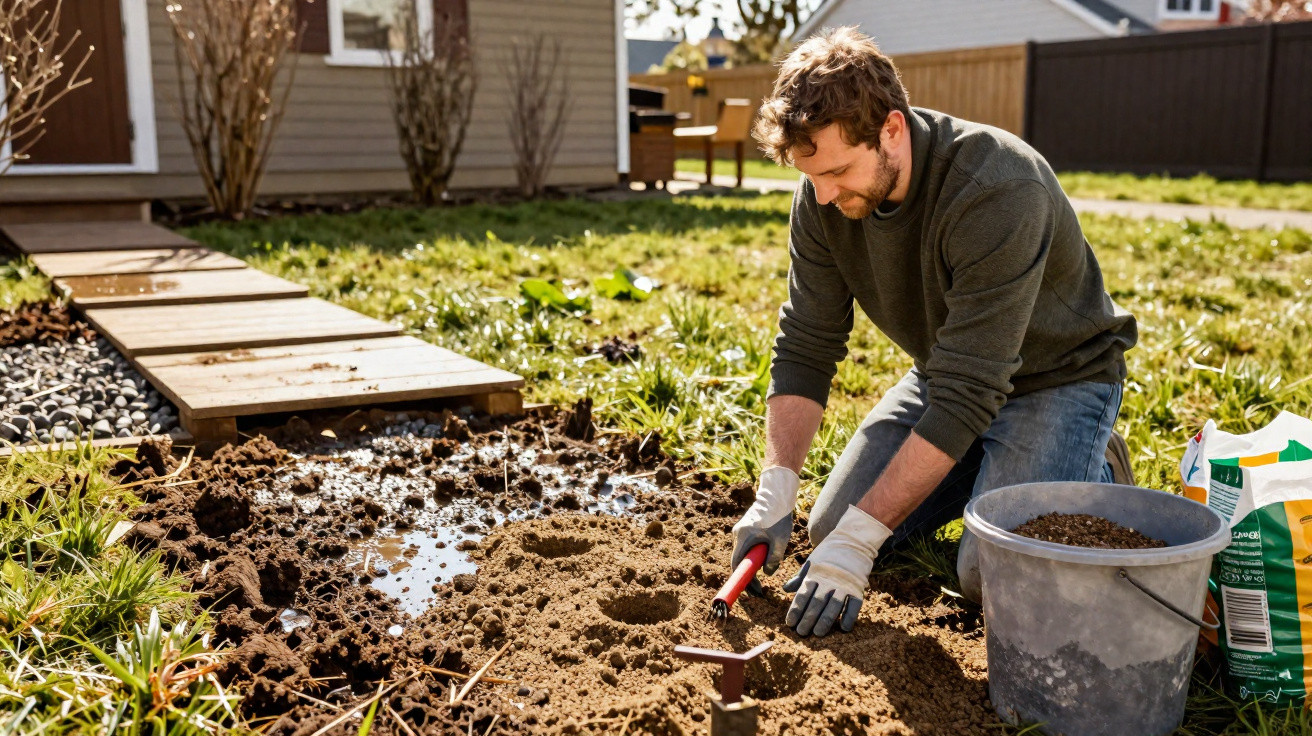
The most effective step takes almost no time: get rid of standing water. Ten focused minutes per week can shape the entire summer.
Eliminate water sources in the garden and on the balcony
Work methodically and check anywhere rainwater or watering water might collect:
- Empty saucers and trays under plant pots, or fill them with sand.
- Tip out or turn over buckets, watering cans, wheelbarrows and other containers.
- Drain parasol bases or keep them covered.
- Store toys, paddling pools and garden furniture so that no water remains.
- Smooth out folds in tarpaulins and covers so rainwater can run off.
- Empty animal water bowls regularly and refill with fresh water.
A tiny rim of water in a plant-pot saucer can provide habitat for hundreds of mosquito larvae - and often goes unnoticed for months.
A practical trick: filling saucers with sand helps retain moisture for the plant, while removing the open water surface mosquitoes need.
Secure rainwater butts, pools and ornamental fountains properly
From a mosquito’s point of view, rainwater butts are ideal nurseries. They should:
- always be tightly covered with a lid or mesh,
- if necessary, be fitted with fine gauze so nothing can fall in,
- be checked regularly for cracks, gaps or new openings around the sides.
Pools and larger basins should be kept properly maintained, with circulation and, where appropriate, suitable treatment products. Smaller, rarely used basins are best emptied and stored dry.
Ornamental ponds and garden ponds tend to be less of an issue if they are well aerated and contain fish or other natural predators. Many fish species consume mosquito larvae in large quantities.
Technical aids: what traps and sprays really achieve
If you want to reduce mosquitoes not only at the source but also in their flying stage, traps can help. Modern devices usually use attractants, heat and CO₂ to imitate a person’s presence. The mosquitoes are then sucked in and die inside the unit.
Used continuously and positioned sensibly - for example, at the edge of the garden rather than right beside the patio - these traps can noticeably reduce the number of biting females around the home.
Skin sprays with approved active ingredients offer time-limited protection for individuals. They are useful for evenings outdoors or when travelling, but they do nothing to remove breeding sites in the garden. The population remains the same size; the mosquitoes simply cannot bite through treated skin for a while.
More than a nuisance: which diseases mosquitoes can transmit
Mosquito bites are annoying, itchy and can disrupt sleep. In sensitive individuals, they can cause significant swelling or allergy-like reactions. But that is not all: some species can transmit pathogens.
This includes, among other things, viruses that can trigger fever and flu-like symptoms. Travel and climate change make it more likely that such pathogens will appear in areas where they previously played little role.
Every bite avoided lowers, by a small amount, the risk of pathogens establishing themselves in your local area.
Acting early against mosquitoes therefore does not only protect your patio; it also helps make the wider environment less favourable for mosquito-borne diseases.
Why early prevention pays off all summer
Mosquitoes multiply in generations. A small group in spring can multiply many times over by midsummer if it repeatedly finds new breeding sites. Taking action now directly reduces the starting number of females that go on to lay eggs.
A practical approach is to build a regular "mosquito check" into everyday life:
- Take a brief walk round the garden and balcony each week.
- Look critically at any visible water surface.
- Empty containers or change them so no water can stand.
- If mosquito numbers are high, also consider traps or nets.
If you turn these simple steps into a routine, you often notice the difference in the same summer: fewer bites, calmer evenings outside and far less buzzing by the bedroom window.
Neighbourhood efforts are worthwhile too. Because many mosquitoes have only a short flight range, it helps enormously if several homes on the same street keep gardens dry together. A well-kept balcony next to a "forgotten" courtyard full of water containers is only half as effective.
Mosquitoes are part of nature and will not disappear completely. But with a few targeted actions at the right time, the nuisance drops significantly - and the next evening on the patio is far more likely to feel relaxed.




Comments
No comments yet. Be the first to comment!
Leave a Comment