
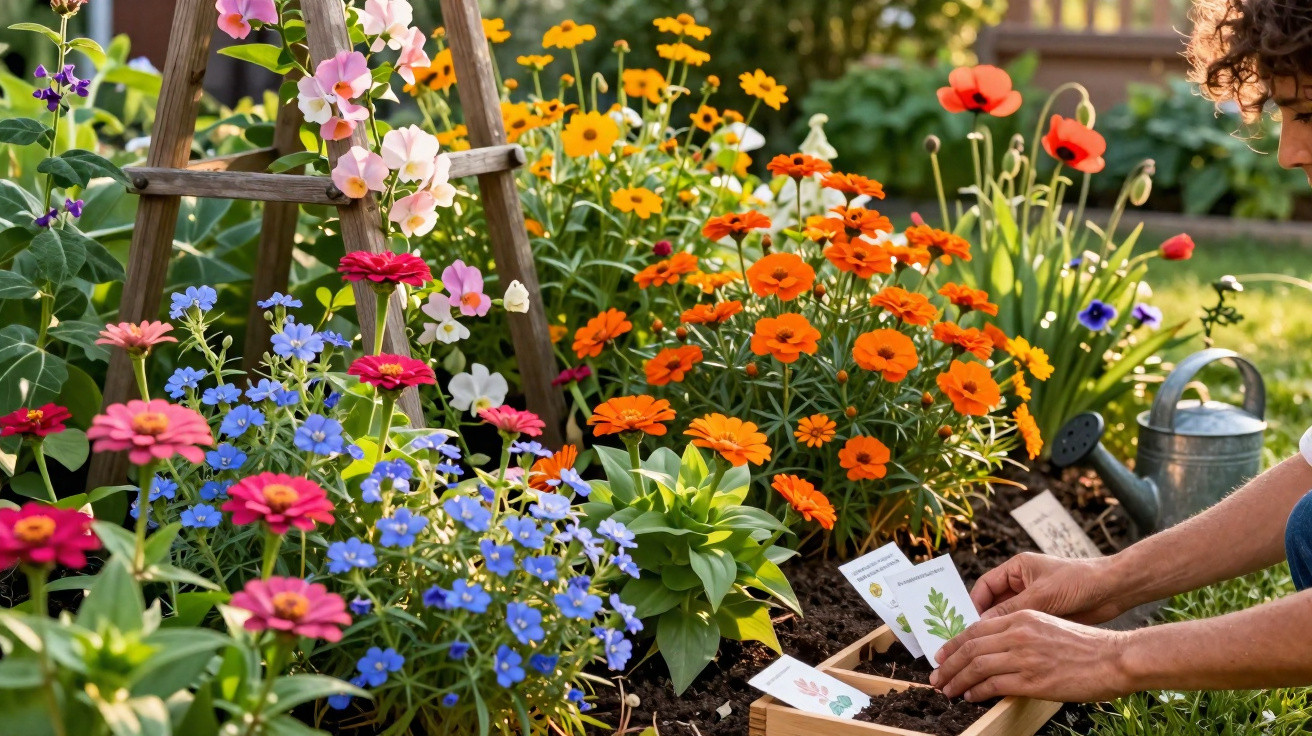
March can still make the garden feel drab and half-asleep. Yet this is exactly when you can set up a summer flower bed that keeps flowering well into autumn. Choose the right blooms, plan sensibly for late frosts, and use a few straightforward tricks, and a handful of tiny seeds can turn into a vivid display.
Why March decides the fate of your summer flower bed
As spring arrives, many hobby gardeners can’t wait to get started. The days stretch out, the sun shows up more often, and the soil slowly begins to warm and thaw. Even so, March is famously changeable: mild afternoons can be followed by freezing mornings, and late frosts right into April are perfectly normal.
If you sow straight into the bed now, you may find seedlings get caught by frost or simply sit in cold soil for weeks without moving. That’s why experienced gardeners begin a large share of their summer flowers under cover:
- in a bright conservatory
- in a simple polytunnel or a small greenhouse box
- on a sunny windowsill indoors
"Getting a head start indoors gives your plants a two to four week growth advantage – and that often means noticeably earlier and more abundant flowering."
Particularly worth considering are species that keep producing fresh buds from June right through to autumn. They’re excellent for plugging gaps and avoiding those typical “no-flower” spells when everything seems to finish at once.
The right seed: what gardeners really look for
Many people know the frustration: you buy a packet, sow enthusiastically, water carefully-then only a few scattered plants appear. Often it isn’t down to a “bad green thumb” at all, but the quality and type of seed.
For that reason, more and more gardeners are choosing open-pollinated (seed-saving) varieties. With these, you can collect your own seed and raise the same varieties again year after year. Over time, the plants can adapt to your soil and local conditions, and they often prove tougher than brand-new commercial introductions.
Practical ways to get good seed include:
- Choose open-pollinated varieties: the packet will usually state whether the variety can be saved and re-sown.
- Use seed swaps: many communities have seed-swap shelves in libraries or neighbourhood hubs.
- Harvest your own: leave some spent flowers standing, then collect dry seed heads in late summer.
When you keep raising your own plants year after year, you’ll often notice they cope better with drought, wind and local pests-a quiet, ongoing selection process happening in your own garden.
The 7 top flowers for March – a summer garden from a packet
Now for the leading players in the summer bed. These seven flowers are well suited to starting in March, forgive small mistakes, and bring colour from early on right through to late season.
Zinnias: colour explosions for beds and vases
Zinnias are classic summer flowers. Their large, bright blooms-pink, orange, yellow, white, or bicolour-stand out from a distance.
- Position: sunny and warm
- Soil: free-draining and fairly fertile
- Start: raise indoors in March; plant out into the bed from mid-May
If you regularly deadhead the faded blooms, zinnias reward you by pushing out new buds again and again. They’re ideal for vibrant summer bouquets-and the more you cut, the bushier the plants tend to become.
Fragrant climbers: sweet peas for a nostalgic look
Sweet peas (often grown for scent as much as for colour) bring back the feel of traditional cottage gardens. Their flowers are strongly perfumed, and the plants climb with tendrils up trellises, fences, or balcony railings.
- Position: sun to partial shade
- Special feature: needs support to climb
- Tip: soak the seeds in water for a few hours before sowing to improve germination.
The same rule applies here: keep cutting. Regularly picking stems for posies prevents seed formation and helps the plant keep flowering for weeks.
Nasturtiums: splashes of colour you can eat
Nasturtiums are almost an “insider tip” for beginners. They grow quickly, cover bare patches, and add warm yellows, oranges and reds to beds or window boxes.
"Nasturtium leaves and flowers are edible and have a gently peppery taste – a natural cress alternative in summer salads."
They thrive even in poor soil, need very little attention, and are a reliable way to green up unattractive fence lines or banks.
Giroflée (fragrant bed companions) – usually known here as wallflower or gold-lacquer
What some catalogues still list under the older name “Giroflée” is more familiar to many as wallflower or gold-lacquer. These plants offer warm, often multi-toned flowers and a powerful fragrance.
- Position: sunny, sheltered spot
- Use: ideal along paths, on patio edges, or in front of walls
They work beautifully in mixed beds with perennials, because they provide early colour while other plants are only just starting into growth.
Coreopsis: sunny, long-flowering favourites
Coreopsis produces yellow to orange blooms that keep coming from summer right into autumn.
These plants manage well in leaner soils and suit wildlife-friendly gardens. If you cut back spent stems regularly, you can keep fresh flowers coming almost continuously-making them highly attractive to bees and butterflies.
Nigella: delicate “love-in-a-mist”
Nigella, commonly known as love-in-a-mist, looks especially romantic with its fine, feathery foliage and star-shaped flowers. After flowering, it forms decorative seed pods that also work well in dried arrangements.
- Effect: very natural, almost meadow-like
- Pairs well with: poppies, cosmos, or delicate grasses
If you allow a few plants to self-seed, you’ll often find volunteer nigella appearing again in the bed the following year.
Poppies: meadow character in your own garden
Poppies bring the slightly wild, slightly untidy charm of flowering fields into a home garden. Their silky petals can look almost translucent, with colours ranging from soft pink to deep red.
Poppies often self-seed readily. Once established, new plants may show up the next year in unexpected places-a real advantage for anyone who likes a relaxed, natural style.
How to make March sowings work-without the frustration
To ensure these seven favourites actually develop into strong summer flowers, a few basic rules make all the difference:
- Use a fine growing medium: seed compost is ideal for raising plants, or use sieved garden soil.
- Don’t sow too deeply: rule of thumb-cover seed with no more than twice its own depth.
- Keep moisture even: not waterlogged, but never bone-dry either; a gentle mist spray works well.
- Provide plenty of light: bright windowsills or a small indoor propagator help prevent long, weak (leggy) growth.
- Harden off before planting out: put young plants outside during the day for a few days, then bring them back in at night.
"By gradually getting your seedlings used to sun and wind, you avoid scorched leaves and growth shock once they’re in the bed."
What makes mixing these flowers so exciting
Things get truly interesting when you combine the seven species with intention. Tall zinnias towards the back, nigella and coreopsis in front, pockets of nasturtiums in between, and sweet peas climbing along a fence-this creates a picture that keeps shifting throughout the summer.
Clever mixes don’t just bring more colour; they also help the garden’s ecology. Different flower shapes attract different insects, which can improve pollination across the whole garden. At the same time, certain plants draw in beneficial insects that help keep aphids and other pests under control.
Added value for balconies and allotments
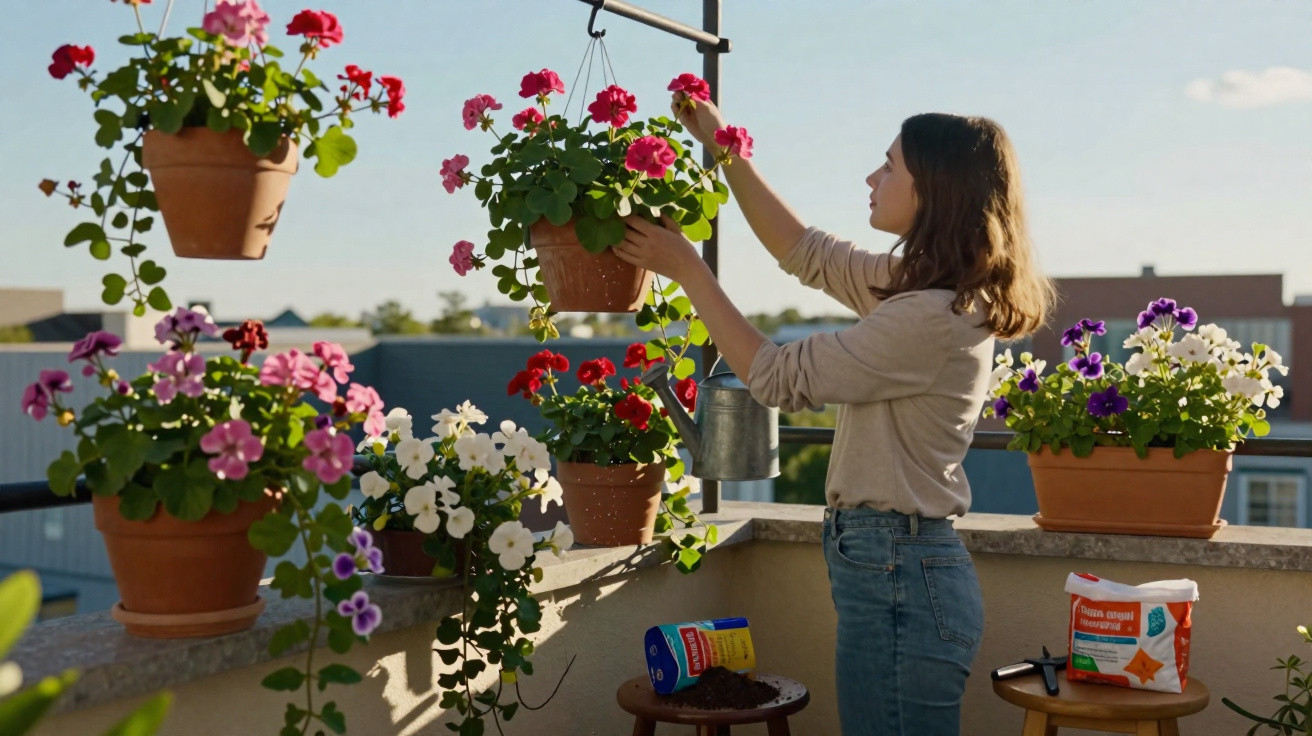
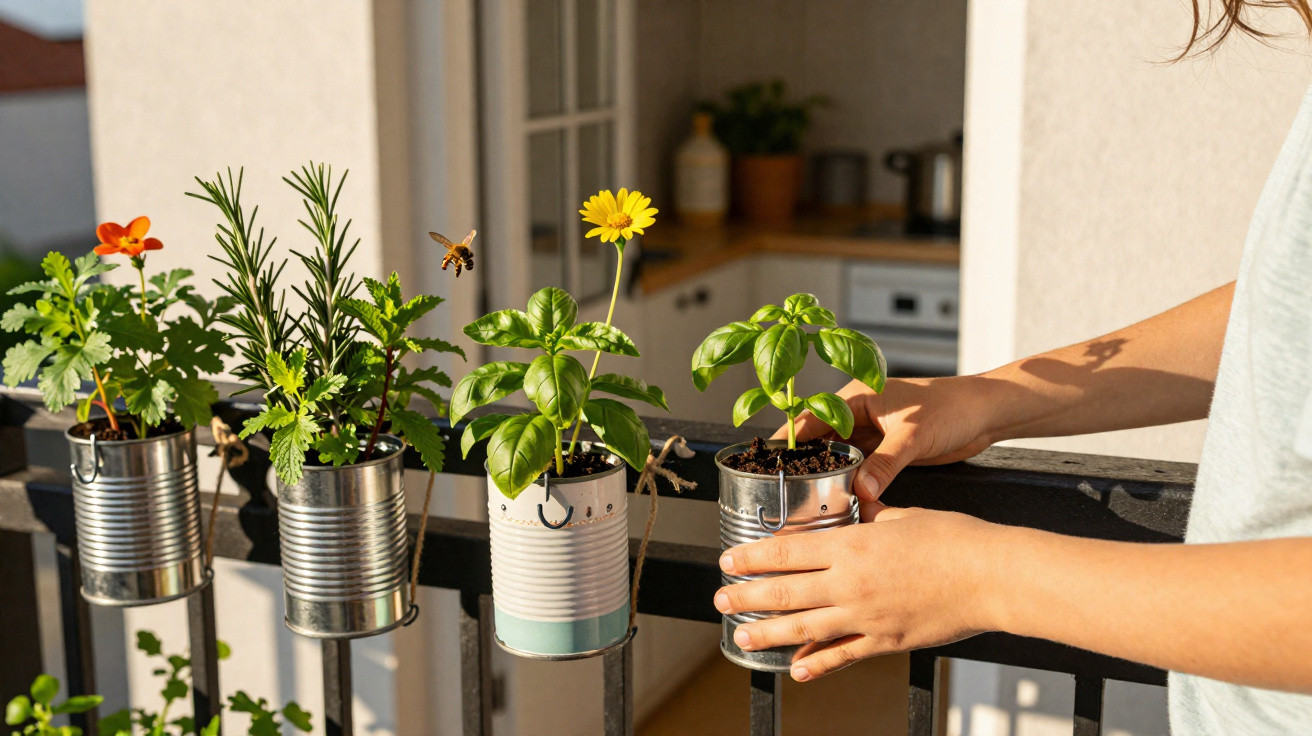
These flowers aren’t limited to large gardens. Many also do very well in window boxes, containers and raised beds. Nasturtiums, nigella and coreopsis can cope with limited root space too, provided they’re watered regularly.
If you’re short on room, you can stagger the sowing: start some indoors in March, then sow another batch directly into boxes or pots in April. That shifts flowering slightly later and helps you enjoy your mini summer garden for longer.
Every year, March shows just how much potential sits in a few grams of seed. Put the time into raising plants and choosing varieties now, and in a few months you’ll be walking through a sea of flowers that began in winter as nothing more than a handful of unremarkable grains.
Comments
No comments yet. Be the first to comment!
Leave a Comment