
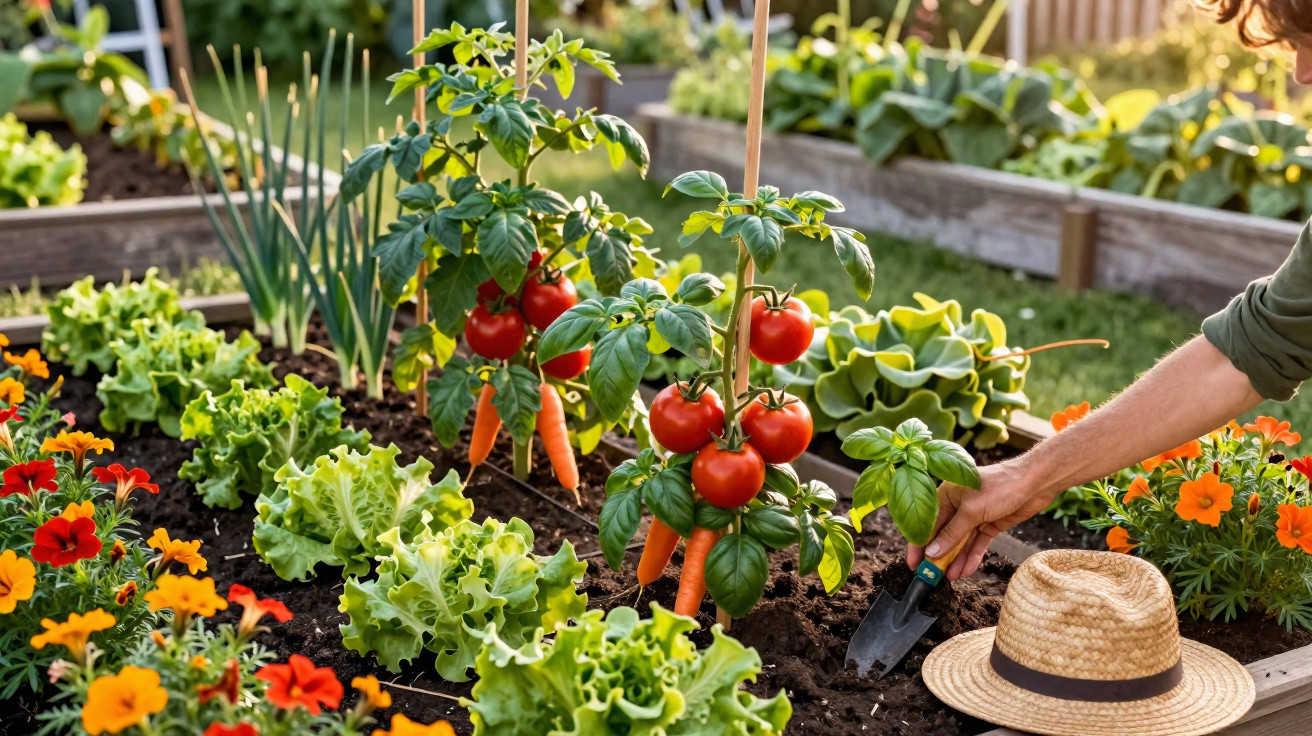
In a vegetable garden, success isn’t determined only by variety or fertiliser - the immediate neighbours in the bed matter just as much. Some vegetables, herbs and flowers give tomatoes a real boost, while others can noticeably hold them back. Match the right partners and you can get far more from every square metre, with no chemicals at all.
Why good neighbours make tomatoes stronger
Plants communicate - not with words, but through airborne scents and substances released into the soil. You can use this invisible network deliberately to help tomatoes become tougher and more productive.
"Well-chosen neighbours protect tomatoes from pests, loosen the soil and save water when you’re watering."
A classic example from horticulture is the use of certain flowering plants whose roots suppress tiny soil-dwelling pests. These nematodes like to attack tomato roots and weaken the plants. By planting such protective flowers right next to, or even between, your tomatoes, you create a natural barrier.
Strongly scented herbs matter too. Their intense aroma masks the typical tomato scent, so sap-sucking insects such as aphids and whiteflies struggle to locate the plants. That reduces pest pressure without a single spray.
Then there are helpers working below ground. Root crops, with their deep-reaching roots, open up heavy soil, create channels for water and air, and encourage tomatoes to root more deeply. Shallow-rooted leafy crops shade the soil like living mulch, keeping moisture in the ground for longer, slowing drying-out and reducing how often you need to water.
The best vegetables to grow around a tomato bed
Ideally, tomatoes won’t stand in a bare monoculture, but in a fine-grained mosaic of “calm” vegetable crops. These tend to compete less, stay compact, and still leave tomatoes enough light and space.
Root and leafy vegetables as perfect gap-fillers
- Carrots: loosen the soil at depth, use the space beneath tomato roots and provide an early extra harvest.
- Celery: copes well with partial shade under tomato foliage and doesn’t take up much width.
- Radish and salad radish: grow extremely quickly, fill early-season gaps and are usually harvested before tomatoes cast dense shade.
- Peas: make use of supports at the bed edge, return nitrogen to the soil via root-nodule bacteria, and improve overall nutrient availability.
- Leaf lettuce and spinach: form a living ground cover, keeping soil cool and damp, and fit well with the tomato growth timeline.
If you’re gardening in a raised bed or a small square bed, you can tuck these crops between tomato plants and make smart use of areas that would otherwise stay bare. The bed not only looks fuller, it also stays more weed-resistant for longer because the soil remains continuously covered.
Alliums as a natural protective wall
Garlic, onions and leeks offer a particular advantage: their sulphur-containing compounds act like a mild, natural protective shield.
- Garlic: in organic gardening, planting a single clove at the base of each tomato plant is a common trick aimed at fungal problems.
- Onions: work well in rows in front of or behind tomatoes, without stealing much light.
- Leeks: grow slim and upright and combine well with carrots - each helps deter the other’s typical pests.
"Alliums are seen as the ‘health police’ in a tomato bed and can significantly reduce the risk of fungal diseases."
Aromatic herbs and flowers - small helpers with big impact
Why basil almost always belongs with tomatoes
Basil is widely regarded as the ideal companion. Both crops like warmth, sunshine and steady moisture, so where tomatoes thrive, basil usually does too.
- Its scent confuses aphids and whiteflies.
- Basil often droops a little earlier than tomatoes - making it a natural “watering indicator”.
- In the kitchen, tomatoes and basil end up together on the plate anyway.
Several smaller basil plants dotted between tomatoes also create a denser microclimate that helps stop the soil from drying out.
Flowers that protect, attract - or take the hit
Flowering plants aren’t just decoration. In a thoughtfully planned tomato bed, they serve clear purposes:
- Marigolds (Tagetes): their root exudates help against soil-borne pests, and they suit the bed edge well.
- Nasturtium: if planted with a little distance, it draws aphids away from tomatoes as a “sacrificial plant”.
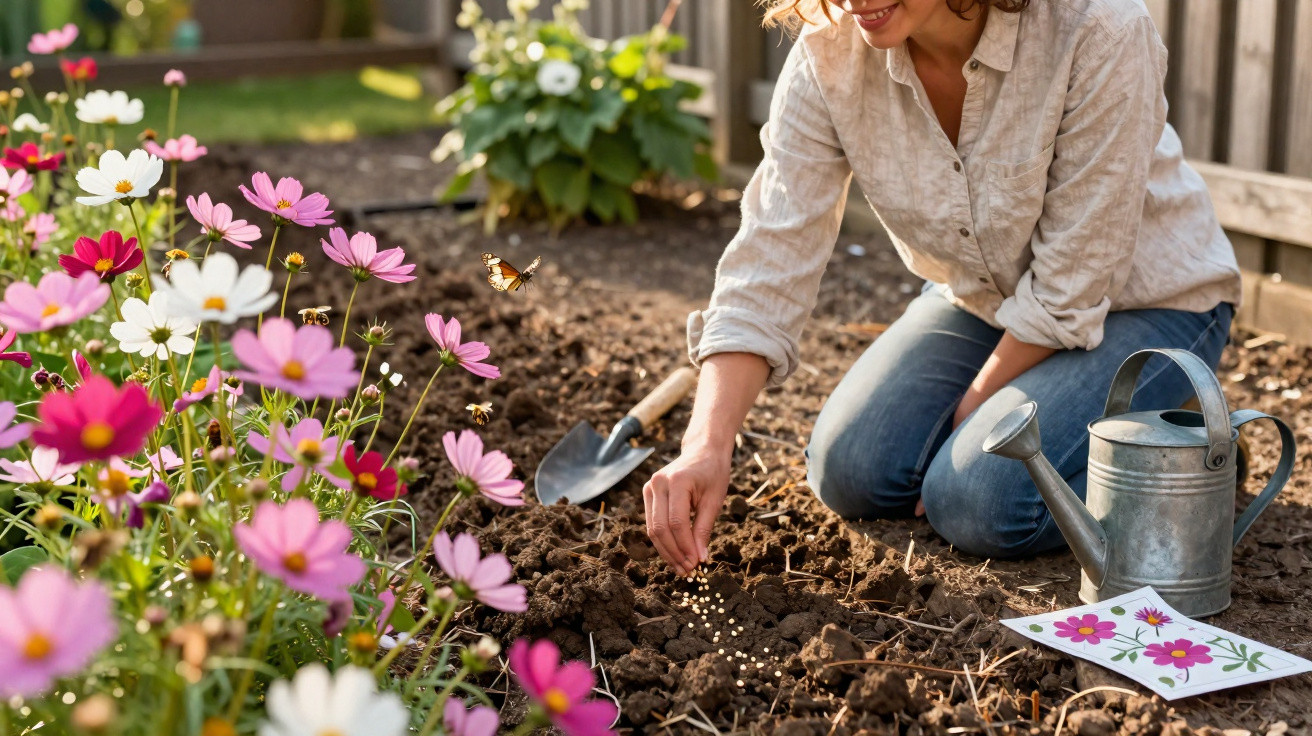
- Borage, cosmos, zinnias, phacelia: attract bees, bumblebees and other pollinators, and can noticeably increase the number of fruits.
"Studies show: flower strips in vegetable crops can increase fruit yields in part by more than half."
A handy side benefit for budget-minded gardeners: a few packets of seed usually cost less than individual pre-grown plants. In return, they often flower for months and provide a continuous buffet for beneficial insects.
Neighbours that tend to harm tomatoes
Choosing the right companions matters - but so does avoiding the wrong ones. Some plants share the same diseases, others steal too many nutrients, and a few can even directly suppress tomato growth.
Risk from plants in the same family
- Potatoes: share many fungal diseases with tomatoes, especially the dreaded late blight pathogen.
- Vigorous growers from the same family: increase the chance that a pathogen spreads extremely quickly through the bed.
When these crops sit close together, a fungal outbreak can jump from one to the other within days. A single badly infected potato patch can then wipe out the tomato harvest as well.
Heavy feeders and growth inhibitors
- Cabbage family crops: use large amounts of water and nutrients and compete directly with tomatoes.
- Fennel: releases substances into the soil that can measurably slow the growth of certain neighbours.
- Sensitive climbing vegetables: can be similarly prone to fungal diseases as tomatoes, which raises overall risk.
If you’re new to gardening, it’s usually safer to avoid these combinations. Place them in a different bed, or at least keep them well separated.
How to plan a mixed bed with tomatoes
A practical method is to plan in zones: tomatoes are the main crop, with secondary and protective plants grouped around them. One possible layout is:
| Zone | Plants | Function |
|---|---|---|
| Right at the stem | Garlic, basil | Protection from fungi, scent barrier against pests |
| Middle of the bed | Carrots, lettuce, spinach | Loosen soil, ground cover, additional harvest |
| Bed edge | Marigolds (Tagetes), nasturtium, onions | Barrier against pests, flowers for beneficial insects |
Planned this way, the bed won’t feel overcrowded, every plant has a role, and tomatoes remain the clear star.
Practical tips for everyday tomato gardening
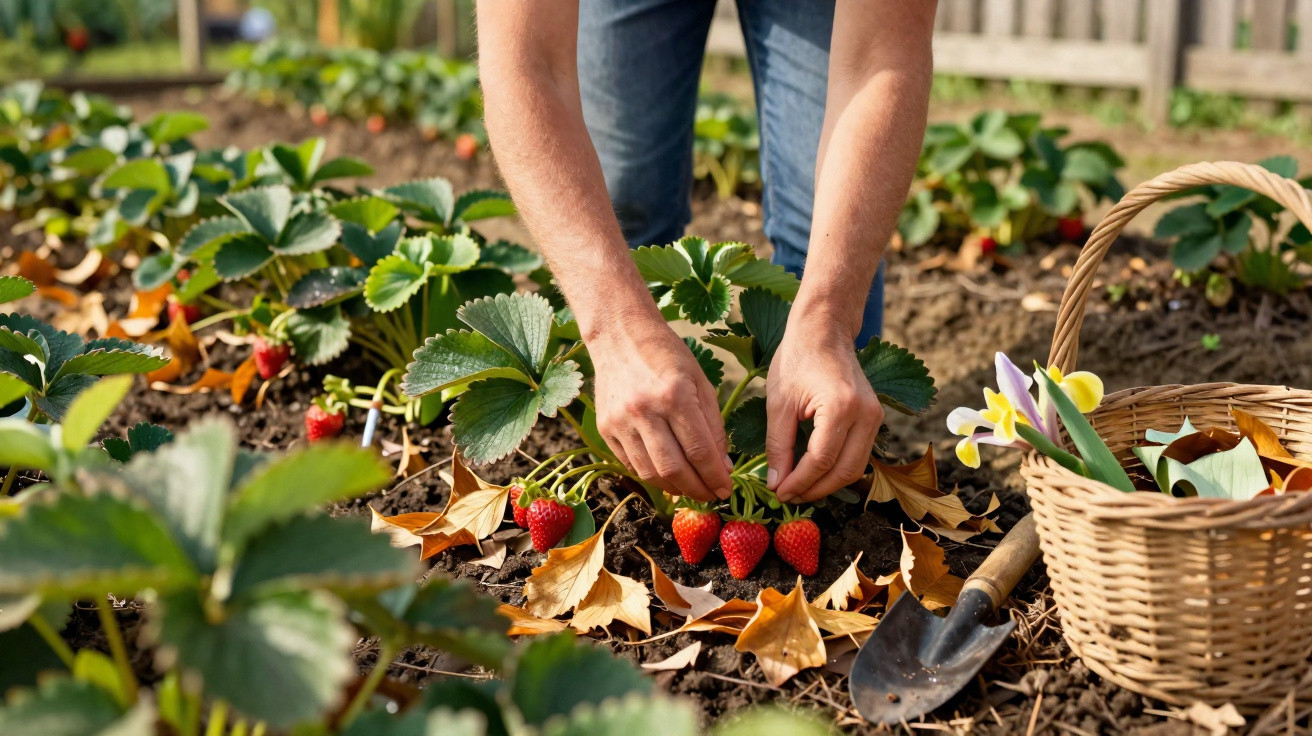
If you’re planting in spring, begin with fast-growing companions such as radish and lettuce. They make use of the space while tomatoes are still small. By the time tomatoes fill out, those intercrops are typically already harvested.
When watering, it pays to watch closely: if basil starts to droop, it’s usually time to water. And if ground-cover crops keep the soil moist for longer, you not only reduce effort - you also lower the risk of blossom end rot, which is often encouraged by sharp swings in water supply.
The same approach works in containers on a balcony or patio: put the tomato in the centre, place basil and lettuce around the outside, and add a few small flowering plants at the rim. That creates a mini mixed-cropping system in the smallest space.
Why mixed planting also pays off in the long term
To reduce disease pressure, tomatoes should move to a different spot the following year. With well-chosen companion plants, the soil stays more alive, becomes less depleted and recovers more quickly - which makes planning crop rotation for the coming years much easier.
When you garden with mixed planting, you gradually learn to read the usual signals: which plants consistently thrive side by side, and where tensions appear. With each season, your feel for your own growing conditions improves - and often your tomato harvest does too.
Comments
No comments yet. Be the first to comment!
Leave a Comment