
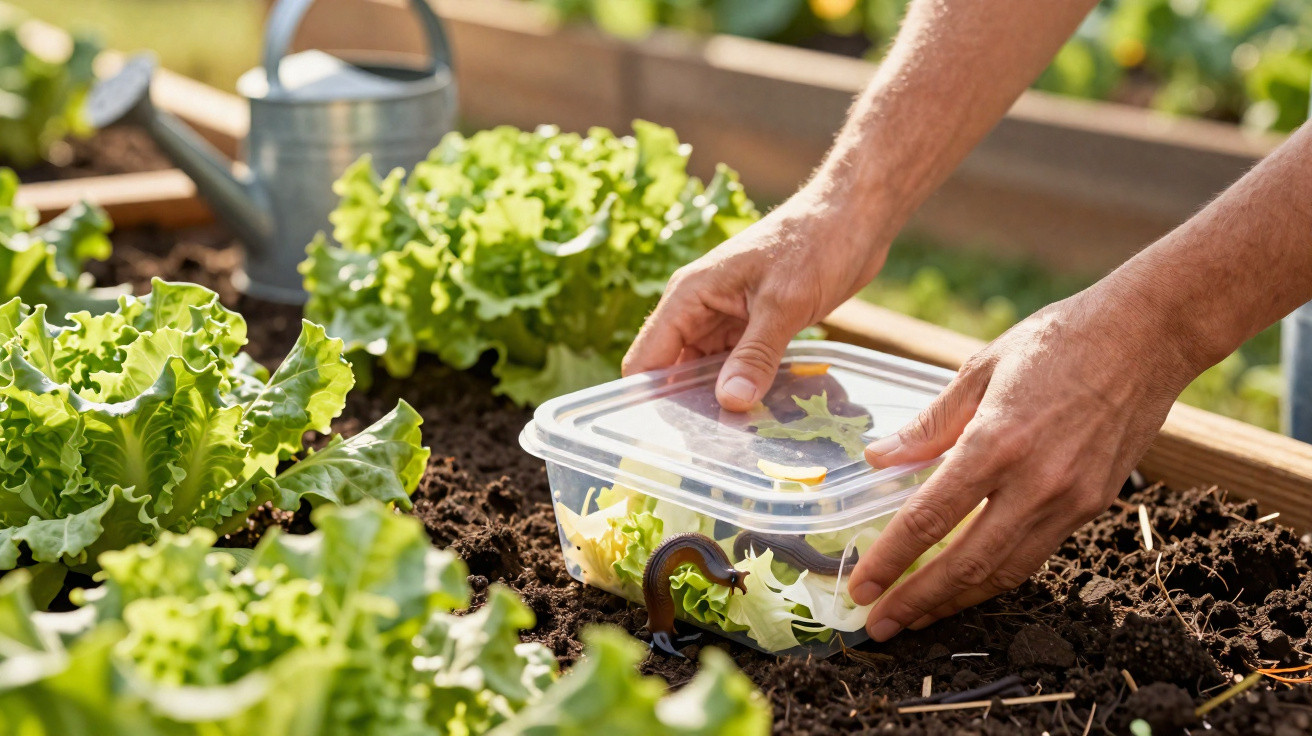
A simple hack using an old salad box can stop the drama - with no cruelty to wildlife.
Plenty of amateur gardeners know the feeling: in the evening the veg patch looks thriving, and by morning you’re left with nothing but nibbled stems. After rain, it can feel as if the garden turns into a slug party overnight. Before reaching straight for pellets or beer traps, it’s worth considering an unexpectedly straightforward fix that protects plants without harming animals.
Why slugs love your garden
As soon as it gets dark and the soil gleams with moisture after a shower, the beds hit peak “rush hour”. Slugs thrive in damp conditions and go for fresh, soft leaves - exactly what most gardens provide in abundance.
These are especially at risk:
- young lettuces and other tender leafy vegetables
- strawberries just before harvest
- fresh sowings and seedlings
- ornamental plants with soft foliage such as hostas
In a healthy garden, slugs are part of the ecosystem. It only becomes an issue when their numbers surge. A fully grown slug can eat up to 40 percent of its own body weight in plant matter each day. That means just a handful can wreck a whole bed in only a few nights.
Why radical control does more harm than good
Garden centres are packed with anti-slug options: blue pellets, toxic baits, and beer traps where the animals drown. Many people resort to them out of sheer frustration. The immediate damage isn’t always obvious - but it can be huge.
"Poison baits rarely affect only slugs; they also hit their predators - and in the end often the whole garden."
Hedgehogs, toads, birds and ground beetles readily eat slugs. When slug poison is used, these predators ingest it through their prey. The result is that the very animals that could restore long-term balance are the ones that die. Children and pets can also get hold of products that were meant to stay in the bed.
Beer traps attract slugs from the surrounding area, often well beyond your own boundary. The animals drown painfully - and yet the influx continues. Anyone aiming to garden sustainably is therefore increasingly looking for ways to protect plants without poisoning local wildlife.
The clever alternative: a converted salad box as a slug trap
The idea is as simple as it is effective: a clear plastic box - the sort you get with pre-packed salads or takeaways - is repurposed into a wildlife-friendly trap. Slugs are offered an appealing shelter with food, just not right in the middle of your bed.
What you’ll need
- a transparent plastic box with a lid (for example, an old salad container)
- a very ripe or slightly overripe fruit or vegetable scrap (a piece of apple, a strip of melon rind, a wilted lettuce leaf)
- a craft knife or sharp scissors
- a little damp soil or moss
- a small stone to prop it up
How to build the wildlife-friendly slug trap
- Cut openings in the sides: Pierce or cut several small holes in the side walls of the box, around 2 centimetres above the base. They should be large enough for slugs to crawl through, but small enough to keep moisture inside.
- Add a damp base layer: Line the bottom with a little damp soil or moss. This recreates a natural, cool hiding place.
- Put the bait inside: Place the ripe fruit or vegetable scrap in the centre. The sweeter the smell, the better the lure works.
- Turn the box over and position it: Place the box upside down in the bed, with the lid facing the soil. Choose a shady, damp spot at the edge of the affected area.
- Lift one edge to create an entrance: Prop one side up slightly with a small stone or twig. Slugs can then slip in easily, while the inside stays largely humid.
"Drawn in as if by magic by the sweet smell, the slugs gather in the box - while your lettuces keep growing in peace."
Ideally, check the trap in the morning or evening. You can then move the collected animals elsewhere without difficulty.
Why this method works so well
Slugs rely heavily on scent. Ripe or slightly fermenting fruit gives off aromas that strongly attract them. Combined with moisture and darkness, the box becomes a luxury hideout: shelter, food and ideal humidity.
At the same time, the clear plastic can leave the animals inside somewhat disorientated. They don’t find their way back out quickly, so they remain in the trap long enough for you to collect them. Other garden creatures are unlikely to be caught, because the bait and the size of the openings are quite specifically suited to slugs.
If you place several traps around the garden - especially along known “slug routes” - the pressure on your beds drops noticeably. With regular checks and relocation, many gardeners see a clear difference after only a few days.
Common mistakes that ruin the results
- Full sun: If the box sits in midday sun, it dries out quickly and overheats. The trap then works more like an oven.
- Bait that’s too far gone: Very rotten scraps attract flies, ants and other unwanted visitors. Choose fruit that’s very ripe, but not completely decomposed.
- Relocating to the wrong place: If you release slugs right next to the garden, it’s no surprise when they return fast. A better option is a wild strip with dense growth, ditches or hedgerows far enough away from productive beds.
How your garden becomes more resilient over the long term
The salad box trap is an effective tool, but it doesn’t replace a well-planned garden system. If you want fewer problems with slugs, focus on strengthening the wider garden ecosystem.
That can include, for example:
- shelters for hedgehogs, toads and lizards (leaf piles, log stacks, gaps between stones)
- flowering areas that attract insects, and therefore insect-eating wildlife too
- mulch layers that protect soil and help plants grow stronger
- a bit of spacing between plants so everything doesn’t stay constantly soaking wet
- barriers such as coarse sand, crushed eggshells or sheep’s wool around particularly vulnerable beds
Many gardeners say slug pressure drops significantly over the years when they allow more diversity and avoid chemical treatments. Natural predators then regain enough habitat and food to thrive.
Practical tips for everyday use in the beds
In day-to-day gardening, it works best to use the traps mainly during damp spells - for instance in spring and after prolonged rainy periods. Checking the boxes every other day helps prevent unpleasant conditions developing inside.
If you have children, it’s easy to involve them: collecting slugs is often more engaging than television, and they learn a great deal about garden cycles at the same time. The only essential point is choosing the new release spot carefully together, so the animals don’t end up in the next vegetable bed.
It’s also worth remembering the role slugs play: they break down dead plant material, recycle nutrients and provide food for many animals. The aim, then, isn’t “zero slugs”, but a tolerable level. That’s exactly what the salad box trap supports: it diverts them away from your beds and gives them a chance elsewhere - while your vegetables get a genuine chance of survival again.
Comments
No comments yet. Be the first to comment!
Leave a Comment