
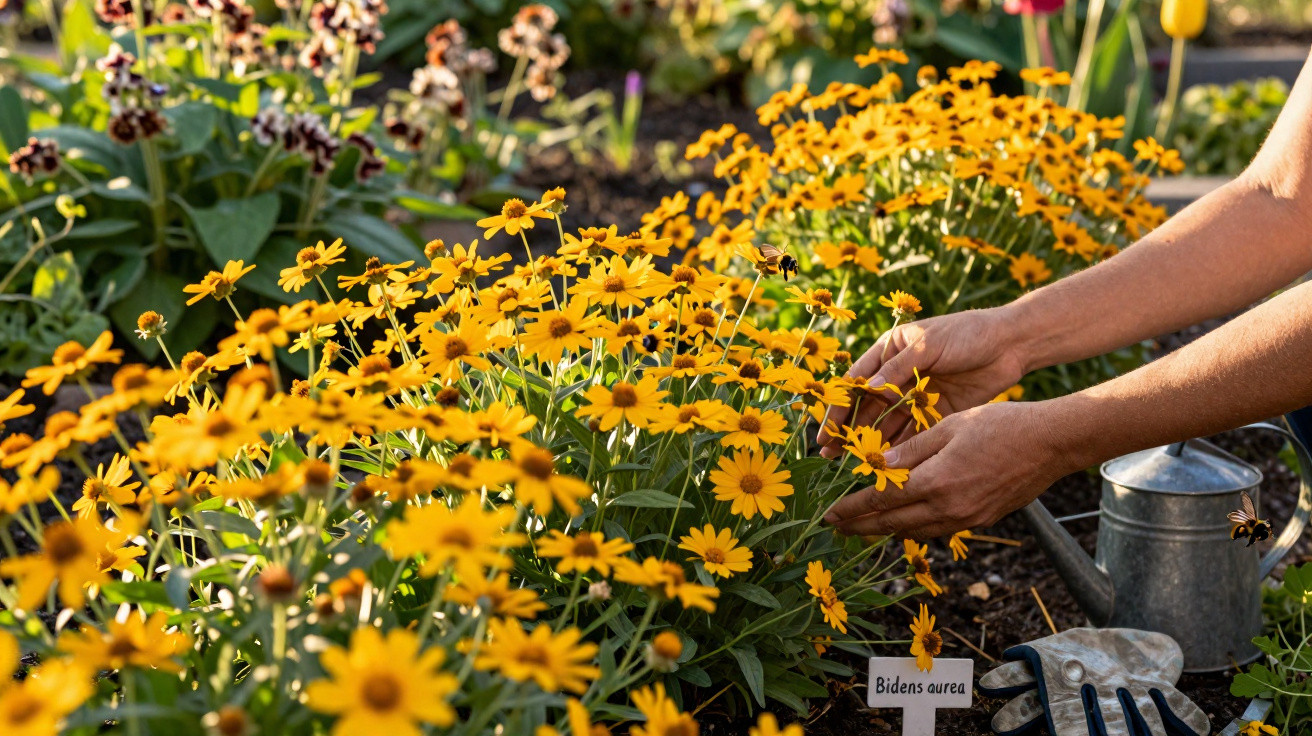
While plenty of summer flowers are already flagging, a tireless bloomer from Mexico is only just getting into its stride: Bidens aurea. This bright yellow perennial turns borders, wildlife-friendly gardens and balcony planters into a genuine burst of colour - and it keeps going from high summer right through to November. If you have a spare spot in full sun, you can enjoy an impressively low-maintenance display for months.
A perennial that keeps flowering when others have long given up
Botanically, Bidens aurea belongs to the large daisy family (Asteraceae). Visually it has something of the light, natural look of small wild daisies - only in a far more intense shade of yellow. The flowers are small, typically five-petalled and usually canary yellow, sometimes with slightly paler tips. En masse, they form a shimmering veil that seems to drape over beds and containers.
"From July until the first hard frosts, the plant produces an almost uninterrupted wave of flowers - a real gap-filler in late summer and autumn."
Where classic summer favourites such as petunias and geraniums often look tired by October, Bidens aurea continues to hold its blooms proudly upright. That makes it an easy way to extend the feeling of summer on a patio and around the garden. In years with a warm autumn, it can stay attractive well into November.
The foliage is finely textured, and the stems grow in a loose, lightly trailing habit, shifting even in the gentlest breeze. The overall effect is natural and slightly wild - ideal if you like planting with movement and structure rather than tightly clipped, formal borders.
Yellow showstopper with a honey-like scent
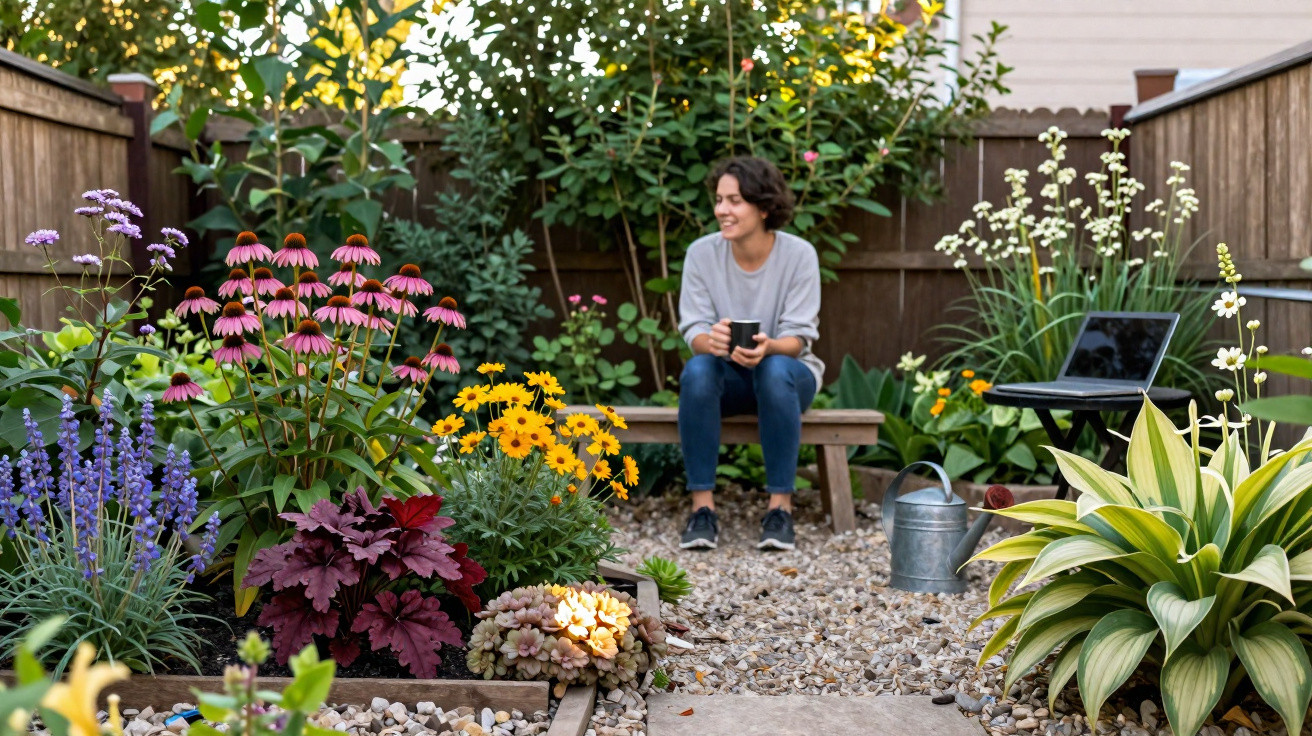
This perennial’s appeal isn’t only about colour. Its flowers give off a soft, sweet fragrance that many people associate with fresh honey. If you sit beside a full, well-flowered Bidens aurea plant in the morning with a cup of coffee, you’ll not only hear insects buzzing - you’ll also notice that delicate scent.
Once flowering has finished, small dry seedheads remain, which are excellent for late-autumn decorations. Paired with ornamental grasses, rose hips or dried hydrangea heads, they make cohesive bouquets and wreaths for indoors or the front door.
Tough, undemanding and versatile: where Bidens aurea thrives
Arguably the biggest advantage is how little attention Bidens aurea asks for. It prefers a sunny position and copes very well with average to fairly poor garden soil, as long as excess water can drain away.
"If you have a sunny, rather dry spot where other perennials struggle, you should give this Mexican plant a chance."
Location and care at a glance
- Light: Full sun is best; abundant light is essential for heavy flowering.
- Soil: Loose, well-drained; sandy or stony soils are welcome.
- Water: Water moderately; avoid waterlogging.
- Temperature: With good winter protection, the perennial tolerates around –8 °C.
In milder areas, the plant can get through winter in the border if the root zone is covered thickly with leaves or straw. In harsher locations, it often behaves more like a short-lived perennial - best raised again intentionally, or grown in a pot and overwintered somewhere frost-free.
If you prefer a tidier look, you can cut back the sometimes slightly untamed stems hard in June. Reducing growth to around 20 cm encourages a more compact shape without dulling the flowering. On the contrary: it branches more strongly and looks denser.
A magnet for bees, bumblebees and butterflies
Many ornamental plants look dramatic yet offer little ecological value - but Bidens aurea scores on both counts: it’s decorative and genuinely useful. Thanks to its high nectar and pollen value, it acts like a filling station for pollinators.
"Especially in late summer, when many flowers disappear, the perennial becomes a vital food source for insects."
On warm days you can often see dozens of bees and bumblebees feeding at the same time. Hoverflies and butterflies also take advantage. If you have children, this is an excellent plant for demonstrating just how important flowering plants are for garden wildlife.
Perfect partners in the border
Bidens aurea sits comfortably in naturalistic planting schemes, cottage gardens and modern prairie-style borders. It looks particularly harmonious alongside:
- delicate grasses such as fountain grass or switchgrass,
- autumn asters in violet and blue shades,
- sunny yellow rudbeckias,
- white or cream perennials that soften the strong yellow.
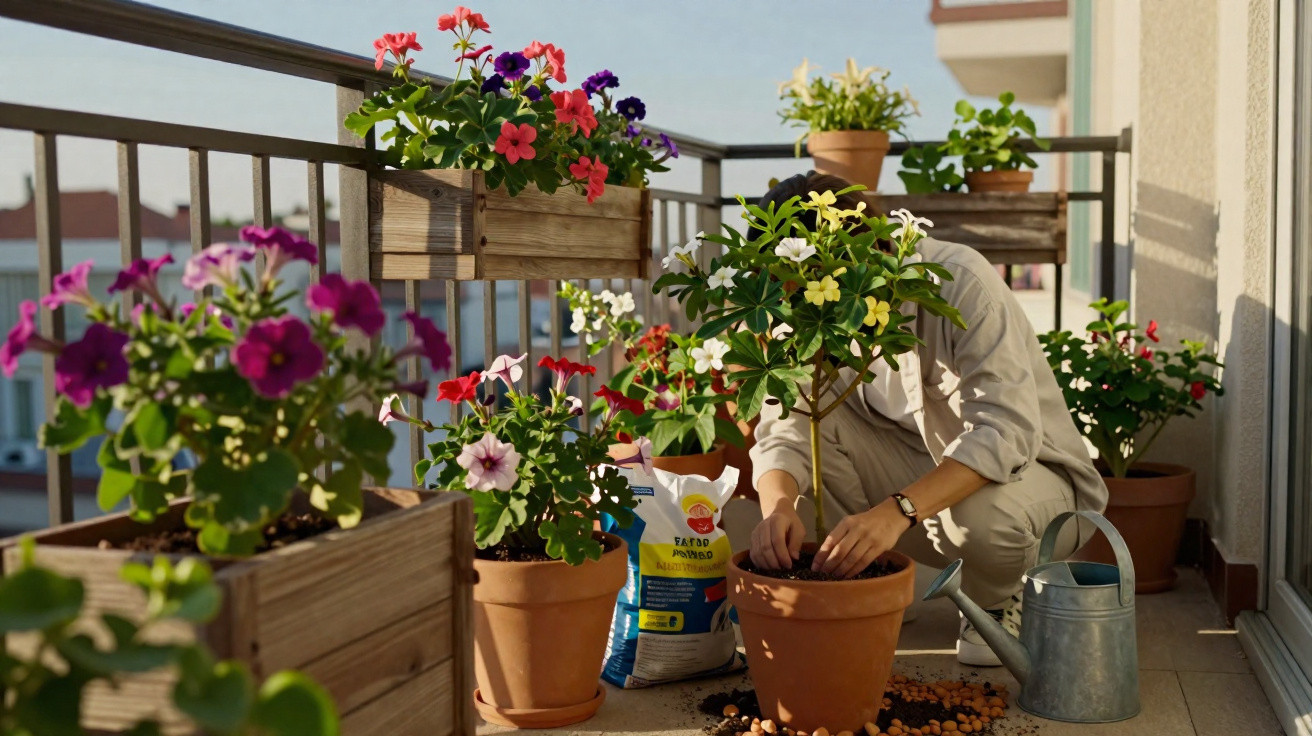
On a balcony or terrace, the plant really shines in larger pots, where it can trail like a “veil” and loosely frame other perennials or herbs. In containers, the essentials remain the same: a free-draining compost mix and a drainage hole in the pot.
Quick fact table for everyday use
| Item | Details |
|---|---|
| German name | Gold Bidens (Bidens aurea) |
| Height | Up to around 100 cm |
| Flowering period | July to November |
| Position | Sunny, warm, sheltered from wind |
| Uses | Border, wildlife-friendly garden, containers, cutting and dried decoration |
| Propagation | Division in spring or raising from seed |
How to plant successfully in spring
For the best start, plant this perennial in spring or early summer, once the risk of severe frost has passed. The soil should have begun to dry out and warm up.
Practical method:
- Dig a planting hole about twice as wide as the root ball.
- Loosen the soil; in heavy clay, work in sand or fine gravel.
- Stand the root ball in water briefly until no more air bubbles rise.
- Place the plant so the top of the root ball sits level with the soil surface.
- Water in well, and keep evenly moist during the first few weeks.
In following years, a small amount of compost around the root zone in spring is usually enough. Typically, the plant needs little more than that to get going again.
Tips for combinations and potential pitfalls
Yellow can divide opinion: some people love it, others find it challenging. If you’re unsure, avoid using Bidens aurea in an all-yellow border and instead pair it with cooler blues or whites. That keeps the overall look calmer and less harsh.
One detail that’s often underestimated is how much space it takes up. The plant grows quickly and fills gaps in borders fast. In very narrow beds, it can overpower weaker neighbours. Regular shaping cuts or allowing a slightly larger planting distance will solve the issue.
Another useful point: because the stems gently trail, the plant looks especially good at the front of a border or spilling from raised beds. If you place it mid-border, it helps to give it a sturdier companion to lean into - for example a robust grass or a taller perennial.
For anyone who wants a garden or balcony that stays attractive for a long time with minimal effort, Bidens aurea is one of the most interesting yellow perennials for the coming seasons: tough, long-flowering, pollinator-friendly, and visually far more engaging than you might expect from an “easy-care” plant.
Comments
No comments yet. Be the first to comment!
Leave a Comment