
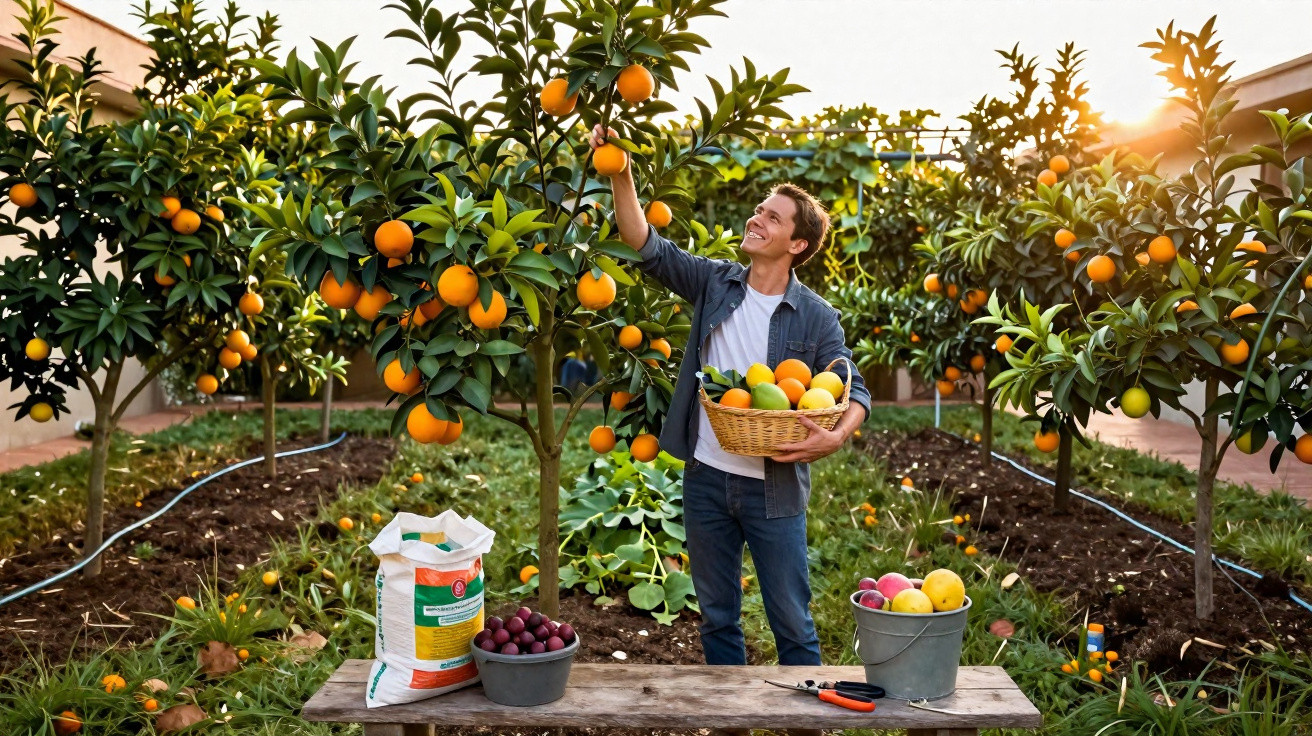
Having a productive orchard at home is the ambition of many people who want to enjoy fresh food picked straight from the tree. Growing hardy species in a completely straightforward way can turn any sunny back garden into a genuinely tasty natural haven.
How do you plan a productive, no-fuss orchard in the back garden?
Choosing the right species is what delivers generous harvests for decades without the owner needing to carry out constant upkeep. Many fruiting plants also settle well into smaller, paved spaces, as long as they receive the right amount of daily light for proper growth.
If you prefer an easier approach, large pots and well-planned beds work brilliantly for practical home growing. This simplified setup can attract a range of birds and wildlife, enhancing the natural beauty of your outdoor space with complete convenience and real satisfaction.
Below are some excellent options to help you build your setup:
- Rangpur lime: A very tough variety that crops heavily and can be propagated easily from ordinary seeds.
- Starfruit: A strikingly ornamental tree that bears yellow fruit in its second year and can be grown in pots.
- Thai guava: Noted for producing large, resilient fruit on young plants raised from cuttings or air-layering.
- Black mulberry: Grows quickly and produces sweet fruit very well, needing only regular, occasional pruning.
- Fig: A classic, very easy-to-grow choice that fruits in the first year and also tolerates pot culture.
Which fruit species grow fastest and need the least care?
Some varieties stand out for how quickly they establish and begin producing tasty food in the back garden. Trees such as mulberry and guava adapt readily, providing delicious fruit without demanding complicated effort in the daily routine of maintenance.
To keep your home orchard thriving, you mainly need to pay attention to basic factors such as correct light levels. Smart growing reduces heavy work and brings long, generous harvests with full practicality for beginners as well as more experienced gardeners.
Learn practical growing methods by watching the full video available on the Spagnhol Plantas YouTube channel:
How can you keep trees healthy for thirty years without effort?
The long life of fruit trees depends directly on simple steps carried out at the right times of year. Periodic interventions improve airflow through the canopy and encourage healthy new shoots, helping to secure delicious fruit with excellent yield over many decades.
Essential care
Pruning tips
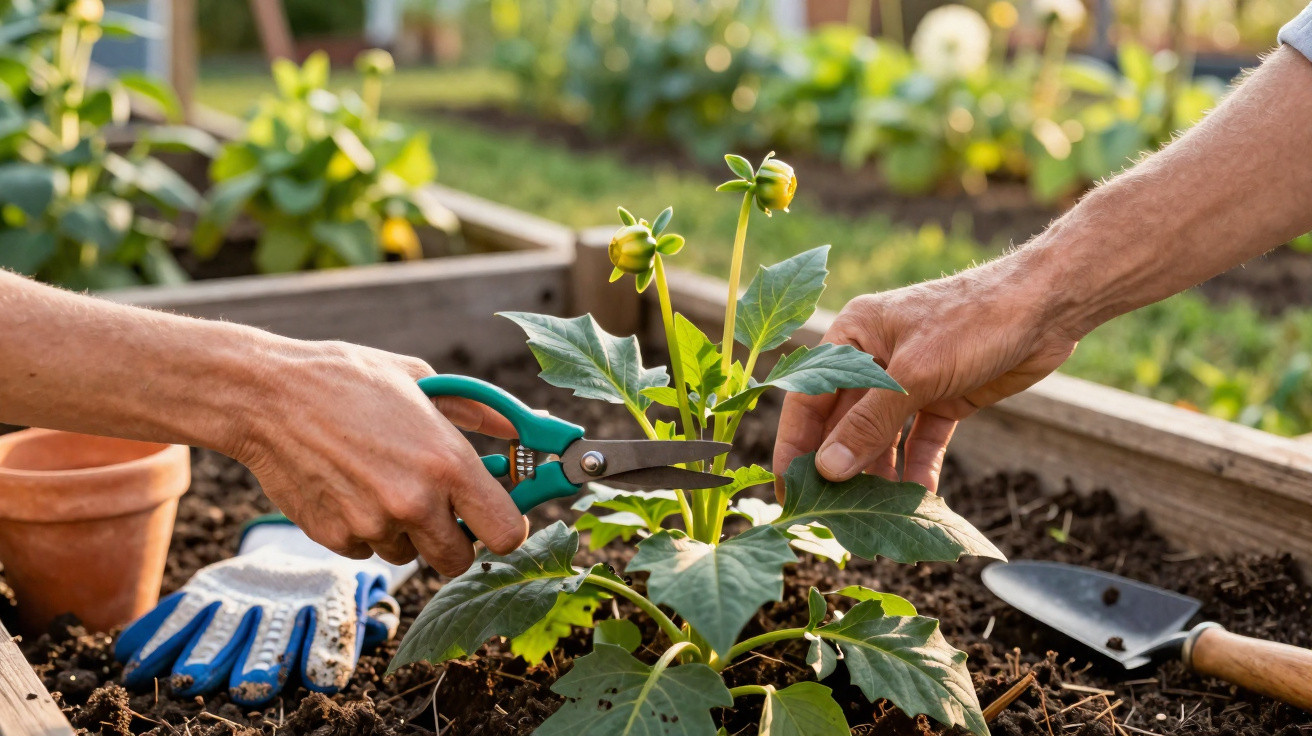
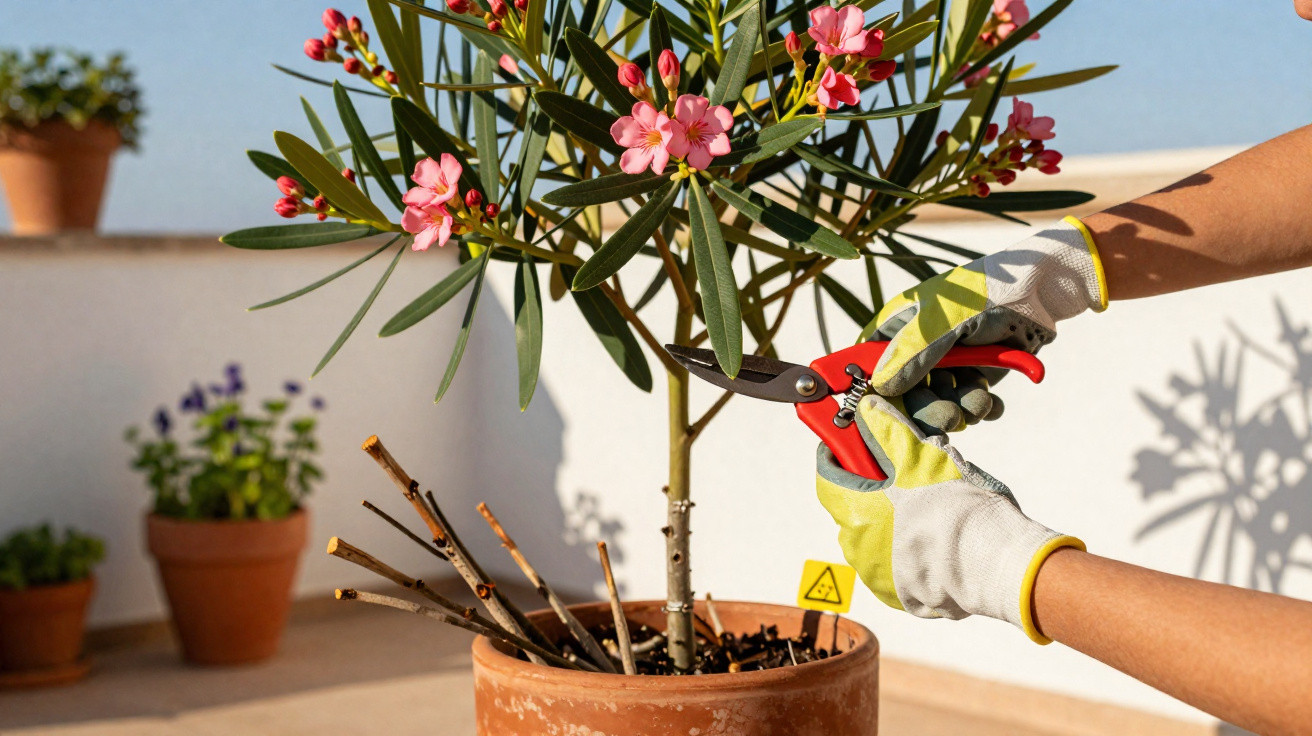
Carry out winter pruning to stimulate fresh, productive growth and reinvigorate the plant.
Keeping the canopy clean helps prevent the appearance of common pests and diseases in a home orchard.
Beyond pruning, providing the right conditions increases each cultivated tree’s natural resilience. Full sun plays a key role in abundant flowering, helping to produce fruit that is much sweeter and larger with greater ease and less worry.
See the main recommendations for keeping your fruit trees healthy:
- Ensure at least eight hours a day of full sun for good fruiting.
- Do regular cleaning prunes during the colder months of the year.
- Prevent excess water collecting around the roots by keeping the soil well drained.
What are the fertilising secrets for an abundant harvest?
Feeding the soil regularly speeds up plant growth and improves the quality of the fruit you pick. Using well-balanced mixes supplies the nutrients needed to strengthen roots, ensuring vigorous growth and truly plentiful harvests with excellent quality.
For those who want convenience, slow-release fertilisers are ideal because they work in the soil over a longer period. This strategic option saves the grower time by providing steady nutrition and fruit that is far more flavoursome, with greater safety and less effort.
The main recommended fertiliser types are listed below:
- Worm humus or organic compost to improve soil structure.
- Bone meal to provide phosphorus and encourage tree flowering.
- Slow-release fertilisers to deliver prolonged, continuous feeding.
How do you guarantee perfect fruit and ideal soil protection?
Protecting the surface around the trunk helps stop moisture being lost too quickly and reduces the damaging effects of erosion. Maintaining a thick layer of dry leaves keeps roots at a more stable temperature, supporting healthy growth and fruit that looks much more attractive with less waste.
In addition, foliar feeding with specific nutrients strengthens the skin, preventing unwanted deformities in home production. This simple, preventative step results in tasty food that also looks flawless, bringing pride to those who grow with dedication and harvest with real joy and great satisfaction.
Read also: Goodbye to diesel: scientists develop an engine that uses seawater
Comments
No comments yet. Be the first to comment!
Leave a Comment