
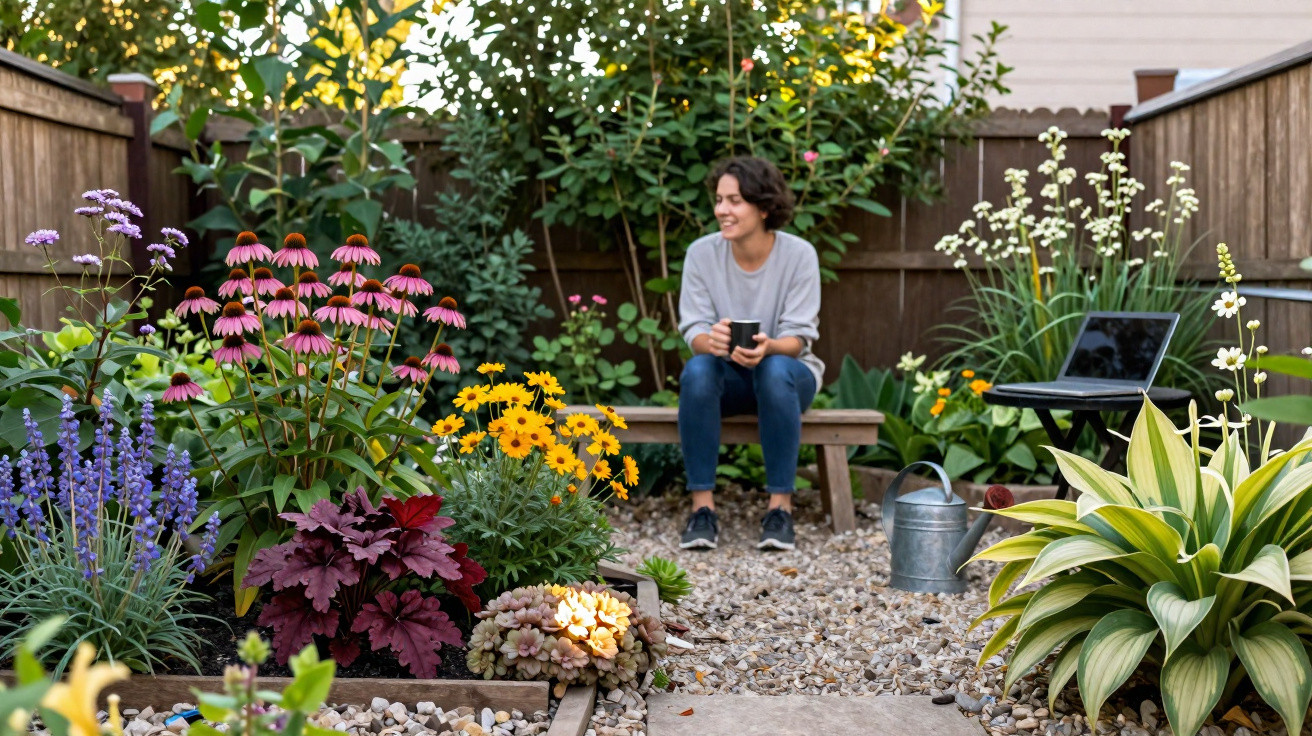
Many amateur gardeners eventually throw in the towel: too much watering, too little time, and weather extremes that undo all their effort. If, instead, you rely on hardy, long-lived perennials, you can enjoy flowers year after year with surprisingly little input. The key is choosing perennials that cope well with heat, torrential rain and dry spells.
Why perennials can be so low-maintenance
Perennials last for more than a single season. They die back over winter and reappear in spring, so there’s no need to replant every year. Many develop strong root systems, store water and nutrients, and therefore handle unpredictable weather far better than delicate summer bedding.
"If you choose resilient perennials, you save yourself hauling watering cans around, repeat trips to the garden centre, and a lot of frustration after heatwaves or long wet spells."
There’s another upside: many of these plants attract insects, flower for months, and are easy to mix and match. If you want a bed that more or less "takes care of itself", they’re the obvious choice.
Eight particularly robust perennials for the lazy - and the busy
1. Yarrow - tough as they come
Yarrow (Achillea) looks delicate with its fine, fern-like foliage and flat-topped flower heads, but it’s a real workhorse in the border. It grows to around 1 metre tall and, depending on the variety, flowers in white, yellow, orange or pink.
- copes with both wet and very dry soils
- tolerates missed watering sessions for a surprisingly long time
- attracts butterflies and other pollinators
If you have a bright, full-sun position with fairly lean soil, yarrow is a strong choice. Overly rich ground often leads to flopping stems (known as “lodging”), so it’s best not to pamper it.
2. Echinacea - long flowering with an insect bonus
Echinacea (often called coneflower) brings bold, daisy-like blooms into the garden. You can find everything from classic purple through orange to modern two-tone varieties.
What makes it particularly appealing if you prefer an easy life:
- excellent heat tolerance, ideal in full sun
- flowers for a long time and freely if you occasionally remove spent blooms
- prefers free-draining, not overly heavy soil
If you pay attention to regional ecotypes and choose forms that resemble what naturally occurs in your area, you’ll often end up with plants that cope even better with both cold snaps and heat.
3. Solomon’s seal - a refined choice for shady corners
Solomon’s seal (Polygonatum) has the poise of an elegant woodland plant: arching stems, dangling bell-shaped flowers and, later, decorative berries. It’s ideal for borders in partial shade or full shade where other plants struggle.
Typical strengths of Solomon’s seal:
- thrives in partial shade to shade
- handles summer warmth provided the soil doesn’t stay bone-dry
- gradually forms attractive clumps over time
If you’d rather not spend weekends weeding, you’ll appreciate this: dense stands of this perennial can suppress weeds largely on their own.
4. Catmint - scented mounds with very little effort
Catmint (Nepeta) is a cottage-garden classic. It forms loose, grey-green bushes with lots of small flowers-usually violet-and gives off a pleasantly aromatic scent.
"Catmint is the definition of the ‘I forget it’s there - and it still flowers’ plant."
Its main advantages:
- flowers for a long time, especially if you cut it back after the first flush
- very drought tolerant, perfect for sunny, warm spots
- loved by bees, bumblebees and butterflies
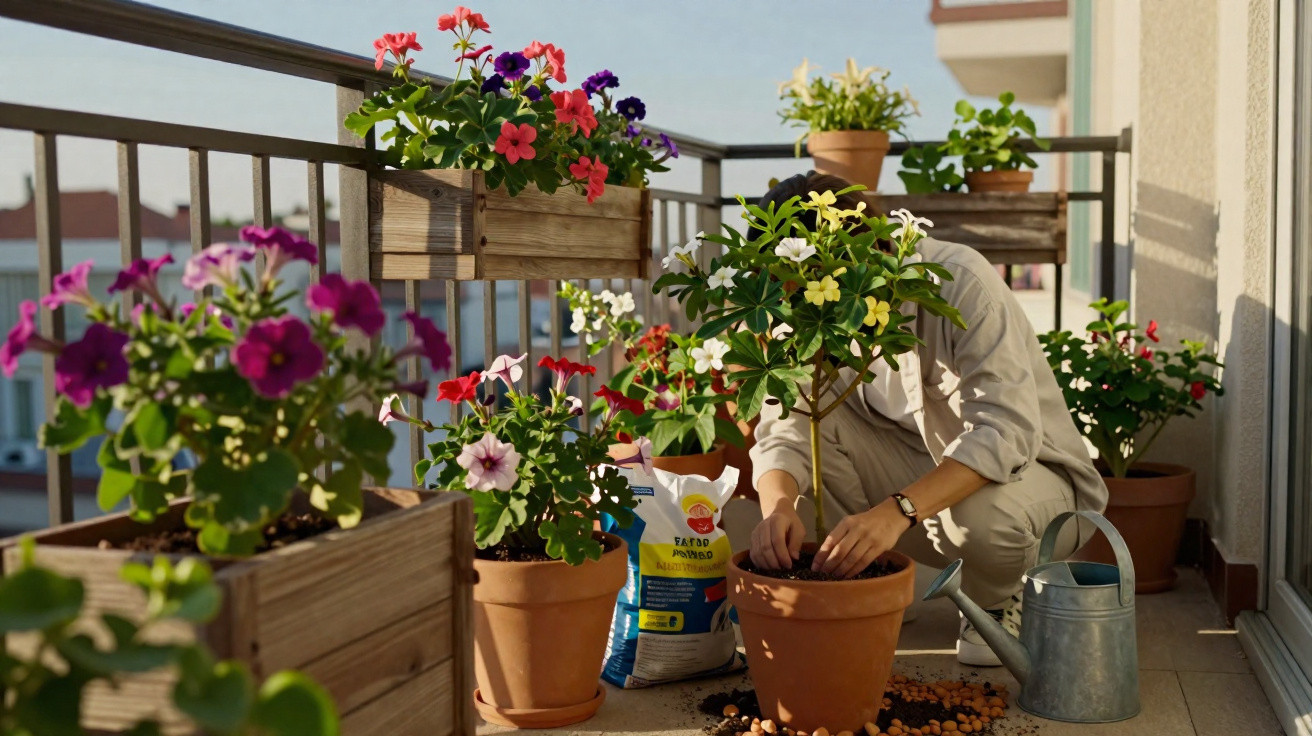
Catmint also works well on a balcony in larger pots. It will need a bit more watering in containers, but it remains an easy-care option overall.
5. Daylily - reliable colour along the edge of the bed
Daylilies (Hemerocallis) are considered almost indestructible. Each individual flower only lasts a single day, but the plants produce so many buds that fresh blooms keep coming for weeks.
Why they suit hands-off gardeners so well:
- tolerate a wide range of soils, from clayey to sandy
- grow in sun and in partial shade
- only need dividing every few years if they become too congested
If you’re after colourful highlights, the range of varieties is huge-from soft pastels to near black-red.
6. Stonecrop - a survivor for hot, dry sites
Stonecrops (Sedum) store water in their thick leaves. That’s exactly what makes them an excellent pick for dry, sunny places, roof gardens or stony corners where other plants would have given up long ago.
Typical characteristics:
- very low nutrient needs
- extremely drought tolerant
- late flowering, often into autumn-useful for late-season pollinators
If you leave the spent flower heads standing over winter, you also get attractive structure in the border that catches frost and snow beautifully.
7. Coral bells - colour accents all year round
Coral bells (Heuchera) are especially valued for their foliage colours: everything from deep wine-red through silvery tones to lime green. Many varieties keep their leaves through winter, helping beds look lively when much else has died back.
Their strengths in a low-maintenance garden:
- perform very well in partial shade and light shade
- only need occasional removal of tired old leaves
- combine brilliantly with ornamental grasses and low-growing perennials
If you want a more structured front garden, coral bells work well as a colourful edging plant or in larger drifts.
8. Tickseed - a long-flowering choice for sunny spots
Tickseed (Coreopsis) produces yellow or bicolour flowers for months, often from June right through to autumn. The plant has an airy look, rarely flops, and delivers consistent colour with minimal care.
Typical benefits:
- flowers very long and very freely
- likes free-draining, relatively lean soil
- tolerates summer heat well once established
Combined with ornamental grasses or echinacea, it creates a natural, meadow-like feel that suits modern front gardens particularly well.
How to combine robust perennials intelligently
If you genuinely want less work, don’t just focus on individual species-think about how they function together. A few rules of thumb make planning easier:
- Choose positions by light levels: sun lovers such as yarrow, echinacea and stonecrop belong up front in full sun. Solomon’s seal and coral bells are happier in shadier zones.
- Assess your soil honestly: very heavy, waterlogged clay suits yarrow less than it does tough waterside plants. Dry, stony ground is ideal for stonecrop and catmint.
- Stagger flowering times: mix spring bloomers with summer and autumn plants so there’s always something in colour.
Minimal care: what’s genuinely necessary - and what isn’t
It’s not completely maintenance-free, but the workload stays manageable. As a rough guide, here’s how little you usually need to do:
| Plant | Watering in summer | Annual maintenance |
|---|---|---|
| Yarrow | only during prolonged extreme drought | 1 cut-back, occasional division |
| Echinacea | regular at first, then moderate | deadhead, divide every few years |
| Solomon’s seal | rarely; keep soil lightly moist | remove old foliage, restrict spread if needed |
| Catmint | mostly only relevant in pots | 1–2 cut-backs to encourage repeat flowering |
Many hardy perennials do appreciate a bit more attention in their first year after planting. Once they’ve rooted in, the effort drops noticeably.
Weather extremes: why robust perennials are becoming more important
Summers with weeks of drought now alternate with torrential rain and occasional cool spells. Traditional, thirsty bedding plants quickly reach their limits under these conditions. Perennials with deep roots or water-storing systems cope far better with those swings.
"When you plant today, you shouldn’t only think about next summer, but about gardens that can cope with climate fluctuations for years."
There’s also this: many robust perennials provide food for insects even when there’s little else flowering nearby. That doesn’t just strengthen your own garden-it supports local wildlife as well.
Practical tips for beginners without green fingers
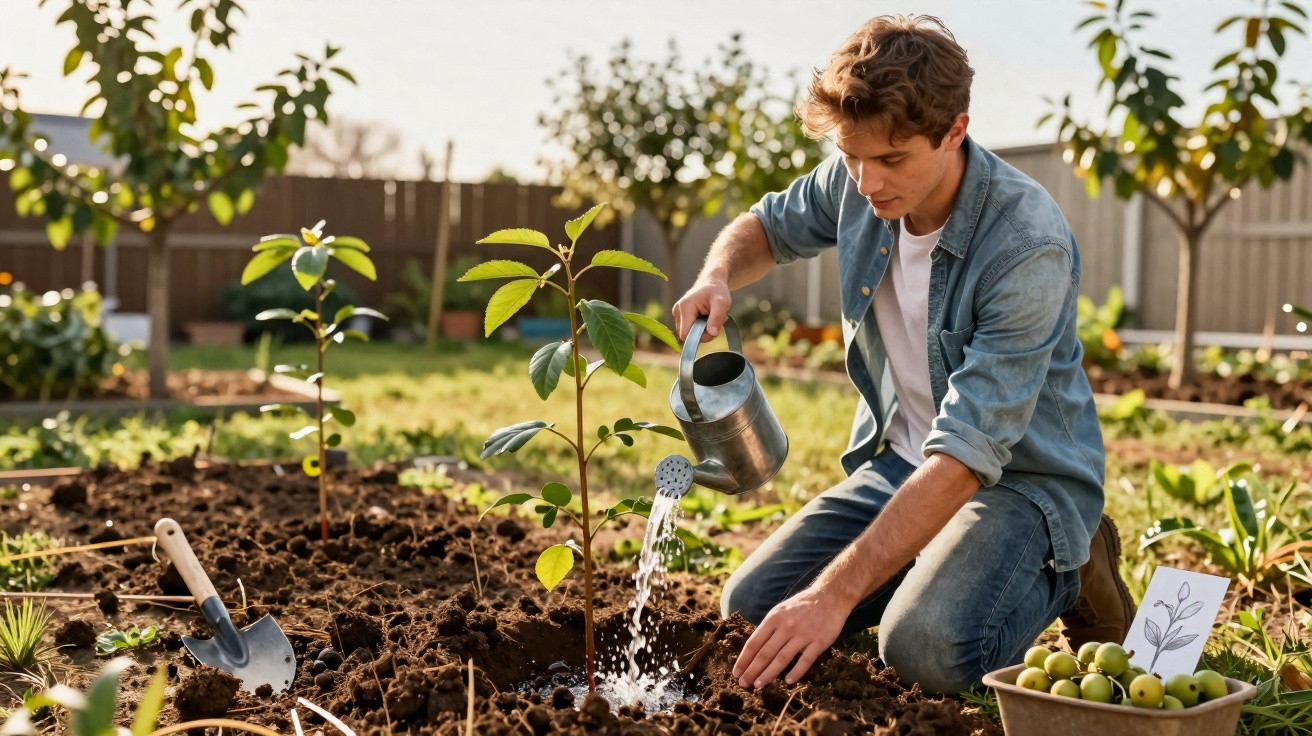
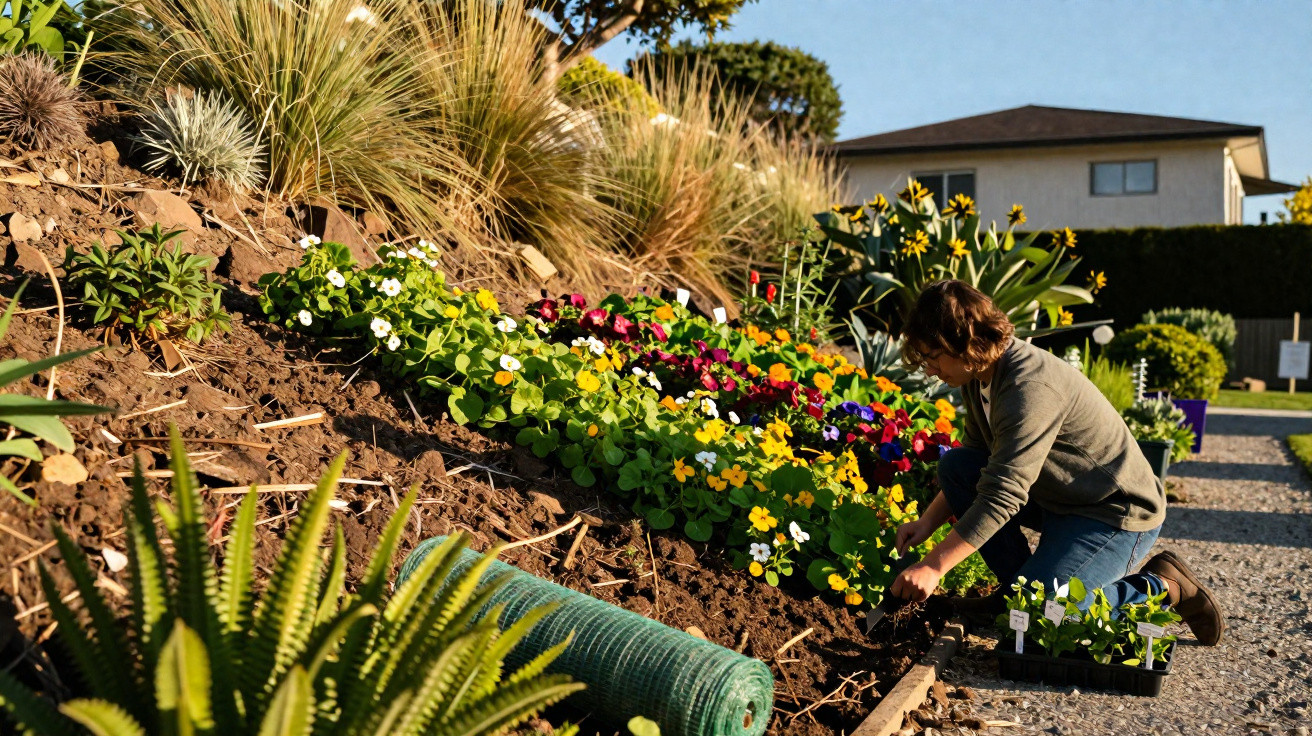
If you’re starting from scratch, begin small: 1–2 square metres of well-prepared bed is enough. Remove old perennial weeds, loosen the soil only lightly, and avoid overfeeding. Then plant 5–7 robust perennials suited to the site, and mulch between them-using bark compost or mineral grit depending on your plant choices.
In the first year, it pays to keep a closer eye on how things develop: which plants thrive in that spot, and where do you see signs of stress? Those observations make it easier to add more of what clearly works in the following years-and to replace anything that struggles.
If you plan over several years, you can create a kind of “framework” using long-lived, weather-resilient perennials. In between, you can add annual splashes of colour whenever you fancy, without the whole bed depending on them. The result is a garden that looks like you’ve done a lot-while staying surprisingly easy to live with.


Comments
No comments yet. Be the first to comment!
Leave a Comment