
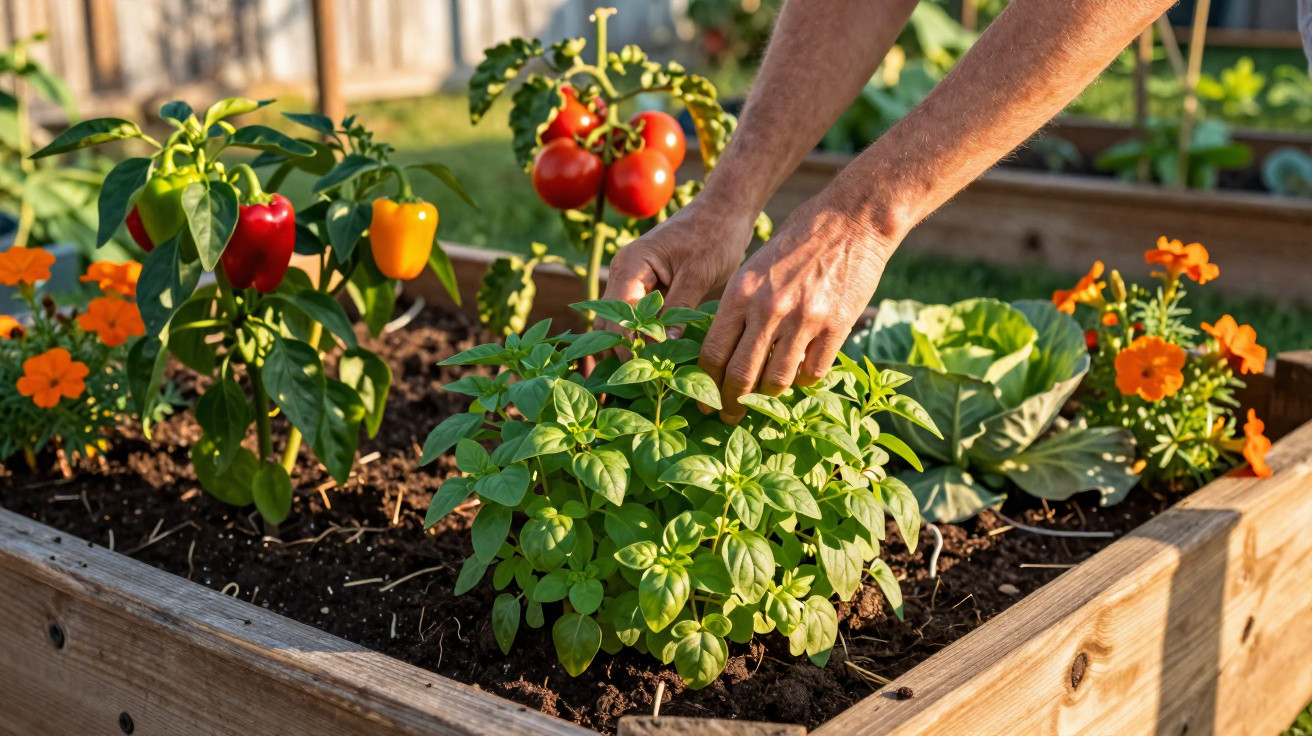
Oregano has a powerful scent, grows dependably and, almost as a bonus, helps keep pests at bay. Those traits make this Mediterranean herb a bit of a secret weapon in a wildlife-friendly vegetable garden. Plant it thoughtfully and you will not only pick aromatic leaves, but also strengthen the whole bed - without chemicals and with very little effort.
Why oregano is a true all-rounder in the garden
Oregano is a drought-tolerant perennial that thrives in sunshine and in well-drained soil. Its leaves are rich in essential oils with a strong fragrance that can confuse or deter many insects. At the same time, its flowers attract helpful pollinators.
"Oregano creates a natural scent barrier against pests and acts like a living protective fence around delicate crops."
On top of that, oregano spreads out and covers the soil. This means the ground does not dry out as quickly, weeds struggle more, and the microclimate in the bed noticeably improves. If you tweak plant spacing a little, you can build a genuinely resilient mini ecosystem.
The best vegetable pairings with oregano
Tomatoes: a classic combination with added protection
Tomatoes and oregano are a perfect match in the kitchen, and they work just as well in the bed. In practice, oregano acts like a protective shield for these heavy feeders.
- The herb’s aroma masks the scent of the tomato plants.
- Caterpillars and aphids find the plants less easily as a result.
- The soil around the tomatoes stays slightly shaded and dries out less.
Gardeners usually place oregano about 30 to 45 centimetres from the tomato stem. That leaves the tomato enough room, while oregano benefits from a touch of shade during summer heat.
Peppers and chillies: more pollinators, fewer pests
Sweet peppers and hot chillies love sun and warmth - and they repay oregano nearby in two ways. The herb stays low and hardly competes for light, yet it draws in insects that visit and pollinate pepper flowers.
The essential oils in oregano also discourage spider mites and aphids, which often spread through pepper beds in hot weather. A spacing of around 25 to 40 centimetres is a solid rule of thumb here.
Brassicas: a scent trap for hungry caterpillars
Members of the cabbage family - such as white cabbage, broccoli, cauliflower or Brussels sprouts - often suffer from cabbage white butterflies and their larvae. Planting oregano between the rows changes the bed’s overall “scent profile”.
"In beds with oregano scattered throughout, cabbage pests find it much harder to locate their favourite plants and target them for egg-laying."
At the same time, the flowers attract tiny parasitic wasps that feed on pest eggs and larvae. If you dot oregano across a brassica bed, you create several invisible buffer zones that can noticeably reduce pest pressure.
Cucumbers and squashes: support against beetles and more
Cucumbers, courgettes and pumpkins are frequently attacked by beetles and bugs that can spread disease. Oregano planted around the edge of the bed can make a real difference: its scent throws pests off, and leaf damage is often less severe.
Important: it is better to plant the herb on the outside rather than in the middle of the tangle of vines, so it does not get smothered. Gaps of 45 to 60 centimetres from the runners are considered sensible.
Overview: vegetable crops and the benefits of oregano
| Vegetable crop | Main benefit from oregano | Recommended spacing |
|---|---|---|
| Tomatoes | Protection from caterpillars and aphids | 30–45 cm from the stem |
| Peppers and chillies | More pollinators, fewer mites | 25–40 cm |
| Cucumbers | Less beetle damage, better flavour | 45–60 cm |
| Courgettes and pumpkin | Disrupts bugs and beetles | 60–75 cm from the main shoot |
Herb and flower companions for oregano
Basil: a kitchen favourite with different preferences
Basil and oregano often appear side by side in recipes - and they can share a bed too, as long as watering is handled properly. Basil likes more moisture, while oregano prefers it a little drier. If you grow them together, water selectively rather than soaking the whole area.
The upside: both herbs attract a wide range of insects that pollinate flowers and help keep pests in check. In the kitchen, they end up together anyway - on pizza or stirred into pasta.
Thyme: the perfect partner with the same needs
Thyme and oregano want almost identical conditions: plenty of sun, free-draining soil and minimal fertiliser. That makes them easy to look after as a pair, because both cope well with lean conditions.
"If you combine thyme and oregano, you get a fragrant duo that upgrades beds visually and functionally - from rock gardens to raised beds."
Thyme’s finer leaves create a striking contrast with oregano’s sturdier shoots. At the same time, the combined fragrance is strong enough to put many pests off.
Calendulas and marigolds: protection above and below
Flowering companions such as calendulas or marigolds are an excellent match for oregano. While oregano mainly works through scent in the air, these flowers literally go deeper: they release compounds that disrupt pests living in the soil.
Their blooms also attract hoverflies and lacewings - natural enemies of aphids and other soft-bodied insects. Together, they form a dense protective screen of beneficial insects and fragrances.
Nasturtium: a decoy for aphids
Nasturtium works well as a so-called sacrifice plant. Aphids often head straight for its soft leaves. If you plant nasturtium next to oregano, or slightly in front of it, you can deliberately draw pests away.
Oregano, in turn, attracts ladybirds and other predators that feed on aphid colonies. This creates a small cycle that often makes spraying unnecessary - and the bright flowers add plenty of visual appeal.
Which plants are better kept at a distance
Fennel: chemical competition in the soil
Fennel mixes poorly with many neighbours, including oregano. It releases substances into the soil that can inhibit the growth of other crops. When planted too close, oregano often stays smaller, loses aroma and produces fewer leaves.
If you want to grow both, leave at least about 1 metre between them, or keep fennel in its own bed.
Lettuce and other moisture lovers
Leaf lettuces, lamb’s lettuce and other tender greens need consistently moist soil to stay crisp. Oregano, on the other hand, prefers dry spells between watering. If they are planted too close together, one side inevitably suffers:
- Too much water: oregano’s roots can rot and the plant languishes.
- Too little water: lettuce turns bitter and bolts quickly.
Better: organise beds by water requirement. Put oregano with tomatoes, peppers and other Mediterranean herbs - and keep lettuces in an area with more even moisture.
How to get the most out of oregano in a bed
Position, pruning and general care
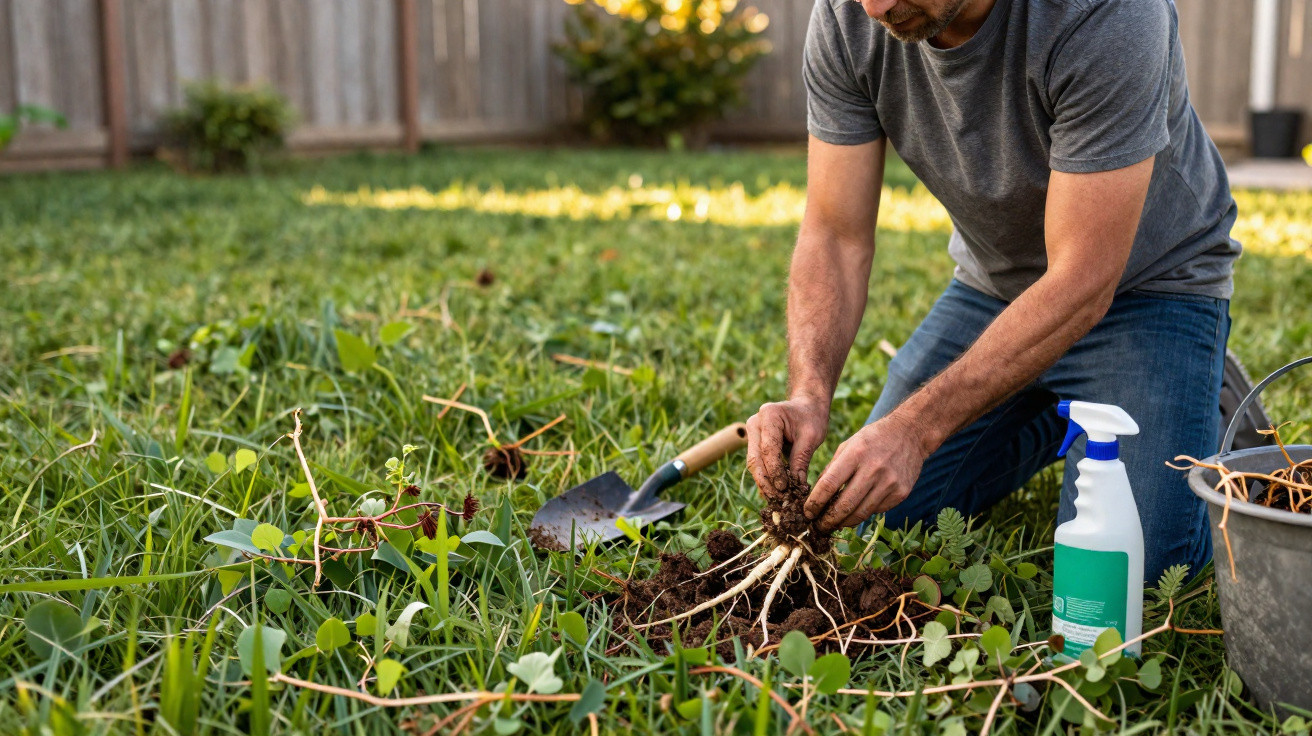
Oregano spreads via underground runners and, over time, can form dense mats. If you do not want it taking over the whole bed, cut it back regularly and contain individual clumps with a spade or a root barrier.
Regular harvesting encourages fresh growth and increases the concentration of aromatic compounds. Once the plant goes heavily into flower, it directs less energy into the leaves - so it is better to snip small amounts more often than to cut back drastically once a year.
Strategic placement in the garden
With a bit of planning, oregano can be used very deliberately:
- As edging along vegetable beds for scented protection.
- In the corners of raised beds to cover several directions at once.
- Along paths, so the fragrance is released as you walk past.
- Under fruit trees, where it reduces weed pressure and attracts pollinators.
- In dry-stone walls and rock gardens, where rainwater drains quickly.
Another interesting spot is near compost areas. Oregano can help mask odours and discourage flies a little, without interfering with the composting process.
Getting soil and nutrients in balance
Heavy, wet soils hold oregano back. If you have loam or clay, mix in coarse sand and mature compost until water drains more freely. Soil that is too rich produces lots of leaf growth but comparatively weaker aroma.
"For strong flavour and robust defences, oregano needs poorer soil rather than rich soil - in this case, less fertiliser means more effect."
If you understand the typical preferences of Mediterranean herbs, you can build whole planting schemes around oregano. Combined with other sun-loving species, you get beds that look good and taste great, while also slowing pests down and reducing maintenance.



Comments
No comments yet. Be the first to comment!
Leave a Comment