
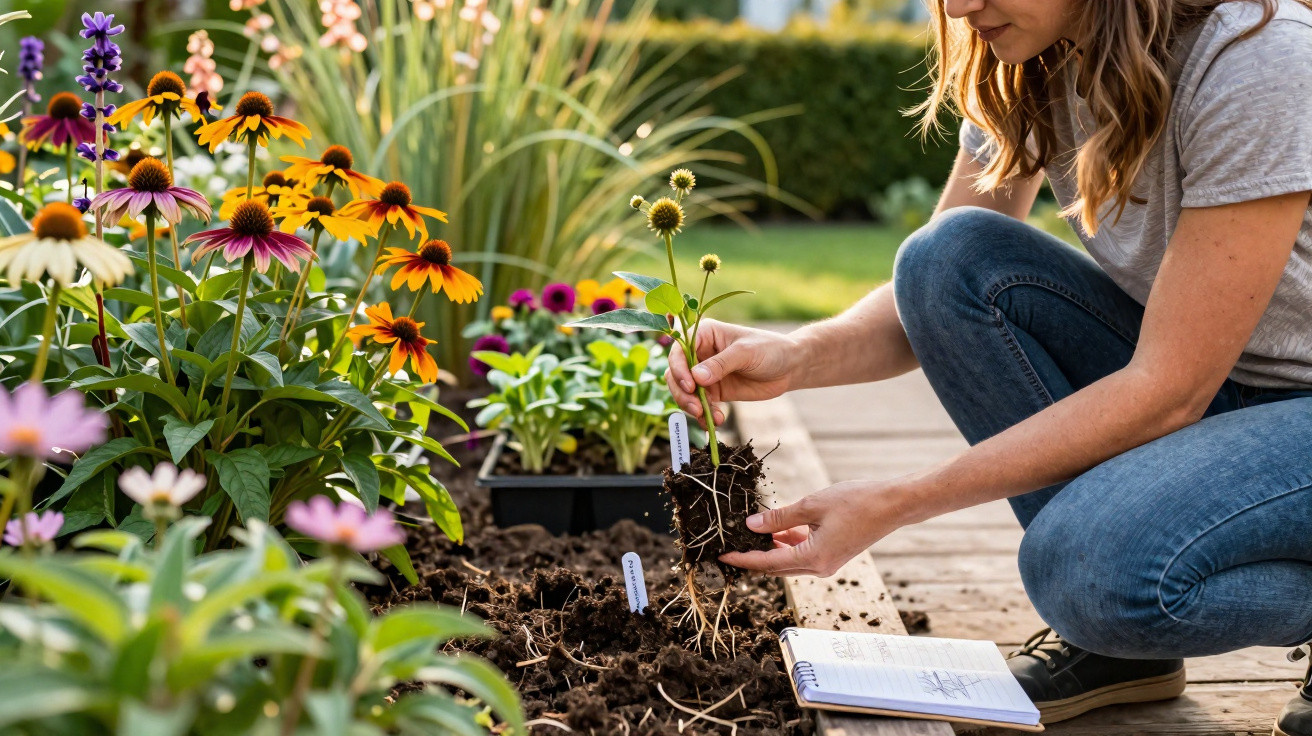
The difference between herbaceous perennials, annuals and woody plants can sound a bit dry, but it determines whether a border keeps costing you money every year - or reliably returns. If you understand the key features of perennial plants, you can plan more calmly, save time, and build your garden over the long term.
What herbaceous perennials really are in the garden
In botanical terms, any plant that lives for more than two years is a perennial plant - which includes trees and shrubs. In everyday gardening, though, herbaceous perennials (often simply called “perennials”) usually means something more specific: plants that live for several years, die back above ground in winter, and then reshoot from roots, tubers or rhizomes.
“Perennials are the quiet long-term tenants in a border: gone above ground, but fully charged below for a fresh start in spring.”
Typical examples include delphiniums, hostas (Hosta) and daylilies. In autumn they can look as if they’ve vanished for good. Then, in spring, they reappear in the same spot as though nothing happened.
Difference: perennials, annuals and biennials
When you buy plants for the garden, you’ll usually run into three labels: annual, biennial, and perennial (or herbaceous perennial). These tags reflect a very real difference in how a plant lives its life.
Annuals - the turbo bloomers
Annual plants last for a single season. They germinate in spring, grow, flower, set seed and die all within the same year. Their entire life cycle plays out in just a few months.
- very fast growth
- often extremely generous, long-lasting flowering
- must be resown or bought again every year
Well-known examples include tomatoes, pumpkins and basil in the vegetable patch, or cosmos, sunflowers and zinnias in a flower bed. They can be spectacular - but they’re strictly seasonal workers.
Biennials - leaves first, flowers later
Biennial plants usually focus on leaves and roots in their first year. In the second year they properly get going, flower and produce seed - and then they die.
Classic biennials include foxgloves, hollyhocks, and some types of parsley and carrot in the herb and vegetable garden.
Herbaceous perennials - the ones that come back
Herbaceous perennials can, at least in theory, stay in the same place for many years. Over winter the growth above ground disappears, but below the surface they keep a store of energy in roots, rhizomes, tubers or bulbs.
That reserve is exactly what makes them so valuable: instead of being replaced each year, they provide leaves and flowers across many seasons.
Woody perennial plants: not every perennial, but every hedge
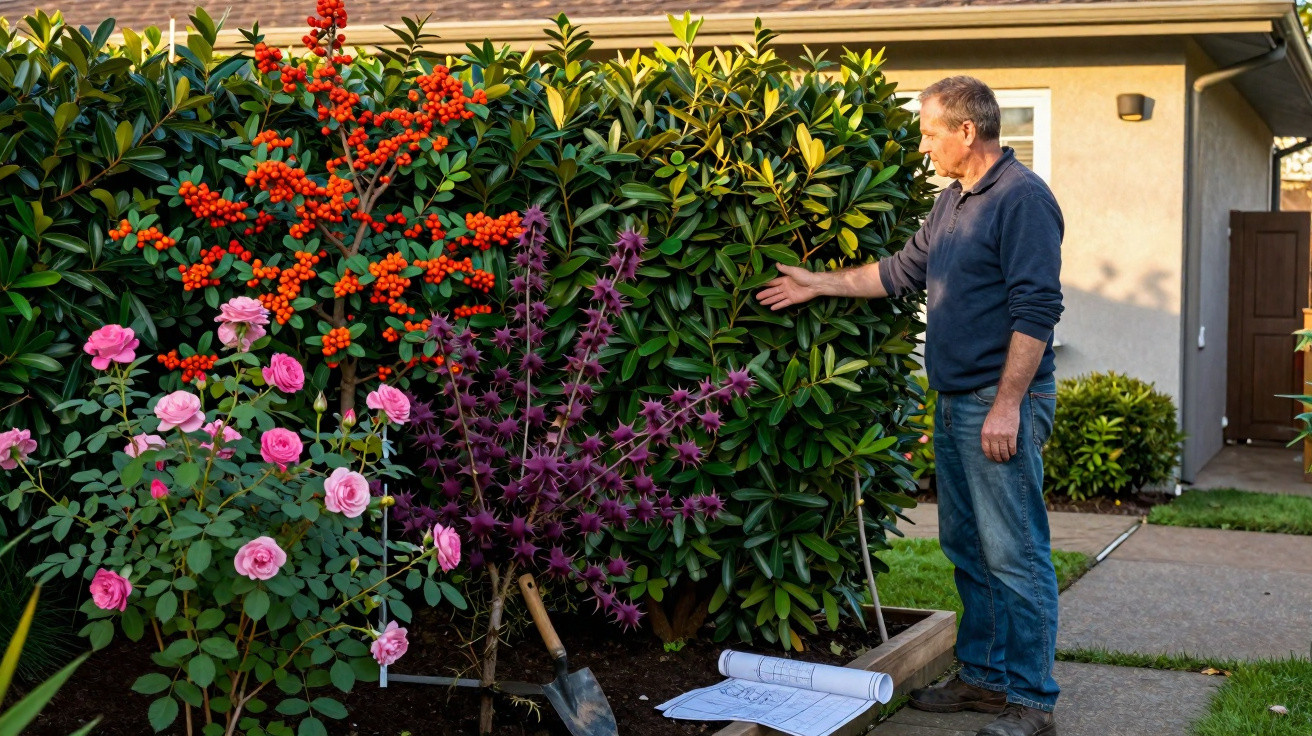
A key way to classify plants is to ask: does the plant become woody? This means older parts harden into true “wood”, mainly providing support, while the outer layers continue moving water and nutrients.
“Anything that produces real wood lives for several years - every tree, every shrub, every hedge is therefore automatically a perennial plant.”
Year after year, a plant adds new layers, comparable to a tree’s annual rings. The inner, older tissue dies and remains primarily for strength - the wood we recognise. Wood cannot form without multiple years of growth, so any woody plant is inevitably perennial.
This group obviously includes large trees and shrubs. But it also covers smaller woody plants such as blueberries and compact dwarf shrubs - even if they grow to no more than 30 centimetres tall.
Perennials without wood: placing perennials, bulbs and tubers correctly
A typical border perennial, by contrast, does not become woody. Its stems die back in autumn, and the plant’s “life” shifts entirely into the parts below ground.
Rhizomes, bulbs and tubers as energy stores
Underground storage organs act like a bank account for plants. While annuals have to invest all their energy into seed, perennials put resources aside to restart the following year.
- Bulbs (e.g. tulips, daffodils): layered storage organs containing the nutrients needed for new growth.
- Tubers (e.g. dahlias): thickened plant parts that store water and nutrients.
- Thickened roots / rhizomes (e.g. irises, peonies): underground stems that send up new shoots each year.
All of these forms count as perennial plants, even though they’re sometimes treated like annuals in the trade because they aren’t hardy, or because they flower more weakly in their second year.
Grasses in lawns and ornamental beds
Grasses can be annual or perennial, but not biennial. Most lawn seed mixes rely on perennial species - no one wants to re-lay an entire lawn every year. Many native prairie and steppe grasses such as buffalo grass are also built for the long term, returning year after year.
Typical garden plants: perennial or seasonal purchase?
In day-to-day gardening, the most reliable approach is often to check a good plant guide or the label at the garden centre. Even so, some groups can be roughly categorised.
| Plant | Botanical classification | How it’s used in the garden |
|---|---|---|
| Tomato | perennial, not hardy | almost always grown as an annual |
| Potato | perennial via tubers | replanted every year |
| Pansy | perennial | often kept in the bed for just one season |
| Tulip | bulb perennial | often treated as a “one-off” in home gardens |
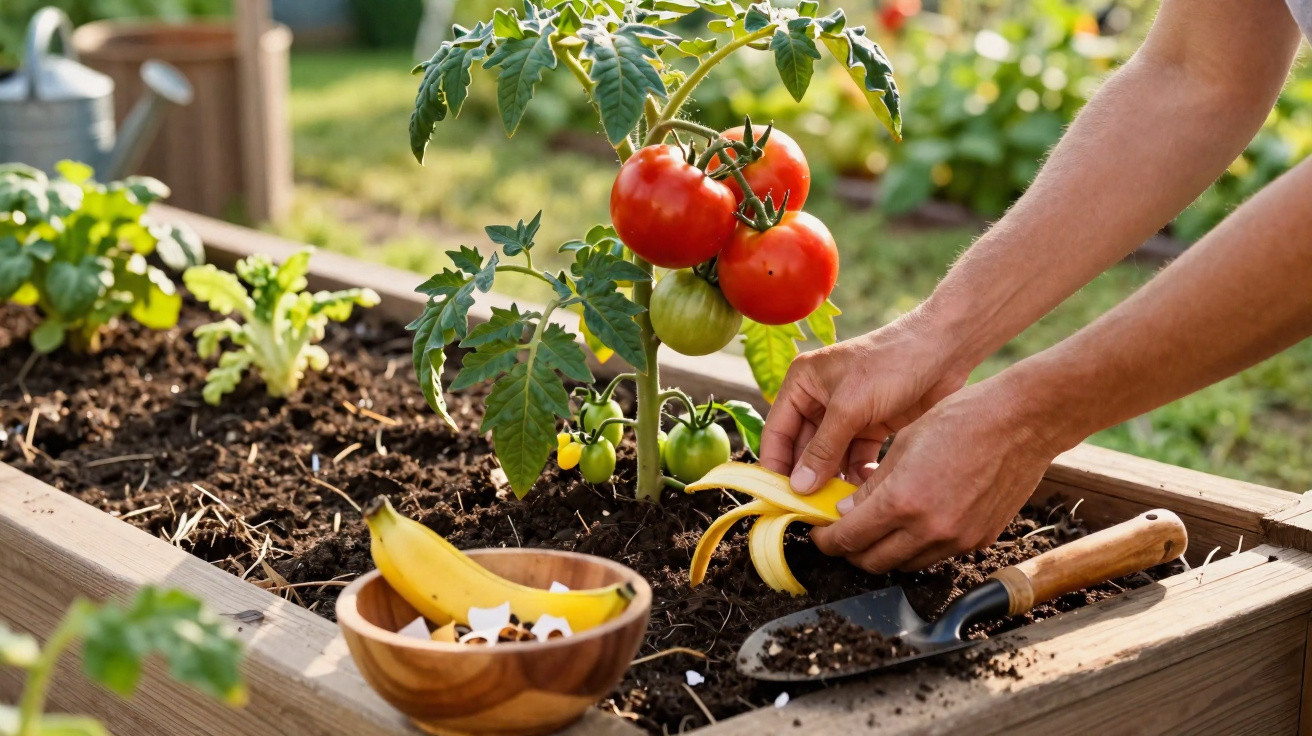
In mild climates, tomatoes can survive for several years in sheltered spots. In Central Europe they usually freeze, so they’re treated as annuals. The same generally applies to peppers and chillies.
When it says “perennial” but nothing comes back
Few things irritate amateur gardeners more than “perennials” that simply fail to reappear. There are several possible reasons:
- Lack of nutrients: the plant put everything into growth and flowering in its first year and didn’t build up reserves for winter.
- Wrong site: waterlogging, soil that’s too dry, or too much shade weakens the storage organs.
- Over-breeding: some heavily double-flowered cultivars - tulips, for instance - are bred for a show-stopping first year, not long-term persistence.
- Frost damage: not every plant sold as “perennial” is actually hardy in every region.
“Many supposedly ‘missing’ perennials are still alive in the soil - they simply need a year or two to rebuild enough strength to flower again.”
Especially with bulb plants such as tulips, it’s common for them to produce leaves in the second year but stop flowering. Feeding well after flowering and choosing a spot where the foliage can die back slowly can improve the chances of a return.
Self-seeding: when “volunteers” take over the garden
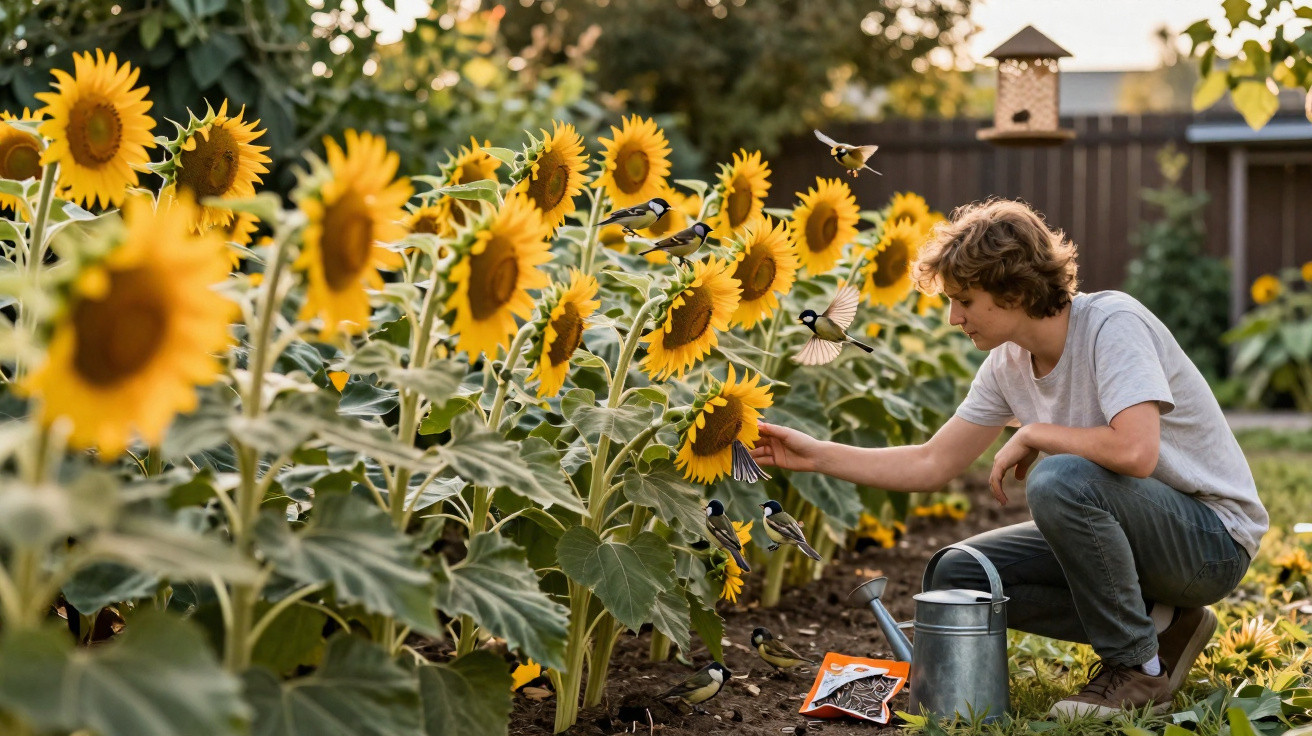
Many gardeners know the situation: tomatoes, pumpkins or sunflowers suddenly pop up where nobody planted them. These plants come from fallen seed and are often called “volunteers”.
They behave differently from true herbaceous perennials. They may appear in similar places each year, but they’re always starting from fresh seed - not from an old rootstock. Typical examples include:
- tomatoes
- pumpkin and courgette
- melons
- beans
- sunflowers
At first glance, these can look like unusually keen perennials. In reality, they begin from scratch every time.
Practical tips: how to recognise perennial plants in your own garden
If you don’t want to keep every label, a few simple questions will usually guide you:
- Do woody stems remain over winter? If so, it’s a woody plant - a tree or shrub.
- Does everything above ground die back, and something returns in the same place next spring? That strongly suggests herbaceous perennials or bulb plants.
- Do new plants appear each year in slightly different spots, such as beneath old seed heads? That’s very likely self-seeding from annuals.
If you’re unsure, mark suspicious spots with small plant sticks and wait for spring. Surprises included.
Why it pays to focus on perennial plants
A garden that leans heavily on herbaceous perennials and other perennial species usually needs less ongoing maintenance and budget. Annuals deliver quick colour, but they demand fresh spending and planting time every year.
Perennials, on the other hand, provide structure, attract insects and birds, and can be combined cleverly with annual highlights. Tough, reliable plants such as coneflower (Echinacea), yarrow and sage are long-lived, attractive and valuable for pollinators.
Terms like “perennial”, “herbaceous perennial” or “hardy” can look confusing on plant labels. Once you understand storage organs, wood formation and the life cycles of different plants, the logic becomes much clearer. Then the colourful range at the garden centre stops being a guessing game and becomes a deliberate choice: what should shine for just one season - and which plants should stay for the long haul?
Comments
No comments yet. Be the first to comment!
Leave a Comment