
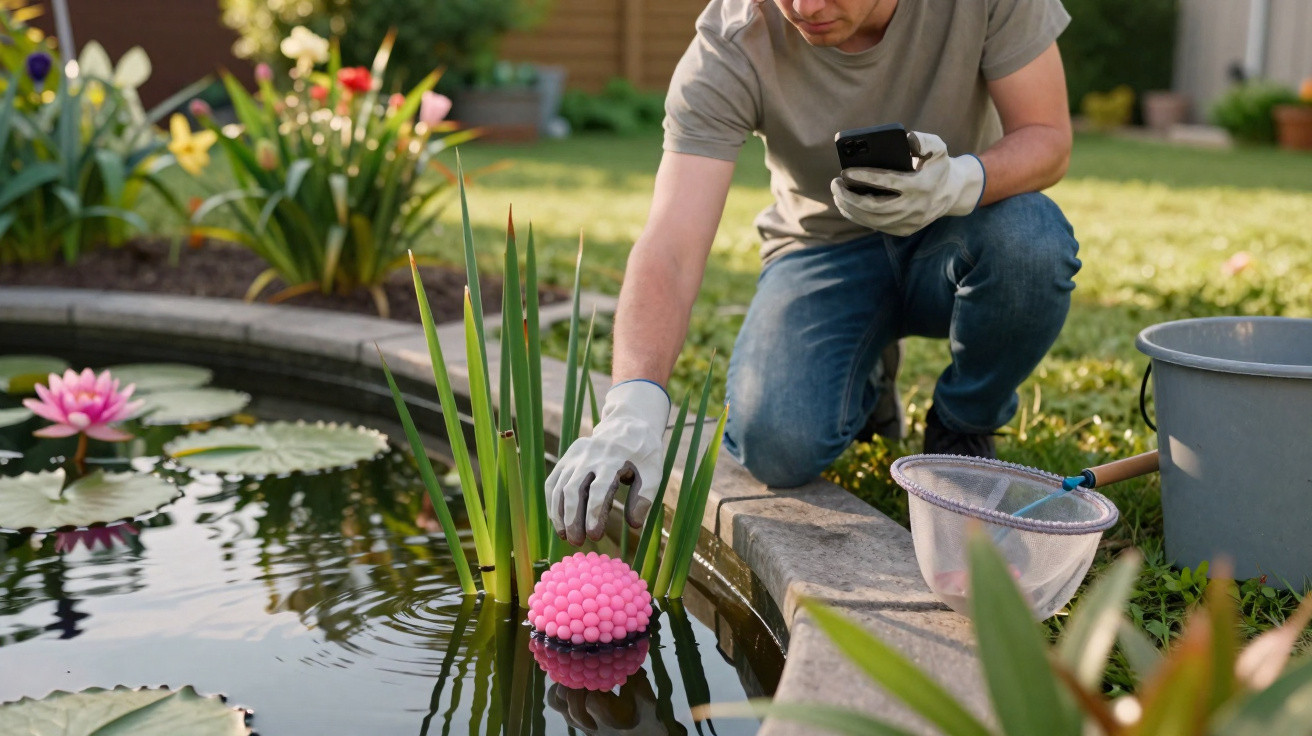
What may look cute or simply odd at first glance is actually a serious warning sign. Those bright pink pellets can indicate an invasive snail pest that threatens gardens, ponds, agriculture and even human health. If you ignore these eggs - or handle them incorrectly - you risk far more than a few nibbled plants.
What lies behind the pink eggs
The striking pink egg masses are produced by the so-called golden apple snail (Pomacea canaliculata). This species originally comes from South America, but has spread to many countries through the aquarium trade - including the USA and parts of Asia - and it is also classified in the EU as a prohibited invasive species.
Unlike many native water snails, this one is exceptionally adaptable. It can survive both in water and on land, chews through aquatic plants and fresh shoots in the garden, and reproduces so quickly that natural predators can hardly keep up.
"The garish colour of the eggs isn’t nature showing off - it’s a clear warning: keep your hands off and act fast."
How to identify the egg clumps reliably
Golden apple snail eggs are usually easy to distinguish from other deposits. Common features include:
- vivid to neon pink, often almost fluorescent
- grape-like clusters, roughly the size of a bunch of grapes or a small cluster of plums
- firmly attached to smooth or rough surfaces, typically just above the waterline
- found on walls, fence posts, jetties, reed stems, bridge supports or bank reinforcement
If you spot something like this in the garden, at a garden pond or along a stream, do not scrape it off with bare hands. The eggs can carry pathogens, and crushing them can easily release material into the water or into small breaks in the skin.
How dangerous the snails really are
The risk is not limited to the eggs. The greater problem comes from the adult snails that hatch from them. They cause damage on three fronts - in the natural environment, in gardens and in agriculture - and there is also a health risk to people.
Severe ecological damage
Golden apple snails graze aquatic vegetation aggressively. In ponds, ditches and slow-moving waters they can strip out most plant growth in a short time. The consequences include:
- Submerged plants disappear, and fish and amphibians lose their habitat.
- Algae spread rapidly because there is less competition.
- Oxygen levels drop, and toxins can build up.
- Ponds can become unbalanced, water turns cloudy and conditions become problematic for animals and people.
What begins in a garden pond can spread through ditches, streams and rivers into entire regions - and that is exactly what authorities are currently observing in particularly wet areas.
Risk to gardens and ornamental planting
These animals do not stay politely in the water. In damp weather they will also crawl onto lawns, vegetable patches and borders, where they feed on:
- young vegetables such as lettuce, spinach or cabbage
- tender shoots of perennials and ornamental plants
- aquatic plants in and around ponds, such as water lilies or irises
Because the snails have few natural enemies and multiply extremely fast, a small infestation can quickly turn into a full-scale invasion. A single female snail can lay thousands of eggs over its lifetime.
Health risk to people
Particularly concerning is that this species can act as an intermediate host for dangerous parasites, including liver flukes and pathogens that can trigger so-called eosinophilic meningitis in humans - a specific form of meningitis.
The risk mainly arises through:
- handling infected snails without gloves
- contact with contaminated water through open wounds
- improper removal of eggs and animals
"These snails are not a harmless curiosity - they are a serious health and environmental pest."
What to do immediately if you see pink eggs
With these eggs, time matters: every hour counts before the larvae hatch and disperse. If you find a clump, it is best to act methodically.
Step-by-step guidance
- Record the location: take a clear photo of the eggs and the surrounding area.
- Get in touch: report the find to the relevant environmental or agricultural authority.
- Use protective equipment: always wear sturdy gloves and avoid splashes towards your face.
- Keep the area clear: keep children and pets away, and mark the spot if necessary.
- Check nearby areas: inspect all damp locations, walls, banks and water surfaces close by for additional egg masses.
Based on photos and samples, authorities can confirm whether the eggs are actually from golden apple snails or from a harmless native species. This expert assessment is essential before wider measures are taken.
Long-term protection for your garden and pond
Anyone who has dealt with invasive snails once will not want a repeat. Prevention starts with how you design and maintain your own plot.
Managing ponds and water features properly
- Inspect regularly, especially in spring and after warm rainy spells.
- Keep bank areas easy to see; overly dense planting is difficult to monitor.
- Remove sludge and dead plant material from ponds to reduce algal growth and snail hiding places.
- Do not introduce exotic aquatic plants or animals without proof of origin.
A fixed routine helps greatly: for example, a quick weekly walk around the pond edge and a look at posts, walls and aquatic plants - it takes little time and prevents unpleasant surprises.
Garden layout as a protective factor
A few practical design and structural choices can noticeably reduce the likelihood of a snail outbreak:
- Avoid puddles and persistent mini-pools on lawns, for example by improving drainage.
- Cover water butts and containers, or secure them with fine mesh.
- Cut back damp, shady corners regularly and allow them to dry out.
- Choose plants that cope better with short-term feeding damage or are less attractive to snails.
How aquarium enthusiasts unknowingly add to the problem
One often-overlooked issue is aquarium handling - the starting point for the spread of many invasive species. Some owners pour old aquarium contents into garden ponds, streams or ditches, either out of convenience or simply not realising the risk.
If fish, plants or aquarium water are “disposed of” outdoors, non-native species can be released accidentally - including snails such as the golden apple snail. Better options are:
- Dispose of aquarium water down the drain, not outdoors.
- Bag plant waste securely and put it in the general waste, not on the compost or into the pond.
- Never release unknown snails or animals; instead, contact retailers, clubs or animal shelters.
Why early reporting matters so much
With invasive species, there is only one approach that truly works: intervene as early as possible, before a population becomes established. The same applies to the golden apple snail. A few egg masses can still be removed in a controlled way; widespread infestation across entire water systems is far harder to tackle.
Staying alert in your own garden protects not only your beds and pond, but also nearby lakes, rivers and agricultural land. Rice and vegetable-growing regions in particular react very sensitively to these snails, because they can effectively mow down young plants in irrigated fields.
Those conspicuously pink eggs are therefore more than a quirky splash of colour - they are a clear warning signal. If you see them, act sensibly: wear gloves and contact the appropriate authorities.

Comments
No comments yet. Be the first to comment!
Leave a Comment