
The first thing you often do after chopping veg for tea is brush the peelings straight into the bin: onion skins, garlic ends, carrot tops, eggshells, coffee grounds. Gone in one annoyed sweep so you can clear the worktop and move on with your evening.
Then, a few weeks later, you stroll past your neighbour’s garden and stop in your tracks. Their tomatoes look like they’ve been photoshopped. The basil is about the size of a small dog. Hydrangeas bursting with colour. Same road, same weather, same tap water-yet it’s a completely different jungle.
There’s a quiet little link between their kitchen and their soil.
And chances are you’re chucking it out every day.
The “rubbish” that turns soil into a powerhouse
Ask gardeners with absurdly healthy, borderline smug-looking plants what they’re feeding the soil, and you’ll hear the same answer on repeat: kitchen scraps. Not expensive fertilisers in glossy tubs. Not miracle powders from the garden centre. Just what most of us tie up in a black bin bag and forget about.
The funny part is that it doesn’t look special at all. It looks like nothing: dull eggshells, coffee grounds clumped in the filter, potato peel, lettuce ends, tea bags, fruit skins. But inside that mess is slow, reliable fuel for roots, worms, microbes and fungi-the whole underground city that keeps plants going.
Imagine two balconies side by side in the same block of flats. On one, tomato plants sit in tired, shop-bought compost that’s been reused three years running. They’re surviving, a bit washed-out, producing a miserable handful of fruit. Next door, the pots are the same size and get the same sun-but the person has been quietly tucking crushed eggshells, coffee grounds and vegetable peelings into the soil all spring.
By August, their tomatoes could pass for a different species: sturdier stems, deeper green leaves, and heavy clusters that make the branches droop. One looks like the version of gardening in the adverts. The other looks like the version most of us recognise.
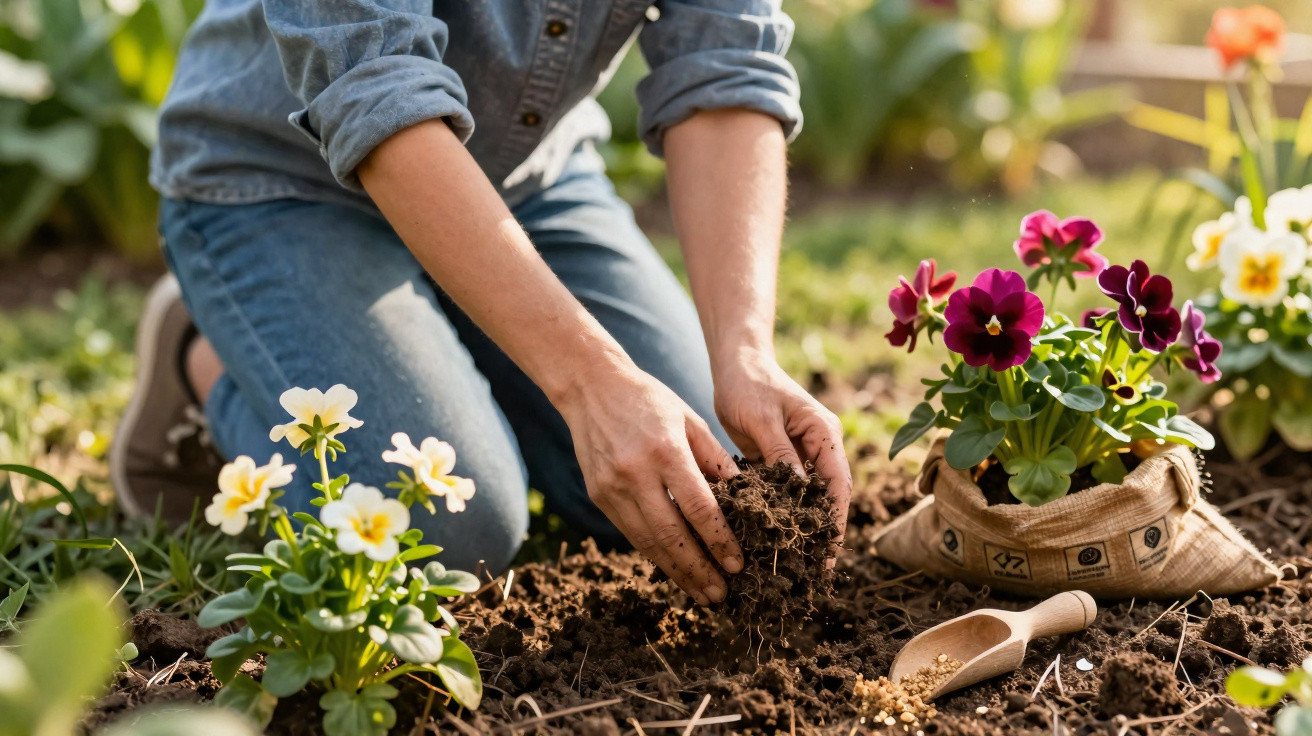
Nothing mystical is going on-it’s biology doing its job. Kitchen waste breaks down into humus: the dark, crumbly material that works like a sponge and a buffet at once. It holds moisture for longer, feeds plants gradually, and opens up tiny air spaces so roots can breathe. Coffee grounds add organic matter and a gentle lift of nitrogen. Eggshells provide calcium over time, helping with issues such as blossom end rot in tomatoes and peppers. Vegetable peelings feed the microorganisms that then, in turn, make nutrients available to your plants.
Bagged compost can be fine at the start, but each watering and harvest leaches goodness out of it. If you don’t replenish it, it becomes exhausted. Kitchen scraps are how thrifty gardeners quietly charge it back up.
How to turn your kitchen bin into your garden’s secret ally
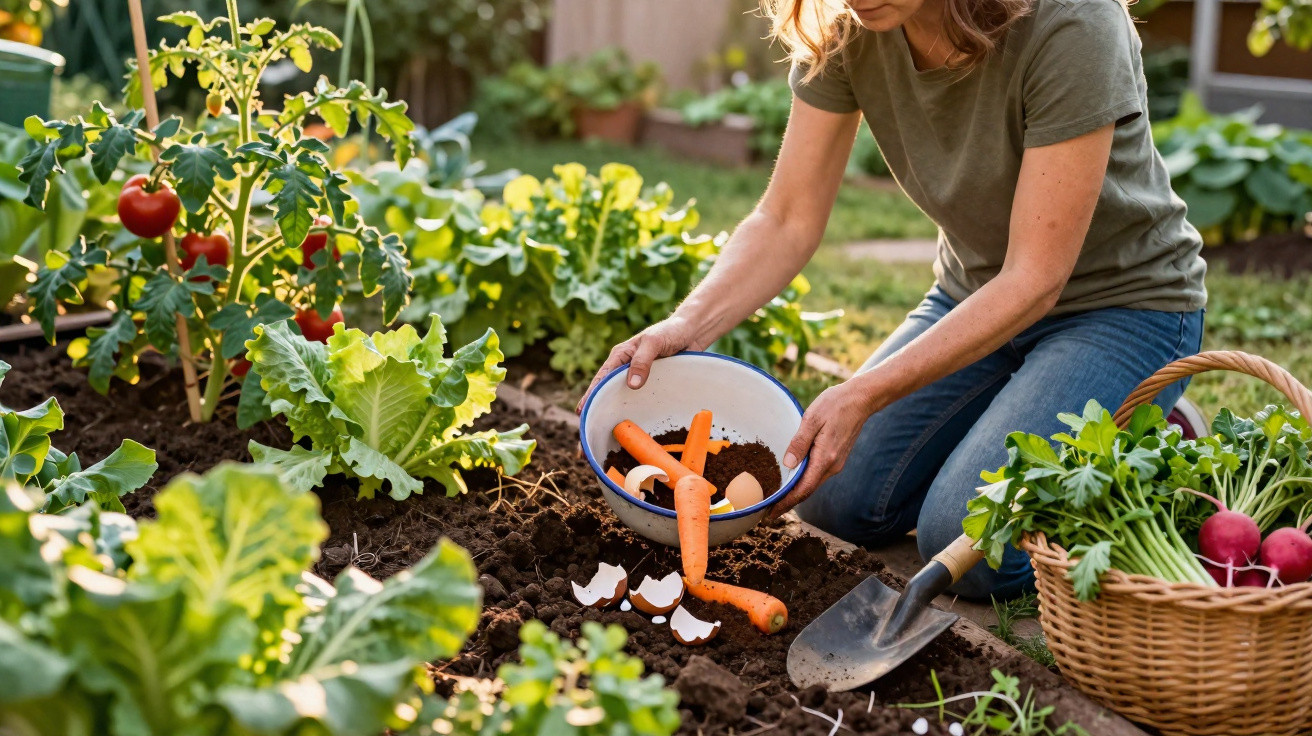
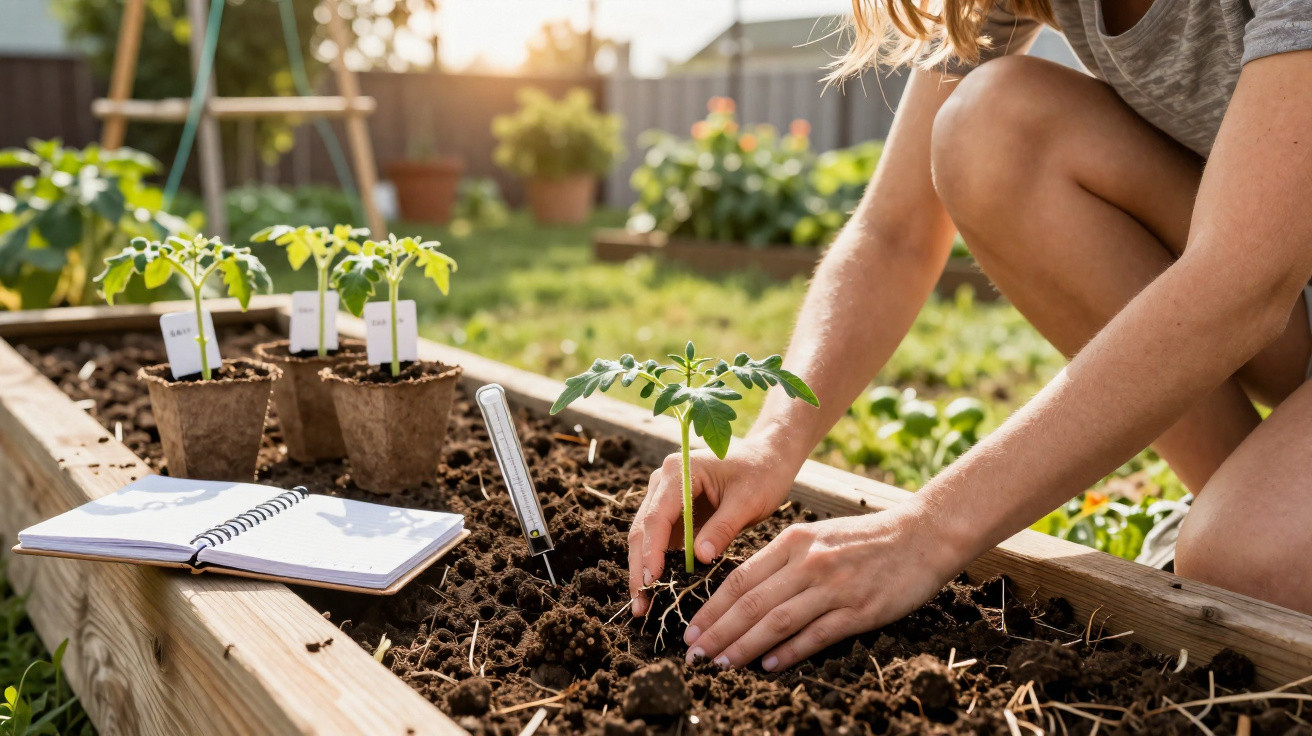
The simplest approach doesn’t even require a compost bin. It’s called trench composting: you bury your kitchen waste exactly where you want to grow. Keep a bowl or small tub for the day’s scraps-coffee grounds, tea leaves, fruit and veg peelings, and crushed eggshells-then take it out to the garden or balcony.
Dig a small hole or narrow trench about a hand deep, tip the scraps in, and cover them completely with soil. Done. No turning, no complicated “ratios”, and no waiting months for a heap to “mature”. Just a quiet habit that strengthens your soil from the inside.
This is the point where many people stall, though-they start overthinking. They worry they’ll do it “wrong” and end up doing nothing. Some toss in big pieces and leave them exposed, which invites flies. Others add salty leftovers, oily sauces or large bones that won’t break down quickly and can tempt rodents.
And honestly, hardly anyone manages this every single day. Life gets busy. Some evenings you’ll forget, or you’ll be too tired to dig. That’s perfectly fine. The goal isn’t perfection-it’s doing it repeatedly over time. A few properly buried handfuls each week can change the feel of an entire bed by the following season.
On a small city lot, one gardener told me, “I stopped buying fertilizer three years ago. My plants live off coffee, eggshells, and whatever’s left on our cutting board. My trash bin is lighter, and my soil feels alive in my hands.”
Gardeners’ favourite kitchen scraps are usually the straightforward ones:
- Coffee grounds – best scattered in a thin layer on the surface or mixed in; they add organic matter and a mild nitrogen boost.
- Crushed eggshells – release calcium slowly and can slightly improve soil texture when sprinkled around heavy-feeding plants.
- Vegetable peels and fruit scraps – ideally buried or composted; they feed worms and the microscopic life that supports roots.
- Plain tea leaves and paper tea bags – provide gentle organic matter; avoid any bags made with plastic mesh.
- Stale bread or cooked food – commonly avoided outdoors because they attract pests, but they can be used carefully in closed compost systems.
The trick isn’t having the perfect list of scraps, it’s giving the soil something real to chew on, again and again.
A quiet habit that changes how you see both food and soil
Once you start setting kitchen waste aside for the garden, you can’t unnotice the change. You’ll find yourself hovering over carrot tops thinking, “That’s tomorrow’s tomato dinner.” Carrying a bowl of scraps outside becomes strangely calming-a small ritual linking your sink to your soil.
As the months pass, the garden answers back. Leaf colour deepens. Soil that used to feel dusty or compacted turns darker, looser and easier to crumble between your fingers. You begin to recognise the scent of living earth-slightly sweet, rich and full. The distance between what you cook and what you grow quietly narrows.
You may even hear your conversations shift. Friends ask, “What fertiliser are you using?” and you laugh, slightly sheepish, gesturing at your coffee mug and the scraps tub by the sink. You notice how much you used to spend on quick-fix feeds, chasing shiny labels and seasonal offers.
A plain truth settles in: the best fertiliser was in your home all along, travelling from chopping board to bin without a second thought. Now each peel and shell becomes a tiny choice-rubbish, or tomorrow’s growth.
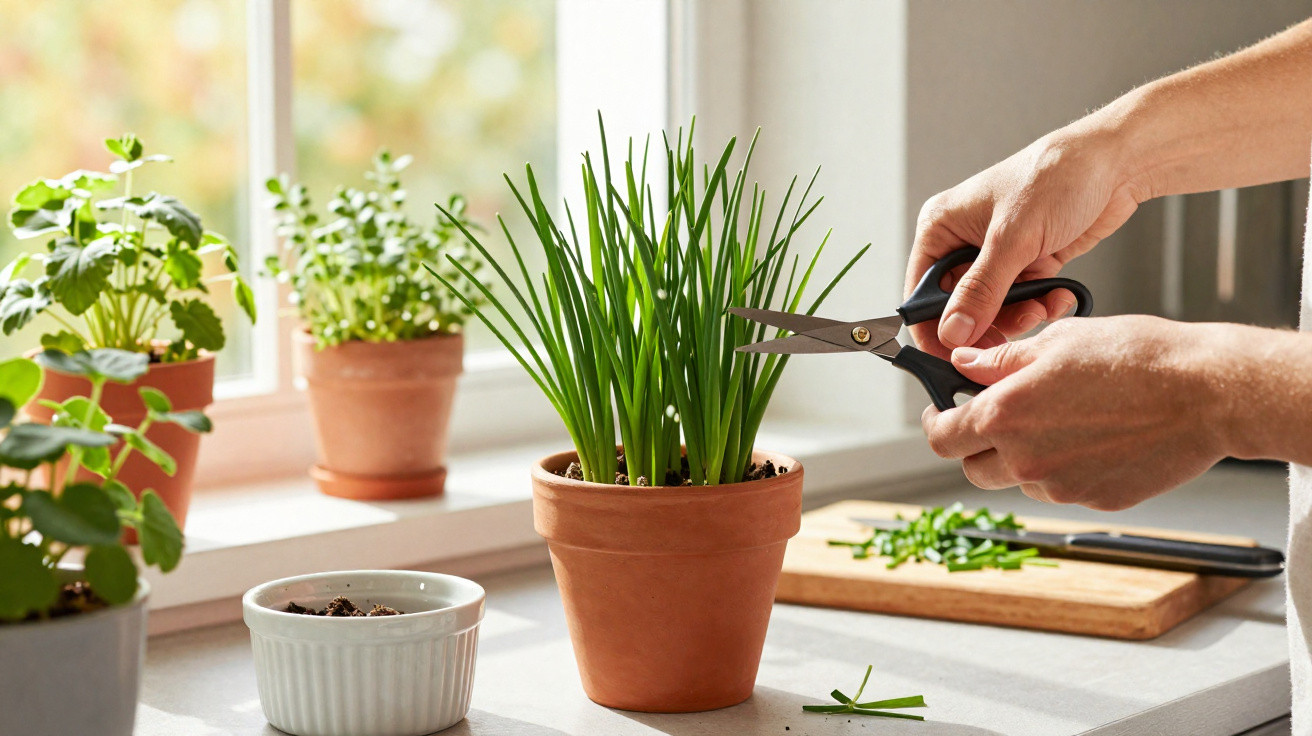
This isn’t only for people with big gardens or flawless routines. One pot of herbs on a balcony can do well on coffee grounds, tea leaves and the occasional buried peel. A raised bed can be refreshed gradually with small trenches of decomposing scraps across the year. Even in a tight space, a bucket with holes drilled in the sides can act as a mini compost tower inside a planter, feeding the surrounding roots quietly.
The kitchen waste you’ve always treated as the end of the story can-if you let it-become the beginning of another. And once your plants show you what they can do with it, you may never look at your bin in quite the same way.
| Key point | Detail | Value for the reader |
|---|---|---|
| Use kitchen scraps as fertiliser | Coffee grounds, eggshells, and veg peelings enrich soil when buried or composted | Cuts fertiliser costs and boosts plant health with almost no extra work |
| Start with trench composting | Bury daily scraps directly in the garden or pots, covered fully with soil | Simple, low-effort method that works without a compost bin |
| Avoid problem scraps | Skip large bones, very oily foods, and salty leftovers outdoors | Reduces pests, smells, and frustration for beginner gardeners |
FAQ:
- What kitchen scraps are best for my garden? Coffee grounds, crushed eggshells, vegetable peelings, fruit scraps, and tea leaves are the easiest and safest starters. They break down fairly quickly and feed soil life without strong smells if buried properly.
- Can I just throw scraps on top of the soil? You can, but it’s not ideal. Exposed scraps attract flies and can look messy. Bury them at least a hand deep or mix them into a compost container, then add the finished compost to your beds and pots.
- Will coffee grounds make my soil too acidic? Used coffee grounds are much less acidic than fresh. In moderate amounts, mixed into soil or compost, they’re fine for most plants. Problems usually come from dumping thick layers in one spot.
- Is this safe for balcony or indoor plants? Yes, as long as you use small amounts and bury or mix scraps well into the potting mix. For indoor plants, stick to fully decomposed compost to avoid fruit flies and smells.
- How long before I see a difference in my plants? Some effects, like better moisture retention, show within a few weeks. Deeper changes in soil structure and plant vigour build over a season or two, as organic matter accumulates and soil life grows.
Comments
No comments yet. Be the first to comment!
Leave a Comment