
The first sign is usually so subtle you question whether you imagined it. One summer you’re proudly pointing out those enormous dahlias to anyone walking past the gate. The next year, the flowers are… alright. Attractive. Just not jaw‑dropping. Another season passes. The colour hasn’t vanished, but the petals feel finer and the blooms look smaller, as though the plants have gone from shouting to murmuring.
You pin it on the weather. You blame the cultivar. You curse your neighbour’s cat. Still, the same pattern returns year after year: plenty of foliage, fewer flowers, and buds that seem like scaled‑down versions of what you planted long ago.
Eventually, a nagging thought starts circling.
What if the plant isn’t the problem at all?
The hidden culprit behind shrinking blooms
Stroll through a mature garden and an odd trend becomes hard to ignore. The beds that have been in place the longest-the ones left untouched for years-often produce the smallest flowers. Roses still open, hydrangeas still puff up, tulips still appear. Yet something has undeniably dulled. The wow factor has slipped away.
A lot of gardeners end up battling the wrong foe. They change varieties, experiment with new fertilisers, and complain about “weak stock.” All the while, the real cause sits quietly beneath their shoes. Season after season, the soil has been drawn down, and nobody has replaced what those big, showy blooms removed.
Talk to any experienced gardener about their first proper soil test and you’ll often get the same slightly sheepish smile. A French gardener I spoke to had grown peonies in the same border for twelve years. At the beginning, each flower was the size of a dessert plate. Last spring, they were barely the size of a teacup.
She blamed late frosts. Then drought. Then “age.” In the end, more out of curiosity than conviction, she sent a soil sample to the local advisory service. The report came back with one line flagged in glaring red: phosphorus. Her soil was close to empty.
The peonies weren’t getting old. They were losing access to the fuel required to build big blooms.
This is the depletion factor many people overlook: nutrient exhaustion-particularly of the elements that support flowering. Nitrogen drives leafy growth. Phosphorus and potassium power roots, buds, and blooms. Over the years, every burst of colour quietly withdraws minerals from the soil “bank”. If nothing is ever paid back in, the account eventually runs dry.
You’ll still see flowers, because plants are persistent. But they lower the bar. Less energy goes into petal count, scent, and size; more goes into simply getting through the season. From the surface it can look like “weak genetics”, but the explanation is starkly straightforward. Starved soil produces starved flowers.
How to feed flowers that have been silently starving
The first move is almost dull-which is exactly why it’s so often skipped. Before you buy yet another fertiliser, find out what your soil is actually missing. A simple home kit or a laboratory analysis can show whether phosphorus and potassium are low, or whether the pH is preventing plants from accessing them.
Once you know what’s lacking, you can begin restocking the cupboard. That may involve adding well‑rotted compost, using a balanced organic flower feed, or applying targeted amendments rich in P and K-such as bone meal or carefully used wood ash. The aim isn’t a rapid flush of greenery, but a steady, deep recharge of the ground your plants rely on.
This is where many gardeners get tripped up. They scatter high‑nitrogen lawn feed over flowering borders and then wonder why they get thick foliage and tiny blooms. Or they fertilise once in spring, feel dutiful, and leave it at that for the rest of the year.
Let’s be realistic: hardly anyone manages this every day. Building soil is more like regularly topping up a savings account than trying to win the lottery. Frequent, modest additions of organic matter and the right nutrients can undo years of depletion. If your flowers have been shrinking for several seasons, plan for a two‑ or three‑year rebuilding cycle, not a one‑month miracle.
Sometimes the kindest thing you can do for a tired plant is not to replace it, but to heal the ground it’s standing on.
- Test your soil every 2–3 years – This shows you exactly which nutrients are missing instead of guessing in the dark.
- Use compost as your base layer – It doesn’t just feed; it improves structure, moisture, and microbial life.
- Add flower‑focused fertilisers in spring and mid‑season – Look for products with higher phosphorus and potassium than nitrogen.
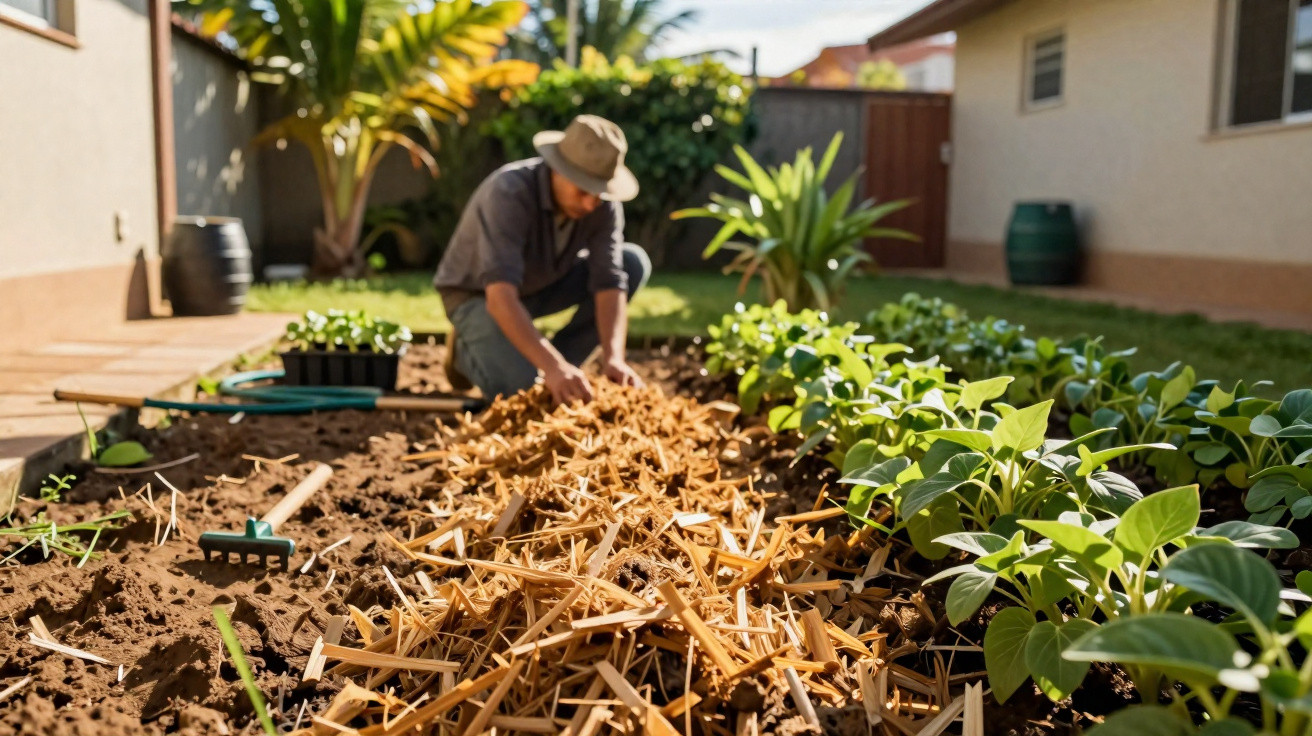
- Mulch with organic materials – Shredded leaves, grass clippings, or bark slowly break down and refill the soil bank.
- Watch the plants, not just the labels – Leaf colour, stem strength, and bud size tell you if the balance is right.
When smaller blooms are a message, not a failure
There’s a quiet moment in most gardens when smaller flowers stop feeling like a let‑down and start reading like information. The soil is speaking. It’s saying: “I’ve given you everything I had, now I’m empty.” That change in perspective alters how you move around the beds in late summer, counting buds and comparing them to older photos on your phone.
Rather than blaming yourself or the plant, you start asking better questions. How long has this border been here? What have I removed year after year that I’ve never properly returned? The answer is rarely glamorous-usually it’s just minerals, organic matter, and time.
Once you recognise the pattern, it shows up everywhere: in established rose borders, in balcony containers, even in vegetable plots that used to overflow and now seem strangely subdued. The depletion factor is slow and stubborn, but it can be reversed with consistent care. And that’s where things get interesting: a worn‑out bed can often rebound stronger than before, simply because you finally understood what it needed.
| Key point | Detail | Value for the reader |
|---|---|---|
| Soil depletion is real | Years of flowering drain phosphorus, potassium, and organic matter without visible warning at first | Explains why blooms shrink even when plants look “healthy enough” |
| Testing beats guessing | Simple soil tests reveal exact nutrient gaps and pH issues | Avoids wasting money on the wrong fertilisers and speeds recovery |
| Rebuilding takes seasons | Regular compost, targeted flower feed, and mulching restore the soil bank over time | Gives a realistic roadmap to bring back fuller, showier blooms |
FAQ:
- Why are my flowers getting smaller every year? Often because the soil has been gradually depleted of key nutrients, especially phosphorus and potassium, which are essential for big, abundant blooms.
- Can old plants bloom big again, or do I need to replace them? Many established plants recover impressively once the soil is fed properly; replacement is usually a last resort, not the first step.
- How often should I fertilise flower beds with depleted soil? A gentle spring feed and a mid‑season top‑up, combined with annual compost, tend to work better than one heavy application.
- Is compost alone enough to fix shrinking flowers? Compost is a powerful base, but severely depleted soils often benefit from extra, flower‑focused nutrients for a couple of years.
- Do potted flowers suffer from depletion faster? Yes, containers run out of nutrients much more quickly, so they need regular feeding and partial soil renewal to keep blooms full‑sized.

Comments
No comments yet. Be the first to comment!
Leave a Comment