
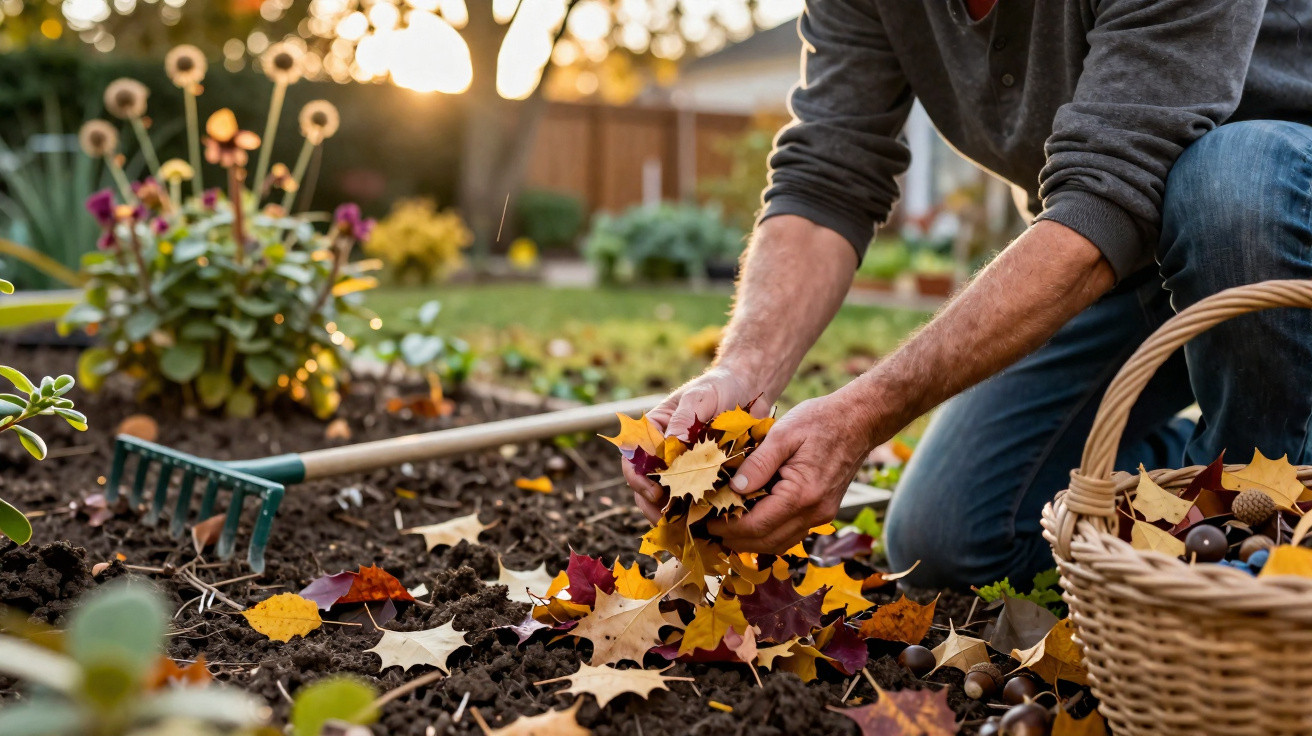
The first leaf doesn’t so much fall as simply let go.
One day the lawn is an even, summer green; the next, a crisp maple leaf sits dead centre like a caution sign. You promise yourself you’ll sort it at the weekend. Then a few days slip by. A handful of leaves becomes a blanket. Out comes the rake, out come the sacks, and the annual routine starts up again: bend, scrape, gather, cram, haul. Across the neighbourhood, you hear plastic bags rasping against the pavement.
By Sunday night, the lawn looks “tidy”.
A week later, the trees have shed again, your back is aching, and the garden bin is already heaving. And even that isn’t the worst of it.
The big autumn reflex that quietly sabotages the garden
Each autumn, it plays out the same way from one road to the next. People hurry to strip lawns clean, as though one forgotten leaf is proof of laziness or neglect. The aim is a sort of sterile perfection: no brown, no hint of decay, only a smooth green sheet that looks smart from the pavement.
It’s practically social conditioning. You notice your neighbour raking, and suddenly you feel you ought to be doing it too. And so the race against falling leaves begins.
Speak to anyone after the first proper cold weekend and you’ll hear a familiar tale. Marie, on a small suburban plot, packed eight enormous bags of leaves last October. Eight. She set them in a neat row by the kerb, pleased but worn out, waiting for the council collection. By the next day, wind and rain had shaken more leaves loose, and her lawn looked just as “untidy” as it did before.
She joked about it, but there was irritation underneath. So much effort for something that felt unwinnable.
What almost no one says plainly is this: the real error isn’t that leaves fall, it’s that we treat them as green waste. When we rake up every last leaf and send it away, we’re carting off nutrients, moisture and a whole hidden micro-world the garden quietly relies on. Years of gardening magazines and tidy-lawn habits have trained us to view leaves as a nuisance to remove, not a resource to handle. We’re literally throwing away free fertiliser and then buying it back in bags come spring.
Turn the “mess” into a secret autumn asset
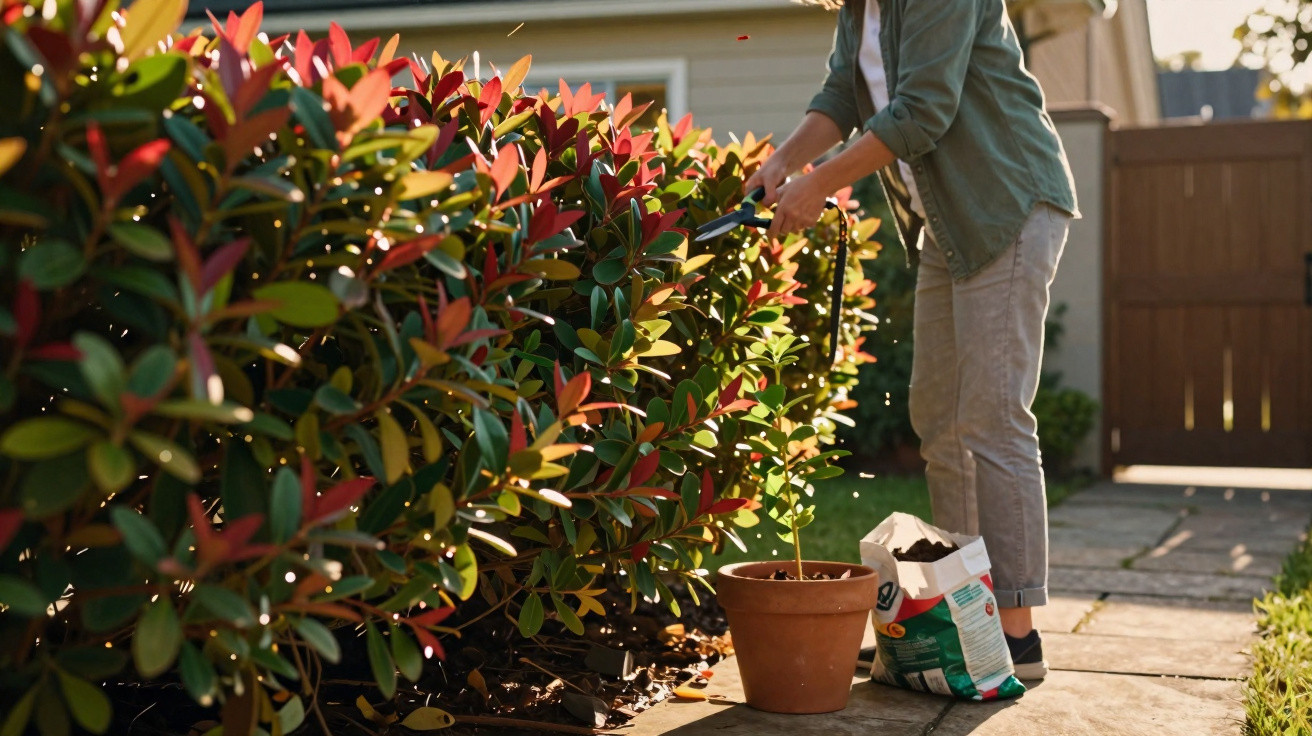
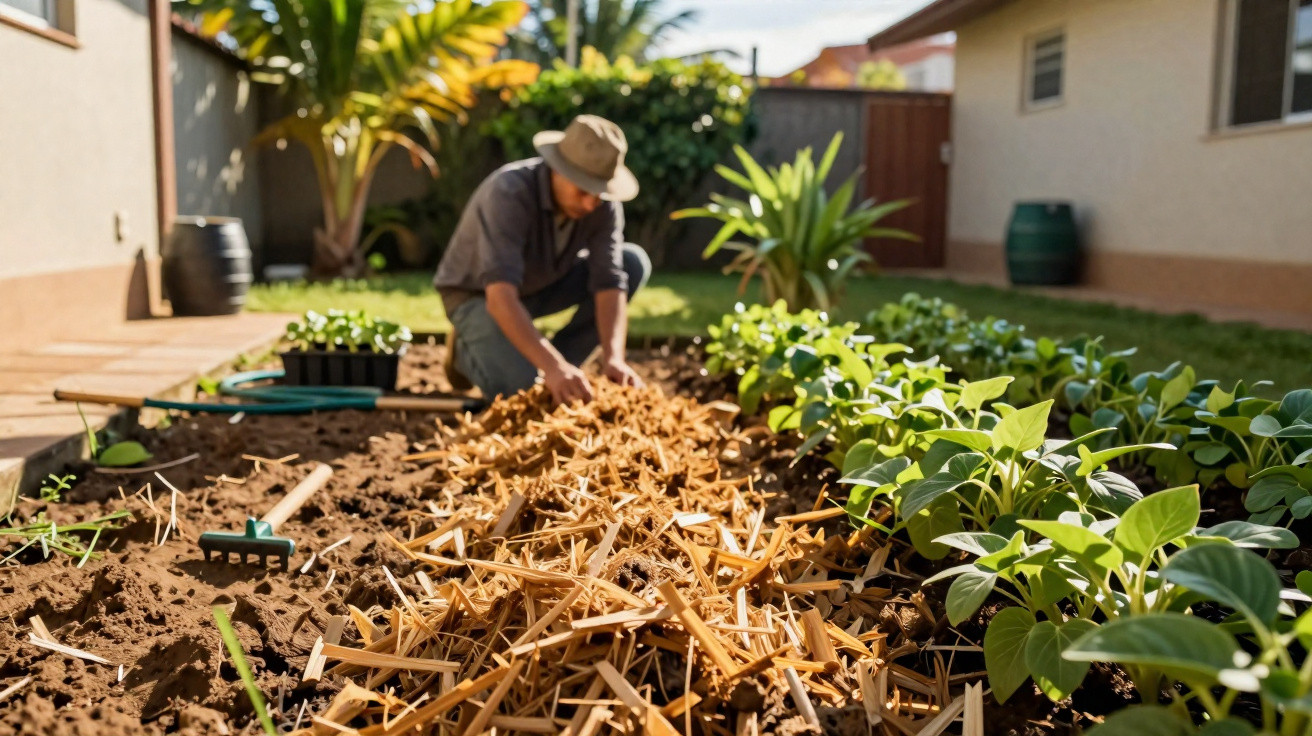
There’s an easier, more sensible approach than fighting every leaf. Begin by shifting leaves into the right places rather than clearing everything. On the lawn, run the mower over a light layer, shredding leaves into small pieces that drop between the grass blades. Beneath trees, in borders and at the base of hedges, allow a deeper layer to build up. That becomes your natural mulch.
You’re not neglecting the garden. You’re simply arranging the leaves so they help you, instead of punishing your back.
The mistake is swinging between extremes. Either we hoover the garden until it’s bare, or we decide we’re being “natural” and leave knee-deep drifts that smother the grass. Neither ends well. Lawn really can struggle under a thick, wet mat. Perennials may rot, and slugs will have a feast.
The sensible middle ground is more precise: lift only the heaviest piles off the grass, then move that material into beds, around shrubs, or into the compost. Treat leaves the way you’d treat money. You don’t set fire to it on the driveway-you put it in the right account.
“Once I stopped bagging my leaves, my soil changed in two years,” confided an amateur gardener I met in a small village. “I barely recognize my own garden. I work less, and the ground does more.”
- Mulch the lawn lightly with shredded leaves to protect roots and feed the soil organisms that keep grass resilient.
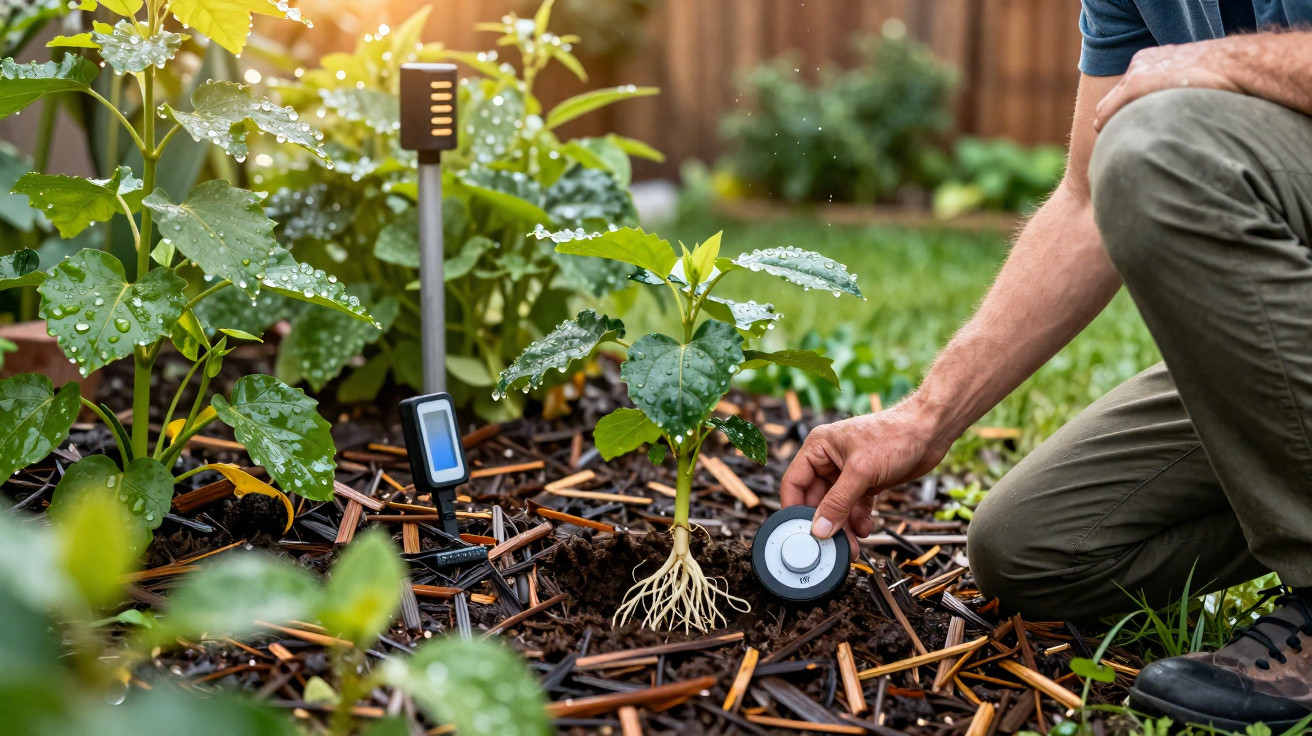
- Use thicker layers in beds (5–10 cm) around shrubs and perennials to lock in moisture and reduce weeds.
- Reserve very tough or diseased leaves for a separate pile, or mix them into a hot compost to break them down safely.
Rethinking the autumn garden, one leaf at a time
Once you start seeing fallen leaves as something useful, the entire feel of autumn changes. You stop panicking the moment the first yellow patch appears and begin working more like a conductor than a cleaner. Some areas stay raked; others are allowed to be wilder. Paths remain clear, borders stay insulated, the lawn becomes lightly speckled. The garden looks less like a showroom and more like a living place between seasons.
And, honestly, hardly anyone manages this perfectly every day. You try things, you miss a weekend, you catch up the next-none of that is a problem.
There’s also something unexpectedly calming about letting the garden look a bit worn in October. The immaculate Instagram lawn may actually be less alive than a slightly scruffy plot where blackbirds toss leaves aside hunting for worms. We’ve all had that moment: apologising to a visiting friend for the “mess”, only for them to say it feels peaceful and real. Perhaps that’s the quiet lesson of leaf season.
What looks like mess is often exactly where life is happening.
Autumn doesn’t need to be a fight with nature. It can be more like a conversation: you shift things here, and nature responds over there. Some years are heavy with leaves; others are easy. Some corners become shelter for insects and hedgehogs, while other areas stay strictly practical. Once you stop treating every leaf as an enemy, you begin gardening with the long term in mind. Your future spring, your back and your soil will quietly benefit-even if no one on the street notices at first glance.
| Key point | Detail | Value for the reader |
|---|---|---|
| Use leaves as mulch | Spread or shred them on beds and lawn instead of bagging | Richer soil, less work, fewer weeds |
| Avoid suffocating the grass | Remove only thick, wet piles from the lawn | Prevents lawn dieback and mould |
| Keep some “wild” zones | Leave leaves under hedges and trees | Shelter for wildlife and better garden balance |
FAQ:
- Should I leave all the leaves on my lawn?Not all. A light, shredded layer is great, but thick, soggy carpets block light and air. Move those to beds or compost.
- Are some tree leaves bad for the garden?Very tough leaves like oak or walnut break down slowly. Mix them with other materials or compost them rather than leaving very thick layers.
- Can leaves replace commercial mulch?Yes, for many uses. Shredded or loosely layered leaves protect soil and conserve moisture much like store-bought mulch.
- Will leaving leaves attract pests?A balanced layer attracts insects and wildlife, which is generally good. Problems come from overly thick, wet piles in one spot.
- What if my town requires leaf collection?Keep the front more “tidy” for the rules, and use leaves in the back garden, beds, or compost to still benefit from them.
Comments
No comments yet. Be the first to comment!
Leave a Comment