
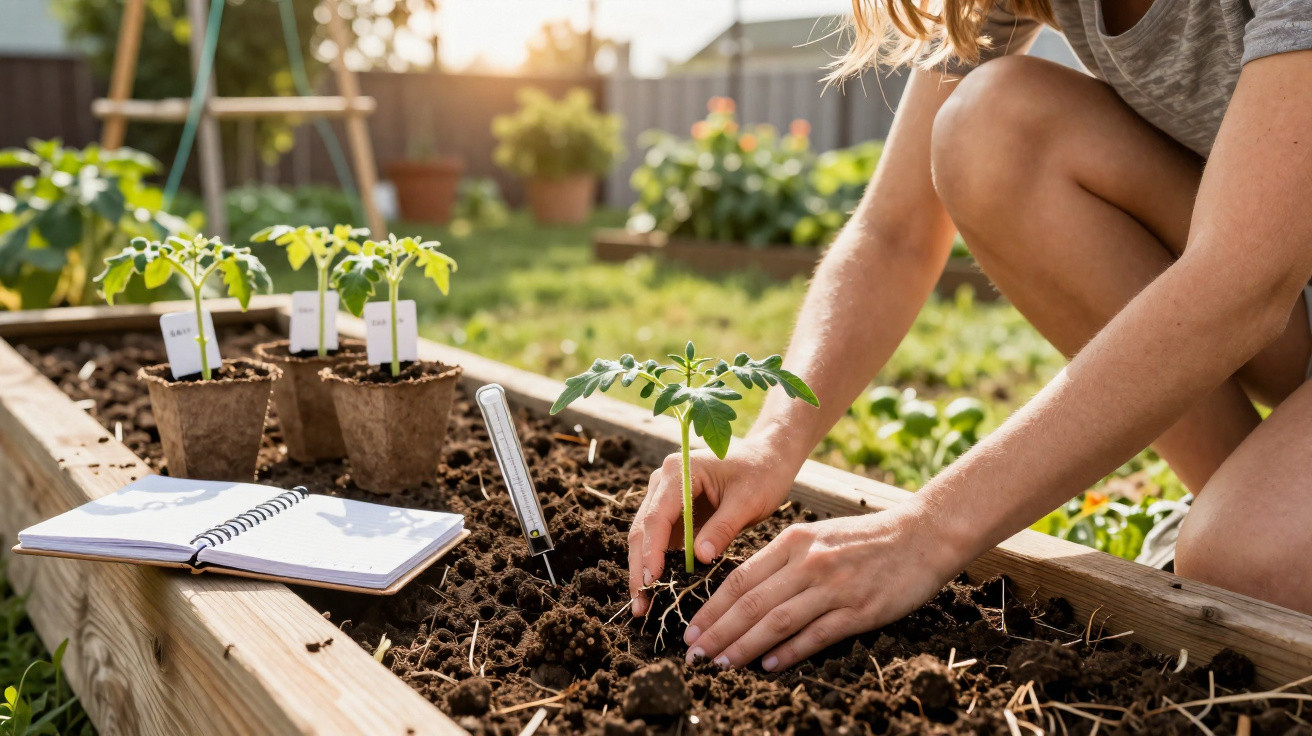
Timing makes the difference between brimming bowls and bare beds.
Many home gardeners ask themselves the same thing every year: when is the best moment to plant tomatoes outdoors? The first mild days in April make you crave sunshine, barbecues and fresh veg grown at home. At the same time, chilly nights can still arrive and either hold young plants back or wipe them out altogether. Between impatience and waiting too long, there is a narrow but crucial planting window that shapes both yield and the quality of your tomato season.
Why the right planting time for tomatoes matters so much
Tomatoes originate from warmer climates and they do not cope well with cold conditions. Even temperatures only just above freezing can seriously damage young plants. If the soil stays cold, tomatoes effectively hit the pause button on growth. Above ground they may look mostly fine, but below the surface very little is happening.
"If you plant tomatoes too early, you often lose weeks of growth - and with it, part of the harvest."
Tomatoes need:
- warmer nights with no risk of frost
- soil that has clearly warmed up
- sturdy, well-developed young plants
When those conditions line up, roots push down quickly, plants take off with energy, and flowers and fruit arrive sooner. Get it wrong by only a few days and the benefits can flip into problems: misshapen leaves, growth checks, and a higher susceptibility to fungal diseases such as late blight.
The golden rule: three signals must line up
Rather than fixing on a specific date, it pays to watch three practical signs in the garden. If you check these three factors, you will usually choose the right moment far more reliably than by following the calendar.
Keep a close eye on night-time temperatures
Tomatoes dislike nights below roughly 7–10 °C. If the thermometer frequently drops under that range, plants become stressed. A simple outdoor thermometer in the garden is enough to keep track. Ideally, you are looking for a steady spell where:
- no night frosts are forecast
- night-time lows stay above 7–8 °C
- the forecast does not suggest a sudden cold snap
Soil temperature: the factor many people overlook
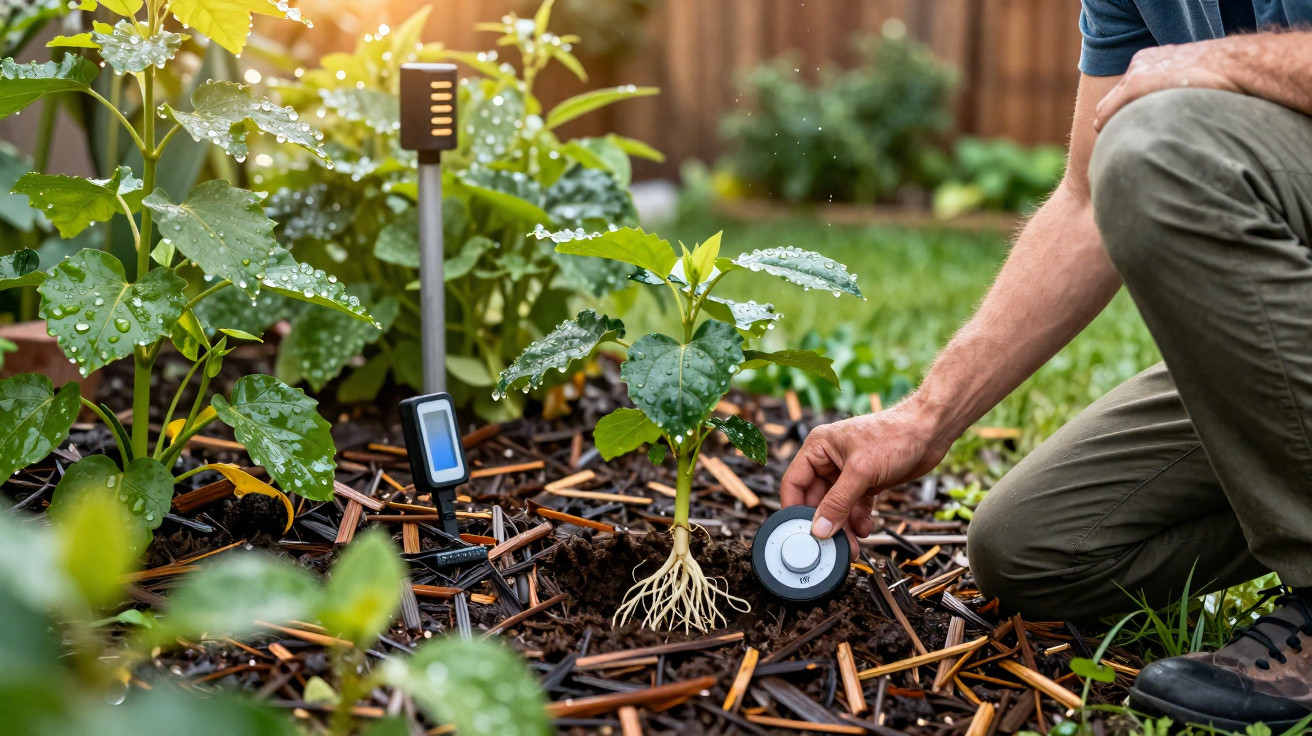
The soil matters even more than the air. Tomatoes only really start growing strongly once the soil reaches around 15 °C. If you do not have a soil thermometer, a rough hand test can help: if the ground still feels persistently cool and damp in the morning, it usually needs more warmth.
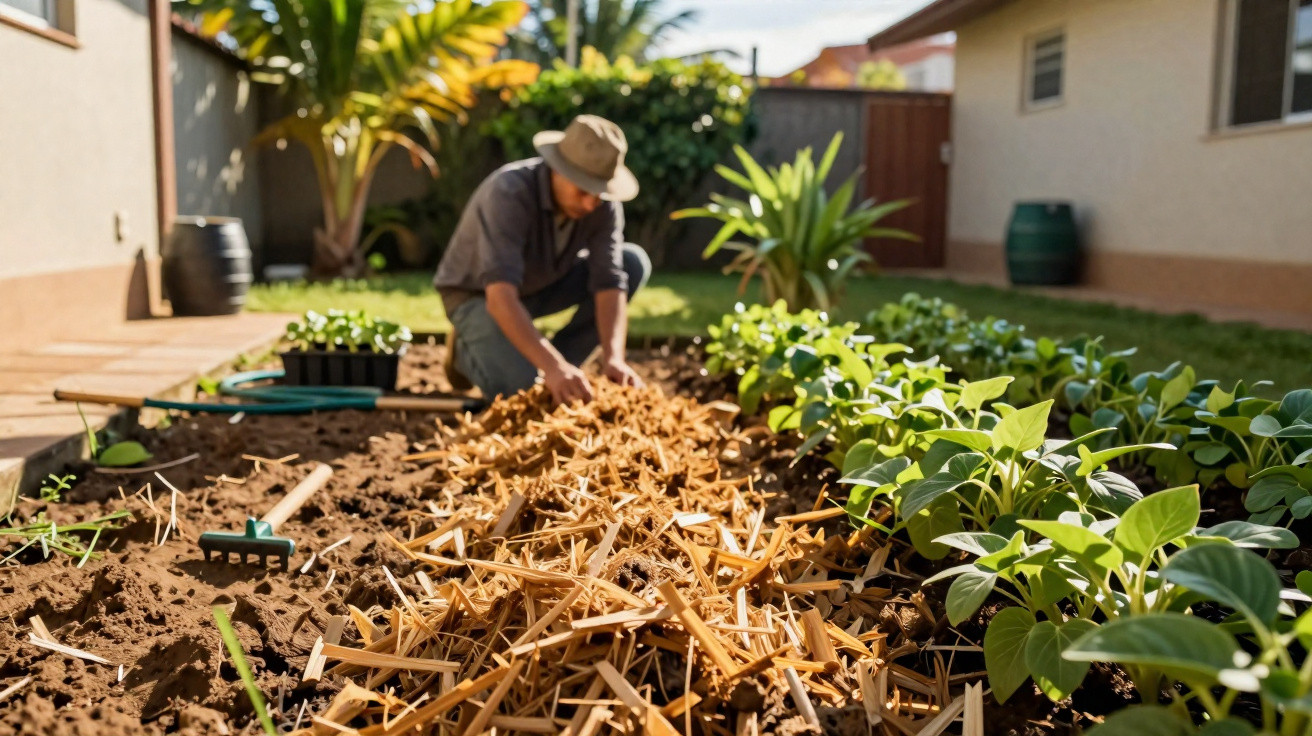
Heavier clay soils take longer to warm up, while sandy soils heat more quickly. A dark mulch layer or horticultural film can speed things up, but it should be used thoughtfully so heat does not build up excessively.
Choosing young plants at the right stage
Ideal young plants are 15–20 cm tall, compact rather than leggy, and already carrying several true leaves. As a simple guide:
| Feature | Suitable young plant | Better to wait / avoid |
|---|---|---|
| Height | 15–20 cm | very small, or over 30 cm, thin and unstable |
| Leaves | at least 4–6 true leaves | only seed leaves, or yellowish, limp leaves |
| Growth habit | compact, upright, deep green | long, pale shoots, tips over easily |
Region, climate, altitude: when tomatoes can go outdoors
Across German-speaking regions there is no single, universal date. The planting window shifts noticeably depending on area, local microclimate and altitude. Traditionally, many people take their cue from the frost-prone period in mid-May. In practice, what you have observed in your own garden often matters more than any date.
Warm areas and towns and cities
In particularly mild spots-such as wine-growing areas or sheltered urban courtyards-tomatoes can often go into the ground one to two weeks earlier. Typical timing here is between late April and early May, provided the three signals (nights, soil and plant readiness) all match.
Temperate lowland areas
In many parts of Germany, Austria and Switzerland at lower elevations, the safer period usually starts around the middle of May. Planting from mid-May often leads to generously filled bowls in high summer, without much risk of a late cold night setting plants back.
Cooler regions and higher ground
In upland areas and regions close to the Alps, the planting window often moves back by two to three weeks. This is where your own experience becomes especially valuable: if you know ground frost can still occur towards the end of May, it is often wiser to wait until early June-or use protection such as film, fleece, or a small greenhouse.
Tomatoes on a balcony, in a greenhouse or in a bed: planning your harvest
It is not only your region that affects timing; the growing position does too. A balcony behaves differently from an open bed, and a small greenhouse behaves differently again from a raised bed against a warm wall.
Greenhouse and polytunnel: start earlier, but stay in control
Under glass or film, the air warms up much earlier. If you grow tomatoes in a greenhouse, you can often begin two to three weeks ahead of outdoor planting in many areas. Key points include:
- check the soil temperature here as well
- ventilate at night or protect plants to avoid extremes
- prevent heat build-up on sunny days by airing regularly
A common mistake is placing plants in the greenhouse early, only for them to suffer from excessive daytime heat and overly humid air. That combination encourages disease. A slightly more cautious early start, paired with consistent ventilation, usually works better.
Balcony and terrace: quicker to warm, but exposed to wind
On a balcony, pots heat up quickly in the sun, which can give you a head start of a few days compared with garden soil. However, plants are also far more exposed to wind and dry out faster. If you begin early, it helps to:
- position pots against a sheltered house wall
- bring containers indoors briefly during predicted cold snaps, or wrap them with horticultural fleece
- use sufficiently large containers so roots do not overheat
Outdoor bed: for full baskets in high summer
In a traditional bed, planting around mid-May in many areas typically leads to harvesting from around July. Plant later and you push the main crop towards late summer. Plant earlier and you should be ready with covers and frost protection.
"A useful rule of thumb: the first tomatoes ripen about three months after you plant the young plants."
Practical tips for strong plants and a long picking season
Choosing the right moment is only part of the formula. Just as important is how you treat tomatoes in the first days after planting.
- Harden off young plants for a few days first: put them outside during the day and protect them again at night.
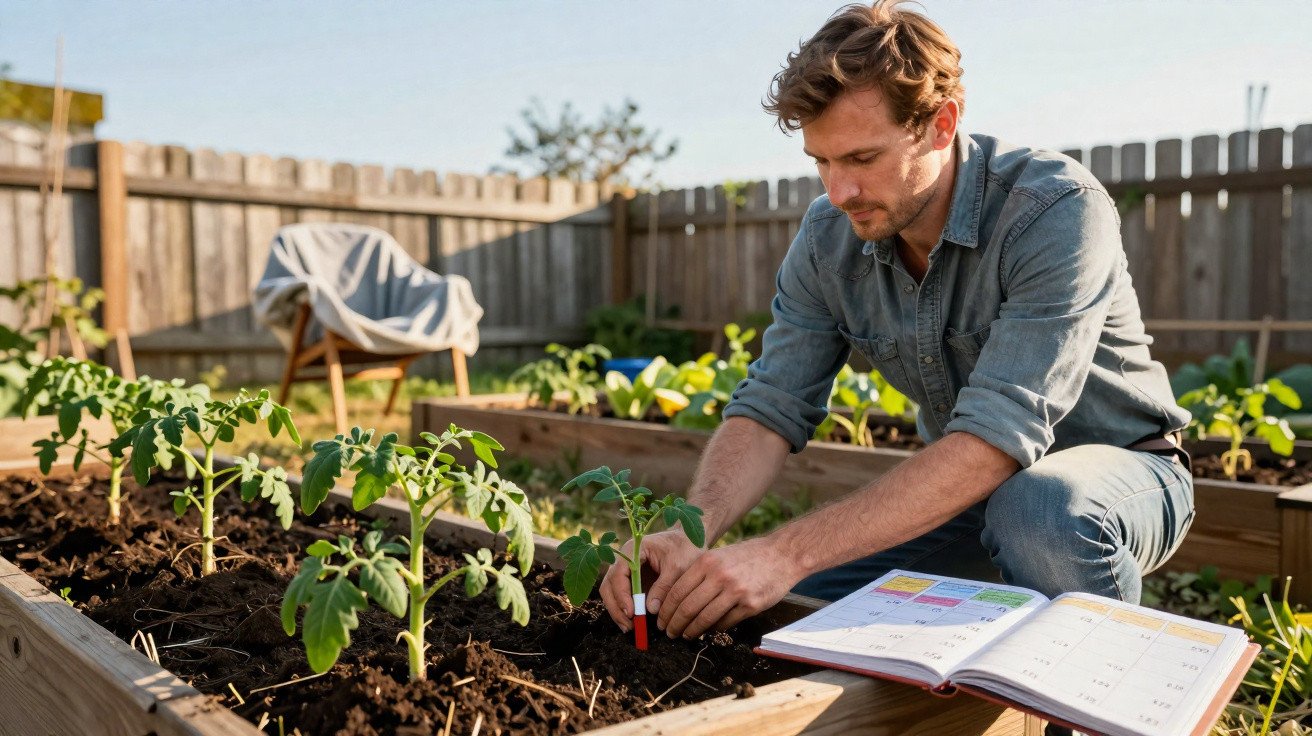
- When planting, bury the stem a little deeper so additional roots can form.
- Water thoroughly straight after planting, then allow the surface to dry briefly to avoid waterlogging.
- Install supports or spirals immediately so plants do not bend or snap later.
If you grow several varieties-such as early cherry tomatoes and later beefsteak types-you can spread the harvest. Early varieties provide the first fruit sooner, while tougher late varieties can keep producing well into late summer.
Risks, alternatives and useful additions in the tomato bed
Rushing the start often results in smaller plants that lag behind for the entire summer. Even if they survive, they tend to remain more vulnerable to fungal attack, sunscald on the fruit, and tomatoes splitting after heavy rain. Patience therefore often pays back directly in kilograms of tomatoes.
If you still want to experiment, plant some tomatoes a little earlier and the rest later, once conditions are clearly better. That way you share out the risk and gain valuable insight into your own garden’s microclimate.
A few extra measures can make the planting window more forgiving: lay soil cover early, choose sheltered corners of the garden, use sturdy climbing supports, and combine tomatoes with companion plants such as herbs like basil or tagetes (marigolds) between them to improve the microclimate and support plant health. This makes the goal of full tomato bowls in summer much more realistic-without sleepless nights worrying about late frosts.
Comments
No comments yet. Be the first to comment!
Leave a Comment