
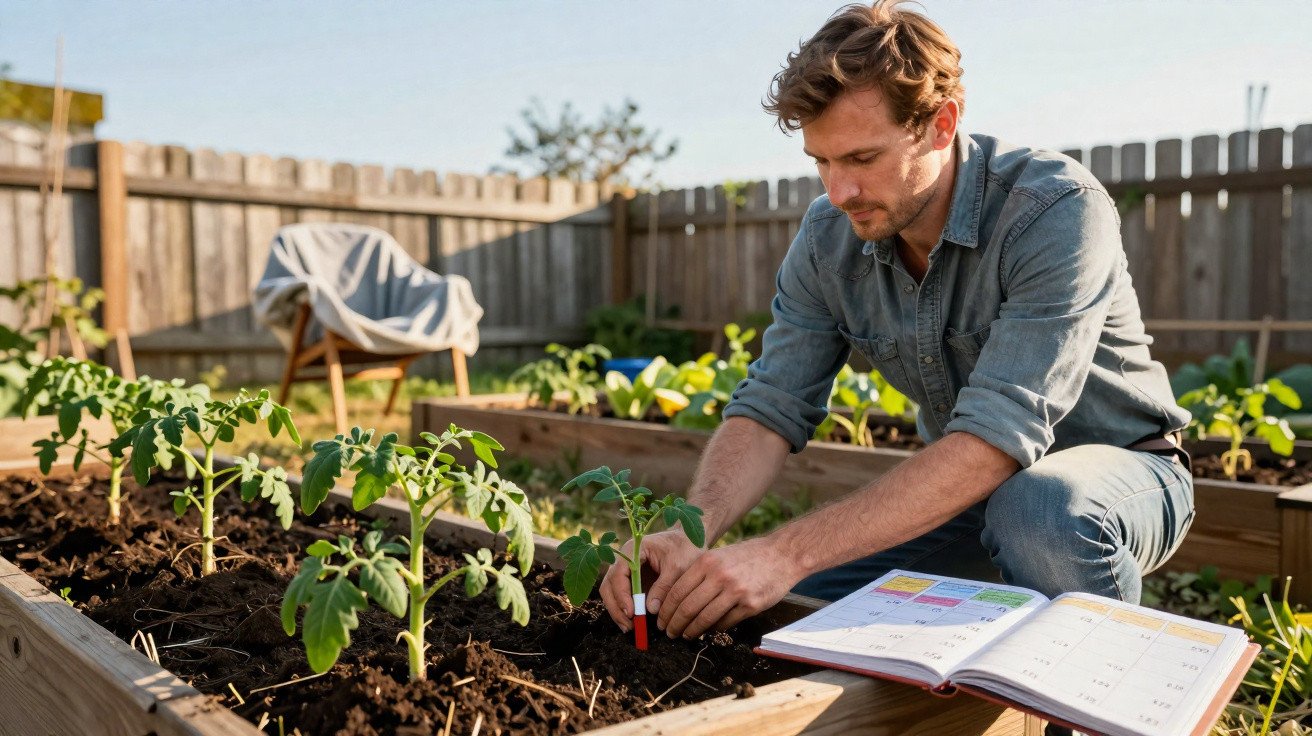
Spring may be on the calendar, the sun may be out and the garden centre may be stacked with sturdy young plants - yet one night just above freezing can still turn a whole batch of tomatoes black. If you rely only on old gardening sayings, you are taking an avoidable gamble. A simple three-step approach makes it far easier to pinpoint the right planting time.
Why planting too early ruins your tomatoes
Tomatoes originate from warm climates and are highly sensitive to cold. Once temperatures drop below about 10°C, growth slows noticeably. If it briefly dips into the 0–2°C range, young plants can die outright.
The tricky part is that they often look fine during the day. The damage sometimes only becomes obvious hours after a cold night: leaves turn glassy, droop limply and can quickly go brown to black.
"A single cold night can undo weeks of hard work in the vegetable bed."
Traditionally, many gardeners in German-speaking regions treat mid-May as a rough marker for the last likely frost. In plenty of years that’s close enough - but weather patterns are shifting more often. Some years bring early-summer warmth as soon as early April; other years, a blast of polar air arrives surprisingly late in May.
That leaves some people planting far too soon because April feels temptingly mild. Others delay unnecessarily out of fear of late frosts, losing valuable growing time and ending up with a later, smaller harvest.
The three-signal rule: how to find the safe moment
Instead of trusting a fixed date, use a straightforward rule of thumb with three “traffic lights”. Only when all three are green should tomatoes go outdoors. This way you factor in your region’s typical conditions, the real soil temperature and the readiness of your young plants.
Signal 1: Use regional time windows
The first signal is a broad window that suits your location. As a guide:
- Warm wine-growing areas and river valleys, urban spots: usually late April to early May
- Milder lowland regions: around mid-May
- Cooler areas, higher ground, exposed windy gardens: more like late May, sometimes early June
If you are new to an area, ask long-time neighbours - or watch for a year or two to see when people nearby plant tomatoes outside and, crucially, when those plants actually survive.
Signal 2: Watch soil temperature and night-time lows
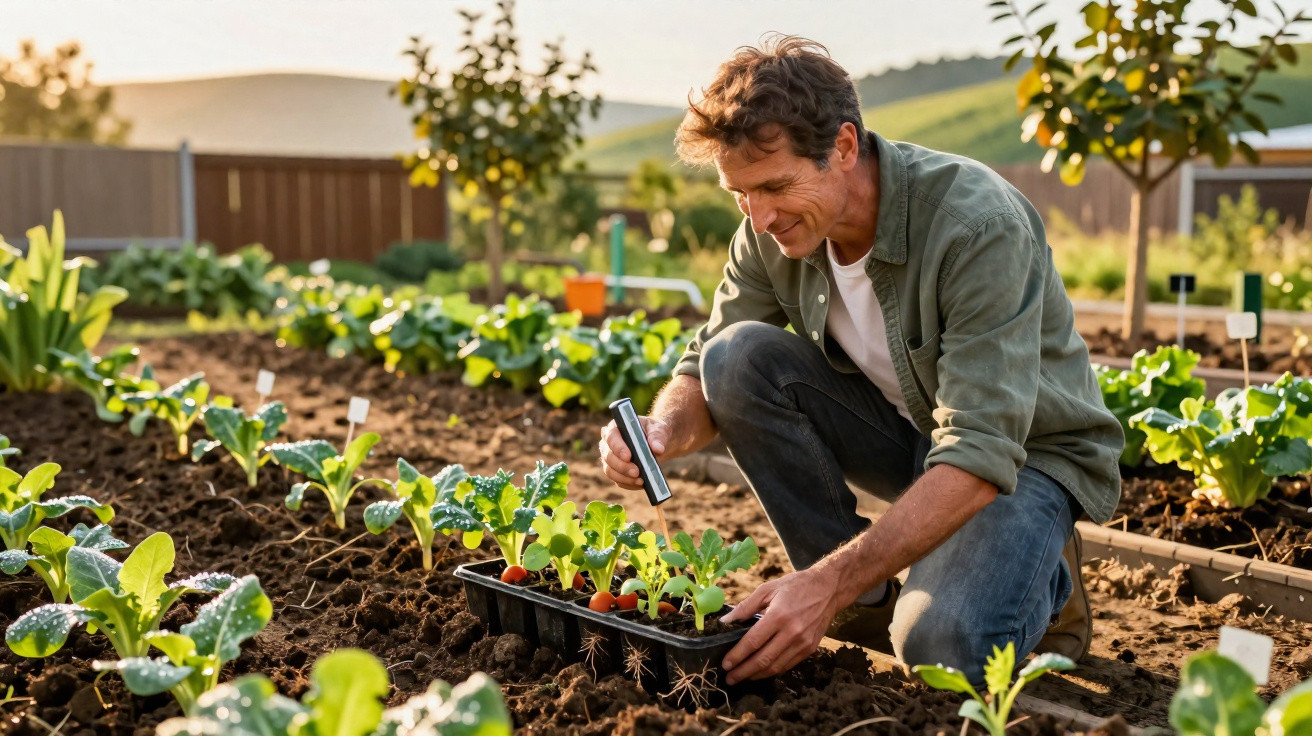
The second signal is far more dependable than the calendar: the temperature in the soil. A basic soil thermometer is enough. Measure at roughly 10 cm deep - where the roots will sit.
Conditions are favourable for planting tomatoes when:
- the soil stays between 12 and 15°C or higher for several days in a row
- night-time temperatures remain reliably above 8–10°C
- the forecast for the next 7–10 days does not suggest a clear cold snap with ground frost
"Measuring soil temperature drastically cuts the risk of frost damage - and shows how ‘ready’ the garden really is."
Soil condition matters almost as much as the numbers. Dig a small test hole with a spade and check for the following:
- water does not sit in the hole for a long time
- the soil crumbles easily and does not cling heavily to the tool
- you spot earthworms or other soil life while digging
If water lingers or the ground is saturated, delay planting for a few days. Tomatoes like steady moisture, but they do not tolerate waterlogging - and they certainly do not want cold, smeary soil.
Signal 3: Mature, sturdy young plants
The third signal is the tomato plant itself. Many people buy young plants that look tall and lush, but are actually soft, leggy and prone to stress.
Tomato plants that are well suited to outdoor planting typically have:
- around 20 cm in height - compact rather than thin and stretched
- 5 to 7 well-developed true leaves above the seed leaves
- a thick stem base with a slight fuzz
- leaves that have already been acclimatised to cooler conditions (hardened off outdoors for a few days beforehand)
If you raise your own plants, harden them off gradually: start with a few hours outside in partial shade during the day, then extend the time - and later include nights too, as long as no frost is expected. This makes the move into the bed much easier on them.
Plant properly once all three signals are green
When timing, weather and plants all line up, the next step is giving them the best possible start in the bed. Tomatoes root deeply and repay careful planting with sturdier growth and higher yields.
Do it like this:
- Prepare the soil: loosen it, break up large clods, remove stones and thick roots.
- Work in nutrients: mix well-rotted compost or aged farmyard manure into the top layer.
- Dig a deeper planting hole: so that roughly two thirds of the tomato plant will sit below soil level.
- Pinch off lower leaves: remove any leaves that would end up underground or could later touch the soil.
- Set the plant in at an angle: with tall plants, lay them slightly sideways in the hole so more stem can produce roots.
- Water in well: soak thoroughly after planting to eliminate air pockets around the roots.
- Add a support cane: place a sturdy stake or spiral support immediately and tie the plant in loosely.
- Apply a mulch layer: straw, dried grass clippings or leaves help retain moisture and buffer temperature swings.
"Planting tomatoes deep and mulching the soil gives them a warm, stable microclimate - almost like in a greenhouse."
Protection during the first critical weeks
The first 10 to 15 days outdoors often determine whether you succeed or fail. During this period, tomatoes are sensitive to strong winds, cold nights and blazing midday sun.
A few simple protections make a real difference:
- Light horticultural fleece: drape loosely over plants at night or when cold winds blow.
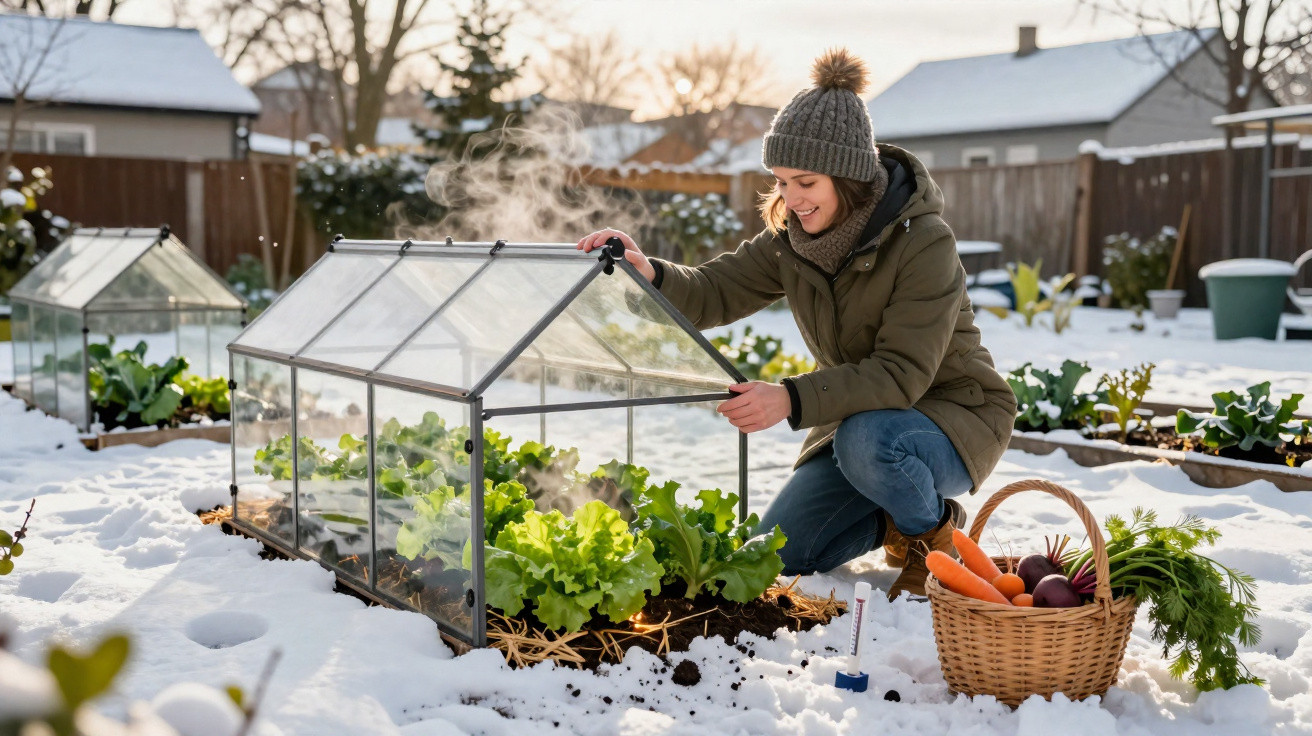
- Mini polytunnels or tomato cloches: ideal in cooler locations; they trap warmth and keep rain off from above.
- Adjust your watering routine: water in the morning so plants are not heading into a cold night with wet leaves.
If the forecast shows night temperatures dropping back into single figures, fleece plus an extra layer of newspaper as a “blanket” can save a lot. For smaller plants, a large planter cover or an upturned bucket can work in a pinch - leave a small gap for ventilation.
Your own garden calendar as the secret weapon
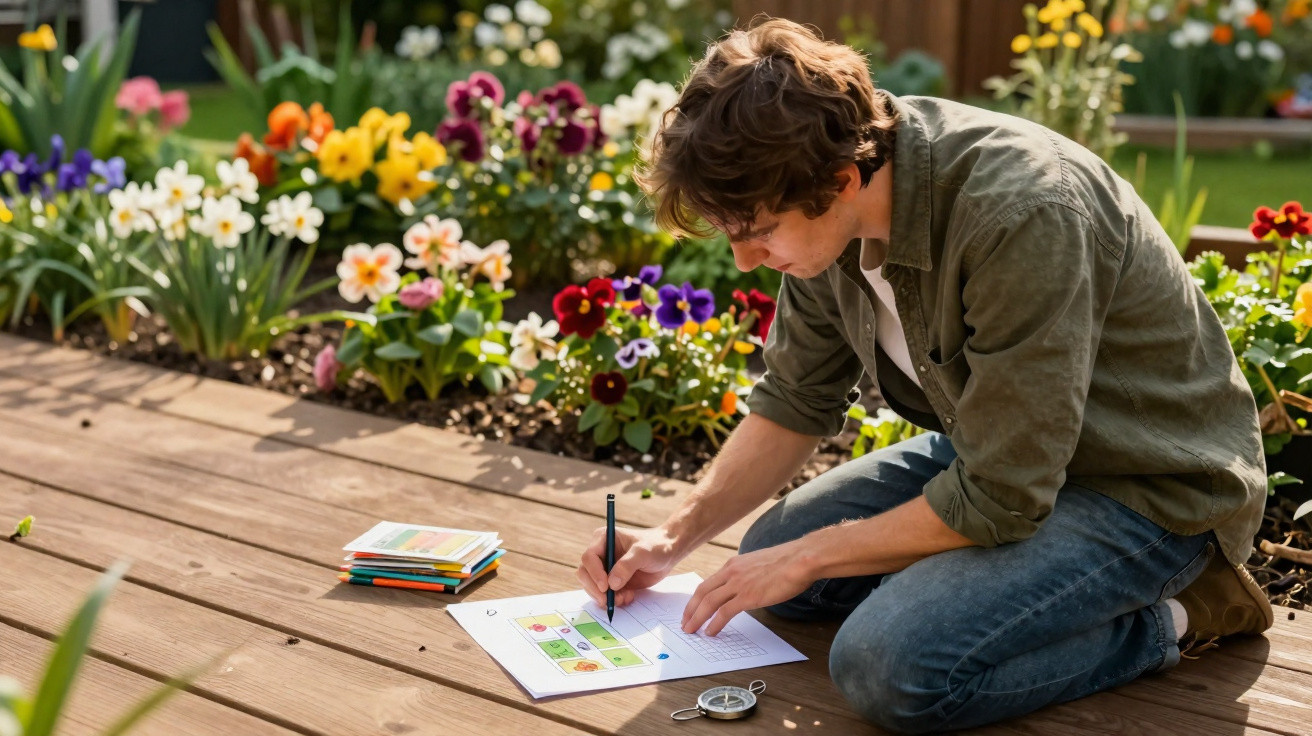
If you note each year when you moved tomatoes outside, what the soil temperature was and how conditions developed, you gradually build a reliable personal calendar. A small notebook or a simple table is enough.
Useful notes include:
- planting date
- soil temperature at 10 cm depth
- forecast night-time temperatures for the next seven days
- the actual first flower and first ripe fruit
- any frost nights after planting
After only a few years you will spot patterns that match your garden far better than any general rule. In some spots, late April can be surprisingly safe for tomatoes; in others, even late May still carries the risk of a brief temperature plunge.
Common mistakes that make frost damage more likely
A lot of losses are not caused by hard frost alone, but by an unfortunate combination of factors. Several pitfalls are easy to avoid:
- planting tomatoes in “cold sinks”, such as a low dip at the end of the garden
- heavy, wet soil without drainage, which stores heat poorly
- too much nitrogen fertiliser, encouraging soft, cold-sensitive growth
- putting plants straight from a warm windowsill into the bed without hardening off
Keep these points in mind and follow the three signals, and you can minimise frost damage. Especially with increasingly erratic weather, checking the thermometer, the soil structure and the condition of the plants pays off far more than any rigid rule of thumb.
Comments
No comments yet. Be the first to comment!
Leave a Comment