
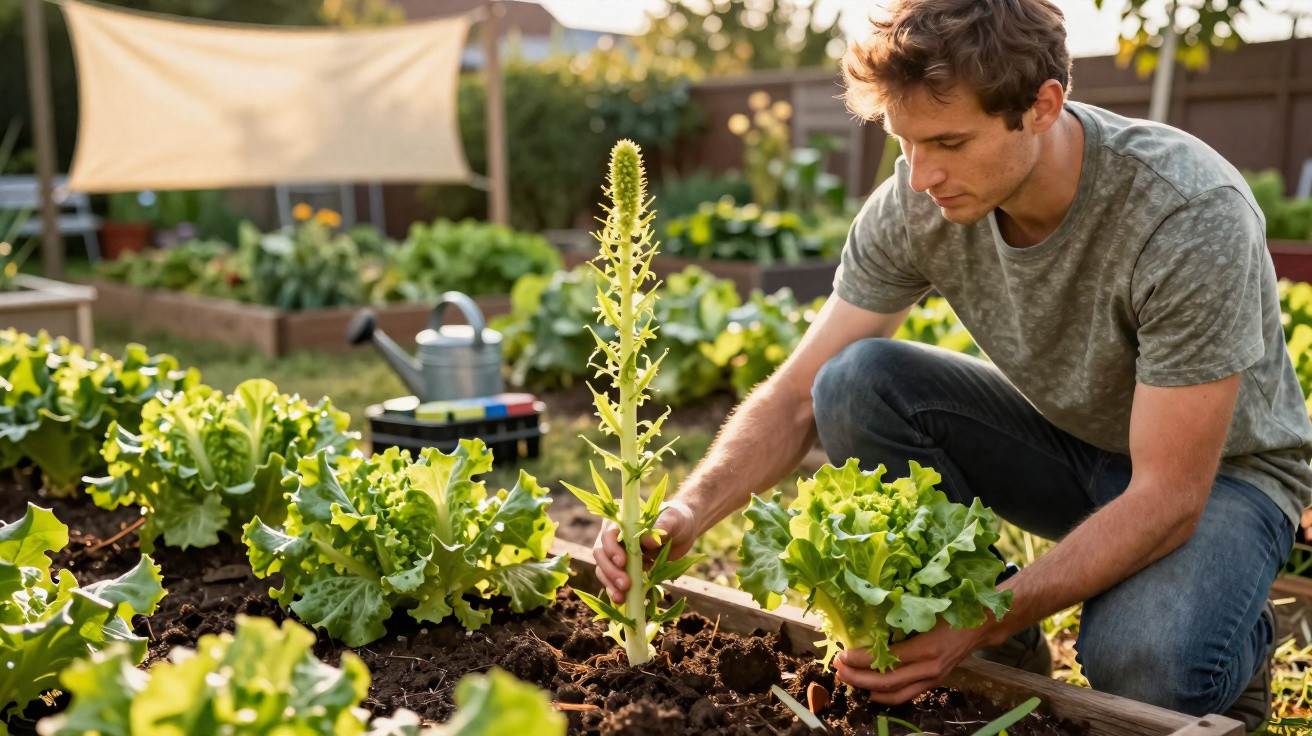
The first time I saw a row of lettuces bolt, it honestly felt like they’d turned on me. After a single hot spell in late May, those tidy, low rosettes suddenly raced upwards, becoming gawky stems topped with bitter leaves and flower buds. I cursed the weather, grumbled about climate change, and sulked as I pulled out plants that were meant to keep us in salads for weeks.
A few years on, I found myself in the very same patch with soil on my knees and a clearer head. Some plants had bolted, while others just 1 metre away stayed relaxed, leafy and edible. Same air, same sunshine, same rain. So what on earth explained such different behaviour?
That was the moment an awkward thought took root: perhaps temperature wasn’t the only culprit at all - merely the easiest one to accuse.
When your vegetables “panic” too soon
Bolting is, in essence, your vegetable deciding: “That’s enough - I’m having offspring.” It switches from making leaves to producing flowers and seed, and for most gardeners the outcome is predictable: a spoiled harvest. Spinach becomes metallic and harsh, lettuce turns rubbery and bitter, and coriander can suddenly take on that soapy scent.
From the outside, bolting often looks like a melodrama set off by heat. There’s a temperature spike, your salad bed seems fine, and then you step outside to find stems shooting up like skyscrapers. That’s the version we remember: the sticky afternoon, the drooping leaves, then the overnight stretch. Heat gets cast as the villain.
But plants don’t bolt on a whim. Internally, they’re tallying up cues like tiny accountants: light levels, day length, root room, water stress, nutrition, genetics - and yes, temperature too. Heat is only one entry on the list, and sometimes it isn’t even the most influential.
Consider spring sowings of spinach. Plenty of gardeners say, “Spinach just doesn’t work for me, it bolts every time,” and their experience is real. They sow in April, May brings warmer days, and by early June the plants are already reaching upwards. The quick explanation is obvious: “It got too hot too quickly.”
Yet seed growers often point to a different driver. That late-spring spinach is frequently primed to bolt because day length is increasing. Longer days function like a silent alarm clock: the plant reads the light as much as the warmth and opts for reproduction instead of leafy growth. Same garden, same soil, same gardener - one hidden variable: the number of daylight hours.
Coriander, rocket and even certain lettuces can behave in the same way. A friend of mine sowed coriander in June and it bolted within 3 weeks. She sowed again in August as the days shortened, and suddenly it stayed calm and leafy. Same city and no dramatic heatwave, yet the outcome flipped completely. Light, timing and variety quietly mattered more than the temperature story she’d been repeating for years.
This is where a favourite gardening myth collides with plant biology. We like one neat cause and one straightforward enemy. “Too hot” is easy to grasp, easy to repeat, and satisfying to blame. The plant’s world is messier: it reacts to stress, crowding, being rootbound, dry spells, temperature swings - and, very often, to day length.
More often than not, stress is the real spark. Lettuce that dries out, then gets drenched, then dries again may interpret that instability as danger and rush into flowering. Cabbage raised in trays and kept too long in small modules can feel trapped and then switch into flower mode after planting out. Basil in a pot, cut back hard and left in poor soil, may throw up a flower spike as soon as it gets the chance.
Genetics also shapes the outcome in the background. Some varieties are bred to be “slow to bolt”; others are naturally quick and eager. If you grow a fast-bolting coriander during long days with patchy watering, no shade and shallow soil, heat is only one of several loaded guns on the table. Sometimes temperature merely pulls the trigger last.
Practical moves that delay bolting (without obsessing over heat)
A more useful way to tackle bolting is to think like the plant: “What tells me conditions are steady and safe enough to keep producing leaves?” Begin with day length. For classic bolters such as spinach, coriander, rocket and some lettuces, it can help to shift the main sowings into cooler, shorter-day periods. Early spring and late summer/early autumn often outperform that tempting bright window in late May.
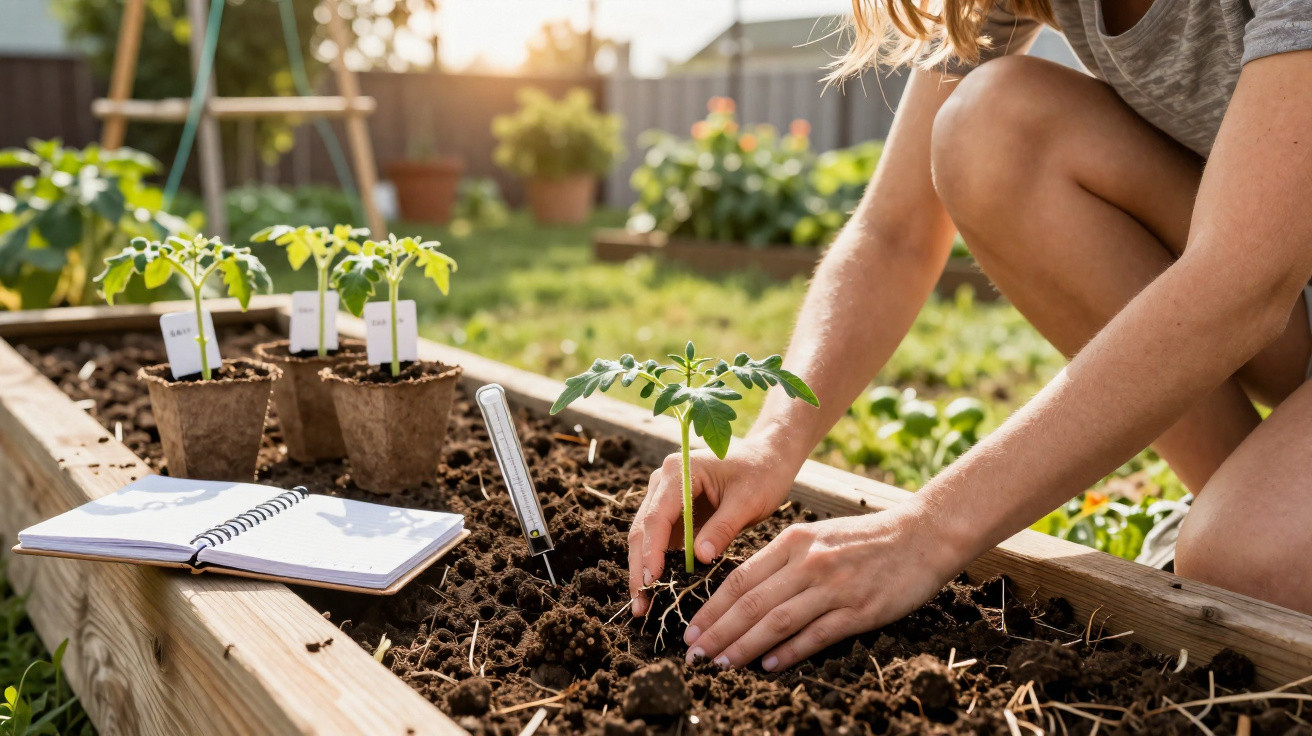
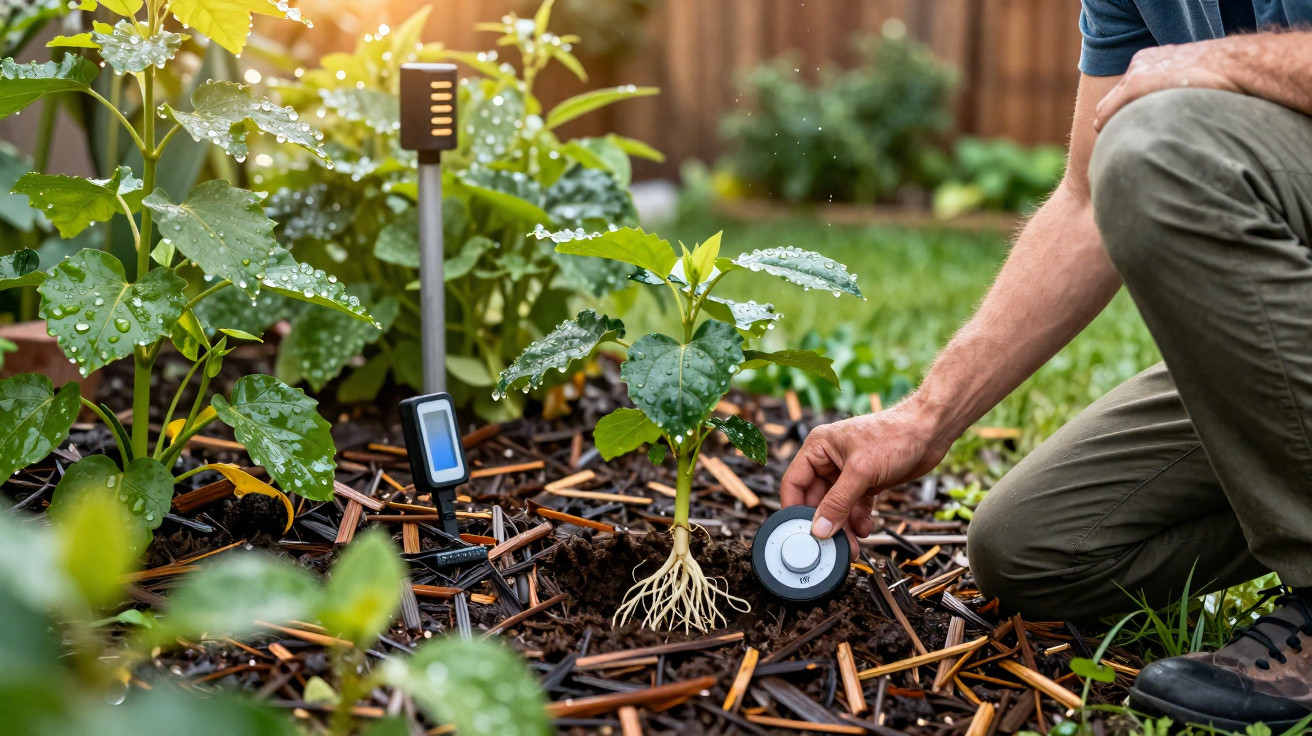
Next, focus on what’s happening in the soil rather than the forecast. Deep, well-prepared ground that allows roots to run reduces the sense of urgency. Thin seedlings with generosity so each plant has space. Keep watering steady and moderate to avoid stress signals. It isn’t about coddling vegetables - it’s about removing the warning signs that shout, “Hurry up and flower.”
Shade can be a surprisingly effective lever. Dappled afternoon shade, or a light shade cloth during midsummer, can alter how plants “read” their surroundings. Lower light intensity and slightly cooler soil can encourage them to delay flowering. You’re not battling the sun so much as dialling down the message it sends.
The frustrating part about bolting is how it punishes keen gardeners. You sow early because you’re eager; you water unevenly because life gets busy; and then one hot week tips the whole thing over. Most of us know that moment when you step outside and swear the lettuce has doubled in height overnight - and not in a good way.
One gentle fix is to spread the risk. Instead of a single big sowing, plant small patches every couple of weeks, especially for leafy crops. If one batch bolts, another is already on the way. And keep an eye on containers: once plants become rootbound in small pots, they bolt quickly, regardless of what the weather forecast promises.
Let’s be realistic: nobody manages all of this perfectly, every day. Life doesn’t revolve around lettuce. That’s why simple routines matter. A set weekly “garden check walk” can achieve more than any gadget. You spot dry soil before plants panic, notice cramped seedlings before they hit the stress ceiling, and catch the first rogue flower stem early enough to snip it back.
“Heat gets blamed for a lot of bolting, but in many cases the plant decided to flower weeks earlier,” explains a market gardener I met on a windy Saturday, as she calmly pinched off the budding tops of a row of rocket. “By the time you notice stems stretching, the decision is old news.”
- Pick bolt-resistant varieties: Choose seed packets labelled “slow to bolt”, particularly for lettuce, spinach, coriander and Asian greens.
- Stagger sowings: Frequent, small sowings reduce the gamble and keep harvests coming even if one batch bolts.
- Cut stress: Water evenly, thin crowded seedlings, and don’t leave plants sitting rootbound in tiny cells or pots.
- Play with shade: Use taller plants, netting or light shade cloth to cool the soil and soften intense summer light for leafy crops.
- Follow the calendar, not only the thermometer: Plan sensitive crops around day length, favouring early spring and late summer over the brightest, longest days.
Rethinking what “went wrong” in your garden
When you stop treating temperature as the sole bad actor, the whole tale of your veg patch becomes clearer. That spinach bed that failed isn’t only a weather disaster - it’s feedback about timing. Coriander that bolted in 3 weeks isn’t so much a personal mistake as a nudge towards autumn sowing and better-suited varieties. Lettuce that stretched in the seed tray before planting out is a quiet reminder that roots need space just as much as leaves need light.
Oddly, this perspective can feel freeing. You can’t manage the sky, but you can choose sowing dates, spacing, watering habits and which seeds you buy. You can create shade with a scrap of fabric or the shadow of a sunflower. You can even leave a bolted plant up for the pollinators and save seed for next season, turning a “failure” into a free stash.
The next time your vegetables bolt ahead of schedule, the frustration may still sting. But underneath it, there’s a more useful question than “Why was it so hot?” Try: “What signals did this plant get before it made that decision?” Asking that is often what quietly turns a discouraged beginner into a thoughtful grower, season after season.
| Key point | Detail | Value for the reader |
|---|---|---|
| Bolting has more than one cause | Day length, stress, variety and root conditions can matter as much as temperature | Helps you diagnose issues beyond “it was too hot” and respond more effectively |
| Timing beats battling the weather | Moving sowings to early spring and late summer lowers the risk of bolting | Improves harvests without complex kit or daily monitoring |
| Small habits avert big let-downs | Even watering, thinning, and avoiding rootbound plants keep bolting-prone crops steadier | Makes the garden more resilient and forgiving, even in unpredictable seasons |
FAQ:
- Why do my lettuces bolt even when the weather isn’t that hot? Many lettuces are highly sensitive to day length and stress. Long days, cramped roots or stop-start watering can prompt flowering even in mild conditions.
- Can I stop a plant from bolting once it starts? You may be able to slow it a little by removing flower stems and reducing stress, but the internal switch has usually already been thrown. Often it’s best to harvest what you can and re-sow.
- Are there vegetables that almost always bolt in summer? Spinach, coriander, rocket, some Asian greens and certain lettuces are naturally quick to bolt in long, bright days, particularly if they dry out or become cramped.
- Do bolt-resistant varieties really work? They won’t perform miracles, but they’re bred to delay flowering under stress or long days, which gives you a wider harvesting window.
- Is bolting always a bad thing? Not always. The flowers support pollinators, and you can save seed from many bolted plants, turning a “failure” into next year’s free seed supply.

Comments
No comments yet. Be the first to comment!
Leave a Comment