
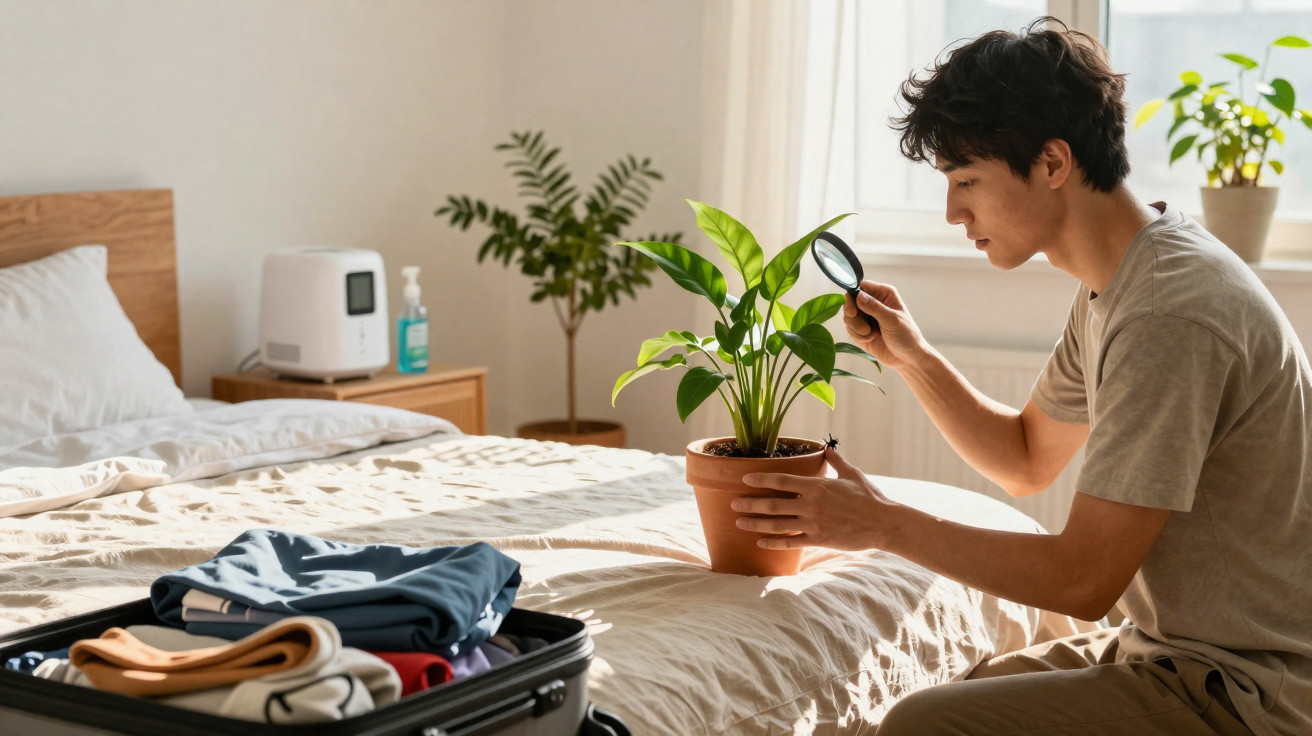
Recent outbreaks and a hectic travel calendar have prompted new debate about where houseplants really belong.
Bed bugs are on the rise again in major cities, and many people are scrutinising every potential foothold indoors. Plants don’t provide food for pests that bite us. Even so, certain plant choices and ways of arranging them can increase hiding places, collect debris, and slightly raise risk when greenery sits close to bedding, rugs and upholstered furniture. The answer is a more considered set-up, not alarm.
Which plants raise the risk of bed bugs indoors
Sunflowers, chamomile and even a potted dandelion can look lovely. They can also drop fine fragments and, in some cases, arrive with tiny “hitchhikers” in the compost or on stems. Outside, these plants are useful for pollinators; indoors, they can create little crevices and pockets of micro-mess where insects prefer to stay tucked away during the day.
Bed bugs follow people, not petals. Plants only multiply the hiding places near seams, slats, and soft furnishings.
The basics are straightforward: bed bugs track CO₂, body heat and gradients of human scent. They can’t fly. They don’t eat leaves. What they do exploit is cluttered, sheltered edges. Plant saucers, grooved pots, felt feet, worn rug fibres, and the small gap between a bed frame and a plant stand can form a neat chain of daytime shelters within a few feet of where someone sleeps.
Compost brought in from outside can also contain other insects that stress a plant and trigger extra leaf drop. More litter and dust then builds “nests” that can make it harder to spot the pepper-like spotting and shed skins that indicate bed bugs. None of this means a plant is the “cause”; it simply changes the odds when houseplants sit right up against textiles.
| Plant or item | Risk context | Smarter placement | Notes |
|---|---|---|---|
| Sunflowers (cut) | Petal drop; outdoor hitchhikers | Dining table, kitchen counter | Discard stems within a week |
| Chamomile, dandelion (potted) | Fine debris; frequent seed shed | Balcony, bright hallway | Use fresh, sealed potting mix |
| Areca palm | Low litter; steady humidity | Living room corner | Good airiness without damp saucers |
| Lavender, lemongrass | Scent may deter some insects | Bedroom shelf away from fabrics | Keep soil on the dry side |
| Ficus, holly | Attractive but risky for pets/kids | Out of reach, non-sleeping areas | Toxic if chewed |
| Succulents, cacti | Minimal litter; dry surfaces | Desk or sill, not on fabrics | Still keep gaps from curtains |
What actually works right now
Use a hotel-style intake routine at home. In practice, that means briefly isolating anything new, keeping containers clean, and maintaining space between plants and the bed. The idea is to break up “shelter chains” and spot issues early-before bites are the first clue.
Give new plants seven to ten days in a bright, wipe-clean area. Repot with fresh, sealed mix. Keep them away from beds and sofas.
- Keep new plants separate in a hallway or bathroom for 7–10 days, ideally on a light-coloured floor you can mop.
- Repot using unopened potting mix. Wash saucers and planters. Inspect the undersides of leaves and trays.
- Maintain at least 60–90 cm between plants and any bed, sofa or curtain hem.
- Put interceptor cups under bed legs. Add slim sticky monitors along skirting boards and beneath plant stands.
- After bringing in plants or second-hand items, wash bedding, throws and cushion covers on a hot cycle. Tumble dry on high heat for 30 minutes.
- Don’t bring used furniture and new plants into the house on the same weekend; stagger them.
- Vacuum bed slats, skirting boards and the floor beneath pots using a crevice tool. Seal, bag and bin the vacuum contents straight away.
- Use a fully encasing mattress and box-spring cover with tight zips to block harborage seams.
Moisture and microclimate management
Water more sparingly and don’t allow saucers to remain wet. Damp rims, plus fabric nearby, can create cooler, shaded pockets that encourage hiding. Space plants to improve airflow, and include a quick wipe of leaves and pot rims during the weekend tidy. Less dust and debris makes checks quicker and clearer.
Travel and secondhand routines
After travelling, leave luggage in the hallway rather than next to a plant shelf or bed. Unpack directly into the washing machine. Shoes and soft items can go through a hot tumble-dryer cycle. With used furniture, check joints with a torch, treat it in a garage or on a balcony, and consider a heat session using a portable heater that maintains 50–60°C evenly. Skip foggers-they spread pests around and fail to reach crevices.
When to call a professional
Stronger warning signs include black specks on slats, a sweetish odour in a cramped room, shed skins along seams, and sightings during the day near headboards. Licensed operators can combine targeted insecticides with structural heat. If you use dusts, apply food-grade silica or diatomaceous earth very lightly and only into cracks-never on plant compost or along routes pets use. Don’t spray bed-bug products on plants.
Why this matters now
Higher travel volumes, booming furniture resale and a surge in indoor gardening have changed the risk picture. These pests travel with us on seams and in screw holes. Plants add pots, trays and extra contact points with fabrics. Together, this can turn bedrooms into dense “edge” environments that bed bugs favour. A small rethink of layout shifts the advantage back to you.
Keep sleep zones minimal, wipeable, and easy to scan with a torch in two minutes flat.
A practical bedroom reset you can do tonight
Move plant stands outside the 1-metre ring around the bed. Raise curtains so they hang clear of any pot. Replace woven baskets near the bed with smooth, lidded boxes. Install interceptors under each bed leg and write the date on them with a marker. Place two sticky monitors beneath the plant shelf. Do a 120-second torch check along skirting, behind the headboard and under saucers. Set a calendar reminder to repeat weekly.
Extra context for plant lovers
Areca palm, snake plant and many succulents tend to support cleaner surfaces because they shed less and prefer drier compost. If you want fragrance near the bedroom, a small pot of lavender or a bundle of dried stems can add scent without damp soil. Households with pets should steer clear of ficus and holly; choose spider plant or parlour palm instead.
For a quick risk sense-check, count the “edges” within arm’s reach of the bed: pot rims, woven baskets, loose fabric, cardboard, picture frames. Keep it under ten if you can. Each item removed speeds up inspections and reduces harborage. Pair that with a watering routine that keeps saucers dry and floors easy to wipe. The space can still feel green and lived-in-it just stops functioning like a maze for a pest that feeds on us at night.


Comments
No comments yet. Be the first to comment!
Leave a Comment