
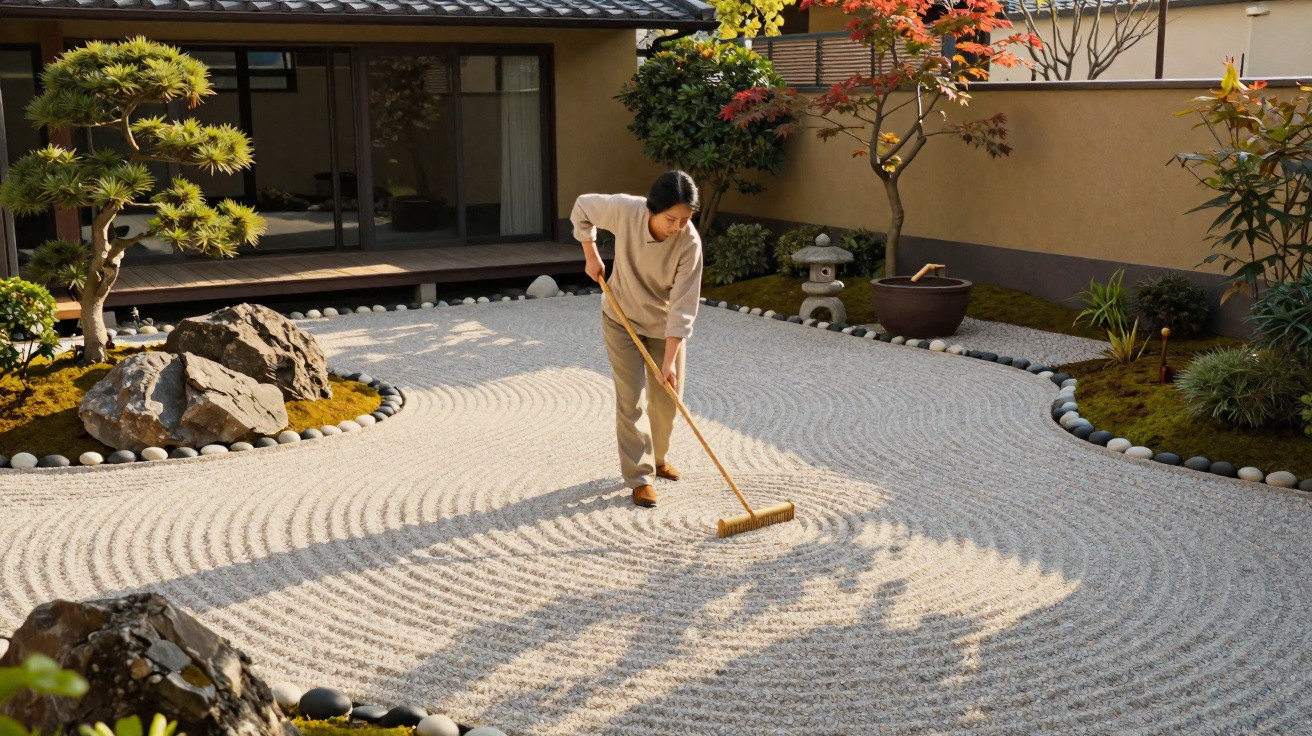
Turning your home’s outdoor area into something calm and visually uncluttered takes steady effort on bright weekends. When river stones are placed with intent, they can reshape the mood of the whole garden and bring an instant sense of ease. This rewarding residential landscaping project can be done using basic tools you probably already have stored away in the garage.
How do you plan the ideal route for your new relaxing space?
Begin by watching how people naturally move through the garden during quiet mornings. Lightly marking the ground makes it easier to picture where the Japanese garden will take shape, while keeping everything in balance with the plants you already have. Give yourself time to sketch gentle curves that invite an unhurried stroll, and consistently avoid rigid straight lines.
Once you have settled on the main outline of the path, lift the top layer of turf using a sharp, straight spade. Preparing the ground properly at this stage prevents later headaches with perfect levelling and helps keep the light-coloured gravel neatly within the defined area. Lay a membrane at the base to block invasive weeds, following a few essential guidelines.
- Soft curves: Plan curving routes to encourage slow, reflective walks through the outdoor space.
- Correct depth: Dig to around 10 cm so every layer sits comfortably in the ground.
- Firm edging: Fit sturdy physical dividers to stop small stones spreading into the lawn.
Why does preparing the base matter before the finishing layer?
A strong foundation is the key to keeping your stone path stable year after year. Spreading a thin layer of sand over the protective membrane creates the right support for the light-coloured gravel to sit without shifting or warping. This extra attention within your residential landscaping helps prevent puddles forming after heavy rain.
If you compact the sandy layer thoroughly, larger stones are far less likely to sink under the repeated pressure of everyday footsteps. Use a hand tamper, or make do with a heavy piece of timber, to level the entire prepared surface with care. The physical work here pays off in a robust, low-maintenance Japanese garden.
Learn each practical stage visually by watching the full content available on the Ed Best Ideas YouTube channel:
How do you choose the perfect materials to create a zen look?
Choosing mineral elements thoughtfully sets both the visual texture and the pleasant feel under bare feet. Placing attractive river stones along the wider sections creates a lovely contrast against the surrounding green leaves. Mixing sizes like this adds real depth to your residential landscaping, giving the garden that untouched, natural character.
The Wisdom of the Elements
Harmonising natural textures
The interplay between rough stones and smooth pebbles mirrors the imperfect perfection found in wild landscapes. This tactile mix turns an ordinary morning walk into a refreshing, welcoming sensory experience.
Beyond the charming appearance, varied particle sizes also improve natural rainwater drainage. The end result is an outdoor area that stays safer, drier and more inviting for the whole family.
Filling the gaps between the larger stones takes patience and a careful eye for small aesthetic details. Pouring the light-coloured gravel gradually helps you cover every corner evenly, delivering structural stability and a beautiful finished path. Gently sweep the stone-covered surface to reveal the most attractive faces of the rocks, using a few simple placement tips.
- Set the heaviest, most irregular rocks first, creating strong visual anchors along the entire curved route.
- Pick pebbles in neutral, earthy shades to maintain the calm, serene feel typical of meditative outdoor spaces.
- Keep the finest stones only for filling, reducing waste and ensuring the larger pieces lock firmly into place.
What final touches help everything blend perfectly?
A newly made path needs to sit naturally alongside nearby plants, otherwise it can look unfinished and separate from the rest of the garden. Planting low ground cover tight to the edges softens the transition between the river stones and the existing green lawn. With this simple step, the space quickly feels as though the Japanese garden has always belonged there.
Adding small pools of warm, yellow-toned light near tighter bends highlights the route on pleasant hot evenings. At night, the contrast across the light-coloured gravel creates intriguing shadows and gives extra confidence when walking without tripping in the dark. These well-judged residential landscaping choices make the garden at night far more relaxing, especially when paired with a few other finishing details.
- Plant small patches of moss or black mondo grass along the edges, forming a living border that absorbs moisture and enhances the outline.
- Push solar stake lights straight into the ground for economical, attractive lighting that is completely free of dangerous electrical wiring.
- Clear dry leaves weekly using a lightweight metal broom, keeping the stones’ natural shine prominently on display.
How do you keep the path looking beautiful with minimal monthly maintenance?
Looking after this new special corner takes very little effort when the installation stages are completed carefully from the start. Removing small fallen leaves from the light-coloured gravel helps preserve the bright colour contrast for longer. The true spirit of a Japanese garden is found in calm consistency, needing only a few pleasant minutes of weekly attention.
Rinsing the larger rocks with a low-pressure hose quickly brings back their sparkle after dust builds up. Putting any river stones back into place after heavy rain keeps the structure stable and safe to walk on. Use these brief moments of at-home residential landscaping to observe nature, clear your head and enjoy the weekend.




Comments
No comments yet. Be the first to comment!
Leave a Comment