
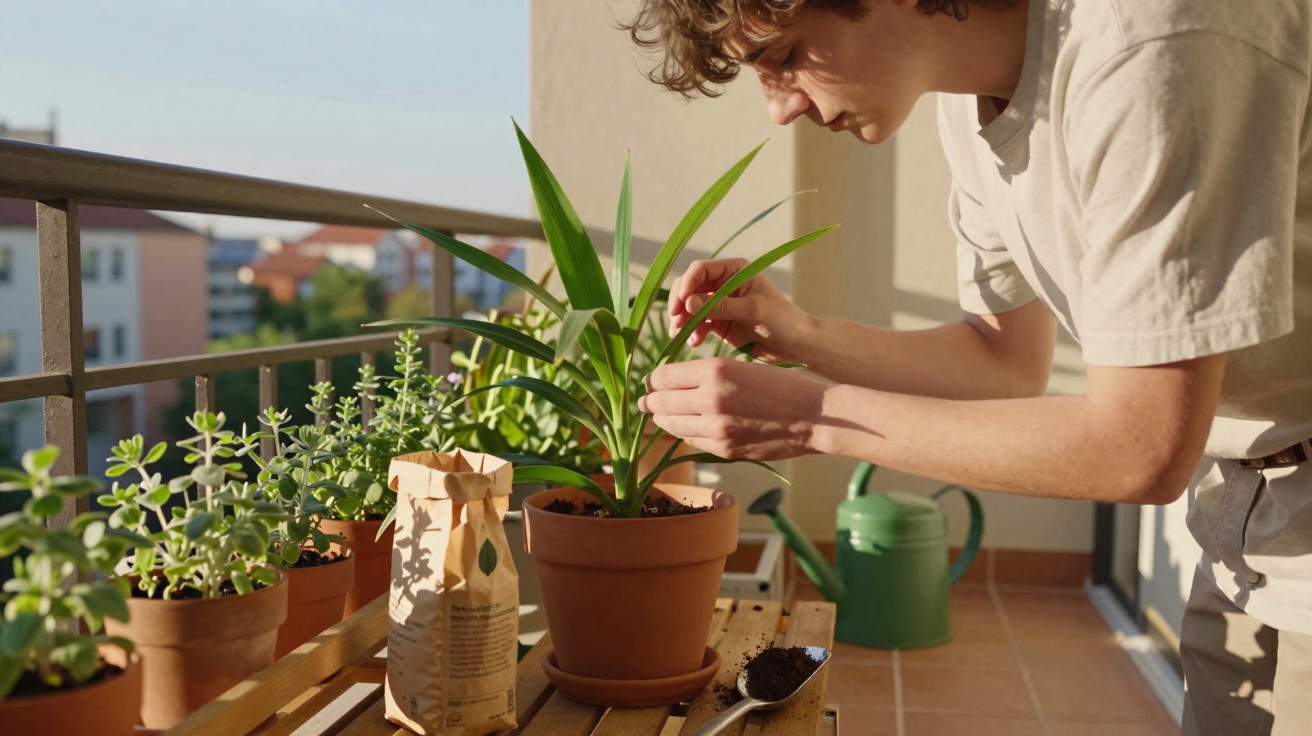
Having an outdoor area that smells wonderful and feels full of life is something many people want today. Growing aromatic plants can turn even the smallest space into a cosy retreat. That is why citronella has become a perfect choice for decorating balconies with real elegance.
How do you grow citronella in small pots?
Citronella copes very well with restricted growth, as long as it is given the nutrients it needs to thrive. Picking the right container for a potted garden helps the roots develop properly, making home growing possible in virtually any available space.
To achieve the best aesthetic result and practical benefits from this plant, a few fundamental steps need to be followed carefully. Below are the key points to keep the foliage lush, vigorous and highly fragrant:
- Ideal pot: Choose containers with drainage holes so excess water can escape.
- Correct light: Place the pot where it will receive plenty of bright light, either direct sunlight or strong indirect light.
- Moderate watering: Water around twice a week, without leaving the compost waterlogged.
What are the secrets to keeping the foliage thriving?
Consistent upkeep helps the plant release its distinctive scent continuously into the surrounding area. Mixing a generous layer of organic matter into the soil helps retain the right level of moisture for the healthy development of green leaves.
In addition, doing a light maintenance prune removes dry sections that steadily drain the plant’s energy. This simple habit encourages new shoots to emerge with strength, making your balcony far more charming and warmly inviting.
In the video, you can follow a detailed step-by-step guide to repotting and correct fertilising for the full development of this fragrant plant on the Amateur Gardener YouTube channel, always aiming for an excellent and lasting practical result.
How do you use organic fertiliser correctly in the pot?
Proper nutrition is crucial for keeping the plant vigorous and for boosting its natural aroma around the space. Choosing the right fertiliser supports balanced growth and helps the plant withstand common seasonal pests and diseases.
The secret of Bokashi organic fertiliser
Beneficial micro-organisms for the soil
Using fermented organic compounds can greatly improve soil structure and nutrient uptake.
Feeding the soil every thirty days helps ensure dense, green foliage with a longer-lasting citrus fragrance.
To apply this type of compost effectively, it is important to follow a few basic guidelines on handling and quantity. The list below sets out the essential care steps to enrich the potting soil and safeguard your valuable home cultivation:
- Apply one tablespoon around the rim of the pot.
- Avoid letting the fertiliser touch the plant’s stem directly.
- Water immediately after application to activate the nutrients.
Where should you place the pot to maximise the fragrance?
Where you position the foliage directly affects how well its aromatic qualities spread through the outdoor area. Well-ventilated spots allow the breeze to carry the natural fragrance, creating a sustainable protective barrier against unwanted insects in your home.
Certain strategic locations can enhance both the look of the foliage and the way its characteristic citrus scent travels. Consider the options below to choose the best placement for this key element in your beautiful green space and cosy home:
- Near doors and windows to make the most of air currents.
- In sunny corners that receive direct morning sunlight.
- Close to seating and social areas to heighten how noticeable the aroma is.
What are the benefits of having this plant at home?
Alongside its clear ornamental appeal, this species offers practical advantages that can significantly improve residents’ quality of life. Keeping it nearby acts as an effective natural repellent, helping to keep mosquitoes away during the hottest days of summer.
Finally, caring for a living plant encourages relaxation and helps reduce the stress that builds up in everyday city life. Investing in wellbeing through direct contact with nature restores energy, turning your space into a true ecological sanctuary.



Comments
No comments yet. Be the first to comment!
Leave a Comment