
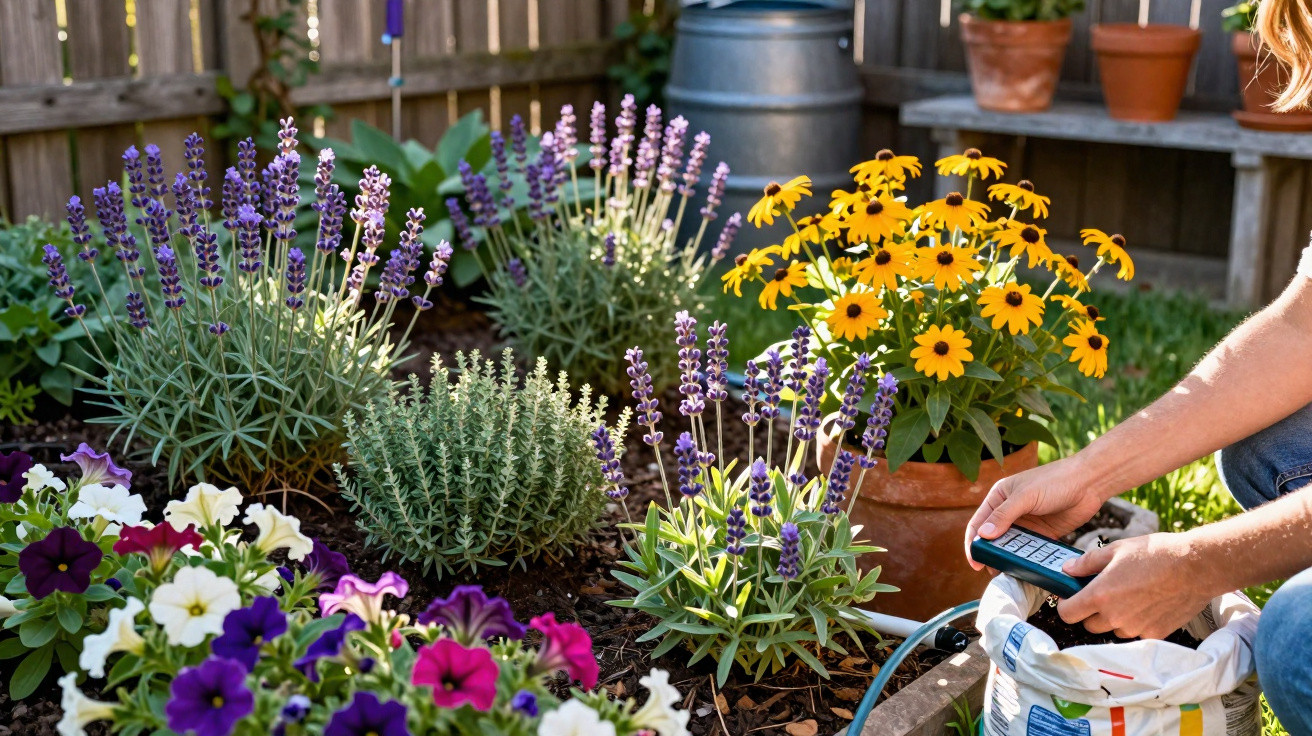
Keeping a garden looking its best during spells of low rainfall is a familiar challenge in many places. When temperatures soar and the ground dries out, one of the most effective approaches is to choose drought-resistant plants. These species stay attractive even with less frequent watering, helping you cut water use without sacrificing the look of a patio, garden bed, or balcony.
What are the main drought-resistant plants for the garden?
Drought-resistant plants can cope with long gaps between waterings, holding on to their foliage, flowers, or fragrance while using less water. In home gardens, some of the most common choices include lavender, pelargonium, herbs such as sage and thyme, petunia, and echinacea, also known as sunhat.
When putting together a drought-tolerant bed, many people mix ornamental plants with edible varieties to create an area that is both attractive and useful. That way, the garden can provide aromatic leaves for cooking, flowers that draw in pollinators, and a more balanced setting with a range of heights, colours, and leaf shapes.
Watch a video on the YouTube channel Spagnhol Plantas about urban botany, full-sun gardening, and practical growing methods for species that need only minimal watering:
How do lavender, pelargonium and sunhat help to save water?
Lavender does particularly well in free-draining soil and bright, sunny positions, making it a strong option for terracotta pots or raised beds. After flowering, it can be pruned to keep it neat and compact, remaining decorative and fragrant throughout the year without needing frequent watering.
Pelargonium, often referred to as a geranium, produces flowers in many colours and copes well with wind, heat, and moderate periods without water, as long as the growing medium drains properly. Echinacea is well suited to beds in full sun, handles dry conditions effectively, and also attracts bees and butterflies-supporting the pollination of other plants in the garden.
How do sage, thyme and petunia cope during drought?
Among culinary herbs, sage and thyme combine ornamental appeal with kitchen use, and they prefer direct sun and light soil. Sage has broader leaves with a velvety texture, while thyme stays low and fine-textured, which makes it useful as edging or as partial ground cover in large containers.
Petunia is widely used in hanging baskets and window boxes because it grows with a gentle trailing habit that spills over the sides. With a suitable growing medium and containers holding a good volume of compost, it can tolerate some lack of water and still deliver abundant flowering, even in drier summers.
What daily care keeps drought-resistant plants healthy?
Even drought-resistant plants benefit from a few straightforward habits to stay vigorous. Aim for a light, well-draining soil enriched with organic matter, and favour larger pots, which hold moisture for longer and reduce stress on roots during hot days.
A few practical steps can make dry spells easier to manage:
- Use a high-quality growing medium that drains well while still holding a moderate amount of moisture.
- Grow in large containers or deep beds, allowing roots to grow downwards to seek water.
- Cover the soil surface with low plants or mulch, such as pine bark, to reduce evaporation.
- Reposition pots during the hottest days, moving them into partial shade when needed.
If leaves wilt due to lack of water, the best approach is to water the soil thoroughly-without waterlogging it-then wait a few days before watering again. Avoid feeding stressed plants; you can resume fertilising around a week after they recover, helping keep the garden green, practical, and low-maintenance throughout the year.
Comments
No comments yet. Be the first to comment!
Leave a Comment