
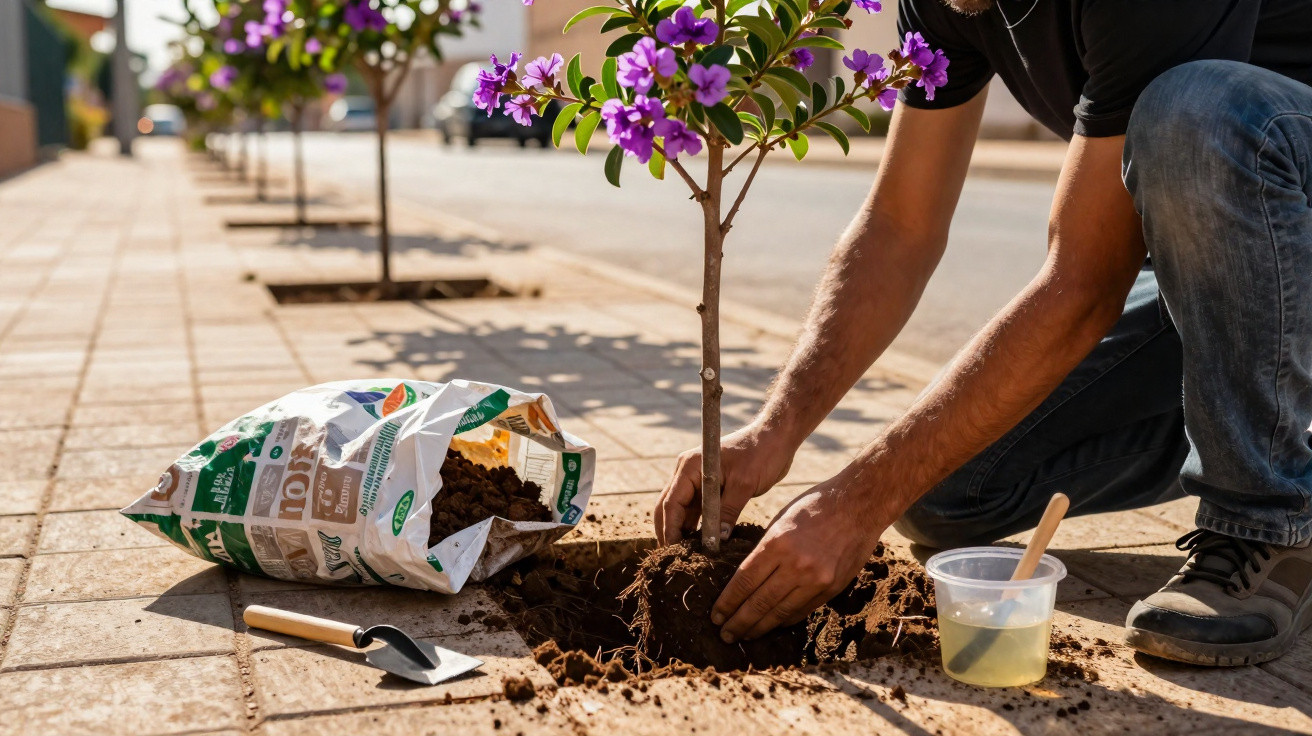
Urban streetscapes take on striking colour when the quaresmeira is planted thoughtfully along residential pavements. This attractive native tree offers excellent shade and lifts the look of house frontages, without damaging urban structures thanks to its non-aggressive, largely surface-level roots.
How does the quaresmeira stand out in today’s landscaping?
Scientifically known as Pleroma granulosum, this Atlantic Forest native is celebrated for its abundant flowering. Its showy purple or pink flowers refresh the feel of built-up areas, making it a leading decorative option for sunny pavements.
It is also a well-managed, medium-sized tree, typically reaching between 8 and 12 metres in height. This restrained growth makes routine upkeep simpler and supports its smooth inclusion in the narrow pavements found across major cities.
Which purple-flowering tree looks like it came straight from a fairy tale?
This gorgeous ornamental species wins people over with its spectacular bloom and suits pavements perfectly-but the big secret behind its… Read more
Why is the root system ideal for pavements?
A key practical benefit of the quaresmeira is a root system that stays in proportion to the canopy. Because the roots are not aggressive, they help prevent cracks in paving and support the overall safety of your pavement.
This morphological feature greatly lowers the chance of damaging underground water pipes or electricity infrastructure. Safe cultivation in urban areas helps protect the surrounding tarmac and provides welcome shade for pedestrians.
To understand how to handle this native species more effectively, watch the full content from the well-known YouTube channel Spagnhol Plantas, which shares important guidance on achieving complete success with your planting and wider urban tree planting.
How do you choose the ideal quaresmeira sapling?
Selecting the right sapling has a direct impact on how well the plant establishes in its permanent spot. It is essential to buy specimens sold in plastic grow-bags or larger bags, so the root system remains intact and in good health.
Many growers lift trees from open ground and cut the roots roughly, which causes severe stress. Avoid plants taller than 2 metres if they have not been grown with a protected root ball, as they require extreme care and face a serious risk of dying very quickly.
Safe Buying Guide
Criteria for selecting saplings
Make sure you check these points before taking the plant home:
- 1
Choose saplings sold in bags to preserve root integrity; - 2
If possible, buy a flowering specimen so you can be completely certain of the colour you want; - 3
Avoid plants over 2 metres that were pulled straight from the field without proper handling.
What are the main soil and planting requirements?
As a native of the lush Atlantic Forest, this tree needs specific ground conditions to establish well. The chosen site should have fertile soil rich in organic matter, supporting the full development of this beautiful ornamental species.
Preparing the planting hole properly-using a quality growing medium and worm castings-makes a noticeable difference. In addition, the plant needs full sun to grow strongly and produce a spectacular, eye-catching flowering display.
To ensure the planting hole receives the essential nutrients for healthy growth, follow the key steps below to prepare the soil with complete success and safety:
- Add a generous amount of high-quality organic growing medium to the bottom of the hole;
- Mix in well-aged worm castings to enrich the soil with essential nutrients;
- Ensure direct exposure to sunlight to encourage healthy development.
How does planting gel protect the quaresmeira during dry spells?
In areas with a dry climate, or where long periods of drought occur during autumn and winter, careful water management is vital. Without enough moisture, the plant can drop leaves quickly and its rooting can be seriously affected.
Applying planting gel in the planting hole helps hold water on an ongoing basis. This modern input keeps the roots consistently hydrated, preventing the soil from becoming completely dry during months of severe drought.

Comments
No comments yet. Be the first to comment!
Leave a Comment