
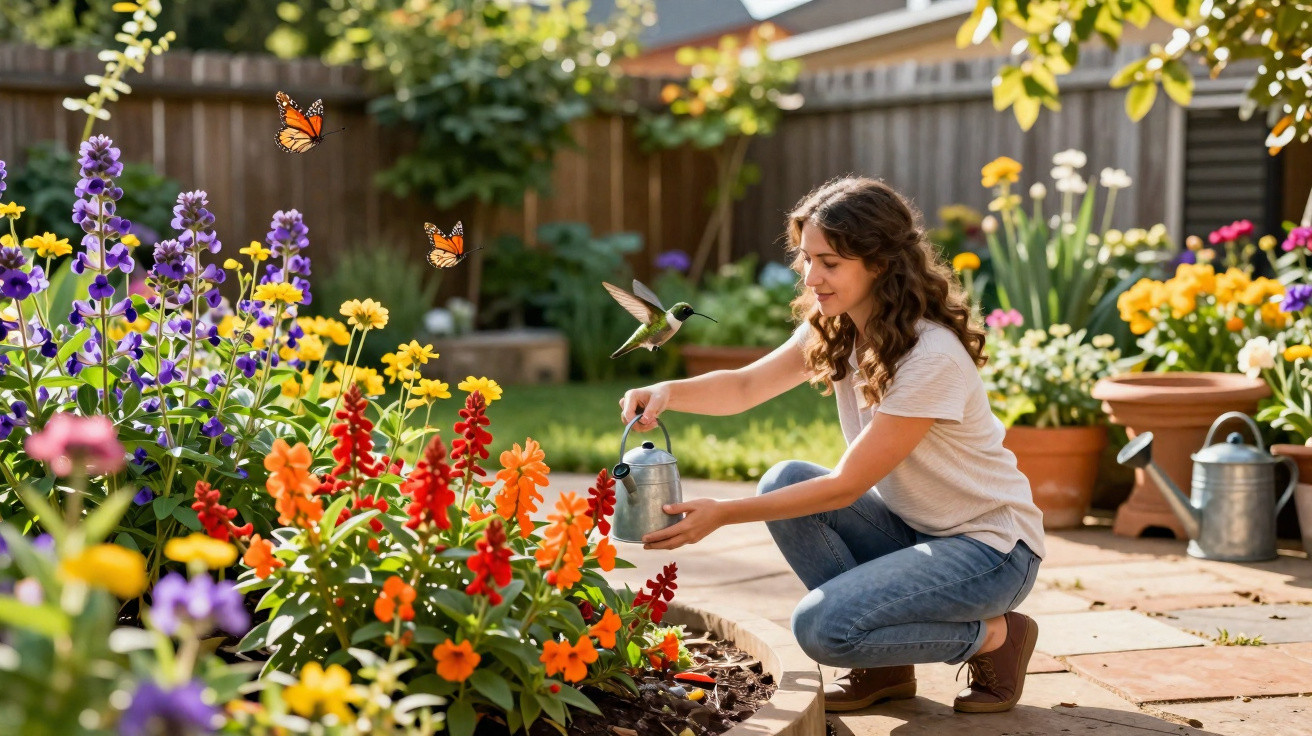
The ideal plants to attract butterflies and hummingbirds are those with nectar-rich blooms, vivid colours, and flowering spread evenly across the year. In a garden, they provide food for pollinators, boost biodiversity, and bring more natural movement to borders, pots, and balconies.
Why do some flowers attract more pollinators?
Butterflies and hummingbirds look for flowers with accessible nectar, fragrance, colour, and shapes that suit how each species feeds. Hummingbirds tend to favour tubular blooms, while butterflies usually choose open, clustered flowers that give them somewhere to land.
A garden becomes more inviting when it mixes plants of different heights and staggers flowering times. That way, pollinators can find food for more months, rather than only during a short spring window.
Which plants work best for hummingbirds?
Hummingbirds are drawn to elongated, dangling, or tubular flowers, especially in shades of red, orange, pink, and yellow. Tropical species often perform well because they produce plenty of nectar and cope with strong sunshine across much of Brazil.
- Heliconia, with striking flower spikes and lots of nectar.
- Russelia, also known as coral plant, with trailing stems and tubular flowers.
- Red shrimp plant, suited to tropical beds and lightly shaded areas.
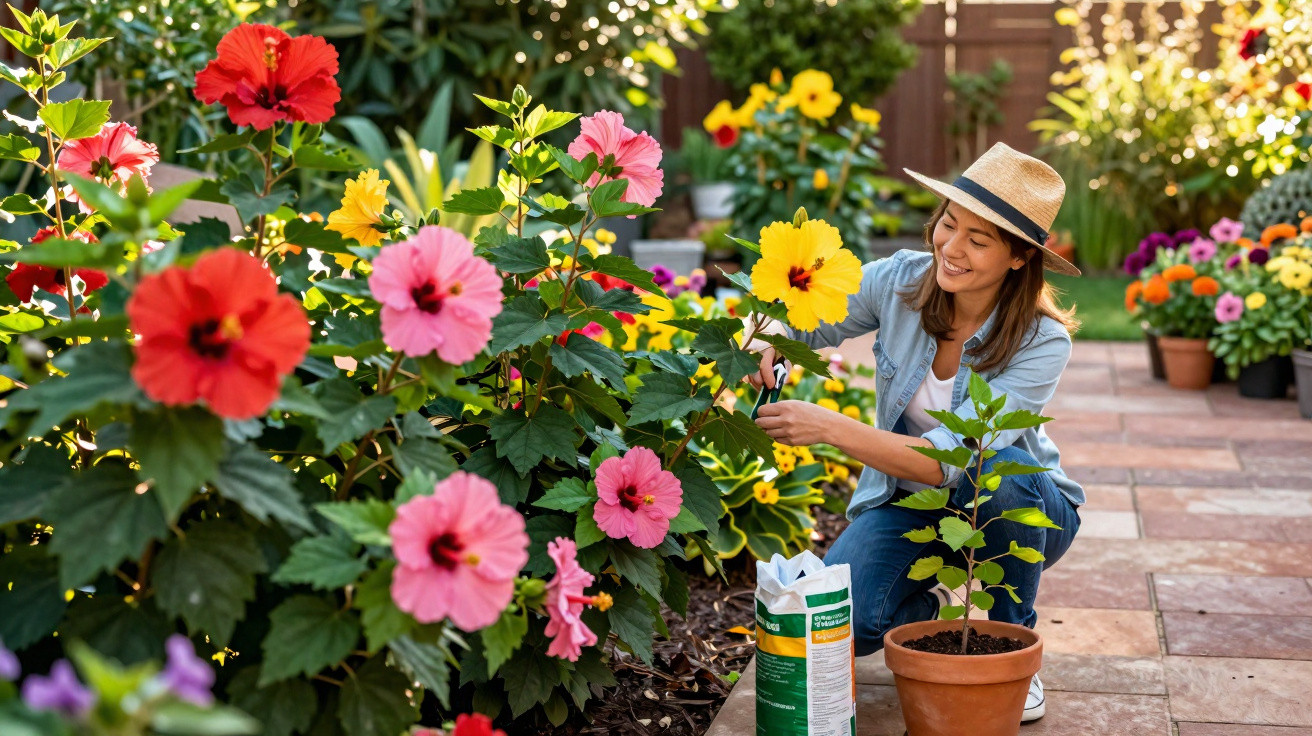
- Hibiscus, which provides large, eye-catching blooms in sunny positions.
- Dwarf grevillea, a good choice for gardens with space and direct sun.
Which flowers attract butterflies the most?
Butterflies seek out nectar-bearing flowers with strong colour and a surface where they can perch. For that reason, plants with flower clusters, small composite heads, or grouped blooms tend to be visited frequently on warm days.
Common choices include lavender, lantana, verbena, zinnia, daisy, pentas, and buddleia. Lantana-also known as shrub verbena-is especially popular with butterflies because it holds many small, colourful flowers in clusters and can stay in bloom for long stretches when grown in full sun.
How do you create a garden that attracts butterflies and hummingbirds?
The key is to offer a continuous mix of food, shelter, and safety. A garden with just one flowering plant may get the occasional visitor, but a varied planting of nectar sources, foliage, and resting spots keeps pollinators returning more often.
- Plant full-sun flowers in groups, rather than scattering them widely.
- Mix low growers, shrubs, and climbers to create layers.
- Avoid broad-spectrum insecticides near flowering plants.
- Keep a shallow water source that is clean and safe for insects.
- Choose native plants whenever possible, as they adapt better to the local climate.
What care keeps the garden flowering throughout the year?
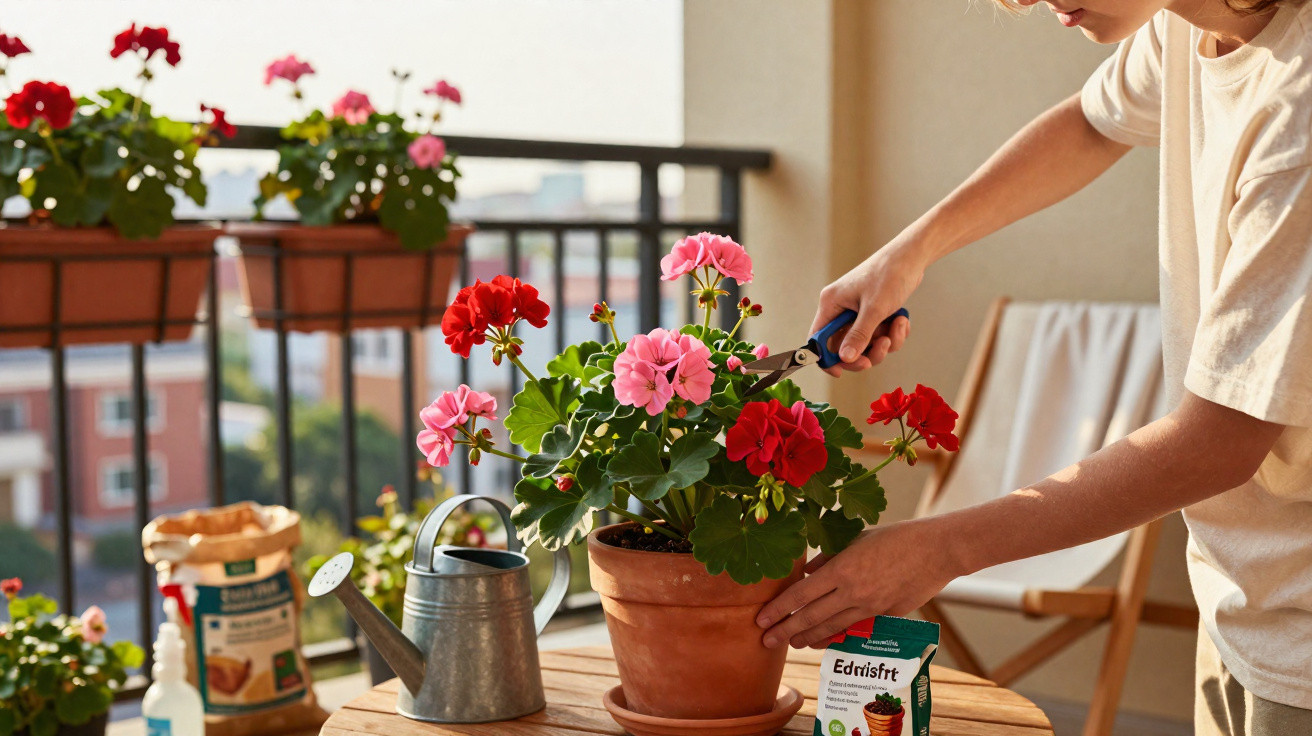
The ideal plants to attract butterflies and hummingbirds typically need sunshine, balanced watering, light pruning, and fertiliser suited to the species. Flowers grown with too little light produce less nectar, while waterlogged pots can lead to root loss and stop plants from flowering.
To keep the garden lively for longer, it helps to mix short-flowering plants with species that bloom in repeated cycles. With lavender, lantana, heliconia, russelia, and hibiscus placed thoughtfully around the space, you can provide nectar, colour, and shelter for pollinators for much of the year.
Comments
No comments yet. Be the first to comment!
Leave a Comment