
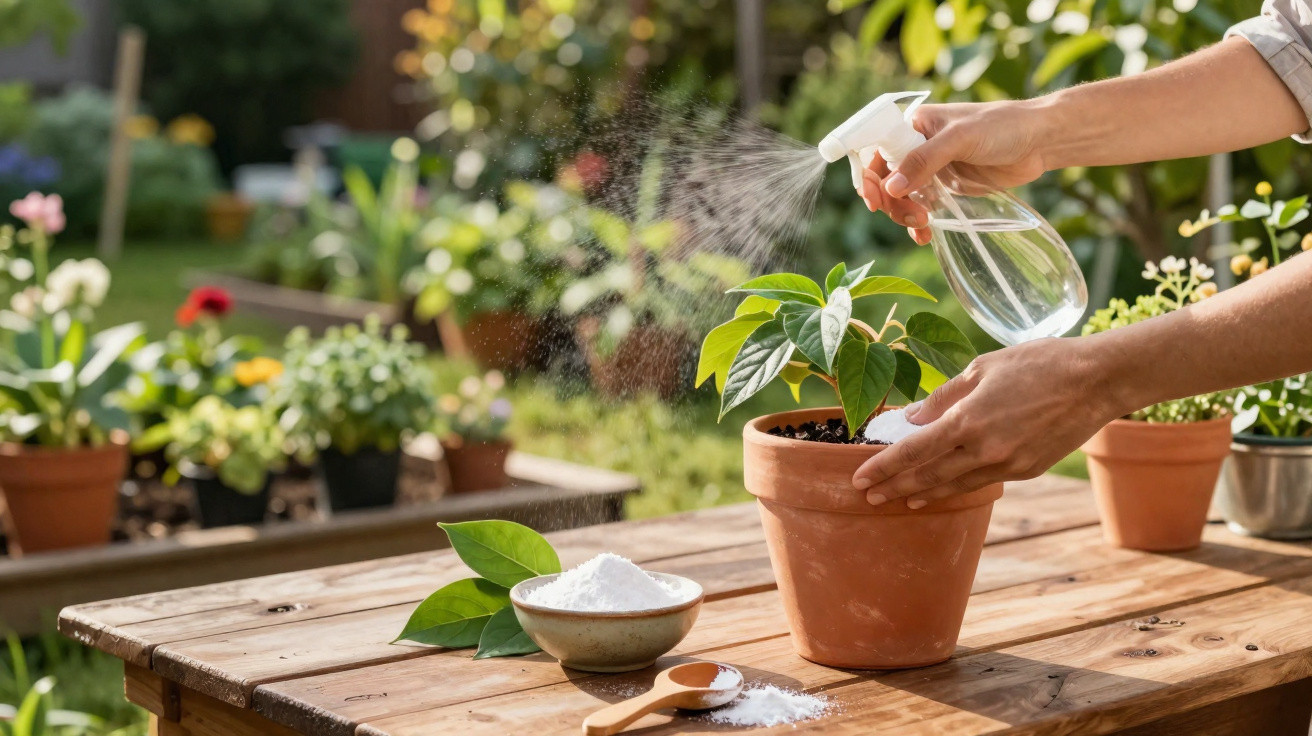
Baking soda is widely recognised as a household cleaning staple, but many gardeners also use it as a helpful extra when looking after pots and garden beds. When applied sparingly and for specific purposes, it can support soil balance and help protect plants from a few everyday issues. Even so, it needs careful handling, because overuse can change the growing medium’s properties and harm certain species.
How can baking soda benefit plants?
Baking soda for plants is often used to help lower acidity in some soil types. When the pH is too low, roots may struggle to take up essential nutrients, and small adjustments can encourage healthier growth in certain plants.
It is also mentioned for its preventative effect against some surface fungi that commonly appear on leaves and stems in damp conditions. However, it does not replace fertilisers or targeted treatments when disease is already established or when the plant is lacking nutrients.
How to use baking soda in the garden without harming plants
Before applying baking soda for plants, it is important to understand the needs of the species you are growing. Some plants naturally prefer acidic soil and may suffer if the pH is changed too often.
For that reason, it should only be used in small amounts and when there is a clear purpose, while keeping an eye on how the plant responds after application.
- Use small quantities only when needed.
- Avoid repeating applications over short intervals.
- Do not replace plant feed with baking soda.
- Check whether the leaves remain healthy after use.
- Stop using it if the plant shows signs of stress.
Which care steps matter most for healthy pots and gardens?
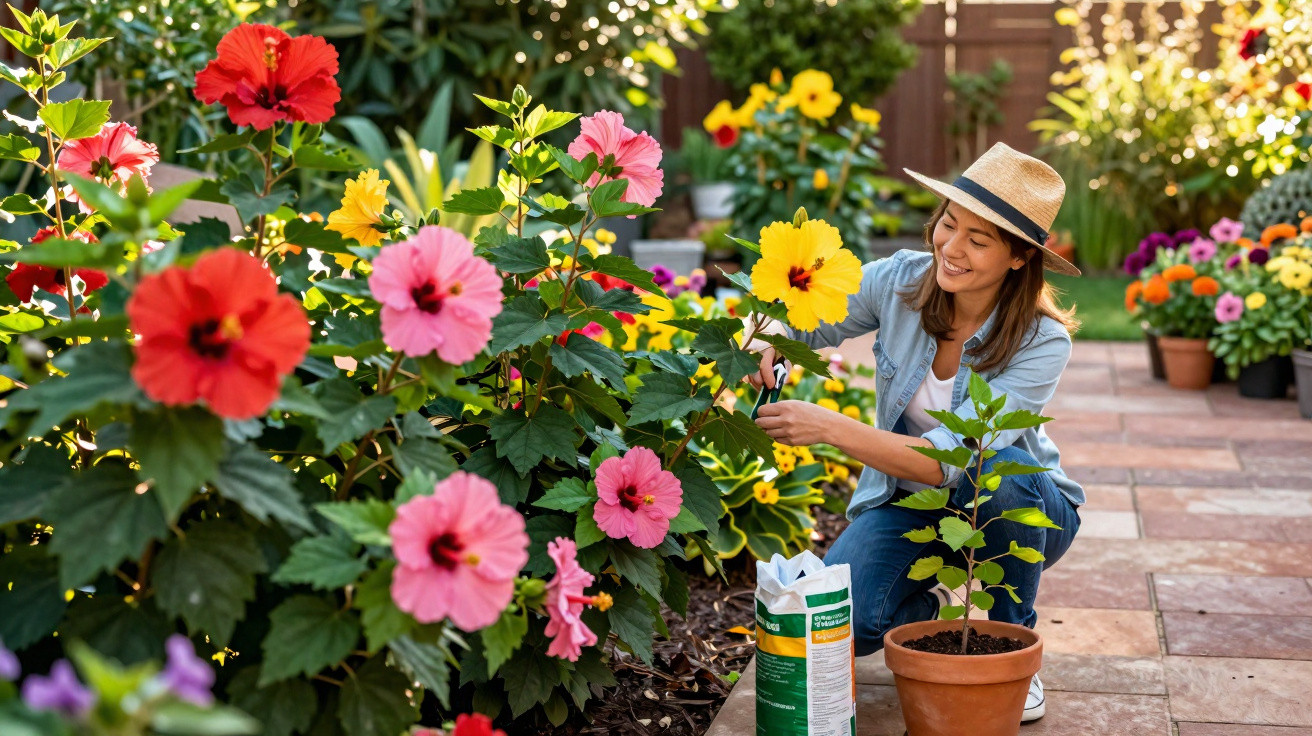
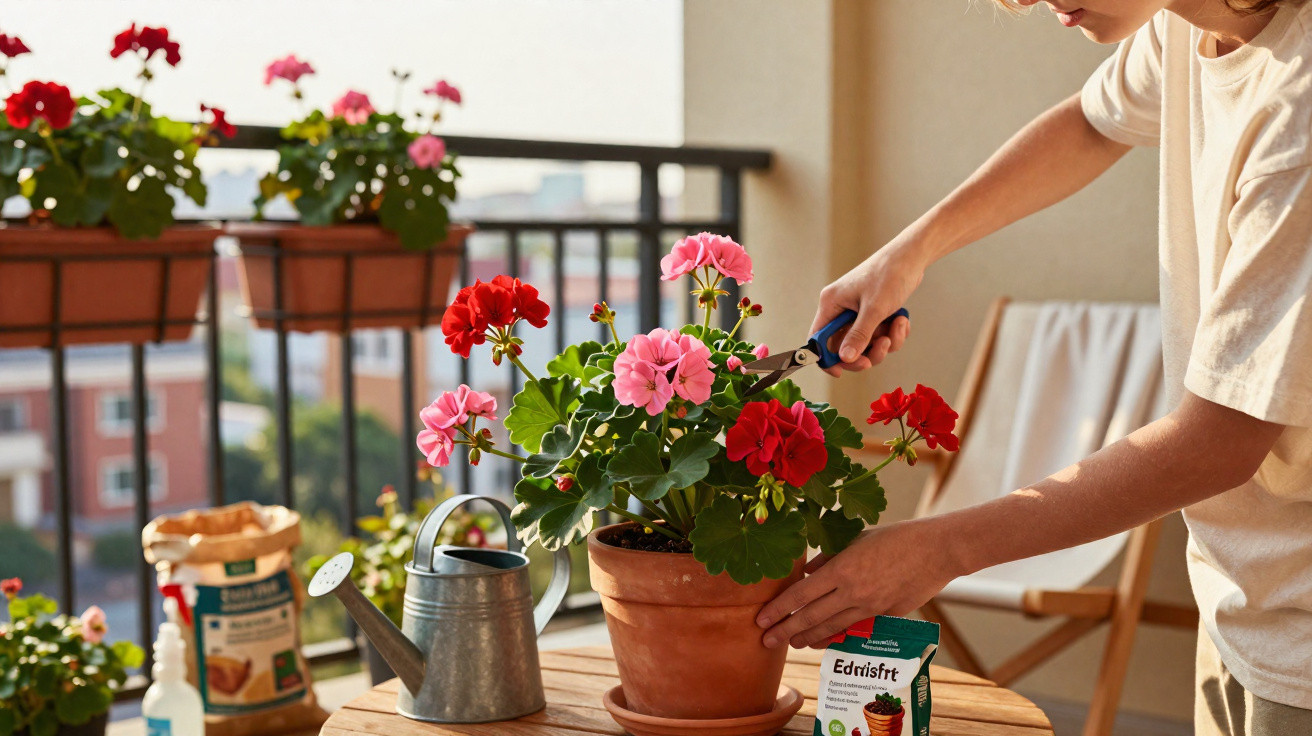
Although baking soda can complement certain routines, plant health mainly depends on solid growing practices. Fertile soil, appropriate watering, sufficient light and balanced feeding remain the most important factors for steady, healthy growth.
It is also a good idea to inspect plants regularly to spot pests, fungi or changes in the leaves early, so you can address issues before they get worse.
- Feed according to the needs of the species.
- Water without leaving the soil constantly waterlogged.
- Ensure pots have good drainage.
- Remove dry leaves and wilted flowers regularly.
- Watch for pests and fungi throughout the year.
Is it worth including baking soda in your garden care routine?
Baking soda for plants can be a useful complementary option in a few specific situations, especially when used in moderation alongside traditional gardening care. That said, it does not replace proper feeding, nor does it solve plant health problems on its own.
Used thoughtfully, baking soda can be part of the routine for anyone who enjoys growing plants in pots or in the garden. The key is to respect each species’ needs and focus on habits that promote balanced soil and healthy growth all year round.
Comments
No comments yet. Be the first to comment!
Leave a Comment