
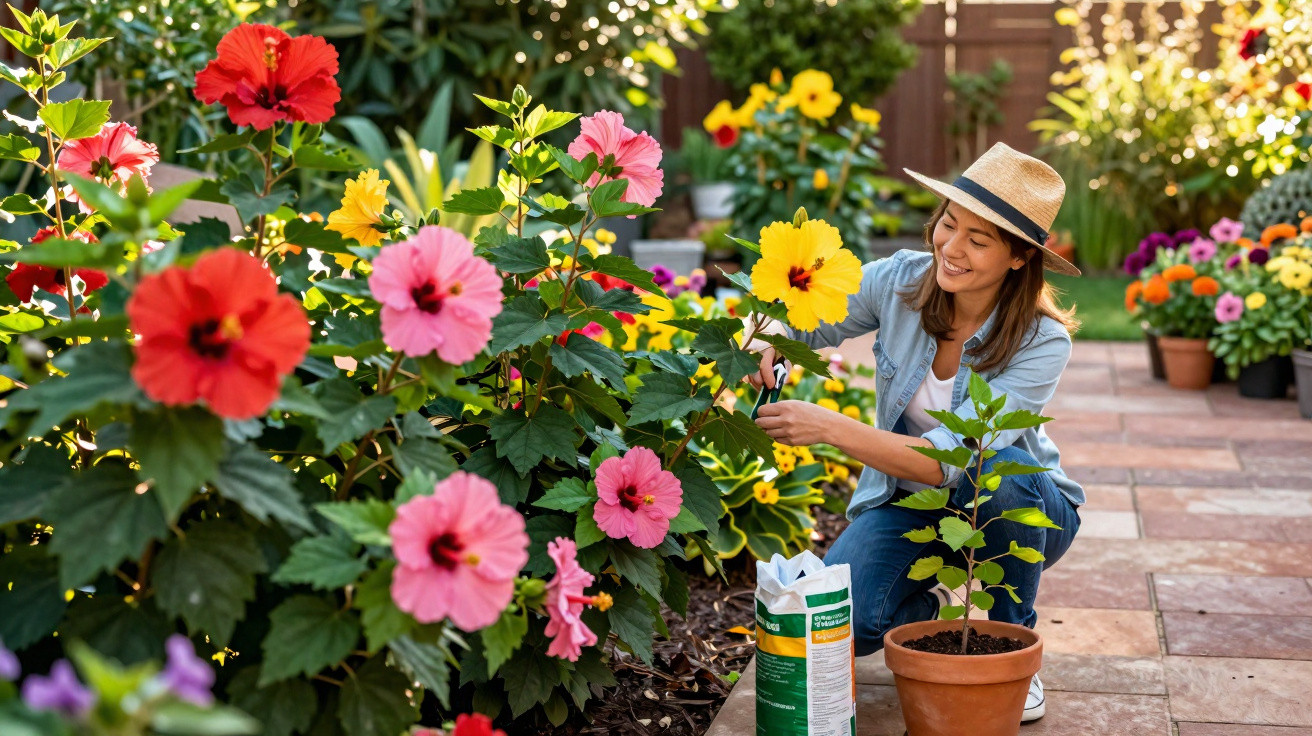
When people picture a garden in bloom throughout the year, sunflowers and daisies often come to mind. Yet there is a shrub that has been attracting increasing attention from landscape designers for keeping flowers coming almost continuously across the seasons: the hibiscus. With a wide range of colours, flower sizes and growing forms, it delivers a bold, consistent display-from small back gardens to larger plots-adapting well to different regions of Brazil.
Why is hibiscus considered one of the best flowering shrubs for year-round colour?
Hibiscus stands out for its long flowering cycle, with stronger flushes in warmer periods while still holding buds for much of the year in mild climates. It responds particularly well to regular pruning and soil that is kept steadily well fed, which encourages fresh, productive new shoots.
It is also highly flexible: you can train it as a small tree, shape it into a dense hedge, or grow it as a standalone focal point-either in large pots or in beds. The big blooms, whether single or double, appear in shades of red, pink, yellow, orange, white and bicolours, helping you achieve a colourful garden without relying on lots of different species.
Watch a video on the YouTube channel Fazendo em Casa about perennial shrubs with continuous flowering that are easy to care for, helping keep your garden colourful in every season:
https://www.youtube.com/watch?v=W-L57kQ8I-M
How do you choose the best spot and plant hibiscus safely?
If hibiscus is to perform as a true flowering shrub all year round, the planting position matters. This plant prefers full sun, with at least four to six hours of direct light each day; in too much shade it produces more leaves than flowers and loses much of its ornamental impact.
At planting time, a few straightforward precautions support strong root establishment and reduce future issues such as soil-borne disease and waterlogging. Here are the key points to check as you plant:
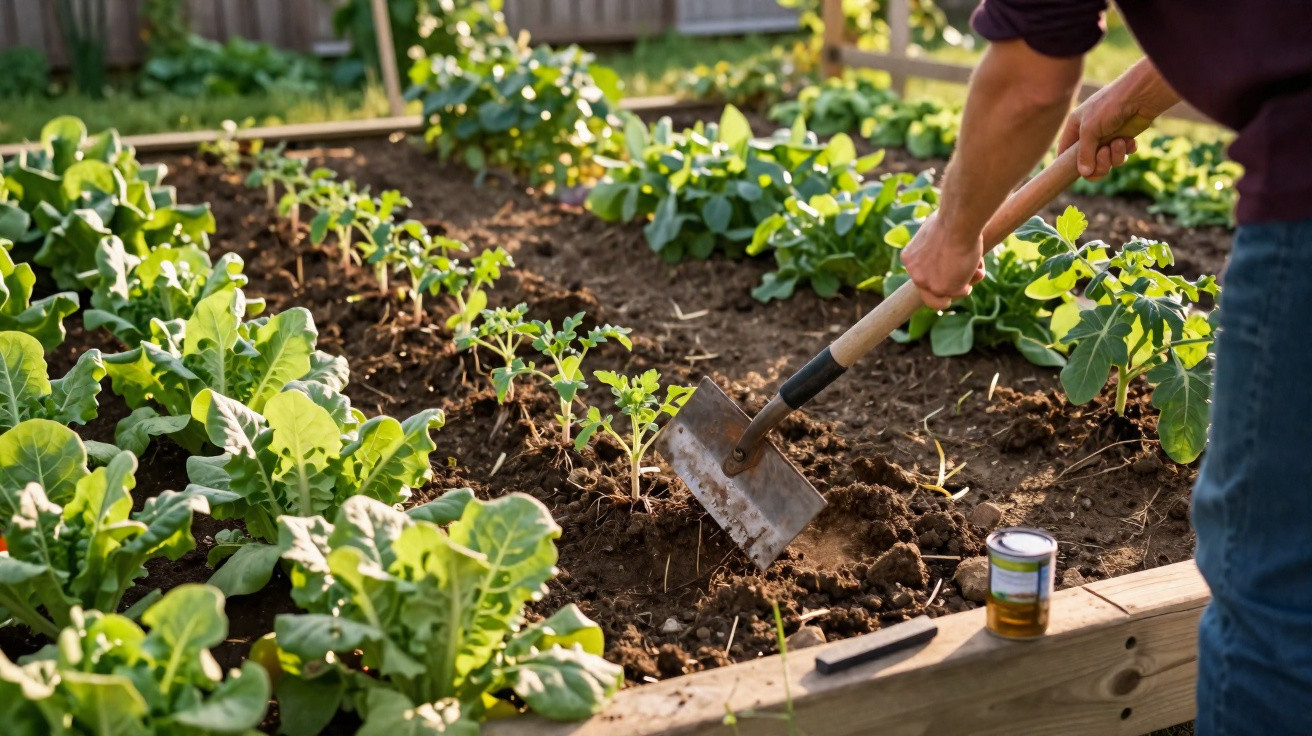
- Dig a planting hole larger than the root ball, giving roots room to spread.
- Combine the native soil with well-rotted organic compost to enrich and aerate the ground.
- Ensure good drainage, avoiding standing water that encourages fungal problems in the roots.
- Set the plant at the same depth it was growing in its original container.
After planting, regular watering during the first months helps the root system settle in. In very hot, dry areas, more frequent irrigation supports continued flowering; in humid locations, you can space watering out, while still avoiding letting the soil dry completely for long periods.
What pruning and feeding keep hibiscus flowering all year?
To keep hibiscus among the most impressive flowering shrubs, ongoing care makes the difference. The plant blooms mainly on new growth, so light, routine pruning refreshes the canopy and encourages the development of more buds.
Cleaning cuts remove dead or diseased branches, while formative pruning sets the shape-whether rounded, clipped into a hedge, or with a more exposed trunk. Alongside this, feeding with organic matter two to three times a year, plus moderate use of balanced fertilisers containing nitrogen, phosphorus and potassium, keeps the soil fertile and promotes repeated waves of flowers.
How can you pair hibiscus with other plants to create a high-impact garden?
While hibiscus can easily take centre stage, combining it with other plants can enhance the effect of a colourful garden all year round even further. Shrubs grown for striking foliage, such as crotons and dracaenas, provide contrast even when flowering is less showy, and low-growing flowering plants can fill out the front of beds.
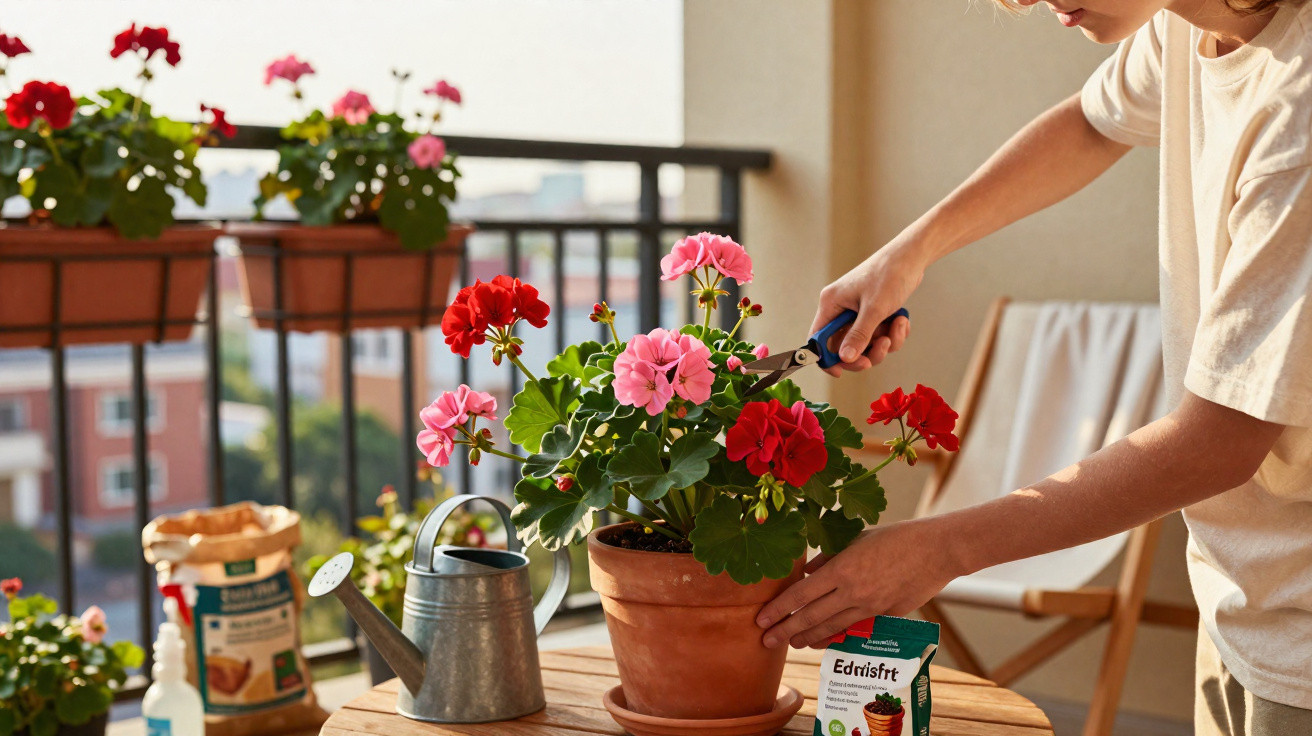
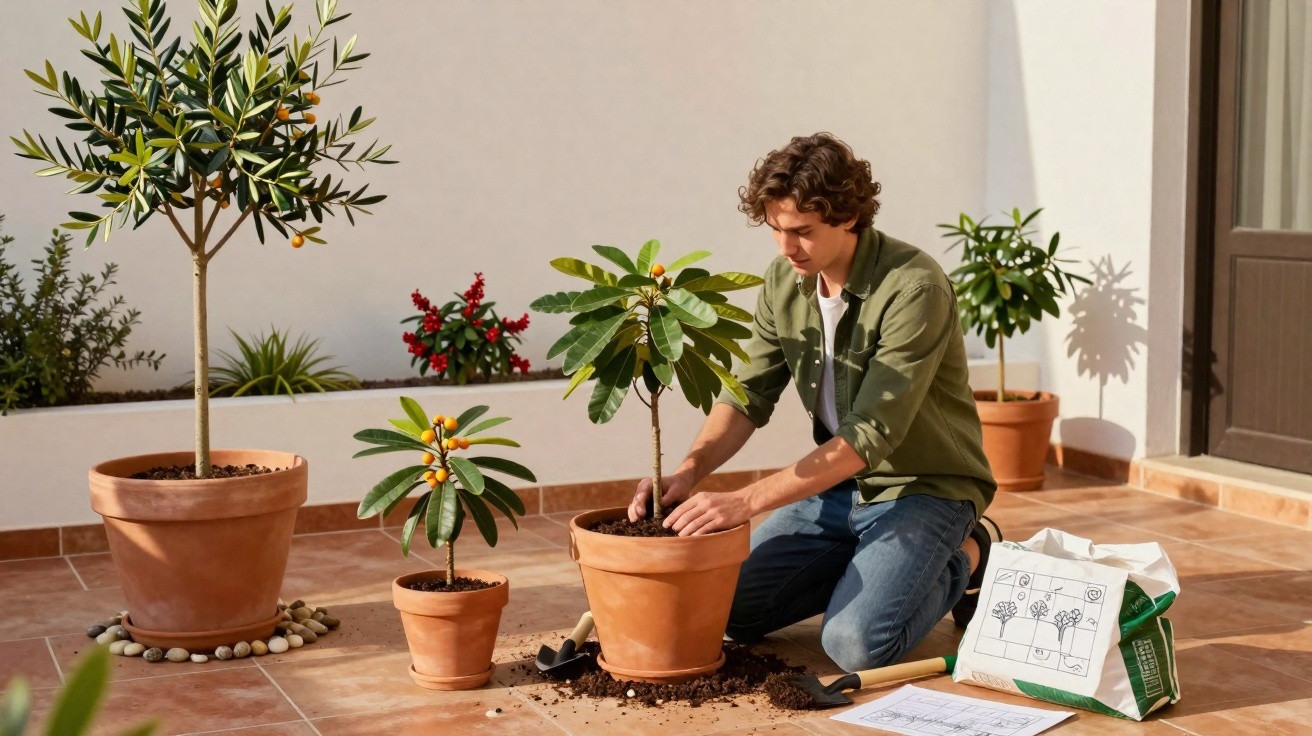
A useful practical point is that hibiscus adapts very well to large containers-ideal for balconies and smaller gardens. In pots, it is simpler to manage the soil, watering and feeding, helping the shrub keep its flowering look even in compact spaces. Alternating flower colours in rows, mixing in purple or variegated foliage, and adding species that peak at different times-such as lantanas and ixoras-can turn any outdoor area into a dynamic scene that stays visually engaging throughout the year.

Comments
No comments yet. Be the first to comment!
Leave a Comment