
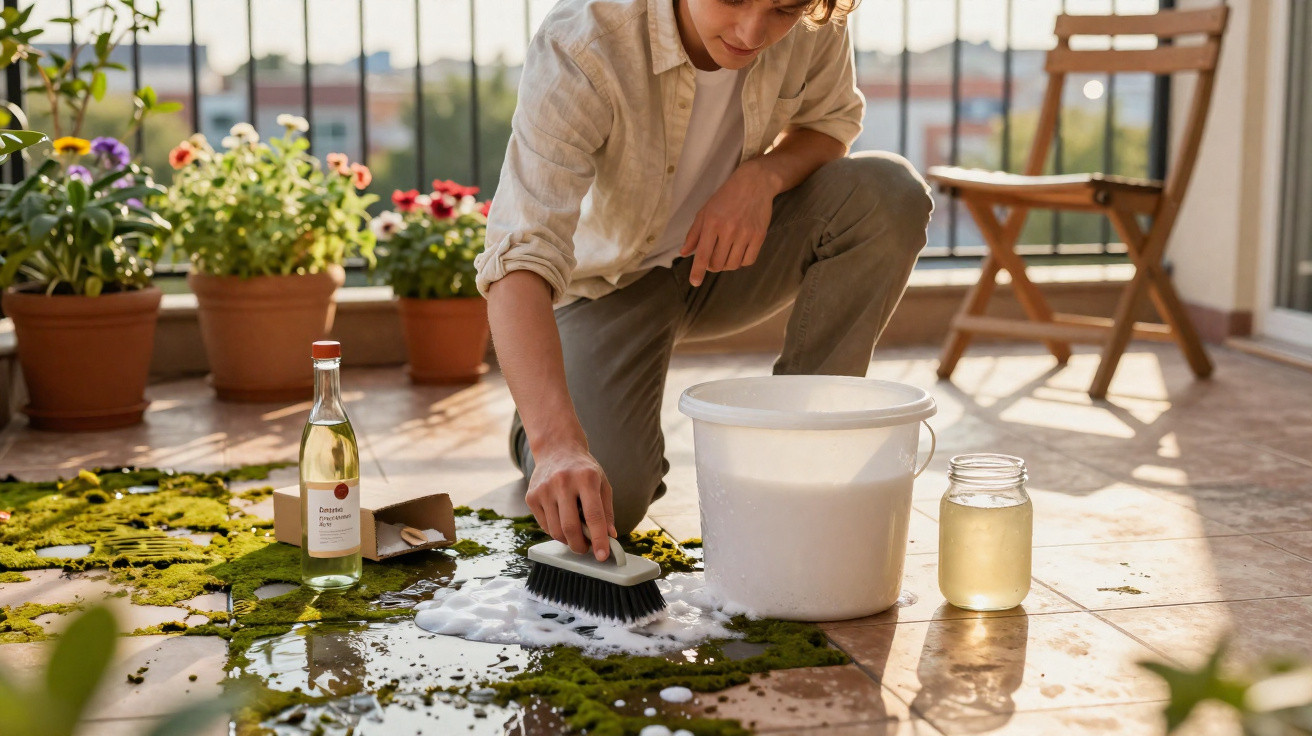
With a handful of straightforward home remedies, your terrace can look presentable again - without reaching for harsh chemicals.
The first step outside in spring often comes with a nasty surprise: dirty paving, green film, and slippery patches. Many people instinctively grab strong cleaners from the DIY shop. Yet most terraces can be cleaned using inexpensive cupboard staples - gentler on the surface, kinder to the environment, and easier on the wallet.
Why strong chemicals are rarely a good idea on a terrace
Using an ultra-strong cleaner can feel like the easiest route: pour it on, wait briefly, hose it off - done. The problem is that the real cost often shows up later in the joints, on the surface finish, and in the garden’s soil life.
- Chlorine-based products can bleach stone and make joints brittle and porous.
- Residues can wash away via drains into soil and groundwater.
- Nearby plants may suffer from splashes and fumes.
"In many cases, a combination of vinegar, bicarbonate of soda, a bit of elbow grease and regular upkeep is enough to keep the terrace clean long-term."
So instead of fighting grime each year with increasingly aggressive products, it is worth considering five natural alternatives that perform surprisingly well in everyday use and in tests.
Five natural remedies that make terraces look fresh again
1. White vinegar: the classic remedy for green deposits
Standard household vinegar is one of the most effective options against moss and light limescale marks. Its mild acidity helps break down organic deposits without attacking most types of stone.
How to use it:
- Mix vinegar and warm water in a 1:1 ratio.
- Apply the solution to affected areas using a watering can or spray bottle.
- Leave for 15–30 minutes; avoid using it in strong, direct sunlight.
- Scrub with a stiff brush.
- Rinse thoroughly with clean water.
If you have limestone or other delicate natural stone, test first in an inconspicuous spot to see how the material reacts. If the area turns dull or patchy, choose a different method.
2. Bicarbonate of soda (baking soda): help for stubborn moss
Once moss has really worked its way into the pores, vinegar often reaches its limits. That is where bicarbonate of soda comes into its own. Its gently abrasive action helps lift more persistent layers.
Typical approach:
- Sweep first to remove loose dirt.
- Sprinkle bicarbonate of soda generously over the damp areas.
- Work in a small amount of water to form a paste-like layer.
- Leave for 10–20 minutes.
- Scrub firmly with a scrubbing brush or stiff hand brush.
- Rinse with water; if needed, repeat for remaining deposits.
Concrete slabs and rough paving stones, in particular, can look noticeably brighter again this way. One key point: avoid going at it with metal brushes too aggressively, as they can leave visible scratches.
3. Soft soap: gentle care for regular spring cleaning
Where there is only light soiling, a mild cleaner is often enough. Liquid soft soap made from plant oils is a versatile choice.
Routine clean:
- Add two to three tablespoons of soft soap to a bucket of hot water.
- Scrub the whole area using a deck brush or stiff broom.
- Let it sit briefly, then rinse with clean water.
"If you clean your terrace once or twice a year with soft soap, you prevent moss from taking hold across large areas in the first place."
The same solution can also be used on wooden decking, but you should follow the manufacturer’s guidance more closely so the surface does not swell.
4. Potato water: the underrated household trick
What would normally go down the drain can turn into a springtime insider tip: the cooking water from potatoes. The starch it contains loosens algae film and fine dirt remarkably well.
Practical use:
- Boil potatoes without salt - important, as salt can damage stone and joints.
- Pour the hot water over the terrace straight after draining.
- Wait 10–15 minutes.
- Work over the area with a broom or scrubbing brush.
- Rinse with water so no sticky residue remains.
This method is best suited to smaller balconies or partial sections, as each pot only provides a limited volume of water.
5. Washing soda: a power cleaner for extreme cases
If years of build-up have left stubborn crusting and old layers of grime, mechanical scrubbing alone may no longer be enough. In those situations, many DIYers turn to washing soda (soda crystals).
Key precautions:
- Always wear gloves, as soda is strongly alkaline.
- Keep it away from sensitive plants as much as possible.
- Do not use it on polished natural stone or aluminium.
How to apply:
- Dissolve two to three tablespoons of soda in a bucket of hot water.
- Pour or apply the solution to heavily soiled areas.
- Leave for a few minutes, but do not allow it to dry on.
- Scrub thoroughly with a brush.
- Rinse generously with water.
Used at the right strength, washing soda cuts through greasy films, old dirt layers and dark marks - for example beneath plant pots or around barbecue spots.
How to stop moss coming back in the first place
The main causes of moss at a glance
Moss does not appear by chance. It thrives in conditions that develop naturally on many terraces:
- Shade cast by walls, trees or hedges
- Constantly damp areas where water does not drain well
- Leaves and fallen blossom left sitting for too long
- Porous stones with lots of small depressions
Keeping these factors in mind lets you address the root causes instead of scrubbing the same patches again every year.
Regular mini-maintenance saves a major slog
A few simple routines can make a noticeable difference to how your terrace looks:
- Do a quick sweep once a week - especially in autumn.
- Position planters so water can drain away.
- Prevent standing water by keeping drains clear.
- After heavy rain, use a squeegee to remove at least the worst puddles.
"If you treat your terrace like an extra living space and look after it regularly, you will need strong cleaners less often."
Many homeowners only really pay attention to the terrace in spring and summer. Over the colder months, dirt, leaves and pollen build up - an ideal feast for micro-organisms. A few minutes of weekly care can change that picture for good.
What pressure washers can really do
A pressure washer is often seen as the quickest fix, but it comes with downsides. Too much pressure blasts jointing material out, roughens stone surfaces and makes them more prone to future soiling. If you do use one, you should:
- lower the pressure and use a fan nozzle,
- keep at least 20–30 centimetres distance,
- avoid particularly sensitive natural stones.
In most cases, a mild cleaning solution combined with moderate pressure is entirely sufficient. A concentrated jet is usually excessive for terrace surfaces.
What else to consider for materials and the environment
Not every terrace material behaves the same way. Concrete, porcelain paving, brick pavers and natural stone all react differently to acids and alkalis. Before using vinegar, washing soda or bicarbonate of soda across a large area, it is always sensible to test first in a discreet spot. Discolouration, roughening or dull patches are clear warning signs.
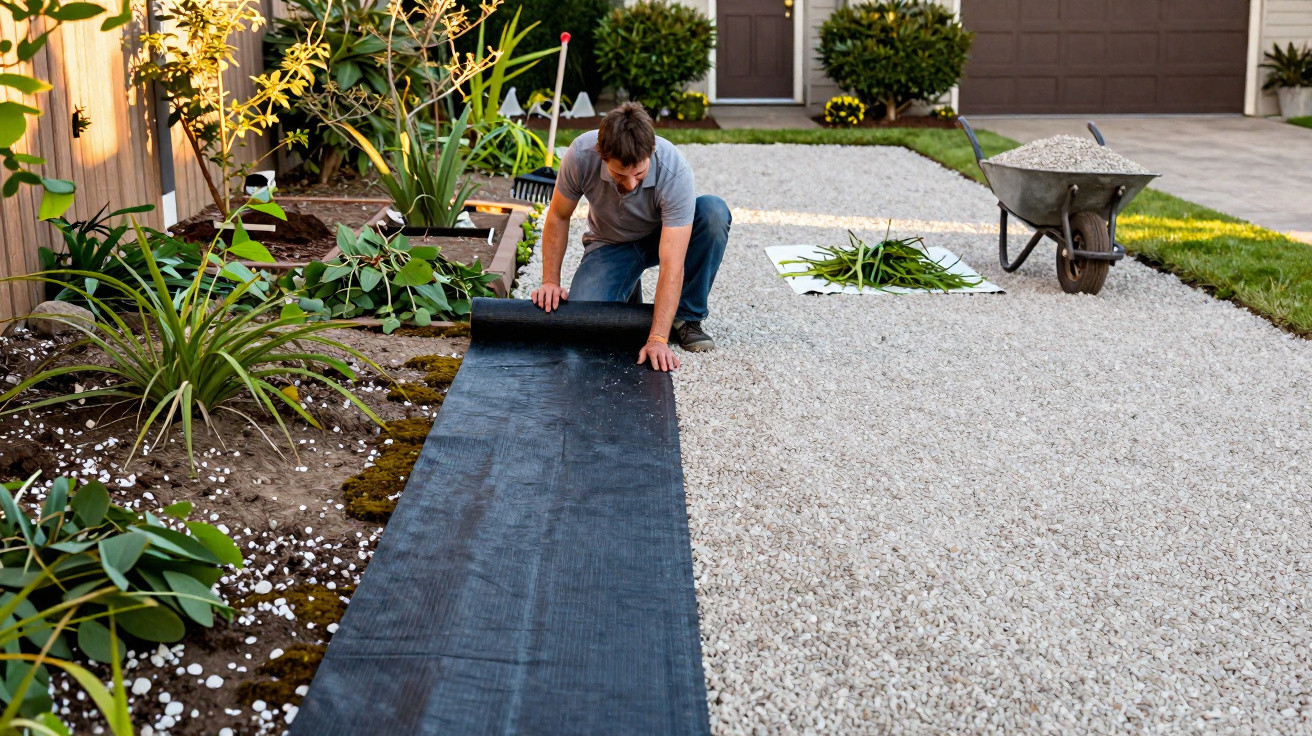
How the dirty water drains away also matters. Loosened deposits, soap residues and cleaning solutions should not run straight into a pond or planted bed. If you can, direct the water into a drain or spread it over gravel areas where it can soak away without putting fish or particularly delicate plants at risk.
There is another advantage for allergy sufferers and households with children: when used properly, the products described here avoid aggressive fumes and hazard symbols. Even so, take care with washing soda and highly concentrated vinegar - gloves and good ventilation are never a bad idea.
Cleaning your terrace thoughtfully in spring does more than save money and stress. The surface stays attractive for longer, becomes less slippery, and can be maintained in the years ahead with progressively milder methods. That way, the outdoor area really can feel like an extension of the living room - rather than an annual renovation job.


Comments
No comments yet. Be the first to comment!
Leave a Comment