
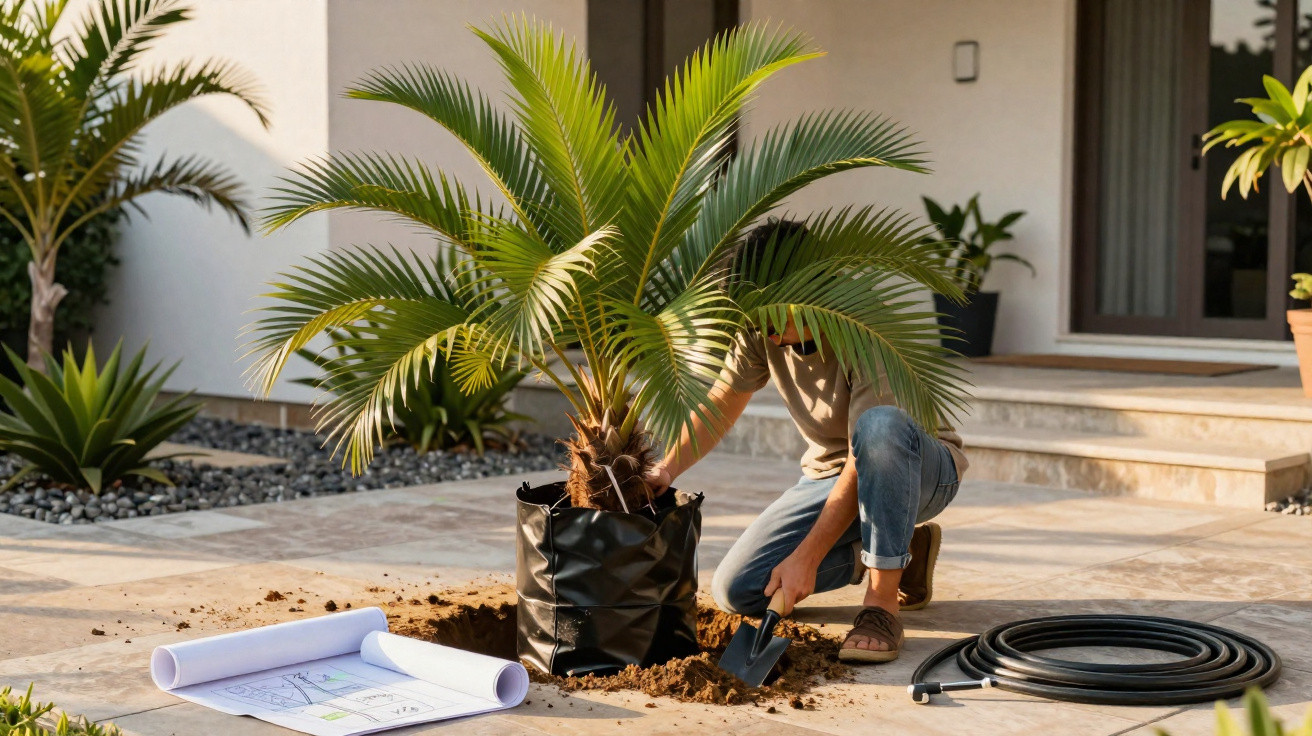
Chasing a lush look with minimal upkeep has put the palm tree firmly in the spotlight. This ornamental species elevates sunny back gardens and front driveways alike, delivering strong visual impact while coping extremely well with heat and creating very little day-to-day mess.
Why has the foxtail palm become a trend in residential landscaping?
Homeowners of contemporary properties have embraced this plant because it brings an elegant silhouette reminiscent of Brazil’s iconic imperial palms. The key benefit is its compact size, which makes it easy to use in smaller outdoor areas without compromising available space or the property’s architecture.
Another advantage is that it doesn’t shed foliage constantly, which greatly simplifies the cleaning routine for city dwellers. It has become a go-to choice for anyone who wants a garden that stays tidy and enhances kerb appeal, reducing the usual frustrations of maintenance while keeping a consistent sense of sophistication.
Why are palm trees in Australia kept away from white walls?
Being close to pale surfaces changes how the leaves receive heat, triggering a surprising response that completely affects the… Read more
What are the main characteristics of Wodyetia bifurcata in the garden?
Native to Australia, this species is impressively tough, which makes it straightforward to grow for almost anyone. Its fronds are made up of many leaflets grouped together, creating a distinctive feathery shape that closely resembles the fluffy tail of an elegant wild fox.
This exotic, refined appearance can reach a maximum height of 10 metres, making it a practical option for pavements and internal courtyards. It also copes well with strong winds without losing its natural poise, often becoming the centrepiece of your outdoor decoration.
Below is a video from the Spagnhol Plantas channel on YouTube explaining the main features of this plant and sharing practical tips:
How does this palm grow in dry gardens?
Its ability to cope with intense heat makes it an excellent choice for bright, sun-drenched spaces. It shows strong resistance during extended drought periods, needing only well-drained soil to keep its roots healthy and to grow with vigour.
Watering is important at the start, especially right after planting, but its water needs reduce significantly over time. This natural independence helps save precious water day to day, keeping landscaping looking green and appealing even in full sun.
Plant Survival Guide
Crucial elements
To ensure your foxtail palm develops perfectly, pay close attention to these three essentials:
- Strong light in full sun to enhance the beauty of the fronds;
- Sandy, well-drained soil that prevents excessive moisture build-up;
- Controlled watering that respects its high tolerance for prolonged dry spells.
What are the advantages of choosing large seedlings in grow bags?
Buying well-developed specimens grown in specialist containers can instantly transform the look of a residential property. This smart approach removes the long wait for natural growth and delivers immediate decorative impact within your new garden project.
Because the palms develop their roots inside these grow bags, they complete the full preparation process without structural damage. In practice, the roots are fully healed, which drastically reduces the risk of losses and protects the investment for the resident.
The main conveniences associated with choosing this type of established, bag-grown plant include:
- Easier logistics and transport of the specimens;
- Faster adaptation to the garden’s permanent soil;
- Removal of post-transplant stress for the palm.
How should you plan planting a foxtail palm in your outdoor area?
Proper planning means carefully assessing the available space and checking access conditions for delivery. Large, mature specimens may require mechanical cranes or lorry-mounted cranes for correct positioning and secure installation in the chosen location.
Selecting the exact spot in advance supports long-term landscaping success and adds value to the whole property. Following these straightforward guidelines will turn your outdoor area into an elegant, green retreat that stands up to the local climate with complete practicality.
Comments
No comments yet. Be the first to comment!
Leave a Comment