
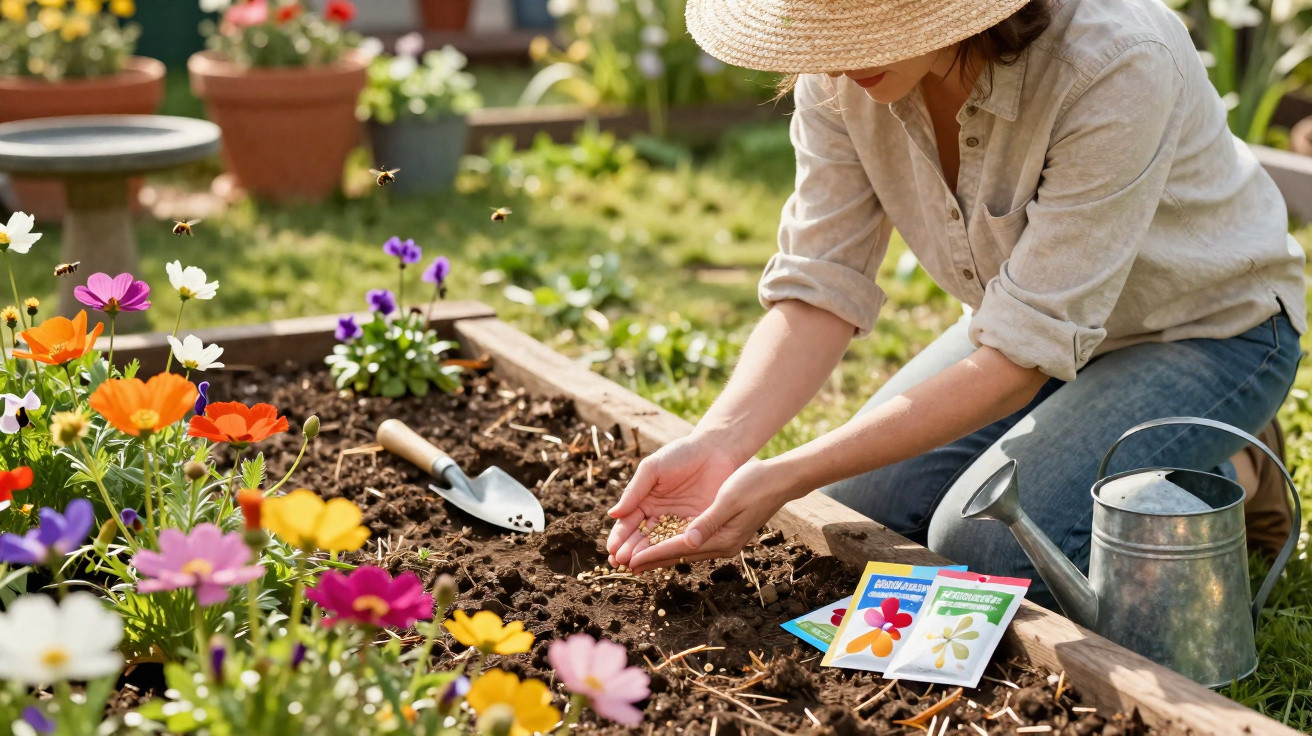
Early April, little time, big impact: with a few packets of seed, hobby gardeners can lay the foundations now for a summer packed with colour – and busy, buzzing bees.
The calendar may still say spring, but the soil is already shifting into summer mode. If you act quickly and sow a handful of tough annual flowers now, you can turn a balcony, flowerbed or front garden into a bright patchwork of blooms that draws bees and other pollinators in like a magnet. What matters most is timing, choosing the right varieties, and a few straightforward steps.
Why early April is a real insider tip
At the start of April, the ground warms up noticeably. Days stretch out and the sun climbs higher. For many annual flowers, that combination creates near-ideal conditions: seeds sprout faster, seedlings establish strongly, and the plants tend to cope better later on when the weather turns hot.
"Sowing in early April gives your flowers a head start – and gives you weeks more flowering time."
Even so, it pays to factor in your local conditions. In upland areas and colder regions, late frosts can still arrive well into May. In those places, more sensitive types are better started in pots or under simple protection such as a polytunnel or a mini greenhouse. In milder areas and lowland gardens, direct sowing into the bed usually works without any fuss.
Annual flowers that are especially worth sowing now
For a long, generous display that runs right into autumn, look for annuals that grow quickly, need little attention and offer plenty of nectar. A few options are almost part of the standard kit for a lively summer garden.
Colour fireworks: cosmos and zinnias
Cosmos (Cosmos) send up fine, elegant stems topped with airy-looking flowers in pink, white or vivid magenta. They bring a light, floating feel to borders and sway at the slightest breeze. Bees and butterflies drop by constantly.
Zinnias, by contrast, deliver pure colour power: red, orange, yellow, purple – almost anything goes. Their flowers last well, they make excellent cut blooms, and they are perfect for bold, high-impact beds that still look strong from a distance.
California poppy, calendula and nigella
California poppy glows in warm yellows and oranges. It has a slightly untamed, meadow-like character and is among the easiest garden flowers to grow. Once it has settled in, it often self-seeds too.
Calendula (pot marigold) is a sturdy all-rounder. It copes with cooler nights, flowers tirelessly, and is positively mobbed by beneficial insects. Many gardeners deliberately slot it in between vegetables as a kind of “garden health police”.
Nigella, also known as “love-in-a-mist”, looks delicate and almost translucent. The dainty flowers sit in a fine green ruff of foliage and add a romantic note that works just as well in borders as it does in bouquets.
Nasturtiums, sweet peas and classics for pots
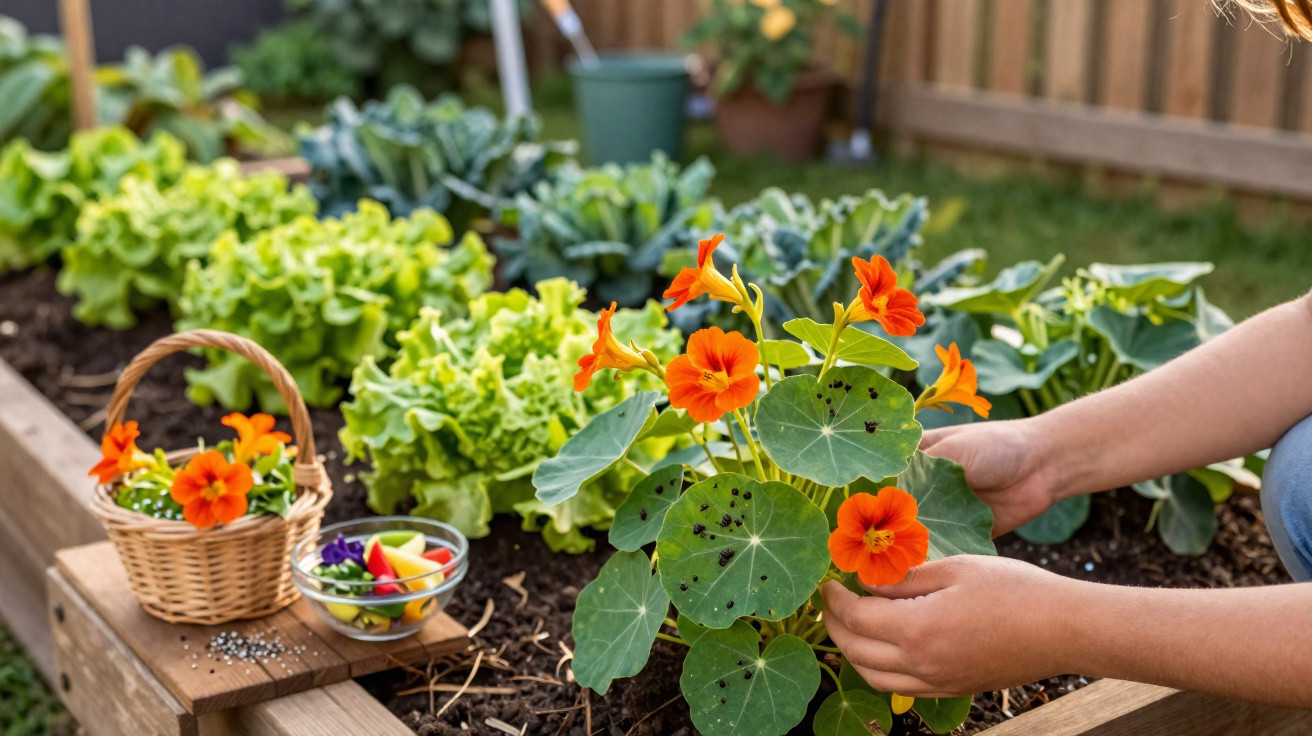
Nasturtiums are true multitaskers: they grow fast, spill attractively over the edges of boxes and pots, and can be used in salads. Their open flowers are genuine nectar bars for bumblebees and bees.
Sweet peas (Lathyrus) climb with slender tendrils up supports, fences or balcony railings and release an intense fragrance. If you cut them regularly, you will keep getting fresh stems for the vase.
For window boxes and containers, classics such as petunias or tagetes are also a good bet. They are considered tough, cope well with full sun, and reliably fill gaps in balcony planting.
Which flower goes where? Quick guidance for beds and balcony boxes
A rough plan for your space brings more movement and reduces ongoing work. Taller plants such as cosmos are better placed towards the back of a border, while shorter or trailing varieties suit the edges or containers.
| Flower | Recommended sowing | Spacing |
|---|---|---|
| Cosmos | Bed or pot, direct sowing or started under cover | 20–30 cm |
| Zinnias | Direct sowing in the bed | about 20 cm |
| Nasturtiums | Pot or bed, scatter loosely | around 30 cm |
| Calendula | Direct sowing | about 25 cm |
| Nigella | Direct sowing in the bed | 10–15 cm |
On a balcony, it’s worth combining trailing, mid-height and upright plants. That mix creates a lively overall look and can make even small spaces feel larger.
How to sow successfully: step-by-step
It starts with proper soil preparation. Clear away weeds, stones and old plant debris. Loosen the top layer with a rake or cultivator and work in a little well-rotted compost so seedlings can access nutrients straight away.
- Loosen and level the soil
- Make shallow drills or broadcast the seed
- Cover fine seed only with a very light dusting
- Press down gently so the seed has good contact with the soil
- Water with a fine spray, without washing the seed away
Fine seeds do not want to be buried deeply. In most cases, a light sprinkle of soil or sand is enough. Larger seeds, such as nasturtiums, can be set a little deeper.
If you prefer to start seedlings in small pots, place them somewhere bright and airy. Standing watered pots briefly in a tray of water often works better than watering from above: the roots draw up moisture actively, and the leaves stay dry.
Sowing outdoors or under cover? How to choose
The key factor is night-time temperature. If it is still frequently dropping below 5°C, sowing under cover really comes into its own. A windowsill, mini greenhouse or simple cold frame provides steady warmth that speeds up germination.
In milder areas, many annuals can go straight into the bed. That avoids extra steps later (such as pricking out) and means plants adapt from day one to wind and weather. For gardening beginners, direct sowing is often the least stressful option.
Everyday tricks that can save your flowers
Consistent but moderate watering is one of the most important habits. The soil should never dry out completely, but it should not sit sodden either. A thin mulch layer made from grass clippings or fine chippings helps retain moisture and suppresses weeds.
"A simple strip of horticultural fleece overnight can make the difference between full bloom and a total wipe-out when a cold snap is forecast."
When a cold night is predicted, a quick cover with horticultural fleece, an old bed sheet or even cardboard over vulnerable pots can help. Remove it early the next morning so heat does not build up underneath.
A bee magnet in your own garden: how to attract pollinators
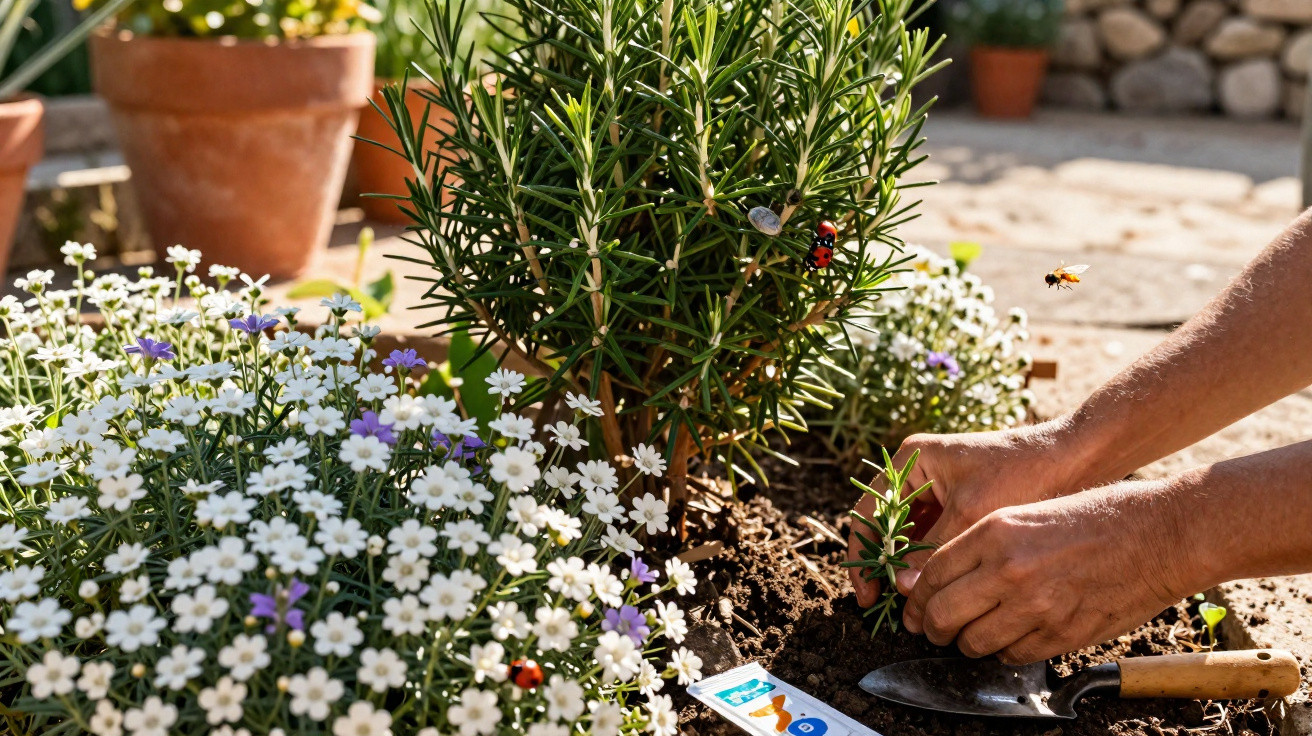
Annual flowering mixes can act like self-service buffets for solitary bees, honeybees and butterflies. Single, open flowers are especially valuable because insects can reach nectar and pollen easily.
If you regularly remove spent blooms, you encourage plants to keep producing new buds. That can extend flowering right up to the first frosts. At the same time, you maintain a steady supply of food for pollinators – good news for the garden and for biodiversity.
Practical extras: seed mixes, water stations and repeat sowing
Alongside individual varieties, dedicated bee mixes or summer-flower mixes are a convenient choice. They cover different flowering periods, add variety to the bed and save time choosing at the garden centre. If you leave a little space, you can also sow again in May and June to stretch the flowering season even further.
A small water source makes your garden more appealing too. A shallow dish with stones or gravel gives bees a safe place to land. That way they find not only food, but also somewhere to drink.
Early April does not last long. That is exactly why it is so useful: a couple of afternoons with seed packets, a watering can and a bit of patience can turn an unremarkable patch of soil into a lively summer garden – for you, and for plenty of grateful, buzzing visitors.
Comments
No comments yet. Be the first to comment!
Leave a Comment