
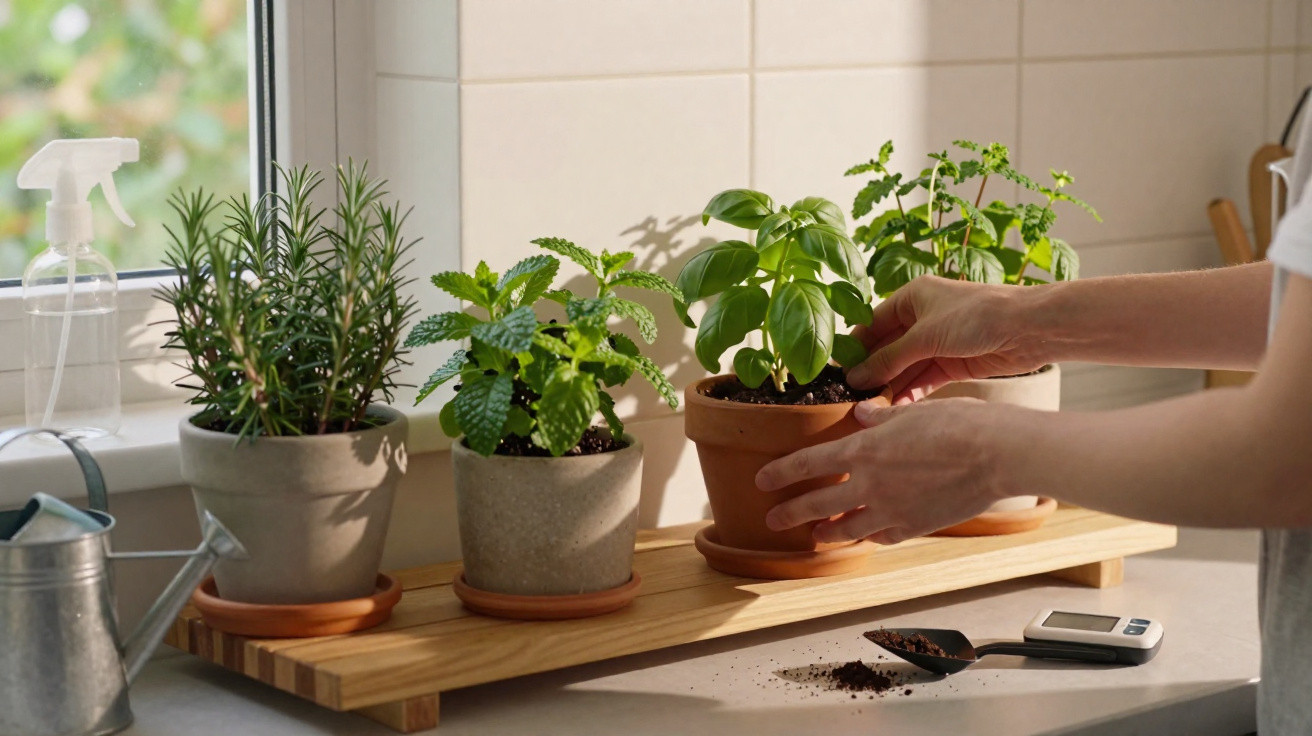
A herb corner can give new purpose to a shelf that’s been ignored, turning an empty spot into a compact growing area. Basil, mint and rosemary can sit near one another, but each herb has its own requirements for light, water and space-and that directly affects how well they do.
Why can a shelf work for organising herbs?
Using vertical space makes better use of walls, balconies and other small areas. By spreading pots across different levels, you can see the plants more clearly and reach each container more easily when watering, pruning and harvesting.
That said, the shelf must be able to cope with the weight of pots filled with damp compost. If you’re reusing an older shelf, check it carefully before you put anything on it-especially if there are signs of wear, damaged timber or loose fixings.
What detail should you check before placing the herbs?
Light levels are one of the most important considerations. Basil and rosemary, for instance, typically need strong exposure to light, while mint can cope with different conditions. So it isn’t enough to group all the pots together: where each plant sits should reflect what it needs.
Drainage also matters. Pots should have holes so excess water can escape, and a tray can help protect the shelf from drips and splashes. Try not to let water sit in containers, particularly indoors.
How do you set up a herb corner on a shelf?
Start by cleaning the shelf and making sure it’s stable. Next, arrange pots that suit the available space, leaving enough room between them so the plants receive light and you can care for them without hassle.
Place the herbs according to their preferences. Plants that need more light can go on the brightest levels, while herbs that tolerate a bit of shade can sit in less exposed positions. Labels with the plant names can also make day-to-day care simpler.
Who should adapt this herb corner, and in which situations?
In flats, kitchens and small balconies, the shelf’s position should take ventilation and light into account. If the spot gets little natural light, it may be better to choose herbs that cope with shade rather than trying to grow every herb in the same place.
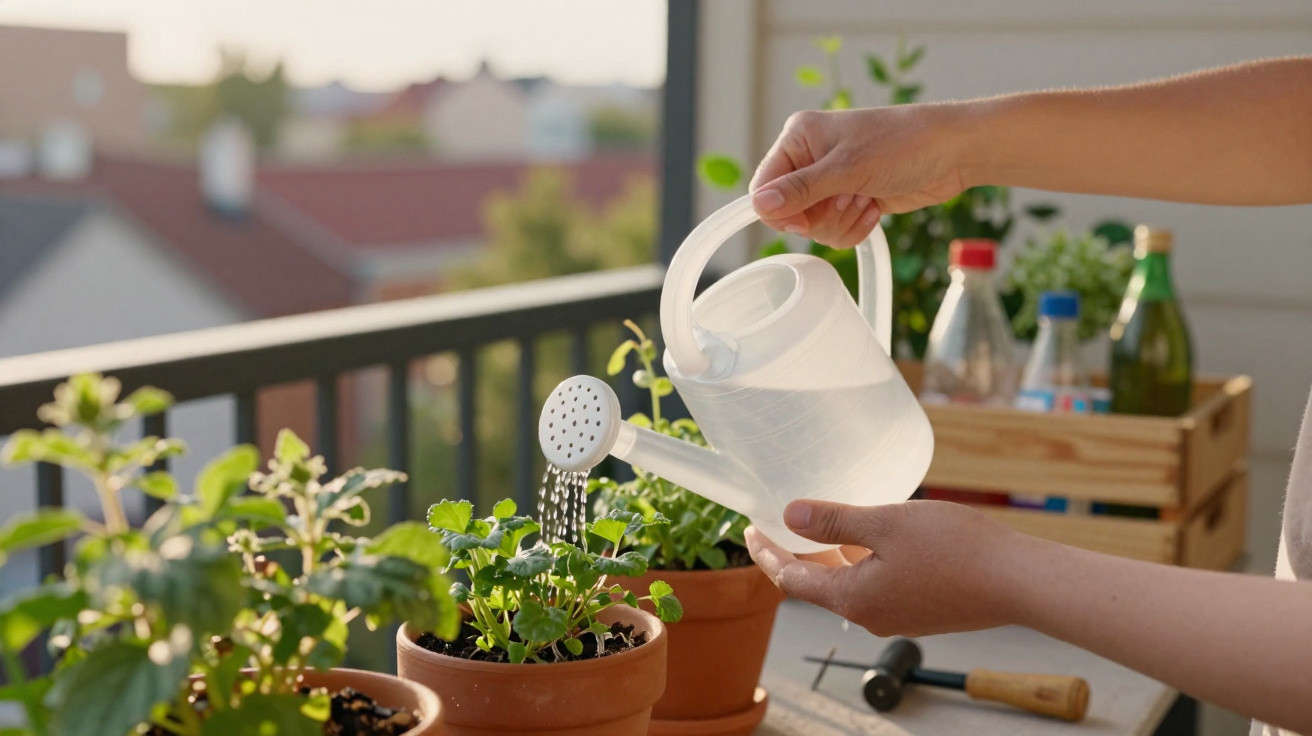
It’s also worth adjusting watering frequency to each species and the weather. Mint, for example, often likes more moisture than rosemary, which prefers a free-draining compost. A herb corner works best when the layout matches the characteristics of each plant.

Comments
No comments yet. Be the first to comment!
Leave a Comment