
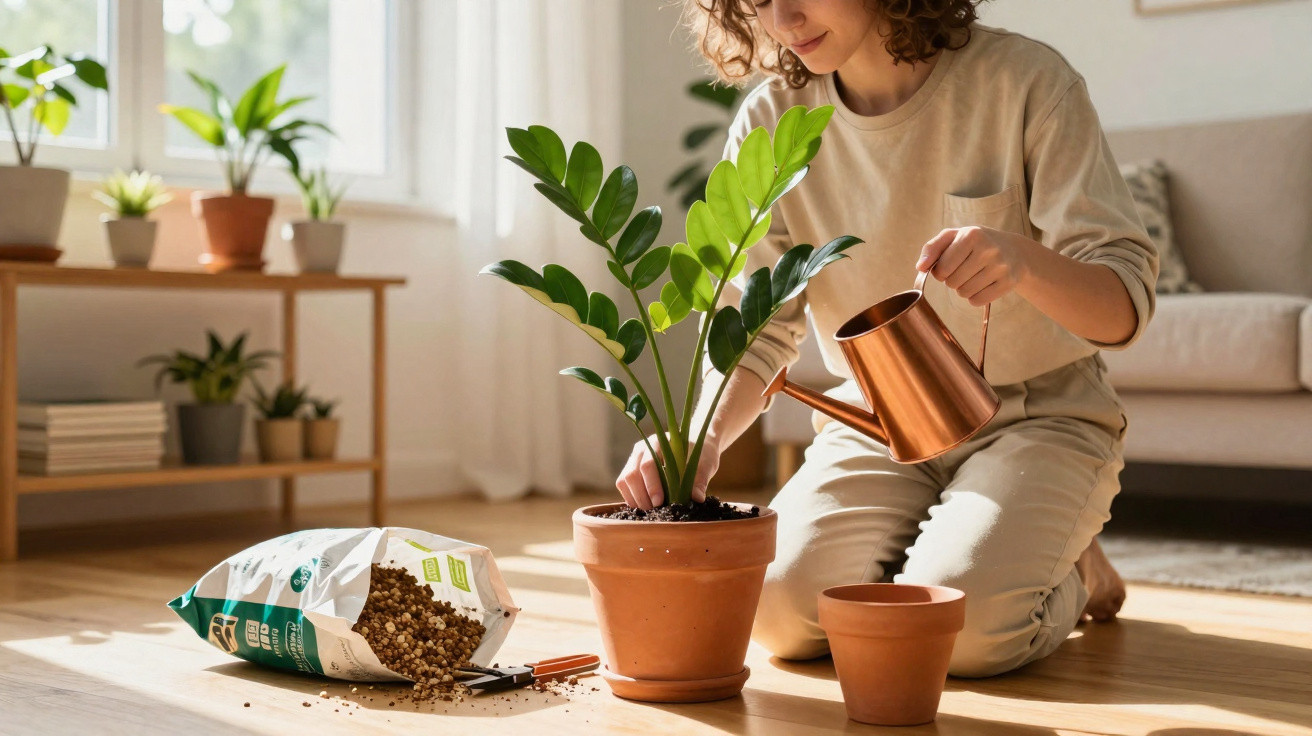
Growing zamioculca indoors can completely change the feel of a home, adding freshness and understated elegance to city spaces. This species stands out for how remarkably low-maintenance it is, making it a smart choice for decorating small living rooms and compact offices.
Why does zamioculca adapt so well to flats?
This plant is exceptionally resilient in less-than-ideal conditions, coping well with low light and watering that’s spaced out by long intervals. Its dense foliage, with a naturally glossy finish, gives a refined look while asking very little of busy, modern day-to-day care.
Indoor settings benefit from a sophisticated, long-lasting decorative option, because the species tolerates air conditioning and spots with partial shade. That flexibility makes it easy to fill empty corners with lush greenery that stays attractive throughout the year.
Which species works as a barrier against insects and perfumes the space?
There’s a wonderful plant that naturally keeps mosquitoes away while spreading an amazing fragrance across the balcony… Read more
How do you get the lighting and watering frequency right?
Keeping this plant in good condition mainly comes down to preventing excess moisture around the roots, as waterlogged conditions can lead to the underground system rotting. Only water once the potting mix is completely dry, and aim for steady indirect light.
Strong, direct sunlight can scorch the more sensitive leaves, spoiling the ornamental appearance and affecting the plant’s characteristic green colouring. Placing the pot near a window with a light curtain provides the brightness needed for balanced growth of new stems.
Below is a video from the Spagnhol Plantas channel on YouTube that explores the points covered in this topic in more detail:
What are the secrets of the potting mix and containers?
Choosing containers with effective drainage holes is essential to stop harmful water build-up at the bottom of the soil. Adding porous materials at the base of the pot helps water run through faster, ensuring proper aeration for the plant’s sensitive underground rhizomes.
A loose blend that’s rich in organic matter supports vigorous growth, allowing the structures to spread freely within the available space. This type of mix helps prevent the soil from compacting and keeps conditions ideal for absorbing essential nutrients.
Pot preparation
Essential components
- 1 Expanded clay pellets at the bottom of the container for drainage;
- 2 A geotextile membrane (Bidim) to separate the soil from the structural stones;
- 3 A light potting mix combined with coarse garden sand.
How can you encourage new shoots to appear quickly?
Sprouting can be noticeably sped up with a planned feeding routine focused on specific nutrients. Using fertilisers high in nitrogen during the warmer seasons boosts internal cellular activity, encouraging the emergence of attractive leafy stalks.
Keeping moisture steady without soaking the soil activates the energy reserves stored in the indoor plant’s potato-like underground structures. With the right handling, dormant buds are naturally stimulated, leading to continual foliage renewal with glossy new shoots.
Applying inputs correctly strengthens indoor growth through straightforward care based on the following factors:
- Opt for liquid fertilisers for faster absorption by the roots;
- Apply regularly during periods of active growth;
- Keep the soil at the ideal moisture level before fertilising.
What care helps prevent the plant’s most common diseases?
The biggest risk to this species’ long-term health is repeated overwatering, which yellows the leaves and weakens the overall structure. Watching for visual signs makes it easier to adjust watering habits before the plant’s roots suffer irreversible rot.
Regularly wiping the leaf surfaces with a damp cloth removes built-up dust, improving the plant’s ability to photosynthesise efficiently. This simple routine helps prevent opportunistic pests and maintains the ornamental strength of a plant so loved in homes.

Comments
No comments yet. Be the first to comment!
Leave a Comment