
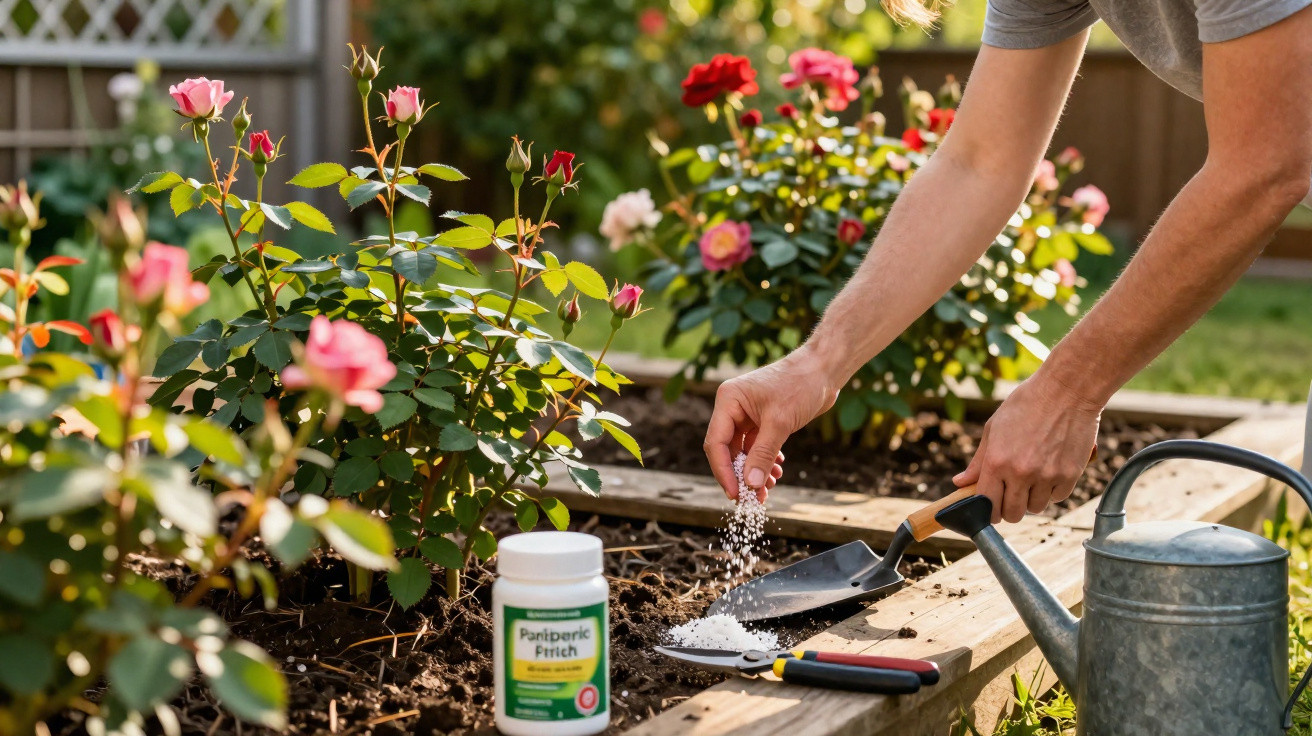
Many keen amateur gardeners prune enthusiastically, weed diligently and celebrate the first new shoots - yet skip the one job that most determines rose strength, health and flower abundance: feeding properly in April. Horticultural professionals warn that this is precisely when the season’s direction is set.
Why April becomes a make-or-break month for roses
In April, roses properly come back to life. Fresh shoots push through, new leaves unfurl, and the plant burns through the reserves it stored the previous year. After winter rain, a lot of nutrients have been washed out of the soil. In other words, the rose is already training hard - but it hasn’t refuelled.
Without a targeted nutrient boost, growth often turns weak. The plant produces thin, soft stems, smaller leaves and fewer buds. Instead of a long, generous flowering period, some shrubs manage only a brief, disappointing spell before running out of steam in mid-summer.
"If you feed your roses according to their needs in April, you set the course for strong shoots, sturdy flower stems and a second or third flush of blooms in summer."
Garden specialists stress that timing is almost more important than the exact product. If you feed too late, the plant has already passed through the energy bottleneck - and flowering becomes noticeably poorer.
Which nutrients roses genuinely need right now
Roses are among the hungriest ornamental shrubs. They need a balanced blend of major nutrients plus trace elements. Guesswork quickly leads to the wrong balance - or to over-fertilising.
The role of the major nutrients
- Nitrogen (N): drives strong shoots and rich foliage. Too much encourages soft growth that is more prone to disease.
- Phosphorus (P): supports bud and flower formation as well as healthy roots.
- Potassium (K): strengthens plant tissue and improves resilience to frost, drought and disease.
This is why dedicated rose fertiliser is formulated the way it is: typically moderate nitrogen, but enough phosphorus and potassium, plus trace elements such as iron, magnesium and manganese. A general-purpose fertiliser often doesn’t hit this mix accurately.
Granules or liquid feed - what makes sense in April?
For the start of the season in borders, most specialists recommend a slow-acting, granular rose fertiliser. Sprinkle it around the root area, work it in lightly, and water thoroughly.
Slow-release granules for an easier season
So-called long-term or “slow release” fertilisers break down gradually, releasing nutrients over several months. Applied once in spring, they can ideally keep working well into mid-summer.
- single application in early April
- steady supply, lower risk of scorch
- ideal for busy gardeners
Other granular fertilisers act more quickly but don’t last as long. In that case, professionals often give a second feed after the first big flush, usually in June. This supports repeat flowering and helps produce fresh buds into late summer.
Liquid fertiliser - a boost for container roses
Liquid rose fertilisers, sold as concentrated plant feeds, are mainly used for roses in pots. In containers, frequent watering washes nutrients out faster, so demand is higher.
- dose every 14 days during the main growth period
- fast uptake through the roots
- easy to fine-tune, but easy to get wrong if the amount is off
Many professionals use a combination: a dependable granular base in April, plus occasional low-dose liquid feeds for potted roses or plants that look weak.
How often you should actually fertilise
How frequently roses need nutrients depends heavily on soil type and position. Sandy soils are “hungry”, while heavier loams hold on to fertiliser for longer.
| Soil type | Recommended feeding per year |
|---|---|
| Sandy, very light | April + light feeds every 4–6 weeks until July |
| Loamy, medium weight | April + once after the first flush |
| Very nutrient-rich / compost-rich soil | April, smaller amount, then observe |
In the UK, you should stop mineral feeding by mid-July at the latest. Late, soft new growth won’t harden properly and is more vulnerable to frost damage.
"Stop feeding in mid-summer so that new shoots can lignify in time and come through winter without damage."
Common mistakes when feeding roses - and how to avoid them
A surprising amount of rose damage is down to incorrect feeding rather than the weather. Three issues come up again and again.
1. Over-fertilising with the best intentions
“More is better” does not apply to roses. Over-strong concentrations scorch roots; leaf edges turn brown, and foliage can look glassy or blotchy. In severe cases, the shrub can die.
- always follow the dosage on the packaging
- in dry conditions, water well first, then feed
- never pile granules directly against the stem
2. Feeding at the wrong time
Applying fertiliser during heatwaves or right before frost puts the plant under extra strain. Under drought stress it cannot take up nutrients properly, and salts build up in the soil.
The safest option is a cloudy day or early evening. After application, always water generously so the granules dissolve and move into the root zone.
3. Feeding the surface while the root zone starves
Roses that have sat in the same spot for years gradually deplete the soil. If you only scatter a little fertiliser on the surface, the effect is often short-lived. Improving the whole root area is more sustainable.
Professionals loosen the soil carefully around the shrub and work in mature compost or well-rotted farmyard manure. That provides nutrients and also improves soil structure.
How to tell whether your rose is properly nourished
Roses are very clear in the way they grow. If you check your plants regularly, you can quickly see whether nutrition is on track.
- Well-fed roses: strong, smooth shoots; deep-green leaves; firm buds; sturdy stems.
- Nutrient deficiency: yellowish leaves; short shoots; few buds; early leaf discolouration already in early summer.
- Overfeeding: extremely long, soft growth; fewer blooms; heavy leaf production; greater susceptibility to powdery mildew.
If you’re unsure, start by reducing the amount of fertiliser and support the plant with organic matter such as compost mulch. It works more slowly, but it improves soil life and helps build a healthier root system over time.
How pruning, fertiliser and position affect each other
Even the best fertiliser won’t do much if pruning and position are out of balance. Hard-pruned roses need more energy to rebuild strongly from the base. Lightly pruned shrubs usually manage well with a more modest feed.
A rose in full sun and sheltered from wind will set plenty of buds and therefore needs more energy. In partial shade, growth is slower; feeding too generously there can simply produce soft foliage that is more disease-prone.
"Always treat April feeding as part of a package with pruning, soil and position - then roses can reach their full potential."
Practical add-ons: mulching, watering, soil care
Nutrients alone don’t make roses the queens of the garden. Three additional steps noticeably enhance an April feed:
- Mulch layer: a thin layer of compost or well-rotted bark mulch helps retain moisture and steadily supports soil life.
- Watering correctly: water less often but deeply, so roots grow down and can access nutrients.
- Loosening the soil: gently break up a crusted surface with a rake so air can reach the roots.
When these points are combined with a thoughtful April feeding routine, roses usually perform on a completely different level in summer - with fuller clusters of flowers, stronger shoots and a clearly longer blooming period.




Comments
No comments yet. Be the first to comment!
Leave a Comment