
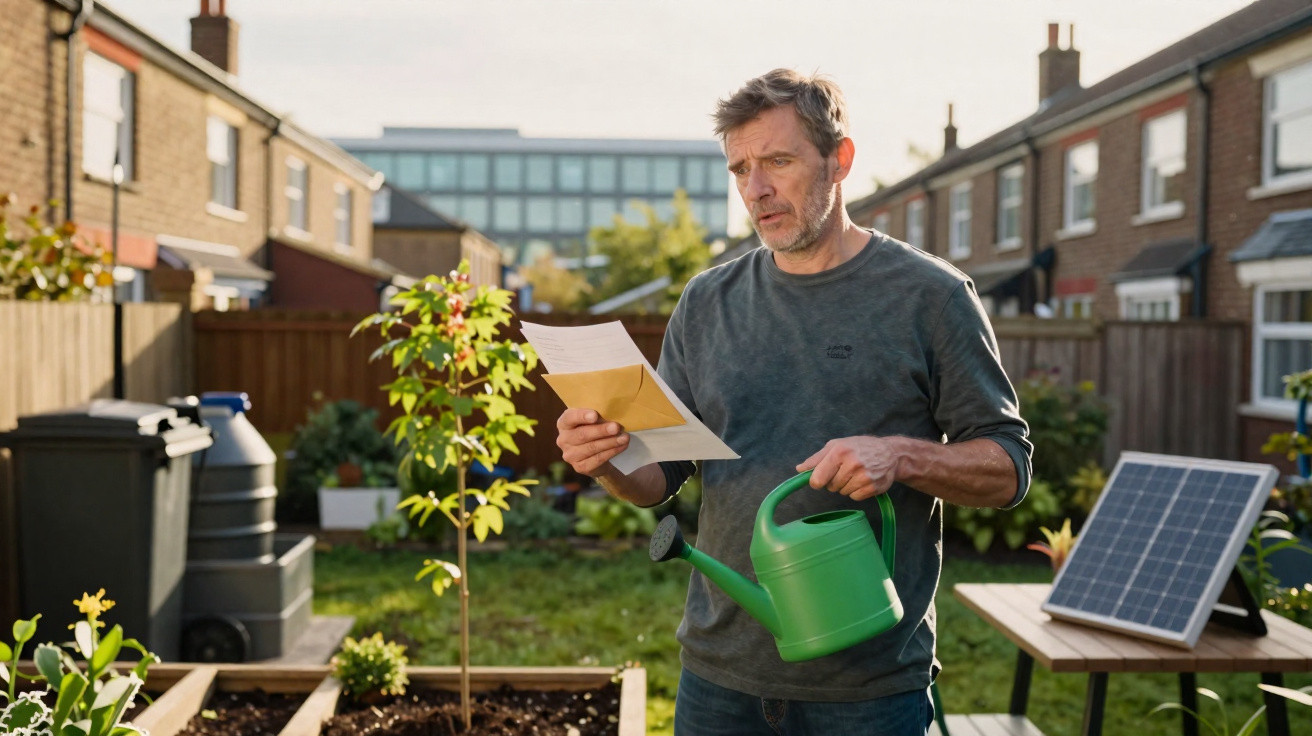
In a sleepy cul-de-sac in suburban Surrey, a man in mud-splashed trainers stands glaring at his lawn as though it has betrayed him.
Moments earlier he opened an email from the council: a consultation on a “domestic green infrastructure levy” - in plain terms, a proposed new charge on private gardens and outdoor space to help pay for local climate work.
The dog is still tearing about the grass. The roses are still out. Yet all at once, that small rectangle of green feels political, pricey, and faintly accusatory.
His first reaction has nothing to do with carbon or biodiversity. It is simply: “You’re going to tax my garden now?”
That flash of disbelief is catching on.
When your garden becomes a budget line
In different parts of England, a small number of councils are discreetly testing the same concept: a modest yearly payment from homeowners, tied to the size - or the perceived “impact” - of their gardens.
On paper, the case is neat. Lawns and paved patios can worsen runoff, create heat islands, and reduce habitat; revenue would then be channelled into tree planting, flood protection, and insulation grants.
Online, though, nothing looks neat. Screenshots of consultation papers and briefing notes are bouncing through local Facebook groups and WhatsApp threads, presented as a “green tax on private life”. The phrase hits hard.
In one Midlands town, a draft plan escaped before councillors had even agreed to consult. Within hours, someone had made a spoof image of a council worker holding a tape measure on a lawn, and the hashtag #GardenTax began trending locally.
At a rushed public meeting in a chilly community hall, residents lined up to speak. A retired nurse in a floral dress held up her council tax demand and snapped, “We planted this garden ourselves. We water it. We mow it. Now you want to rent it back to us every year?”
Applause rattled the windows.
On the stage, the councillors looked as though they wished they were anywhere else.
Under the noise, there is a genuine policy dilemma. Councils are facing severe financial strain, squeezed between surging social care demand and legally binding climate targets. Central government grants have fallen; borrowing is a gamble; and nobody wants council tax to rise.
So officials are edging into what they call “innovative revenue streams”, linking income to carbon, land use, and water management. A levy on big paved driveways, vast lawns that guzzle water, or properties that refuse to add any greenery at all - these ideas are now being discussed, particularly in places prone to flooding or urban overheating.
The collision is easy to see: climate logic running straight into emotional attachment to private space.
The thin green line between incentive and punishment
Once you put the slogans to one side, the practical issue is straightforward: how do you steer people towards greener gardens without making them feel penalised inside their own homes?
One approach some councils are quietly considering leans more towards carrot than stick.
Rather than a universal charge, households might receive small rebates for specific measures: planting native hedges, swapping paving for permeable surfaces, creating a rain garden, or putting in a small pond. The “levy” would only really hurt if you kept your outdoor space as a hard, heat-storing, flood-worsening slab. The intention is to turn the story around so a greener garden feels like a saving, not a punishment.
In practice, plenty of people are already following this logic without waiting for the town hall.
In Leeds, a pilot mapped streets where heavy downpours regularly turned roads into rivers. Volunteers knocked on doors with photos of previous floods and simple offers: free water butts, vouchers for native plants, and help to break up old concrete.
One household that had paved over its entire front garden to park two cars agreed to give up half the area for planting. Six months on, their water bill had dropped, the house stayed cooler during the heatwave, and neighbours started copying the change. Nobody called it a “green tax”. They just said, “The street doesn’t smell like a drain when it rains anymore.”
Much of the anger now circling the phrase “green tax on gardens” is about trust as much as it is about money. People already feel pressured from all sides: energy bills climbing, food costs rising, rents and mortgages tightening. Then a policy arrives that touches something personal - the space where you hang washing, grow tomatoes, or drink a tired glass of wine at the end of the day.
And let’s be honest: no one reads a 60-page impact assessment at breakfast. What people notice is the tone.
If councils sell this as a clever fiscal mechanism, it will backfire. If they present it as a partnership - “We’ll help you cut costs and protect your street if you help us green this town” - it begins to sound like shared resilience rather than state intrusion.
How to turn outrage into practical climate action at home
If your council starts talking about garden levies, the immediate temptation is to rage-click and send an angry email.
There is another option. Use the moment to strengthen your own patch into a small climate buffer, before any policy has teeth.
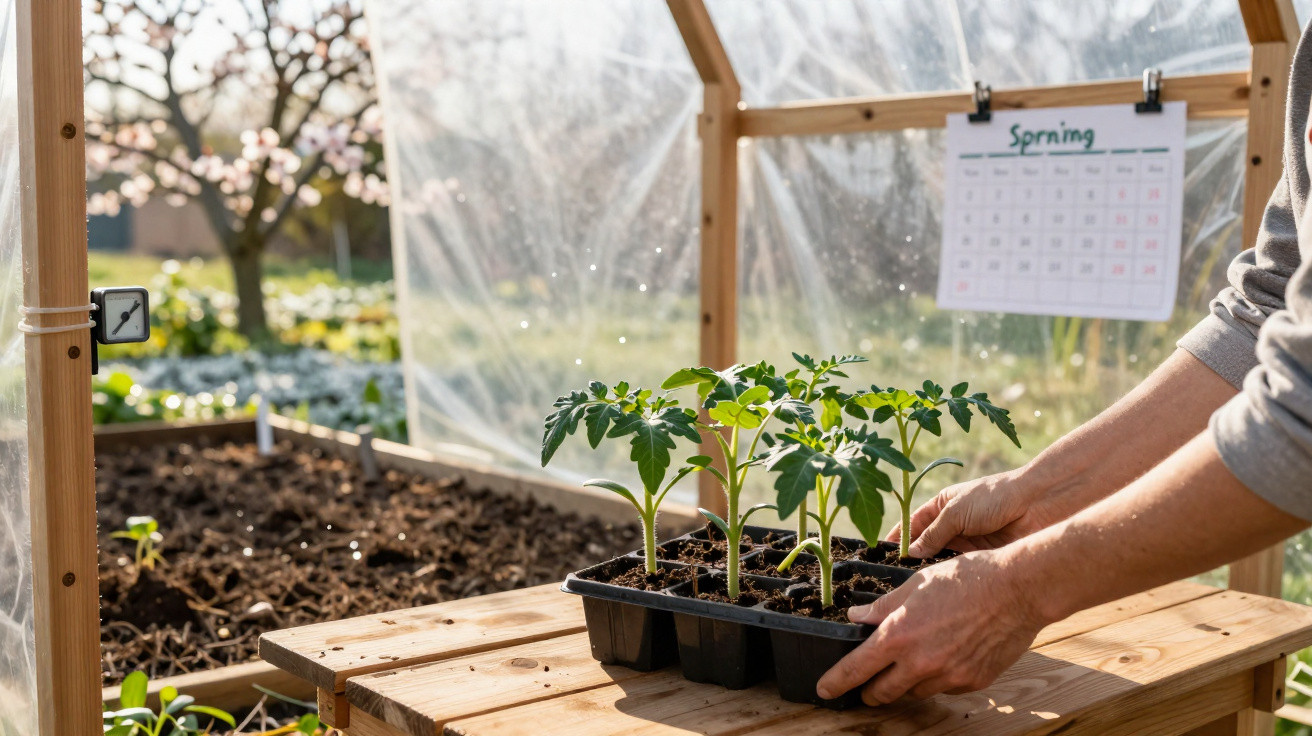
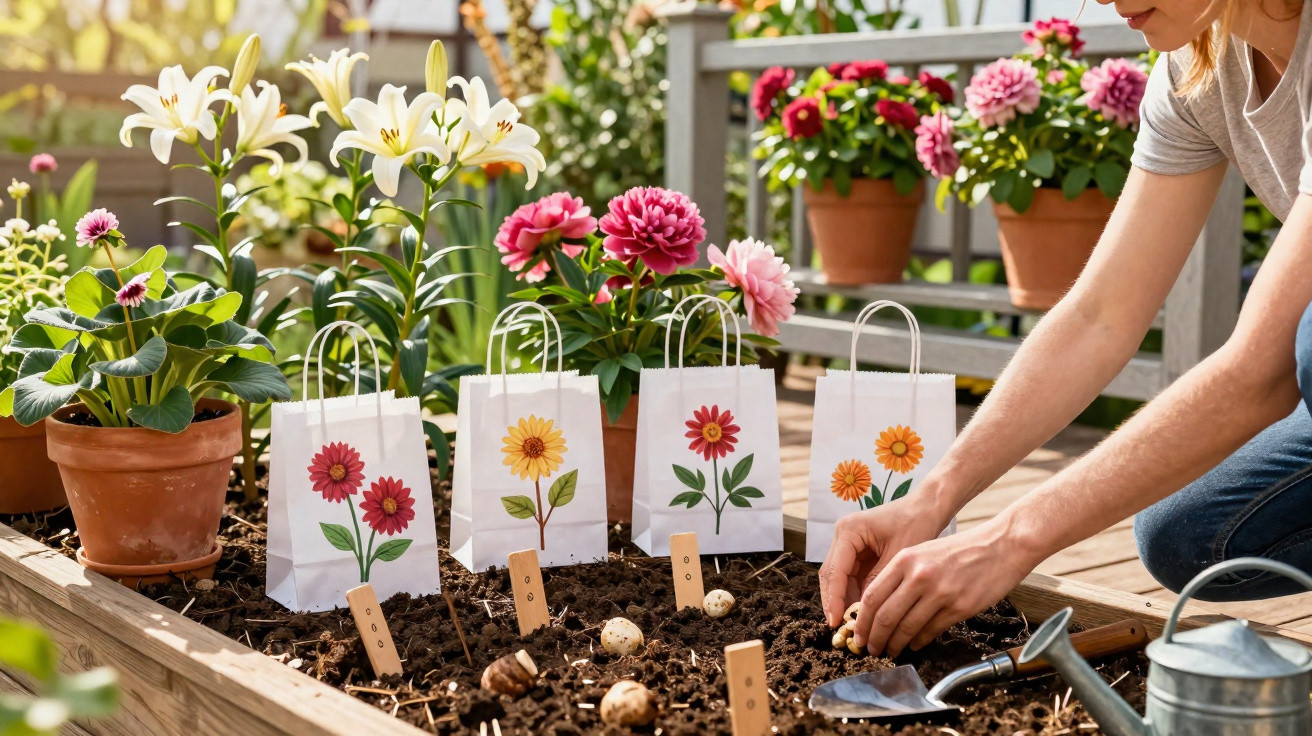
Begin with the simplest gains. Replace a strip of lawn or paving with drought-tolerant planting. Put in a hedge where a bare fence currently bakes in the sun. Fit a water butt to a downpipe and direct some rainfall into a small rain-garden bed. These small moves help absorb water, lower local temperatures and give wildlife somewhere to live - exactly the things councils are trying to fund at scale.
The worst dead end is thinking: “If they’re going to tax it, why bother?” That all-or-nothing mindset leaves everyone stuck - your charge will not fall and your street will still flood.
A more realistic route is to protect your own interests first, then argue about the politics.
Find out what help is already available: many councils and water companies already provide subsidised butts, compost bins or tree-planting schemes. You can also share effort with neighbours, swapping seeds and labour rather than spending more money. We all know that moment when a garden job feels impossible until someone turns up with a spare spade and a flask of tea. Building that kind of micro-community is, in itself, a quiet refusal to feel both taxed and isolated.
One Bristol resident told a scrutiny committee, “If you come to my door with a fine, I’ll slam it.
If you come with plants, tools and honest numbers about flood risk on my street, I’ll listen.
I’m not against climate action. I’m against being treated like a problem to be priced.”
- Start gathering information early: read the consultation, note the proposed rates, and check if your type of garden is really in the crosshairs or just a headline-friendly example.
- Channel your anger into questions: ask councillors what support will sit alongside any levy, and what exemptions or rebates they’re considering for low-income households and carers.
- Show your working: take photos of any steps you’ve already taken – rain barrels, trees, pollinator beds – and send them with your response so you’re seen as a partner, not a passive payer.
- Think street, not just fence line: talk to neighbours, especially those at the bottom of the hill or near drains, about what kind of green changes would genuinely protect them.
- Push for fairness: argue that big commercial car parks and speculative developments should face at least the same level of “green” charges as someone’s tiny back garden.
What this fight over “green tax” really says about us
If you remove the headlines and the memes, the argument about charging for private gardens reveals something more awkward.
We say we want climate action, yet recoil when it crosses our own front step. We cheer on rewilding on television, then grumble when a neighbour lets their grass grow long.
Meanwhile, councils are trying to plug climate gaps with empty pockets, leaning on the one area where they still hold some power: local land and local rules. That friction is not going anywhere. Each flood, each browned-off lawn, and each sticky summer night when sleep feels impossible will push it into sharper focus.
So the question is not only “Should gardens be taxed?” It is also: “Who pays for the shift to a liveable town, and who gets to decide how?” If that feels exposed, it is because it brushes up against property, class, memory - and the sense that home is the last safe place.
Perhaps the only durable route through is untidier: more chats on street corners, more residents in council chambers, and more back gardens gradually becoming small climate buffers - not because people were taxed into it, but because they chose to protect the place they already care about.
| Key point | Detail | Value for the reader |
|---|---|---|
| Garden levies are emerging | Some councils are exploring charges linked to garden size, paving and water impact to fund climate schemes. | Helps you anticipate potential costs and spot scaremongering versus real proposals. |
| Practical changes can shift the debate | Rain gardens, hedges, water butts and less paving reduce flood risk and heat while strengthening your case in consultations. | Gives you concrete steps to protect your home and argue from a position of action, not fear. |
| Engagement beats outrage alone | Responding to consultations, asking for support and pushing for fairness can reshape or soften any levy plans. | Shows how to turn anger into influence instead of feeling powerless in the face of new “green” charges. |
FAQ:
- Will my council really tax my garden lawn? In most places, nothing has been decided yet – councils are testing ideas, consulting residents and modelling revenue. Early drafts often sound harsher than the final policy, so it’s worth reading the small print and responding instead of assuming the worst.
- Could I pay less if I make my garden greener? Some emerging models talk about rebates or discounts for actions like removing paving, installing water butts or planting trees. If your council isn’t offering this, you can still push for “polluter pays / improver saves” logic in your consultation response.
- What about people with tiny or rented gardens? Most proposals focus on larger plots or heavily paved spaces, and tenants usually aren’t directly billed. That said, costs can be passed on, so renters have every reason to ask landlords and councillors how any levy would be applied and who is protected.
- Why are councils targeting gardens instead of big polluters? Many larger emissions and planning rules sit with national government, leaving councils scrambling for local tools. You can support pressure on bigger industries while still engaging honestly with how local land use, including gardens and driveways, shapes flooding and heat where you live.
- What can I do now before any “green tax” arrives? Document your current garden, start simple improvements like adding permeable surfaces and water storage, and talk to neighbours. Then keep an eye on council agendas, sign up for consultation alerts, and show up – online or in person – when the debate reaches your street.
Comments
No comments yet. Be the first to comment!
Leave a Comment