
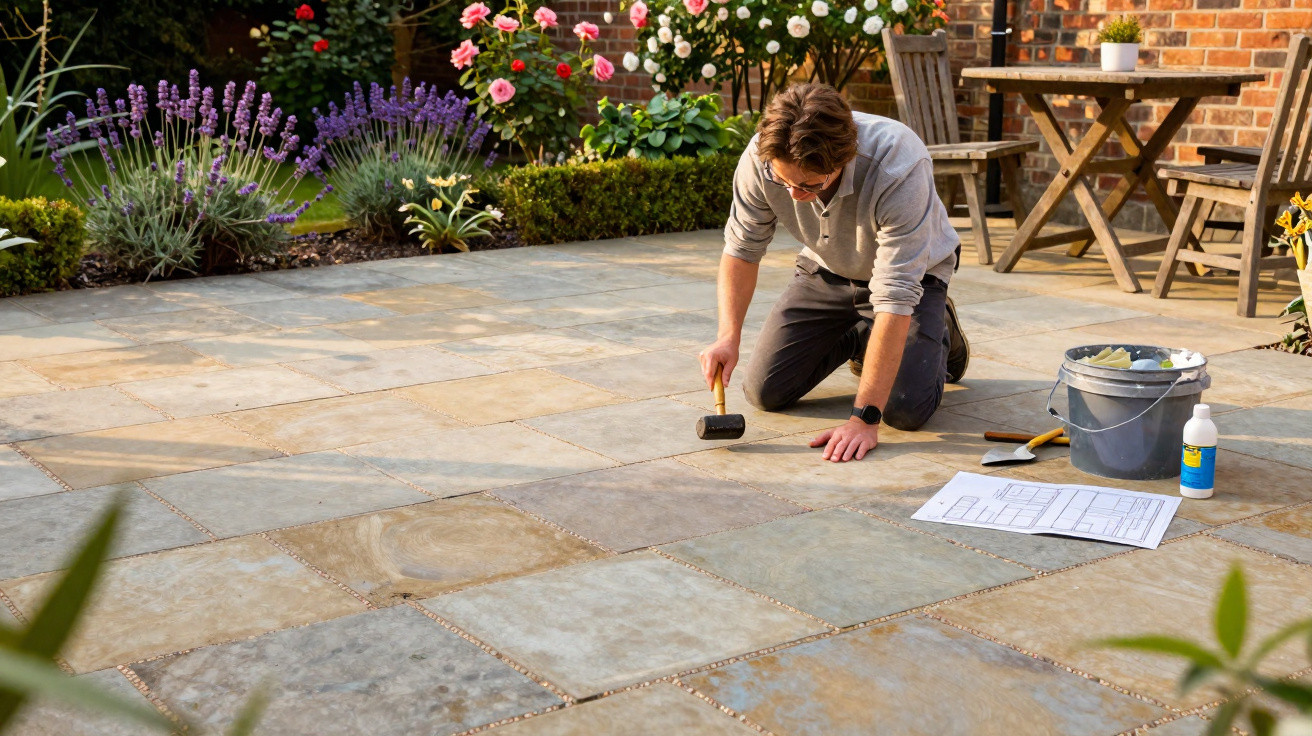
Residential back garden makeovers are increasingly choosing materials that deliver everyday comfort and genuine beauty in social spaces. Replacing conventional stone with pale limestone slabs transforms the outdoor look, boosting brightness and creating a natural connection with surrounding planting.
Why is limestone replacing polished granite in landscaping projects?
Dark finishes tend to hold on to heat and can make patios feel visually heavy. By contrast, limestone slabs reflect sunlight readily, helping to keep outdoor areas comfortably cooler while also enhancing the sense of space across the whole seating and entertaining zone.
With gentle beige and soft grey notes, limestone brings a balanced feel that sits effortlessly alongside timber furniture and lush foliage. This restrained look also avoids the harshness of a highly polished surface, complementing residential architecture with understated outdoor elegance.
Why has pale limestone become a favourite in English gardens?
Swapping dark granite for lighter stone reduces heat and refreshes a home patio because… Read more
How do you use limestone paving to achieve an English garden style?
Traditional British garden design favours smooth transitions and organic shapes across the lawn. Laying slabs in mixed formats makes it possible to form characterful paths that link to flower beds, creating strong visual harmony that draws attention to every detail in the planting around it.
By avoiding rigid lines and symmetrical layouts, the paving takes on a welcoming, timeless presence in the garden. This approach suits families looking for an outdoor area that feels cosy, blending rural rustic charm with the sophistication that helps enhance a home’s value.
Below, watch a video from the Forest Stone channel on YouTube showing this flooring being installed in practice.
What are the benefits of a tumbled finish on an outdoor patio?
The aged effect created by tumbling carefully rounds the slab edges with precision. This intentional wear feels pleasant under bare feet and provides reliable mechanical grip to help prevent slips on rainy days or during routine washing.
Another key advantage is strong resistance to weather exposure and ongoing abrasion. Treated slabs keep their physical integrity without developing sharp chips, maintaining both structural quality and the original appearance of the surface over the years.
Essential Paving Kit
Limestone Highlights - main features that make this stone ideal for outdoor patios:
- Pale tone that improves the area’s natural light.
- Tumbled, anti-slip texture that remains comfortable underfoot.
- High durability in the face of weathering and constant foot traffic.
How do you install and seal the slabs correctly?
A reliable installation starts with careful ground levelling and a well-planned drainage solution. Using a mortar formulated for natural stone holds the pieces firmly in place, helping to prevent sinking and stopping water from pooling beneath the paved structure.
Once pointing is finished and fully dry, applying a protective sealer is essential. It forms an invisible barrier against corrosive liquids and grease, protecting the light tones of the stone from developing permanent stains in the garden.
To achieve safe, long-lasting paving, follow these steps:
- Prepare the sub-base properly, including an efficient drainage system.
- Bed the slabs using a mortar suitable for natural stone.
- Apply a waterproofing sealer after the pointing has dried.
What care keeps limestone looking good for years?
Everyday cleaning only needs clean water and a mild, pH-neutral soap to remove settled dust. Regular sweeping with a soft-bristled broom helps stop plant debris building up, preserving the original finish without damaging the stone’s mineral surface.
To keep moisture protection performing at its best, it is worth reapplying the waterproof sealer every two years. This routine upkeep maintains ongoing defence against the elements, keeps the space attractive, and extends the working life of the family’s residential patio.
Comments
No comments yet. Be the first to comment!
Leave a Comment